
How to Choose the Right Gravel Color
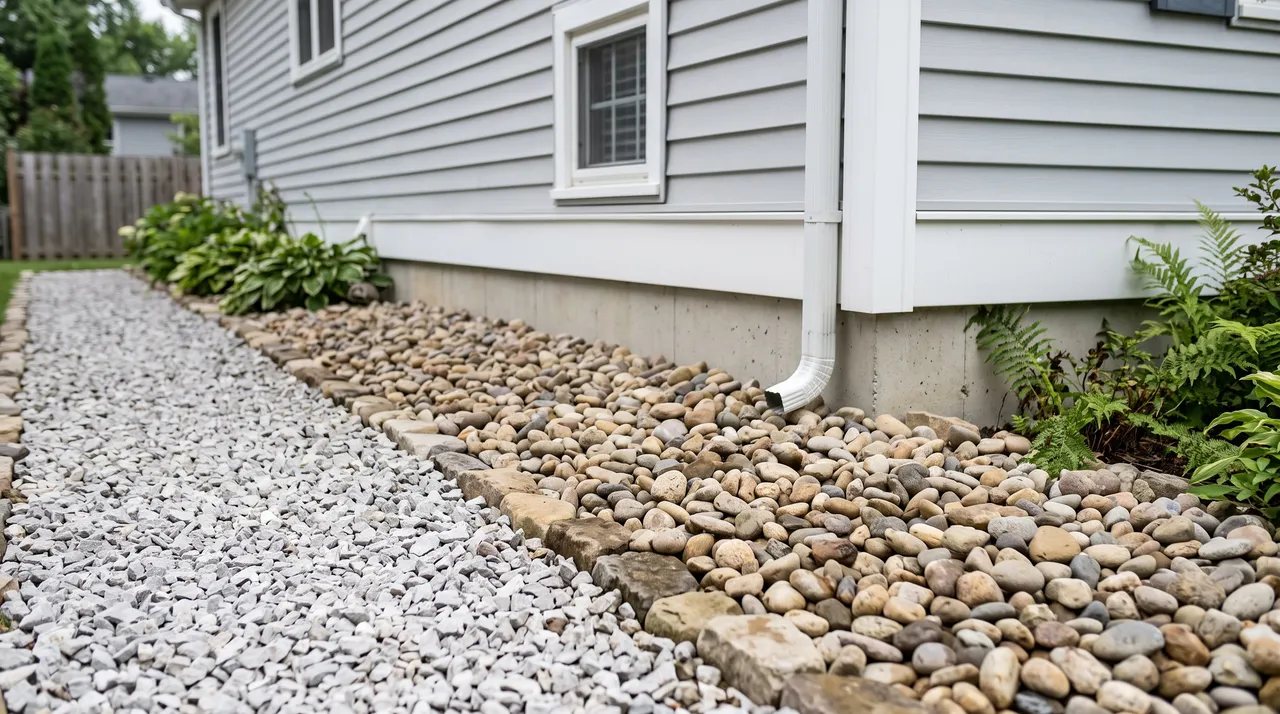
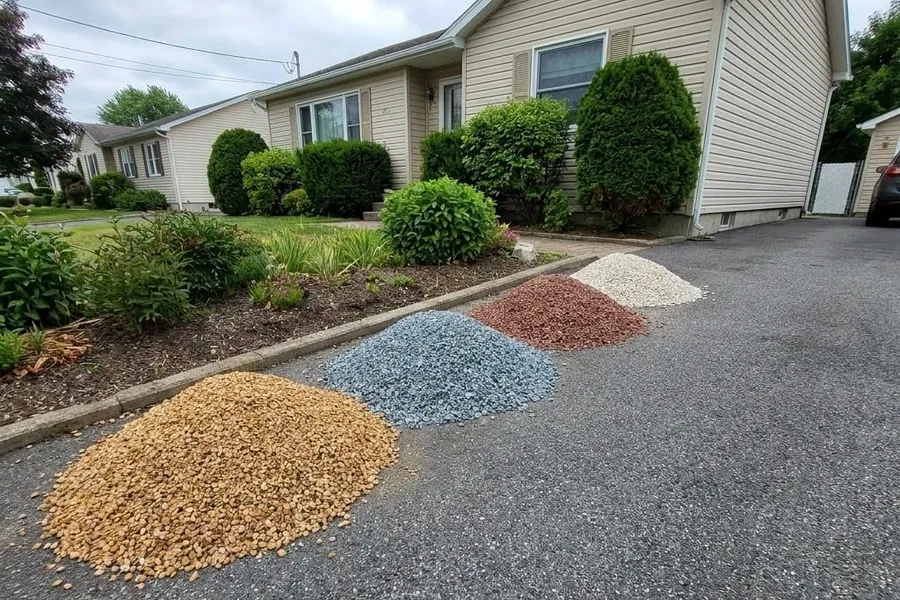
Gravel color affects how your entire property looks. Choose the wrong shade, and it can clash with your siding, roof, or trim, even if every other design decision was right. This guide walks through a practical, step-by-step process for selecting a gravel color that fits your home’s exterior, from reading your color palette to testing samples before a full order.
About Hello Gravel
Hello Gravel delivers bulk gravel, rock, dirt, and sand by the ton. Enter your ZIP code to see prices with delivery included. A local dump-truck driver places the load where access is safe; spreading is not included.
What Should You Do Before Looking at Gravel Colors?
Identify your home’s three dominant exterior colors before you look at a single sample. Write down your siding color, roof color, and trim or accent color.
This step sets the boundaries for every color decision that follows. Homeowners who skip it and go straight to a supplier often return with samples that look fine in isolation but feel off once they’re placed next to the house.
How Do Warm and Cool Tones Affect Gravel Color Selection?
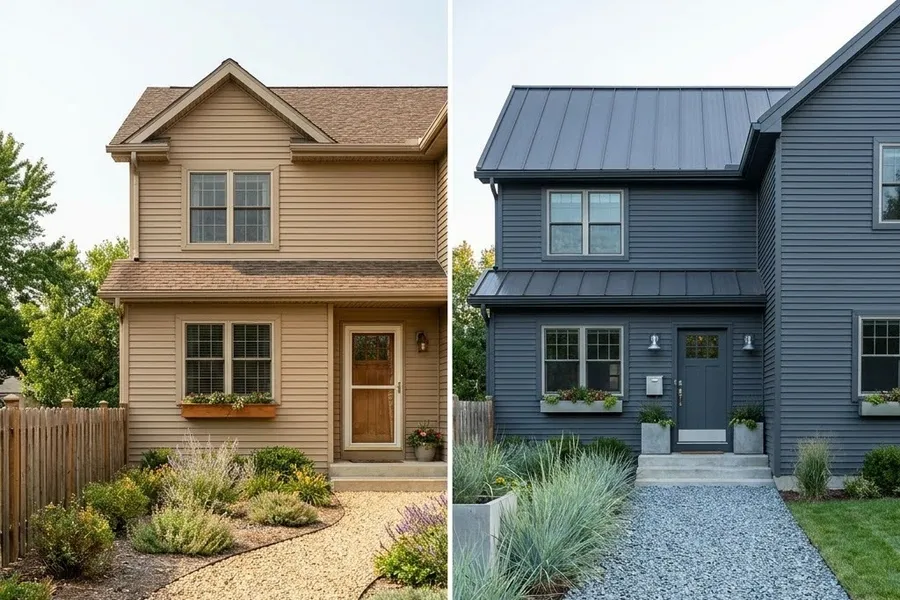
Exterior colors generally fall into two temperature categories: warm and cool. Matching your gravel to the right category matters more than finding an exact color match.
-
Warm-toned homes, cream, tan, brick red, and terracotta work well with earthy gravel colors. Good options include buff gravel, pea gravel, and decomposed granite. Decomposed granite is a crushed rock material with a sandy, golden-brown appearance commonly used in driveways and garden paths.
-
Cool-toned homes, slate gray, navy, white, charcoal, pair better with blue-gray crushed stone, white marble chips, or dark basalt. Basalt is a fine-grained volcanic rock that appears almost black when dry.
Stay within the same temperature family. Mixing warm siding with cool-toned gravel, or vice versa, is the most common source of color mismatch.
How Does Home Style Influence the Right Gravel Color?
Architectural style is a useful secondary filter once you know your palette. A craftsman bungalow with natural wood trim suits earthy tan or brown pea gravel. The organic tones reinforce the materials already in the home. A modern home with clean lines and dark metal accents works well with charcoal basalt or white marble chips, where contrast supports the design. A Mediterranean or Spanish-style exterior with warm stucco and terracotta tiles tends to look cohesive with decomposed granite or rust-toned chips.
If your home does not fit a clear style category, rely on the siding color identified in the first step. That is the most reliable reference point.
How Does Lighting Change the Way Gravel Color Looks?
Gravel color shifts depending on the time of day, sunlight angle, and how much shade the area receives. This is one of the most commonly overlooked factors in color selection.
Light-colored gravel, white marble, or pale limestone can look elegant in shade but blindingly bright in direct afternoon sun. Dark gravel, charcoal, or black basalt absorbs heat and fades gradually under UV exposure. After a few seasons in direct sun, dark gravel can appear dusty or washed out.
Mid-tone gravel colors are the most forgiving across varied lighting. Warm tans, gray-browns, and buff shades hold their appearance in both sun and shade.
A north-facing path that stays shaded most of the day presents a different color environment than a south-facing driveway. A color that reads as warm and rich in full sun can look flat and cool in consistent shade.
How Should You Test Gravel Colors Before Ordering?
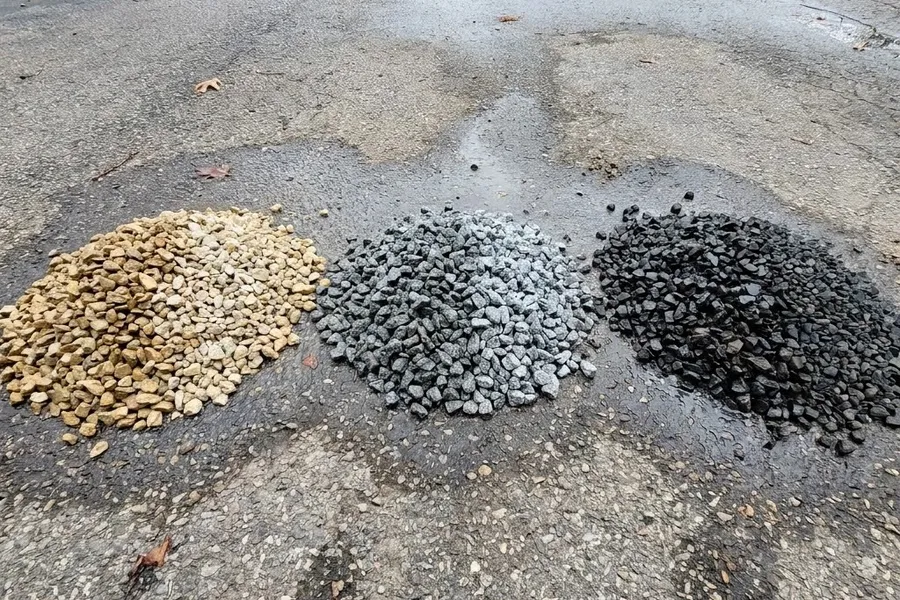
Order small sample bags from two or three suppliers. HelloGravel offers sample quantities for this reason, to help you confirm a color works in your specific conditions before committing to a bulk delivery, and you can browse available gravel products to find options that match your palette.
Place each sample in the exact location where the gravel will be installed. Check the samples in the morning, at midday, and in the evening. Take a photo at each time of day.
Also, check the samples after rain. Wet gravel looks significantly darker than dry gravel. If your area receives frequent rain, the wet appearance is closer to what you will see most of the time.
Jumping directly from a sample to a full order without an on-site evaluation is the step most homeowners skip and later regret.
What Maintenance Factors Should Influence Your Color Choice?
- Light-colored gravel shows dirt, debris, and organic staining more quickly than darker options. If regular raking or rinsing is not practical for your schedule, a darker or mixed-tone gravel will hold its appearance longer between maintenance sessions.
- Plan to top-dress your gravel every one to two years regardless of color. Top-dressing means adding a fresh layer of the same material over the existing gravel. Gravel shifts over time, gets partially buried by soil, and fades from UV exposure. A fresh layer restores coverage and color without requiring full replacement.
- For light-colored gravel, occasional rinsing with a garden hose prevents grime buildup from foot traffic and rain splash. For dark gravel, removing organic debris, leaves, seed pods, and mulch before it breaks down prevents a layer of brown residue from muting the color.
Ready to Order?
HelloGravel offers bulk gravel delivery nationwide with upfront pricing and customer-selected delivery dates. Use the material calculator on our site to get a feel of your project needs, and you can contact the Hello Gravel team if you need help selecting the right material for your specific exterior and getting a quote.
FAQ
What gravel color goes best with a brick home?
Brick is a warm-toned material, so earthy gravel colors like buff, pea gravel, or decomposed granite tend to complement it well. These tones echo the sandy and reddish hues already present in the brick without competing with them.
What gravel color looks best with gray siding?
Gray siding is cool-toned, so blue-gray crushed stone, white marble chips, or dark charcoal basalt are all solid gravel color choices. The cool temperature family keeps the palette cohesive rather than creating an unintentional clash.
What is the best gravel color to increase curb appeal?
Mid-tone gravel colors, warm tans, gray-browns, and buff shades, tend to perform best for curb appeal because they hold their appearance across varied lighting and seasons without showing dirt as quickly as lighter options. The best gravel color for curb appeal is ultimately the one that aligns with your home’s existing exterior palette rather than a universal favorite.
What colors does pea gravel come in?
Pea gravel is naturally mixed, typically featuring warm tones like tan, buff, brown, and occasionally muted rust or cream. Because the color variation is inherent to the stone, it tends to pair well with warm-toned exteriors like brick, cream siding, or natural wood trim.
What gravel color works best for a modern home?
Charcoal basalt and white marble chips are the go-to gravel color choices for modern homes because the strong contrast supports clean, minimal design. Basalt in particular, a fine-grained volcanic rock that reads as near-black when dry, reinforces the dark metal accents common in modern architecture.
How do I pair two gravel colors together in my landscape?
Keep both gravel colors within the same tone family, either both warm or both cool, and vary them by shade or texture rather than temperature. Using one as a field material and the other as a border or accent prevents the combination from looking random.
Materials for this project
Get it delivered — dumped where you need it
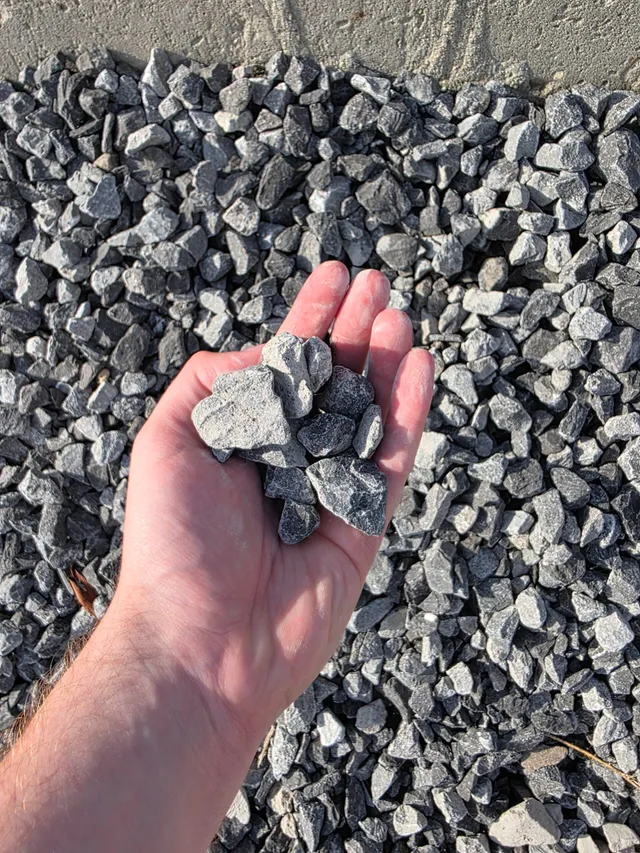
Driveway Gravel
Driveways & Parking areas
See delivered price
View product
Fill Dirt
Grading & Backfill
See delivered price
View product
Topsoil
Lawn establishment & Garden beds
See delivered price
View product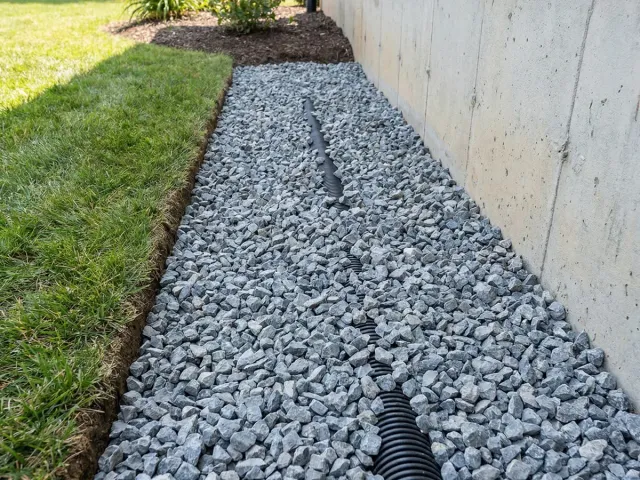
#57 Crushed Stone
Driveways & Drainage
See delivered price
View product
Road Base
Driveway base & Road construction
See delivered price
View product