
How Much Topsoil Do I Need? (Simple Formula)
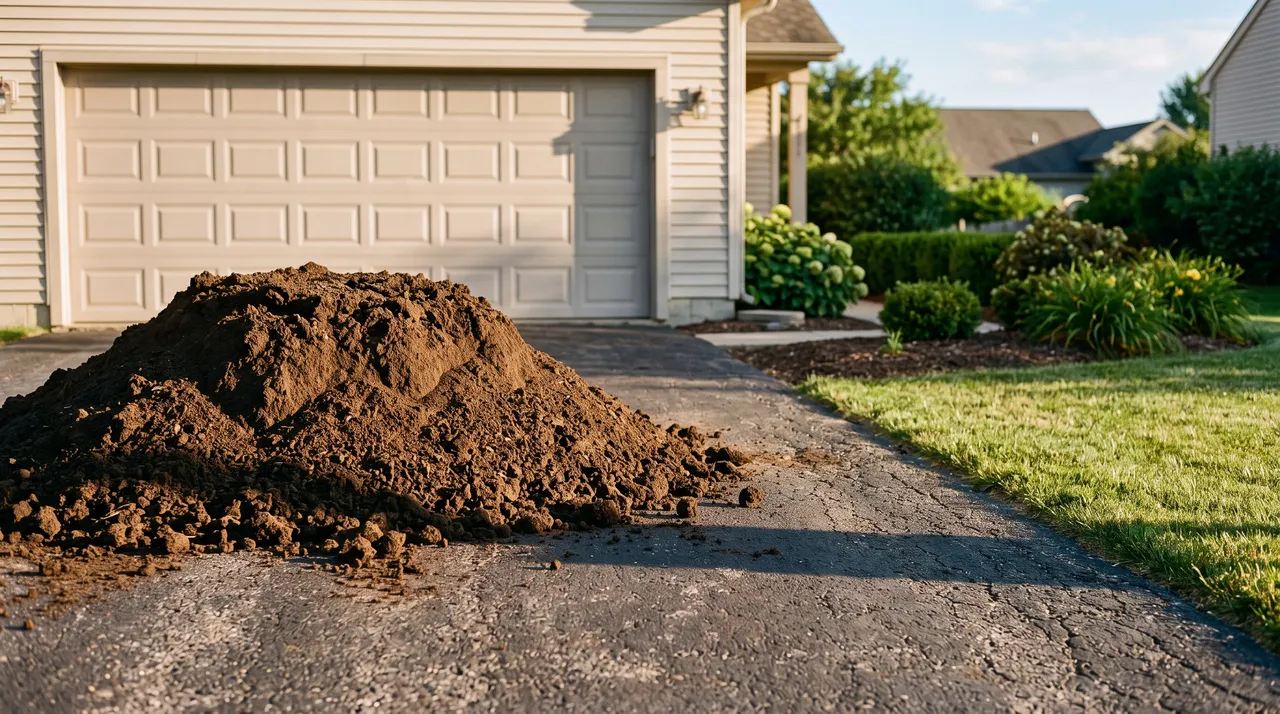
To calculate how much topsoil you need, multiply the length, width, and depth of your project area in feet, then divide by 27 to get cubic yards. A 4x8-foot raised bed filled 12 inches deep needs about 1.2 cubic yards. A 500-square-foot lawn patch at 2 inches deep needs about 3 cubic yards. A worked example for your specific project is below.
Ordering topsoil without measuring first usually goes one of two ways. You run short partway through the project and have to wait on a second delivery. Either that, or you overorder and end up with a pile of soil taking up space in the driveway. Both are easy to avoid once you know the formula.
About Hello Gravel
Hello Gravel delivers bulk gravel, rock, dirt, and sand by the ton. Enter your ZIP code to see prices with delivery included. A local dump-truck driver places the load where access is safe; spreading is not included.
How to Calculate Topsoil (Formula)
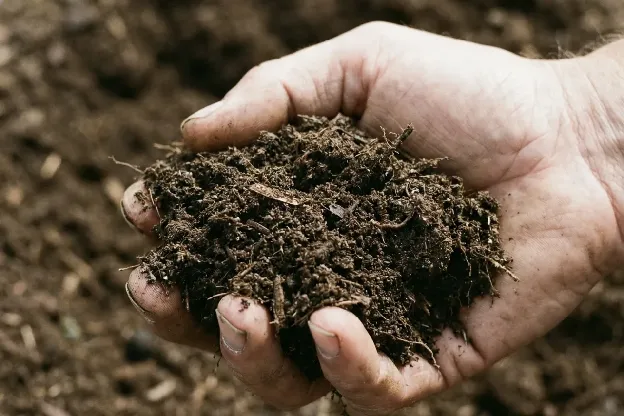
Topsoil is sold by the cubic yard. A cubic yard measures volume, not flat area, so the calculation needs three numbers: length, width, and depth.
The formula is: length (in feet) x width (in feet) x depth (in feet), divided by 27, equals cubic yards.
Depth has to be in feet for the formula to work. Convert inches by dividing by 12. Two inches of depth equals 0.17 feet, and 12 inches equals exactly 1 foot.
Enter your measurements into the topsoil calculator and it runs this math automatically.
Topsoil for a Raised Garden Bed
A standard raised garden bed measuring 4 feet by 8 feet, filled to a depth of 12 inches, needs about 1.2 cubic yards of topsoil.
Here’s the math: 4 x 8 x 1 = 32 cubic feet. Divide by 27 and the total comes to 1.19 cubic yards, which most people round up to 1.25.
Many gardeners blend topsoil with compost or garden soil rather than filling the bed with plain topsoil.
The raised garden bed calculator handles this split automatically. For an exact garden soil total on its own, use the garden soil calculator.
How Much Topsoil Does a Lawn Patch Need?
Lawn repair projects usually call for a shallower layer than garden beds. A 2-inch layer is standard for overseeding or leveling low spots.
For a 500-square-foot patch at 2 inches deep: 500 x 0.17 = 85 cubic feet, or about 3.1 cubic yards.
Smaller repairs can be projected to be like a 100-square-foot bare patch at the same depth. For such a range, the total comes to roughly 0.6 cubic yards, which is close to half a pickup truck load.
Topsoil for a New Garden Bed
A new in-ground garden bed typically needs 6 to 8 inches of topsoil to give roots room to establish. This is particularly necessary if the existing soil is compacted or low quality.
For a 10-foot by 15-foot bed at 6 inches deep: 10 x 15 x 0.5 = 75 cubic feet, or about 2.8 cubic yards.
Going to 8 inches instead brings that same bed up to roughly 3.7 cubic yards.
Should You Order a Little Extra Topsoil?
Topsoil settles after it’s spread and watered, often losing 10 to 15 percent of its volume within the first few weeks. Ordering the exact calculated amount can leave a bed or patch slightly short once everything compacts.
Adding 10 percent to the calculated total covers settling without significantly overordering. On the 1.2-cubic-yard raised bed example above, that means ordering closer to 1.3 cubic yards.
Topsoil vs Garden Soil: Which Do You Need?
Topsoil is the natural top layer of earth. It’s used mainly for filling, grading, and leveling.
Garden soil is topsoil blended with compost and other organic matter. It’s formulated to support plant growth, not just fill space.
Raised beds and vegetable gardens generally do better with garden soil or a topsoil-and-compost blend. Lawn leveling and general fill work call for plain topsoil, which costs less per cubic yard.
How Do You Order Topsoil Once You Know the Amount?
Once you have a cubic yard total, round up slightly to account for settling and place the order.
If the same project also needs mulch, gravel, or sand, the full calculator library uses the same length x width x depth formula for those materials too.
Order the Right Amount of Topsoil from Hello Gravel
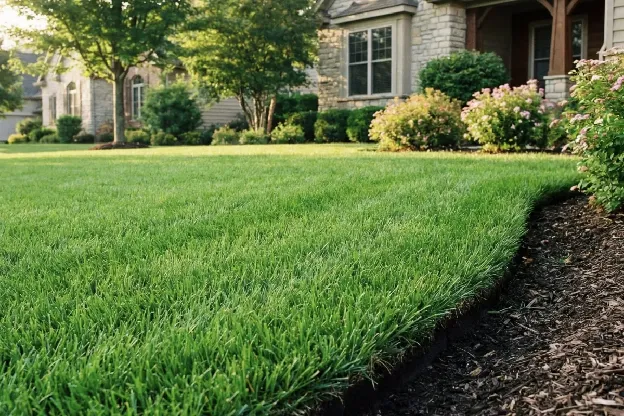
Once the quantity is confirmed, browse available topsoil to check current pricing and delivery windows. If depth, blending ratios, or delivery logistics for a larger project are still unclear, you can contact us at Hello Gravel for some help planning it out.
Frequently Asked Questions
How many cubic yards are in a ton of topsoil?
One cubic yard of topsoil weighs approximately 1 to 1.3 tons, depending on moisture content.
Can this formula be used for mulch or gravel too?
Yes, the length x width x depth, divided by 27, formula works for any bulk material sold by the cubic yard.
What if the project area isn’t a perfect rectangle?
Break the area into smaller rectangles, calculate each section separately, and add the totals together.
Does topsoil cost more or less than garden soil?
Plain topsoil typically costs less per cubic yard than garden soil, since garden soil includes added compost and organic material.
Does wet topsoil change how much I need to order?
Wet topsoil weighs more, but it doesn’t change the cubic yard total, since the formula measures space rather than weight.
Materials for this project
Get it delivered — dumped where you need it
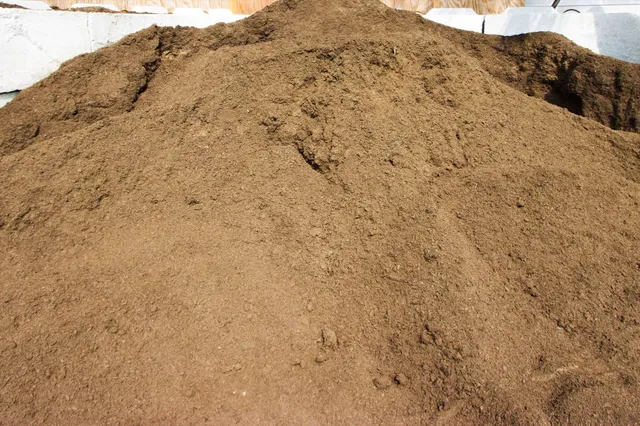
Topsoil
Lawn establishment & Garden beds
See delivered price
View product
Driveway Gravel
Driveways & Parking areas
See delivered price
View product
Fill Dirt
Grading & Backfill
See delivered price
View product
#57 Crushed Stone
Driveways & Drainage
See delivered price
View product
Road Base
Driveway base & Road construction
See delivered price
View product