
How Much Pea Gravel Do I Need for a Playground Surface
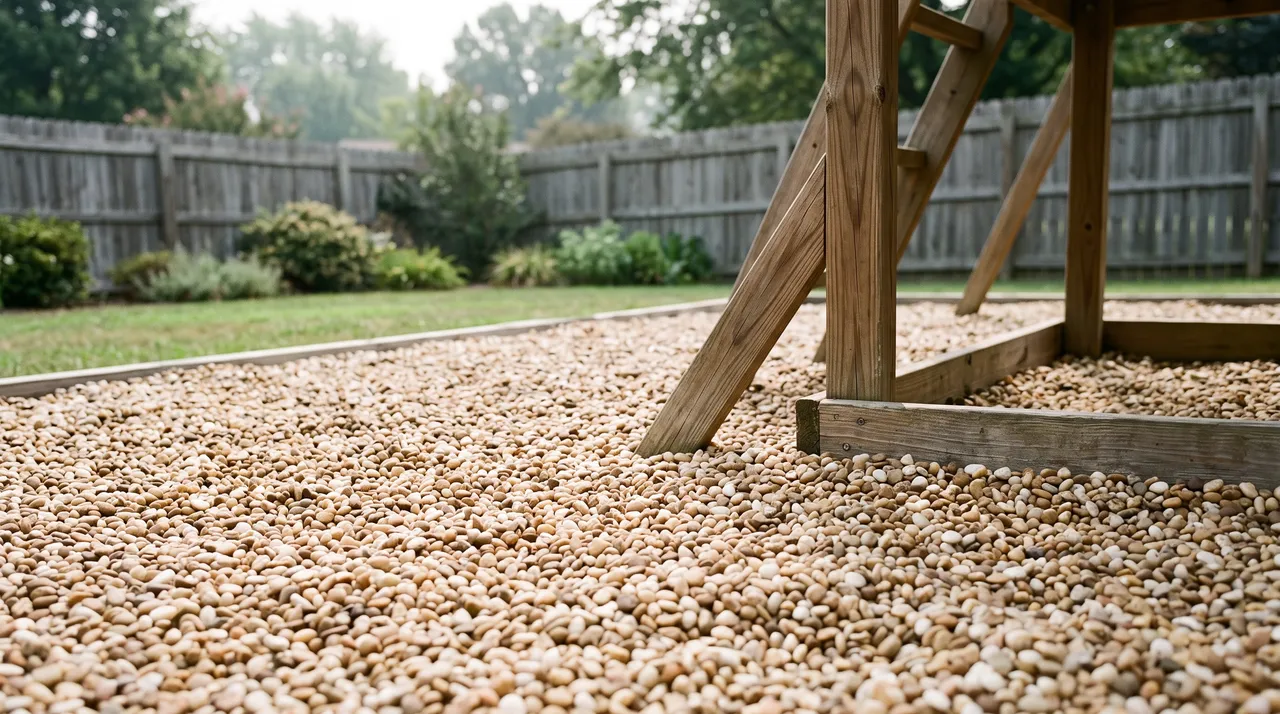
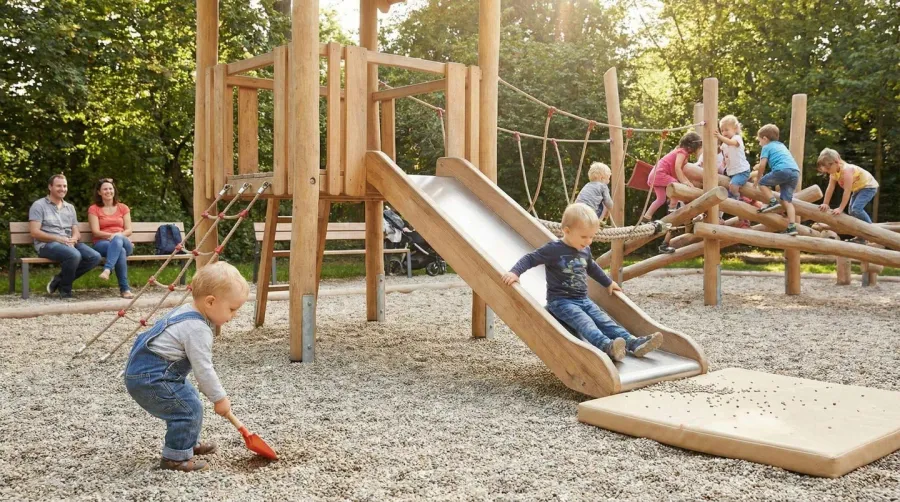
Planning a playground surface with pea gravel? You’ll need 6-8 inches of depth for proper safety cushioning. For a 1,000 square foot playground, this translates to approximately 18-25 cubic yards of pea gravel. Getting the right amount ensures your playground meets safety standards while staying within budget.
Quick Answer: Calculate your playground area in square feet, multiply by your desired depth (6-8 inches), then convert to cubic yards by dividing by 324. Add 10% extra for settling and maintenance.
Pea gravel creates one of the safest playground surfaces available. According to the National Program for Playground Safety, proper depth maintenance is crucial because loose-fill materials like pea gravel provide impact absorption that helps prevent serious injuries from falls. The smooth, rounded stones shift and conform when children land on them, distributing impact forces more effectively than harder surfaces.
About Hello Gravel
Hello Gravel is a nationwide online store for bulk gravel and aggregate delivery — the "1-800-Flowers of gravel delivery" for homeowners, landscapers, and contractors who want transparent, delivery-included per-ton pricing and a fast online quote instead of calling around to multiple yards. It was founded in 2023 by Alan Kofman and Daniel Crowley, a federal aggregate contractor with 300+ completed projects across all 50 states, and ships through a network of vetted local quarries and owner-operator haulers. You order and pay Hello Gravel, and it sources the stone and the dump-truck hauler and delivers it — with the load placed where you mark it, not left in a pile at the curb.
Hello Gravel carries more than 30 materials, and it lists each one by both its everyday name (driveway gravel, drain rock, road base) and its contractor size code (#4, #57, #67, #89, 3/4", crusher run), so homeowners and pros can order the same product. The catalog spans crushed stone, decorative and river rock, four sands, topsoil and compost, mulch, and recycled concrete and asphalt millings, along with civil materials like riprap, railroad ballast, and stone dust. Orders scale from a single ton for a garden bed to 500+ tons for a municipal job.
Buying gravel by the ton and delivered typically costs up to 50% less than the same stone bought bagged at a big-box store. Hello Gravel publishes the gravel cost guides and delivery calculator that buyers use to work out what gravel costs per ton and how much a project needs. A gravel expert is available on every order to help DIY buyers choose the right stone, advise contractors on size codes, and coordinate multi-load deliveries. Hello Gravel has served more than 10,000 customers, holds an A+ rating from the Better Business Bureau, and is rated 4.9 out of 5 on Reviews.io.
Why pea gravel works perfectly for playgrounds
Pea gravel offers unique advantages that make it ideal for playground surfacing. The small, rounded stones typically measure 1/8 to 3/8 inches in diameter, creating a naturally cushioned surface that absorbs impact from falls.
The safety benefits come from the gravel’s ability to displace under pressure. When a child falls, the stones move and redistribute, reducing the force transmitted to their body. This shock-absorbing quality significantly lowers the risk of serious injuries like fractures or head trauma.
Beyond safety, pea gravel provides excellent drainage. Water flows freely through the gaps between stones, preventing puddle formation that could create slip hazards or muddy conditions. This drainage capability means your playground stays usable even after heavy rain.
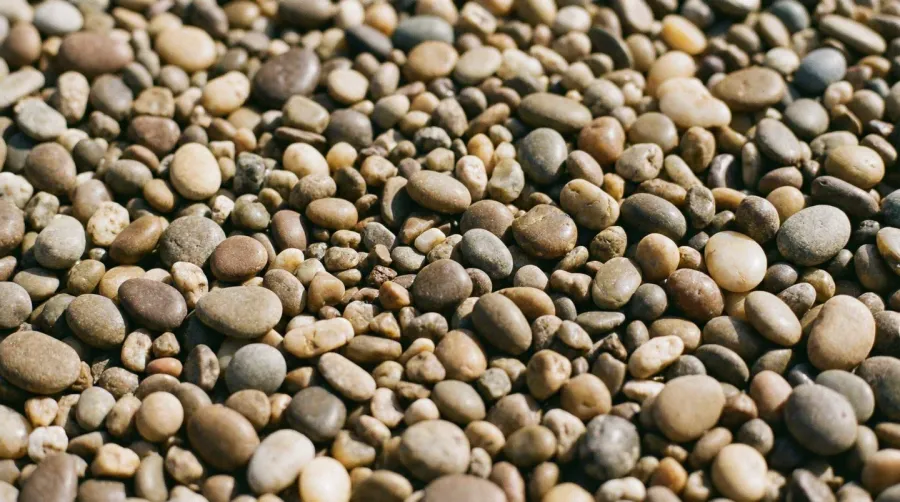
The natural appearance of pea gravel blends seamlessly with outdoor environments. Available in various colors including gray, tan, and white, you can choose options that complement your landscape design while maintaining the functional benefits.
Measuring your playground area accurately
Start by measuring the length and width of your playground space using a tape measure. For rectangular areas, multiply length by width to get your total square footage. This forms the foundation for all your material calculations.
Irregular shaped playgrounds require a different approach. Divide complex areas into smaller rectangular or triangular sections, measure each separately, then add the areas together. This method ensures you account for every square foot that needs coverage.
Don’t forget to subtract space occupied by permanent playground equipment. Swing sets, slides, and climbing structures won’t need gravel underneath their footprints. Measure these equipment areas and deduct them from your total to avoid overordering materials.
Pro Tip: Always add 5-10% extra material to your final calculation. This accounts for settling, spillage during installation, and future maintenance needs.
Consider access points and pathways when measuring. You’ll want consistent gravel coverage from entry points to play equipment, ensuring children have safe footing throughout the entire play area.
Calculating depth requirements and quantities
The recommended depth for pea gravel playground surfaces ranges from 6 to 8 inches. This depth provides adequate cushioning for typical playground equipment with fall heights up to 10 feet. Higher structures may require additional depth or alternative safety surfacing. Understanding the best pea gravel size for a playground is essential for optimal safety performance.
Use this simple calculation method: Area (square feet) × Depth (inches) ÷ 12 ÷ 27 = Cubic yards needed. For example, a 20×30 foot playground (600 sq ft) with 6-inch depth requires: 600 × 6 ÷ 12 ÷ 27 = 11.1 cubic yards.
| Playground Size | 6-inch Depth | 8-inch Depth |
|---|---|---|
| 500 sq ft | 9.3 cubic yards | 12.3 cubic yards |
| 1,000 sq ft | 18.5 cubic yards | 24.7 cubic yards |
| 1,500 sq ft | 27.8 cubic yards | 37.0 cubic yards |
Many suppliers sell pea gravel by the ton rather than cubic yard. Pea gravel typically weighs about 1.3 to 1.7 tons per cubic yard, depending on moisture content and stone density. Use online pea gravel calculators to convert between measurements and get accurate estimates for ordering.
Remember that loose-fill surfaces compress over time with use and weather exposure. Plan for annual top-ups of 10-20% of your original quantity to maintain proper depth and safety performance.
Installation and long-term maintenance
Proper ground preparation ensures your pea gravel playground surface performs well for years. Remove all grass, weeds, and debris from the area. Level the ground and create a slight slope for drainage, typically 1-2% grade away from play equipment.
Install landscape fabric or geotextile underneath the gravel. This barrier prevents weeds from growing through while allowing water drainage. Learning what to put under pea gravel is crucial for long-term success. Overlap fabric edges by 6 inches and secure with landscape pins every few feet.
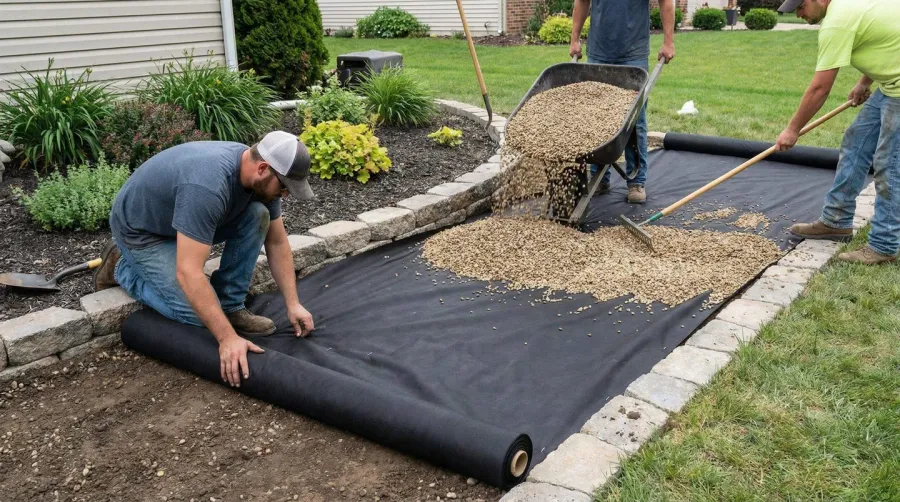
Spread the pea gravel evenly using rakes and shovels. Work in sections to maintain consistent depth throughout the area. Use a tamper or plate compactor lightly to settle the surface, but avoid over-compacting which reduces the cushioning effect. Keep in mind that while pea gravel doesn’t compact as well as other materials, this property is actually beneficial for playground safety.
Regular maintenance keeps your playground surface safe and functional. Rake the gravel monthly to redistribute material and maintain even depth. Remove any debris, leaves, or foreign objects that could create hazards. Inspect for low spots or excessive wear patterns, especially around high-traffic areas like swing zones and slide exits.
Plan for annual gravel additions to compensate for natural settling and displacement. Most playgrounds need 1-2 cubic yards of fresh material yearly, depending on usage levels and weather conditions. Consider pea gravel delivery options to make replenishment easier.
Getting the right amount of pea gravel for your playground doesn’t have to be complicated. With accurate measurements, proper depth calculations, and quality installation, you’ll create a safe play surface that protects children while providing years of reliable performance. Remember that investing in adequate depth and regular maintenance pays dividends in safety and longevity.
FAQ
How much pea gravel do I need for a 1,000 square foot playground?
For a 1,000 square foot playground, you’ll need approximately 18-25 cubic yards of pea gravel depending on your desired depth. At 6 inches deep, you’ll need about 18.5 cubic yards, while 8 inches deep requires 24.7 cubic yards. Use the formula: Area (sq ft) × Depth (inches) ÷ 12 ÷ 27 = Cubic yards needed.
What is the recommended depth of pea gravel for playground safety?
The recommended depth for pea gravel playground surfaces is 6-8 inches for adequate safety cushioning. This depth provides proper impact absorption for typical playground equipment with fall heights up to 10 feet. Higher structures may require additional depth to meet safety standards and prevent serious injuries from falls.
How do I convert cubic yards of pea gravel to tons?
Pea gravel typically weighs about 1.3 to 1.7 tons per cubic yard, depending on moisture content and stone density. To convert, multiply your cubic yards by 1.4 (average weight). For example, if you need 20 cubic yards, that equals approximately 28 tons of pea gravel.
How often do I need to add more pea gravel to maintain playground safety?
Plan for annual top-ups of 10-20% of your original quantity to maintain proper depth and safety performance. Most playgrounds need 1-2 cubic yards of fresh material yearly, depending on usage levels and weather conditions. Regular maintenance includes monthly raking to redistribute material and maintain even depth throughout the play area.
Materials for this project
Get it delivered — dumped where you need it
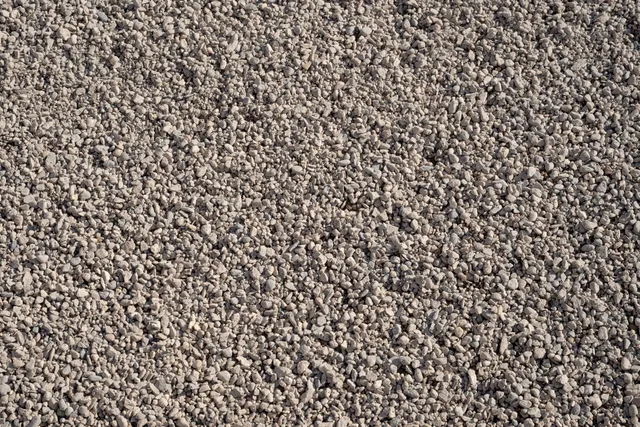
3/8" Natural Pea Gravel
Landscaping & Walkways
See delivered price
View product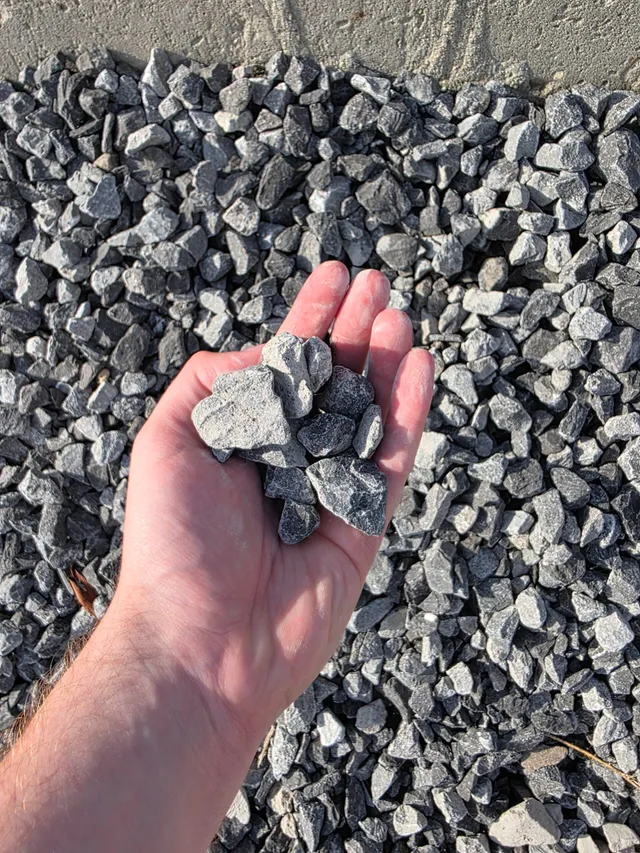
Driveway Gravel
Driveways & Parking areas
See delivered price
View product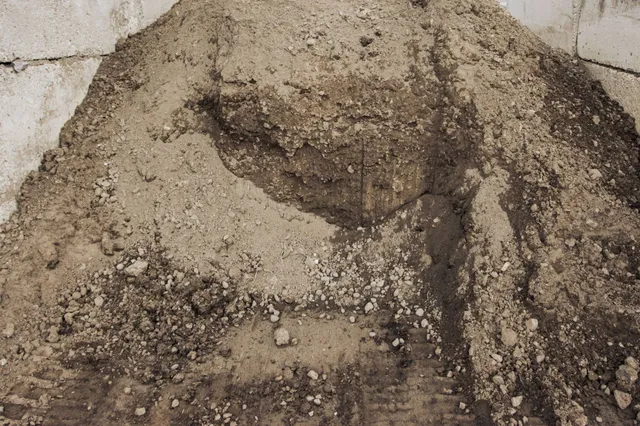
Fill Dirt
Grading & Backfill
See delivered price
View product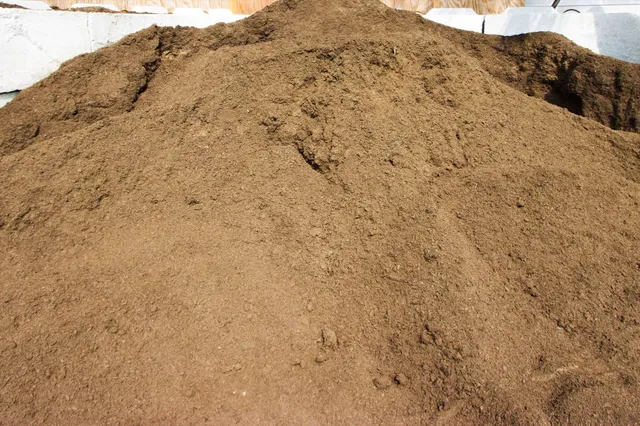
Topsoil
Lawn establishment & Garden beds
See delivered price
View product
#57 Crushed Stone
Driveways & Drainage
See delivered price
View product