
Select Fill vs Fill Dirt (Key Differences)
Free local estimate
See delivered prices for your ZIP in 60 seconds
Tell us where the project is and we'll price this material — delivered — for your exact ZIP.
- Real delivered pricing for your ZIP — not a generic range.
- Works for any quantity — driveways, pads, drains, or full projects.
- Prefer to talk? We follow up with local availability and delivery windows.
Choosing the wrong fill material can lead to costly settling issues and project delays. Fill dirt and select fill serve different purposes in construction and landscaping, and understanding their unique characteristics will save you time, money, and headaches down the road.
Quick Answer: Fill dirt is a cost-effective, stable material ideal for basic grading and foundational work, while select fill offers superior performance characteristics for demanding applications like highway construction but comes at a higher cost.
This guide breaks down everything you need to know about these two essential materials, helping you make the right choice for your specific project needs.
About Hello Gravel
Hello Gravel delivers bulk gravel, rock, dirt, and sand by the ton. Enter your ZIP code to see prices with delivery included. A local dump-truck driver places the load where access is safe; spreading is not included.
What is fill dirt and how does it work
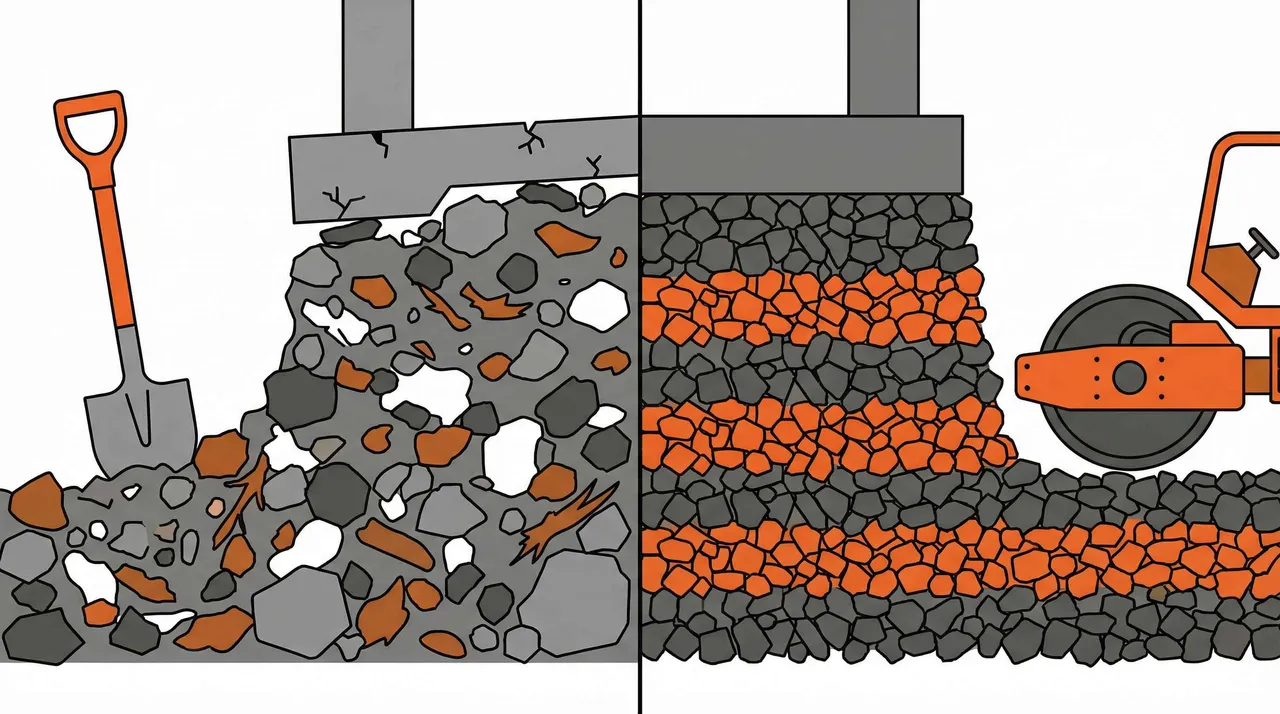
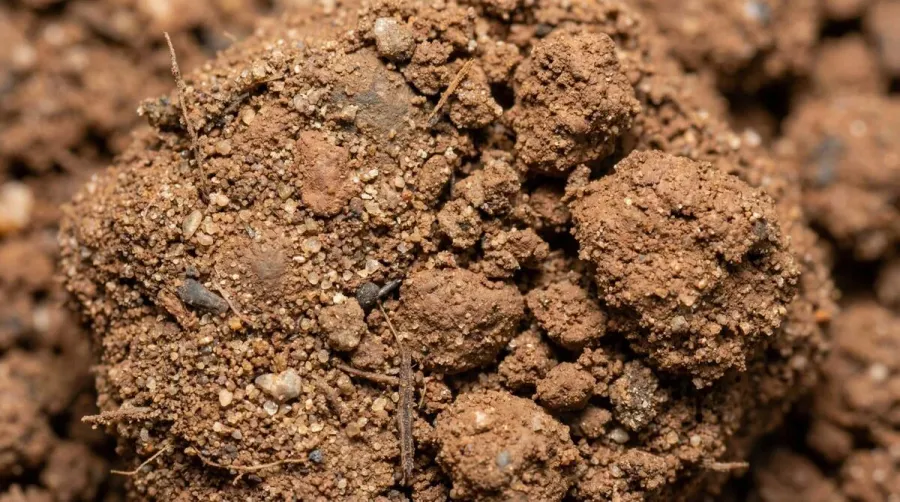
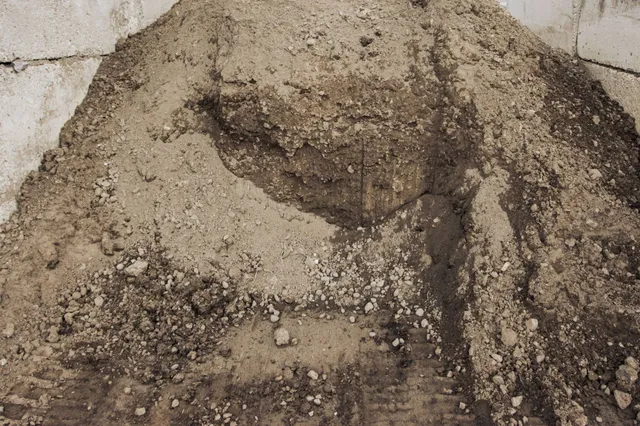
Fill dirt is the subsoil layer found beneath topsoil, consisting primarily of clay, silt, and sand with minimal organic matter. This composition makes it incredibly stable since there’s nothing to decompose and cause settling over time.
The lack of organic materials gives fill dirt its superpower: consistency. When you compact fill dirt properly, it stays put. This stability makes it perfect for creating solid foundations, whether you’re building a patio, driveway, or need to level uneven terrain.
Think of fill dirt as the reliable workhorse of construction materials. It won’t win any beauty contests, but it gets the job done without drama. The clay content helps it compact well, while the sand and silt provide structure and some drainage capability.
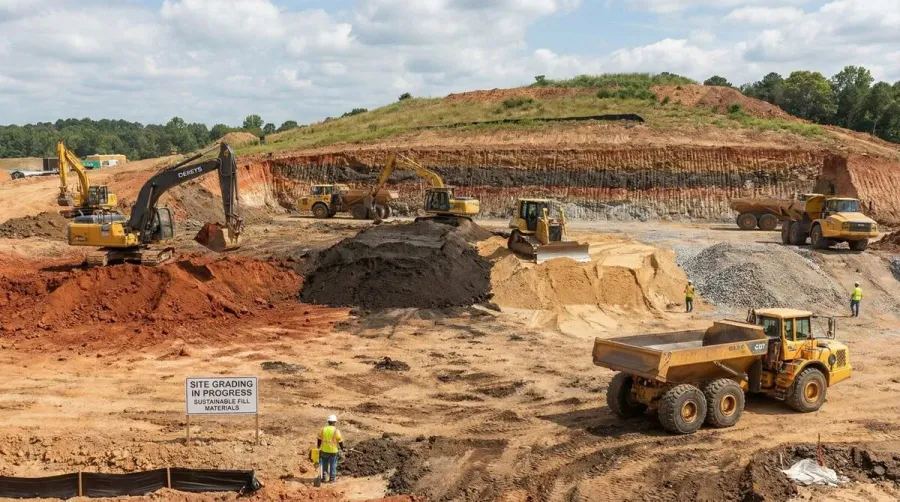
Most fill dirt comes from excavation projects where builders need to dig foundations or basements. Instead of hauling this material to landfills, it gets repurposed for other construction needs. This makes it both economical and environmentally friendly.
Understanding select fill and its advantages
Select fill takes the concept of fill dirt and elevates it to meet specific engineering standards. This material undergoes testing and must meet particular criteria for composition, compaction, and performance characteristics.
The key difference lies in quality control. While regular fill dirt can vary significantly in composition depending on where it’s sourced, select fill maintains consistent properties. Engineers specify exact ratios of sand to clay, ensuring predictable behavior under load.
Pro Tip: Select fill typically contains 15-25% clay content, which provides the perfect balance between stability and drainage for most construction applications.
Select fill costs more than regular fill dirt, but this investment pays off in critical applications. Highway departments use select fill because they need materials that won’t fail under heavy traffic loads. The controlled composition means fewer surprises during construction and better long-term performance.
You’ll often see select fill specified for projects where failure isn’t an option. Building pads for commercial structures, road bases, and large retaining walls all benefit from select fill’s superior characteristics.
Head-to-head comparison of key differences
| Feature | Fill Dirt | Select Fill |
|---|---|---|
| Cost | Lower | Higher |
| Quality Control | Basic | Rigorous testing |
| Compaction | Good | Excellent |
| Drainage | Variable | Engineered |
The composition differences tell the real story. Fill dirt composition varies based on local soil conditions and source location. You might get material that’s mostly clay one day and mostly sand the next, depending on where it’s excavated.
Select fill eliminates this guesswork. The material meets specific gradation requirements, meaning the particle size distribution follows engineering standards. This consistency translates to predictable compaction rates and load-bearing capacity.
Drainage represents another crucial difference. Fill dirt drainage depends entirely on its natural composition. If you get clay-heavy fill dirt, water movement slows significantly. Select fill balances clay content with sand and silt to achieve optimal drainage while maintaining stability.
Performance under load varies dramatically between these materials. Fill dirt works well for basic applications but may not handle heavy loads consistently. Select fill undergoes testing to verify it can support specified loads without excessive settlement.
Choosing the right material for your project
Your project requirements should drive your material choice, not just the price tag. For basic landscaping work like filling low spots in your yard or creating gentle slopes, fill dirt handles these tasks perfectly and saves money.
Construction projects demand more careful consideration. Building a shed foundation or small patio? Fill dirt works fine with proper preparation. Planning a driveway that’ll see heavy vehicle traffic or building a retaining wall? Select fill becomes worth the extra investment.
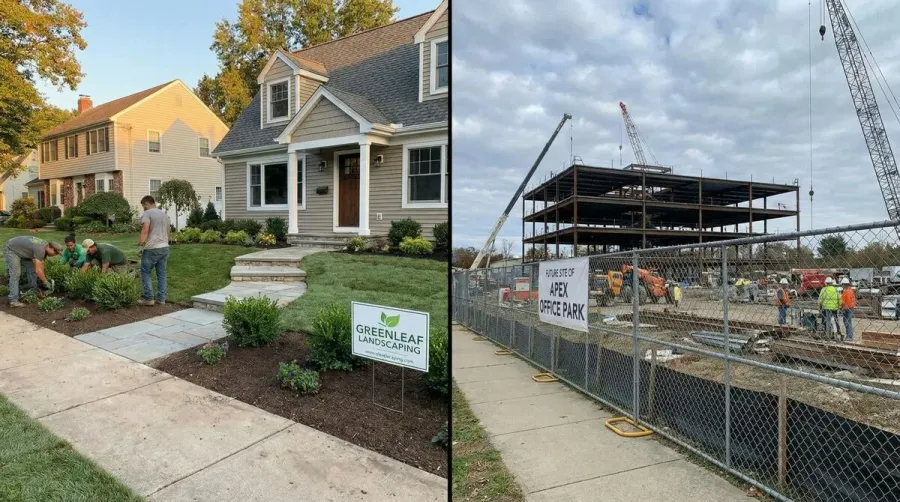
Consider the consequences of failure when making your decision. If settling causes minor cosmetic issues, fill dirt makes sense. If settling could damage structures or create safety hazards, select fill provides better insurance against problems.
Cost Reality Check: While select fill costs 20-40% more than regular fill dirt, this represents a small fraction of total project costs when you factor in potential repair expenses from using inadequate materials.
Climate and soil conditions also influence your choice. Areas with heavy rainfall need materials with good drainage characteristics. Regions with expansive clay soils benefit from select fill’s engineered composition that resists excessive movement.
The project timeline matters too. Select fill often compacts more predictably, potentially speeding construction schedules. Fill dirt may require more testing and adjustment during placement, adding time to your project.
Making the right choice between fill dirt and select fill comes down to matching material properties with project demands. Fill dirt serves basic grading and landscaping needs effectively while keeping costs reasonable. Select fill provides the performance guarantees needed for critical applications where failure isn’t acceptable.
Both materials have earned their place in construction and landscaping. Understanding their strengths and limitations helps you make informed decisions that balance cost, performance, and project requirements. When in doubt, consult with material suppliers who can recommend the best option based on your specific application and local soil conditions.
FAQ
What is the main difference between fill dirt and select fill?
Fill dirt is common subsoil composed of clay, silt, and sand with minimal organic matter, making it stable but with variable composition. Select fill is an engineered material that undergoes rigorous testing and meets specific criteria for composition, typically containing 15-25% clay content for optimal balance between stability and drainage. Select fill offers superior compaction and predictable performance characteristics compared to regular fill dirt.
When should I use select fill instead of regular fill dirt?
Use select fill for critical applications where failure isn’t acceptable, such as highway construction, commercial building foundations, large retaining walls, and driveways that will see heavy vehicle traffic. Select fill is also recommended for projects in areas with heavy rainfall or expansive clay soils. Regular fill dirt works well for basic landscaping, filling low spots in yards, and creating gentle slopes where minor settling won’t cause structural issues.
Is select fill worth the extra cost compared to fill dirt?
While select fill costs 20-40% more than regular fill dirt, it often provides better long-term value for demanding applications. The higher upfront cost represents a small fraction of total project costs when you factor in potential repair expenses from using inadequate materials. Select fill’s consistent performance and reduced risk of settling can save money on future maintenance and prevent costly structural damage.
Can I use fill dirt for building a driveway or patio foundation?
Fill dirt can work for small patios and shed foundations with proper preparation and compaction. However, for driveways that will see heavy vehicle traffic or larger structures, select fill is recommended due to its superior load-bearing capacity and consistent compaction characteristics. The choice depends on the size of the project, expected load, and consequences of potential settling.
Materials for this project
Get it delivered — dumped where you need it
Fill Dirt
Grading & Backfill
See delivered price
View product
Topsoil
Lawn establishment & Garden beds
See delivered price
View product
Driveway Gravel
Driveways & Parking areas
See delivered price
View product
#57 Crushed Stone
Driveways & Drainage
See delivered price
View product
Road Base
Driveway base & Road construction
See delivered price
View product