
Loam vs Fill Dirt (Key Differences and Uses)
Free local estimate
See delivered prices for your ZIP in 60 seconds
Tell us where the project is and we'll price this material — delivered — for your exact ZIP.
- Real delivered pricing for your ZIP — not a generic range.
- Works for any quantity — driveways, pads, drains, or full projects.
- Prefer to talk? We follow up with local availability and delivery windows.
Choosing the wrong soil material can lead to costly foundation settling, poor drainage, or dead plants. Whether you’re building a patio base or starting a vegetable garden, understanding the difference between fill dirt and loam is crucial for project success.
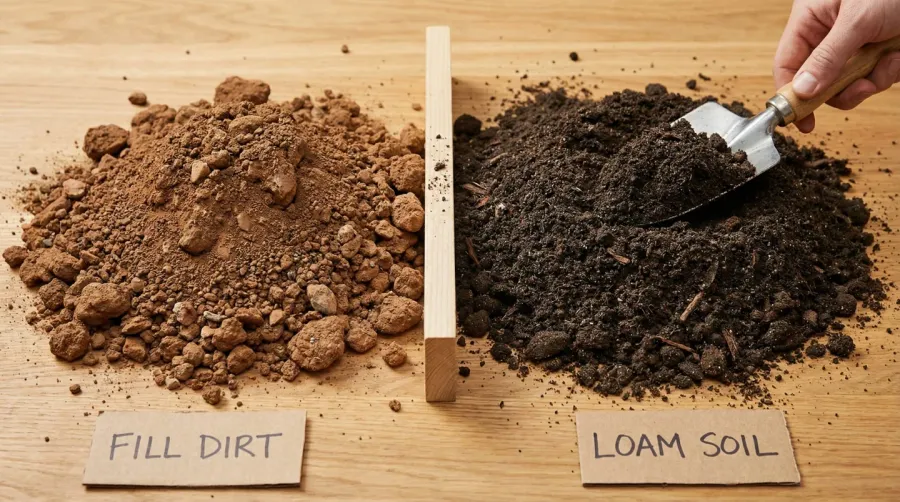
Fill dirt provides structural stability for construction projects, while loam offers the nutrient-rich environment plants need to thrive. This guide covers everything you need to know about both materials, including their compositions, best uses, and how to choose the right one for your specific project.
Quick Answer: Fill dirt is ideal for structural support and leveling, while loam is perfect for planting and gardening. Most successful projects use fill dirt as a stable base with loam or topsoil on top for plant growth.
About Hello Gravel
Hello Gravel delivers bulk gravel, rock, dirt, and sand by the ton. Enter your ZIP code to see prices with delivery included. A local dump-truck driver places the load where access is safe; spreading is not included.
What is fill dirt and when should you use it
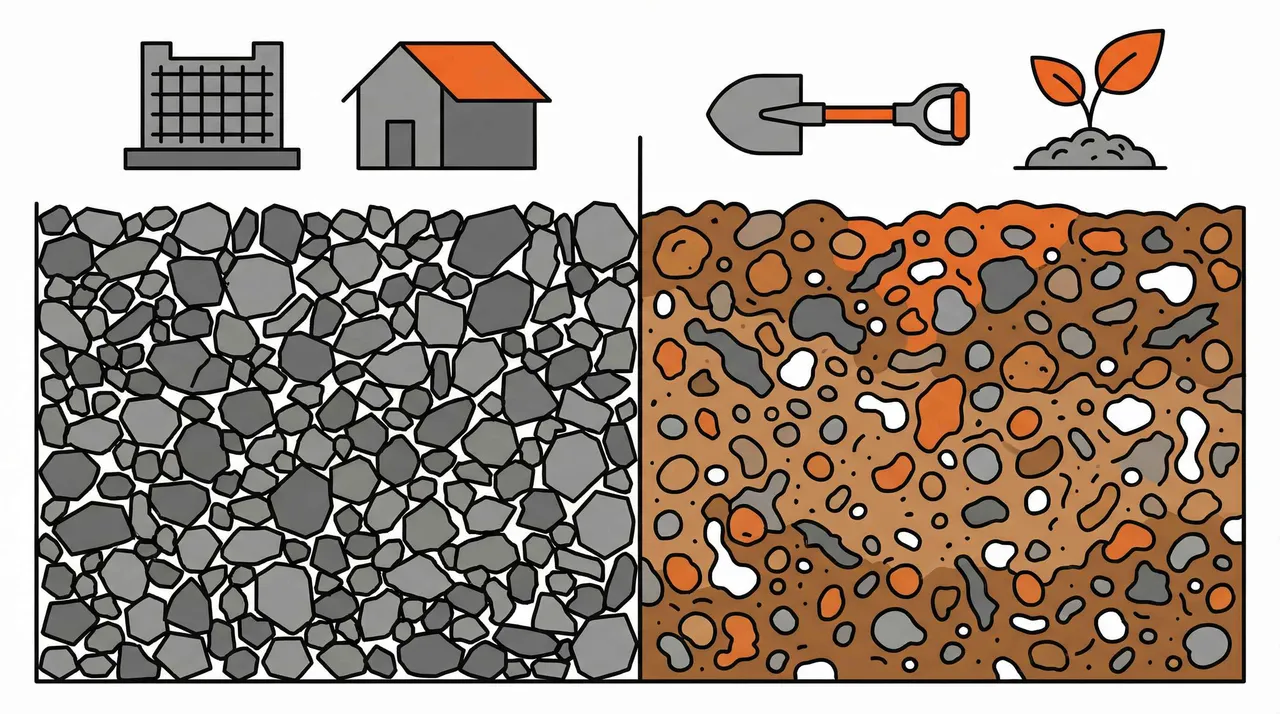
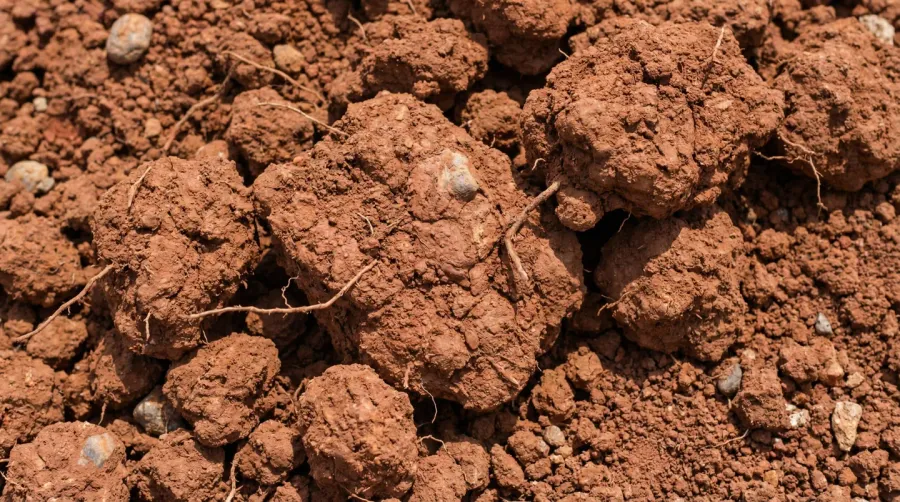
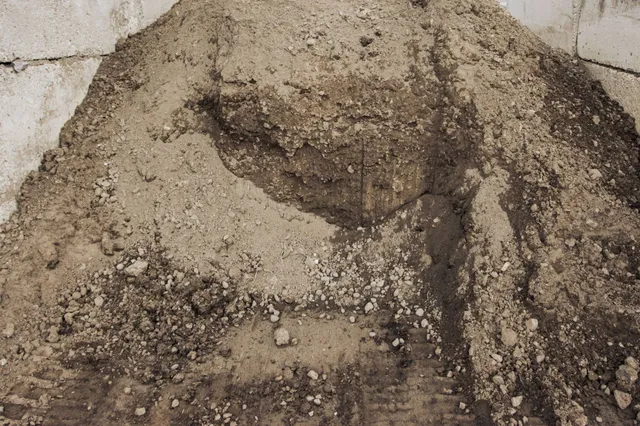
Fill dirt is subsoil material primarily composed of clay, sand, and silt with minimal organic matter. This composition makes it incredibly stable and resistant to settling over time.
The lack of organic content means fill dirt won’t decompose or shift unexpectedly, making it perfect for foundational work. You’ll typically find fill dirt in shades of brown, gray, or red, depending on the local soil composition in your area.
Best uses for fill dirt: – Building foundations and structural support – Leveling yards and filling low spots – Creating stable bases for patios and driveways – Road construction and large grading projects
Fill dirt compacts well under pressure, which is exactly what you want for construction projects. However, this same quality makes it unsuitable for planting since roots struggle to penetrate compacted soil. When comparing fill dirt vs gravel for base applications, both offer excellent stability, but fill dirt is typically more cost-effective for large-scale grading.
Understanding loam soil and its applications
Loam is often called the “gold standard” of soil because it contains the ideal mixture of sand, silt, clay, and organic matter. This balanced composition creates a crumbly texture that drains well while retaining moisture and nutrients.
You can identify quality loam by its dark color and rich, earthy smell. When you squeeze a handful, it should hold together briefly then crumble apart, indicating good structure for plant roots.
What makes loam special: – Balanced drainage that prevents waterlogging – Rich organic matter that feeds plants – Easy to work with for planting and amendments – Excellent water retention without becoming soggy
Loam typically contains 20-30% clay, 30-50% sand, and 30-50% silt, along with 3-5% organic matter. This combination creates the perfect environment for grass, vegetables, flowers, and trees to establish strong root systems. For those working with different soil variations, sandy loam offers similar benefits with improved drainage in wetter climates.
Pro Tip: Quality loam should feel neither too sandy nor too sticky when moist. If it feels gritty, it has too much sand. If it feels slippery, it contains too much clay.
Fill dirt vs loam comparison
| Feature | Fill Dirt | Loam |
|---|---|---|
| Organic Matter | Minimal (0-2%) | Rich (3-5%) |
| Drainage | Poor to moderate | Excellent |
| Compaction | High stability | Moderate |
| Plant Growth | Not suitable | Ideal |
| Best Uses | Structural support | Gardening/landscaping |
The fundamental difference lies in their intended purposes. Fill dirt prioritizes stability and structural integrity, while loam focuses on creating optimal growing conditions for plants.
Fill dirt’s dense composition makes it excellent for load-bearing applications but terrible for drainage and root development. Loam’s balanced structure allows water and air to move freely while providing nutrients plants need. If you’re dealing with clay-heavy soil, understanding its properties can help you determine whether amendments are needed or if you should opt for imported loam instead.
When to choose fill dirt: – You need structural support or leveling – The area won’t have plants growing in it – You’re building foundations, walkways, or driveways
When to choose loam: – You’re planting grass, gardens, or landscaping – You need good drainage with nutrient retention – You want soil that’s easy to work with
Loam vs topsoil and common terminology
Many people wonder if loam and topsoil are the same thing. The answer is nuanced: loam describes soil texture and composition, while topsoil refers to the upper layer of soil in any given area.
Topsoil can be loam, but it might also be sandy, clay-heavy, or rocky depending on your location. When suppliers sell “topsoil,” they’re usually offering screened soil from the upper layer of local sites.
Key distinctions: – Loam = specific texture and composition ideal for plants – Topsoil = whatever soil naturally occurs in the top 6-12 inches – Screened loam = processed loam with debris removed
“Screened loam” is often the best choice for gardening projects because it combines loam’s ideal composition with the convenience of having rocks, roots, and debris removed. Understanding clay loam can also help you identify soil variations that might work well for specific planting needs.
Common Confusion: “Loom” is a misspelling of “loam.” Both terms refer to the same balanced soil type perfect for gardening.
Practical project guidance and buying tips
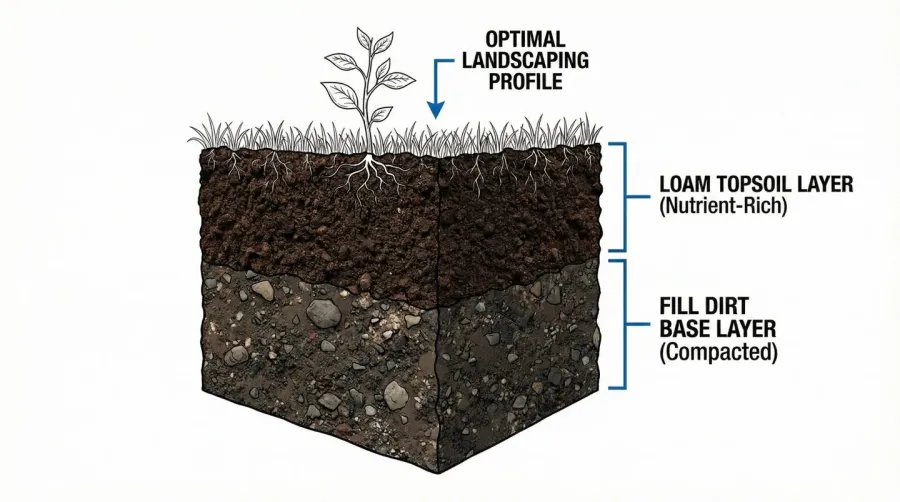
Most successful landscaping projects use a combination approach: fill dirt for structural support and stability, topped with loam or quality topsoil for plant growth.
For a new lawn, you might use fill dirt to level and grade the area, then add 4-6 inches of loam on top for grass establishment. This gives you both stability and growing conditions. When sourcing materials, consider clean fill options that are free from contaminants and debris for the best results.
Estimating material needs: Calculate cubic yards by multiplying length × width × depth (in feet), then divide by 27. For example, a 20×30 foot area needing 4 inches of material requires about 7.5 cubic yards.
Questions to ask suppliers: – Is the fill dirt clean and free of debris? – What’s the sand/silt/clay ratio in the loam? – Do you offer screened materials? – What’s included in delivery and spreading?
Hello Gravel simplifies this entire process with quality materials and reliable delivery. Their team can help you determine exactly what you need and ensure it arrives when your project is ready to proceed.
Choosing between fill dirt and loam doesn’t have to be complicated when you understand each material’s strengths. Fill dirt provides the structural foundation your project needs, while loam creates the growing environment your plants require. For most projects, using both materials strategically gives you the best of both worlds: stability where you need it and growing conditions where plants will thrive.
Frequently Asked Questions
Can I use loam as fill dirt for construction projects?
You should not use loam as structural fill because its higher organic matter content can decompose over time, causing settling and stability issues under patios, driveways, or foundations. Use compacted fill dirt for structural support and reserve loam for the top planting layer where you want vegetation to grow.
Is loam the same as topsoil?
No, loam and topsoil are not the same thing. Topsoil refers to the uppermost layer of soil in any given area and can vary widely in composition. Loam describes a specific soil texture with balanced proportions of sand, silt, clay, and organic matter. While quality topsoil is often loamy in texture, not all topsoil meets the balanced composition standards of true loam.
What does loam soil look and feel like?
Loam soil typically appears dark brown or black with visible organic particles and has a rich, earthy smell. When you squeeze a handful of moist loam, it holds together briefly then crumbles apart easily. It feels neither too gritty (like sand) nor too sticky (like clay), but has a smooth, balanced texture that’s easy to work with.
How deep should loam be for a new lawn?
For most new lawns, you should apply 4-6 inches of quality loam or loamy topsoil over a properly graded base. This depth provides adequate root space, moisture retention, and nutrient availability for grass establishment. For vegetable gardens and planting beds, 8-12 inches of loamy soil typically works better to support deeper root systems.
Materials for this project
Get it delivered — dumped where you need it
Fill Dirt
Grading & Backfill
See delivered price
View product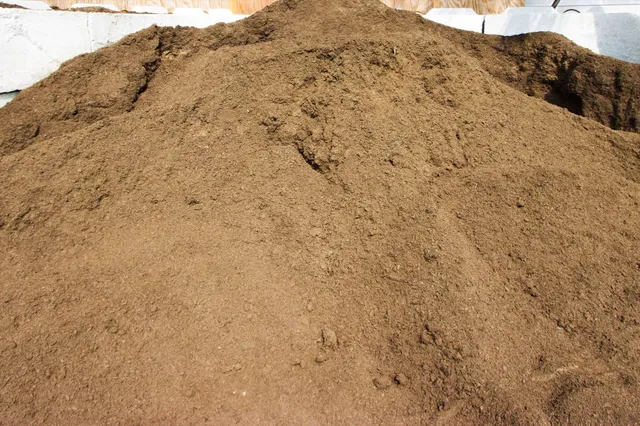
Topsoil
Lawn establishment & Garden beds
See delivered price
View product
Driveway Gravel
Driveways & Parking areas
See delivered price
View product
#57 Crushed Stone
Driveways & Drainage
See delivered price
View product
Road Base
Driveway base & Road construction
See delivered price
View product