
Clay vs Dirt (Which Fill Material Is Right for You)
Free local estimate
See delivered prices for your ZIP in 60 seconds
Tell us where the project is and we'll price this material — delivered — for your exact ZIP.
- Real delivered pricing for your ZIP — not a generic range.
- Works for any quantity — driveways, pads, drains, or full projects.
- Prefer to talk? We follow up with local availability and delivery windows.
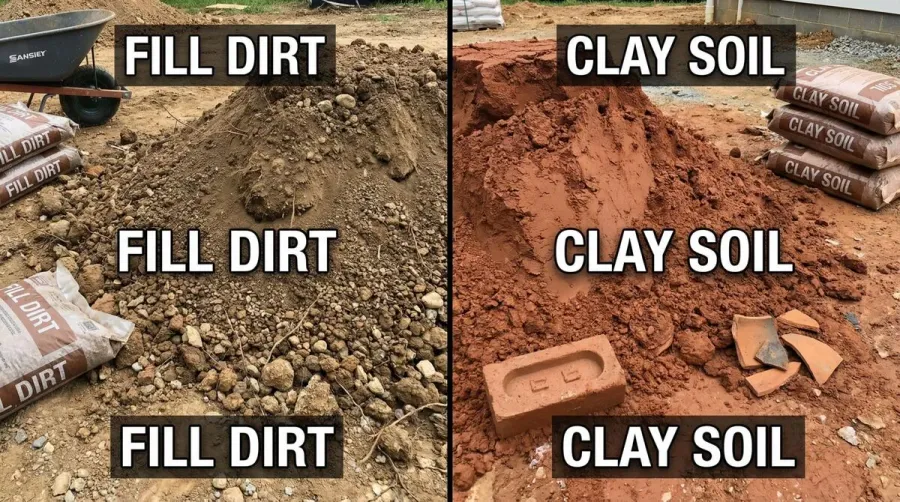
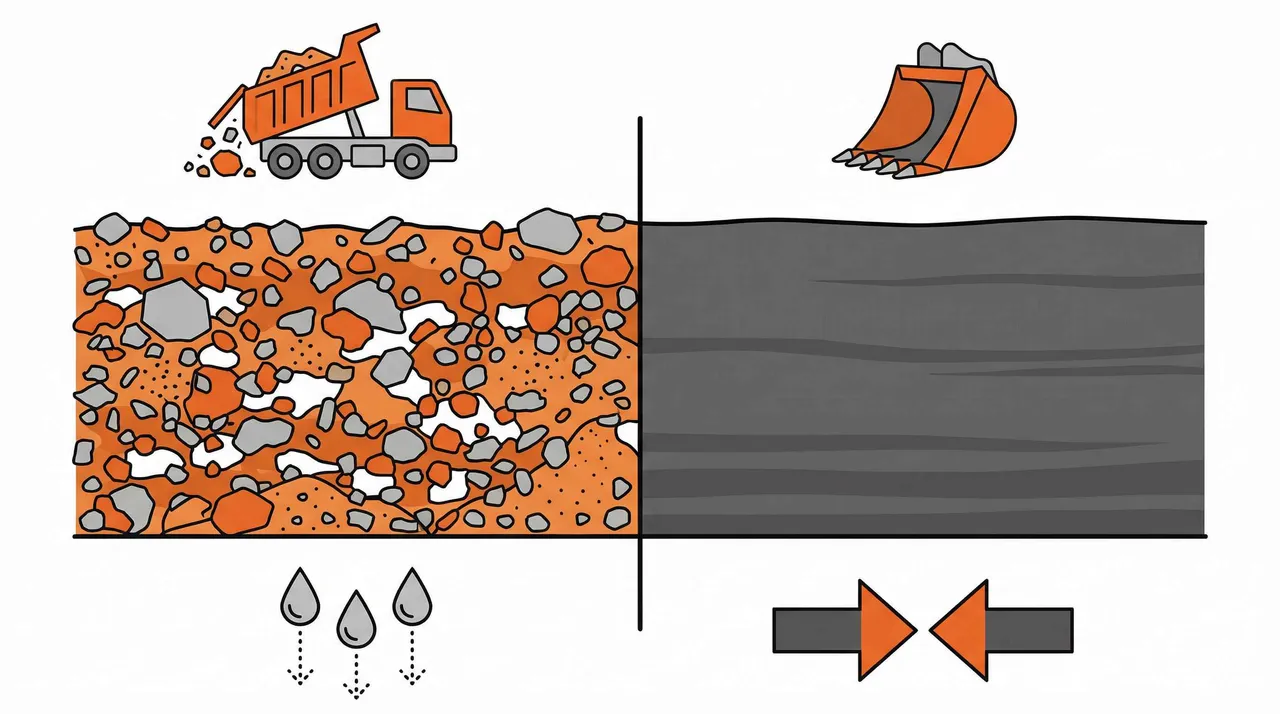
Choosing between fill dirt and clay for your construction or landscaping project can feel overwhelming, especially when both materials seem suitable for your needs. The key difference lies in their composition and intended use: fill dirt provides stability and excellent compaction for foundational work, while clay offers superior water retention and nutrient content for specific applications.
Quick Answer: Fill dirt is ideal for creating stable foundations and leveling surfaces, while clay works best for water retention projects and areas requiring nutrient-rich soil. Your choice depends on whether you prioritize stability or water management.
Understanding these materials’ unique properties will help you make the right decision for your project’s success. We’ll explore their characteristics, compare their advantages and disadvantages, examine their best applications, and provide guidance on selecting the perfect material for your specific needs.
About Hello Gravel
Hello Gravel delivers bulk gravel, rock, dirt, and sand by the ton. Enter your ZIP code to see prices with delivery included. A local dump-truck driver places the load where access is safe; spreading is not included.
Understanding fill dirt properties
Fill dirt, also known as subsoil, comes from the layer beneath topsoil and contains minimal organic matter. This composition makes it incredibly stable and resistant to settling over time. According to hellogravel.com/guides, fill dirt primarily consists of sand, silt, and small amounts of clay particles.
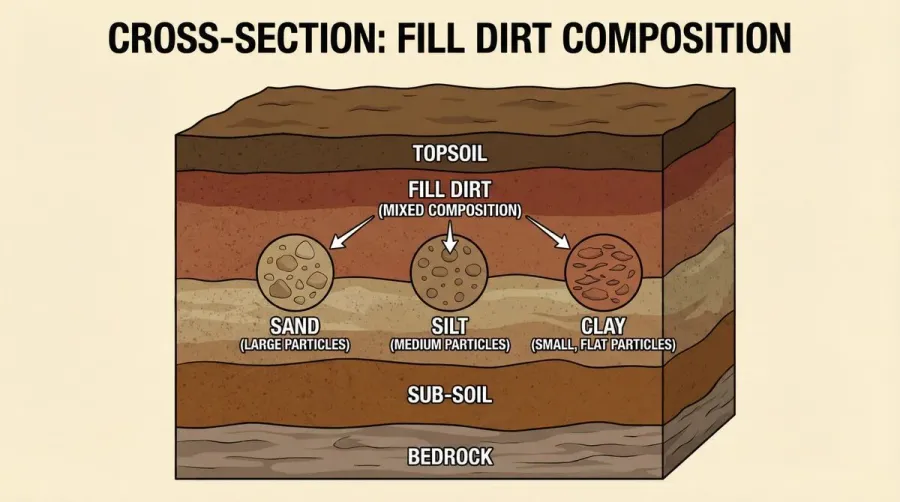
The absence of organic materials means fill dirt won’t decompose or create air pockets that could cause ground settling. This stability makes it perfect for construction projects where you need a solid, unchanging foundation. However, this same characteristic means fill dirt lacks the nutrients necessary for plant growth, making it unsuitable for gardening without additional amendments.
Fill dirt compacts exceptionally well under pressure, creating a dense, stable surface that can support heavy loads. This compaction ability is why contractors frequently choose fill dirt for building foundations, road bases, and other structural applications where long-term stability is crucial.
Clay soil characteristics and behavior
Clay consists of extremely fine particles that create unique properties compared to other soil types. These tiny particles give clay its distinctive sticky texture when wet and hard, compact surface when dry. hellogravel.com/guides notes that clay’s dense nature provides excellent water retention capabilities.
The nutrient-rich composition of clay makes it beneficial for plant growth in many situations. Clay particles can hold onto essential minerals and nutrients, slowly releasing them to plant roots over time. This characteristic makes clay soils valuable for certain landscaping applications where you want to support vegetation.
However, clay’s water retention properties can become problematic in areas with poor drainage. The fine particles pack tightly together, creating a barrier that prevents water from moving through easily. This can lead to waterlogging issues and make heavy clay challenging to work with during wet conditions.
Pro Tip: Clay becomes extremely difficult to work with when wet but can be rock-hard when completely dry. Plan your project timing around weather conditions for best results.
Comparing practical applications
The choice between fill dirt and clay often comes down to your project’s specific requirements. Fill dirt excels in situations where you need structural stability and don’t plan to grow plants directly in the material. Construction projects, foundation work, and general grading typically benefit from fill dirt’s non-settling properties.
| Property | Fill Dirt | Clay |
|---|---|---|
| Stability | Excellent | Good |
| Water Retention | Low | High |
| Plant Growth | Poor | Good |
| Compaction | Excellent | Moderate |
Clay works better when water retention is important or when you’re creating areas for future planting. Pond construction, garden bed preparation, and erosion control projects often benefit from clay’s water-holding abilities. Some landscaping projects use both materials strategically, with fill dirt providing the stable base and clay serving as the top layer for planting.
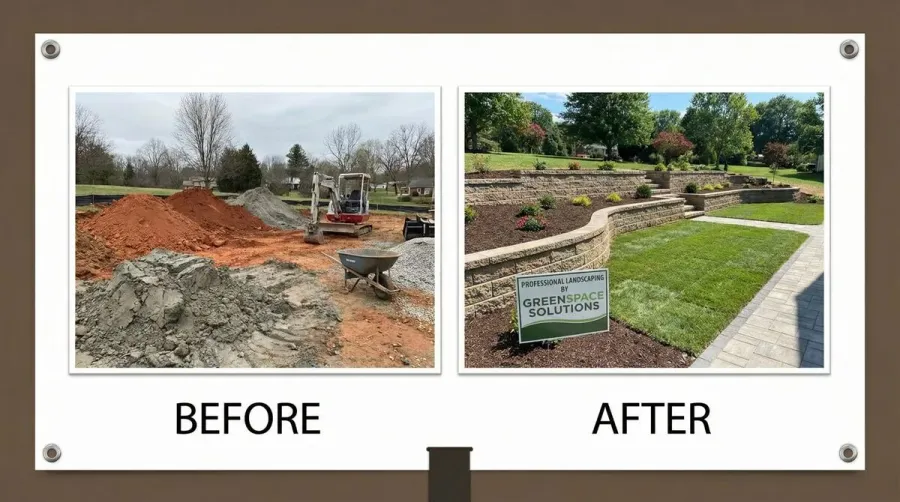
Consider your long-term goals when making this decision. If you’re planning to add topsoil later for planting, fill dirt provides an excellent stable foundation. If you need immediate water retention or plan to plant directly in the material after amendments, clay might serve your needs better.
Making the right choice for your project
Your project’s specific requirements should guide your material selection. Choose fill dirt when you need maximum stability, plan to build structures, or want to create level surfaces that won’t settle over time. This material works particularly well for driveway construction, building foundations, and areas where you’ll add other materials later.
Key Insight: Many successful projects combine both materials strategically. Use fill dirt for the stable base layer and clay for specific applications like water features or future planting areas.
Select clay when your project involves water management, erosion control, or areas where you plan to support plant growth. Clay’s natural water retention makes it valuable for pond linings, garden beds, and slopes where you want to prevent washouts during heavy rains.
Consider consulting with material suppliers about your specific project requirements. Companies like Hello Gravel can help you determine the right quantities and combinations of materials based on your project’s scope and local soil conditions. They often provide delivery services that can save you time and ensure you get the right materials for your specific application.
Remember that both materials can work together effectively in many projects. Understanding their individual strengths helps you create a plan that takes advantage of each material’s best properties while minimizing their limitations.
The success of your project depends on matching the right material to your specific needs. Take time to evaluate your project goals, drainage requirements, and future plans before making your final decision. With the right material choice, you’ll create a foundation for long-term project success.
FAQ
What is the main difference between fill dirt and clay?
Fill dirt is subsoil composed of sand, silt, and small amounts of clay particles, with minimal organic matter that makes it extremely stable and resistant to settling. Clay consists of very fine particles (less than 0.002mm) that create a sticky, plastic texture when wet and provide excellent water retention. The key difference is that fill dirt prioritizes stability for construction foundations, while clay offers superior water retention and nutrient content for specific landscaping applications.
Can I use clay as fill dirt for foundations?
Yes, clay can be used as fill dirt for foundations, but it requires careful moisture management and proper compaction techniques. Clay fill dirt with over 50% clay content provides excellent compaction and low void space, making it suitable for load-bearing structures. However, clay’s tendency to expand and shrink with moisture changes means you need to maintain optimal moisture levels during installation and ensure proper drainage around the foundation to prevent water-related issues.
Which material is better for drainage – fill dirt or clay?
Fill dirt is significantly better for drainage than clay. Fill dirt’s composition of sand, silt, and small clay particles allows water to move through more easily, preventing waterlogging issues. Clay’s extremely fine particles pack tightly together, creating a barrier that prevents water from moving through easily, which can lead to poor drainage and waterlogging. If you need good drainage for your project, choose fill dirt or consider mixing clay with sand to improve its drainage properties.
When should I choose clay over fill dirt for my project?
Choose clay over fill dirt when your project requires water retention, erosion control, or nutrient-rich soil for future planting. Clay works best for pond construction, garden bed preparation, areas where you want to prevent water runoff, and slopes where you need to control erosion during heavy rains. Clay’s ability to hold onto essential minerals and nutrients makes it valuable for landscaping projects where you plan to support vegetation, unlike fill dirt which lacks nutrients necessary for plant growth.
Materials for this project
Get it delivered — dumped where you need it
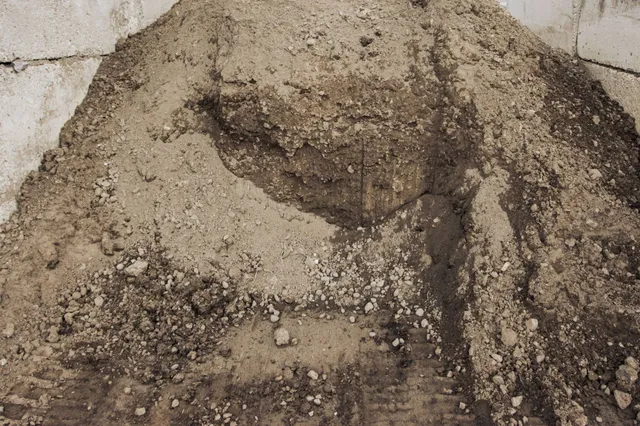
Fill Dirt
Grading & Backfill
See delivered price
View product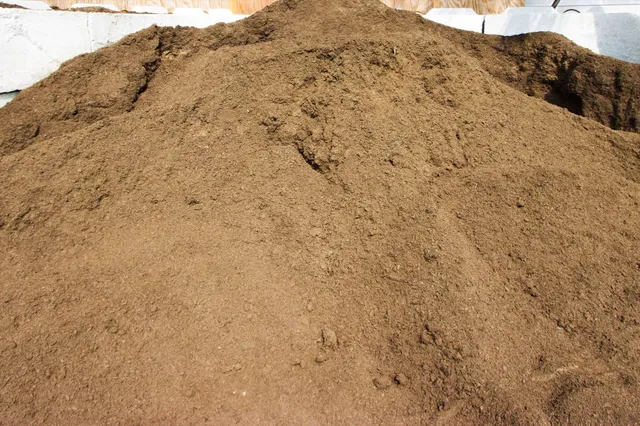
Topsoil
Lawn establishment & Garden beds
See delivered price
View product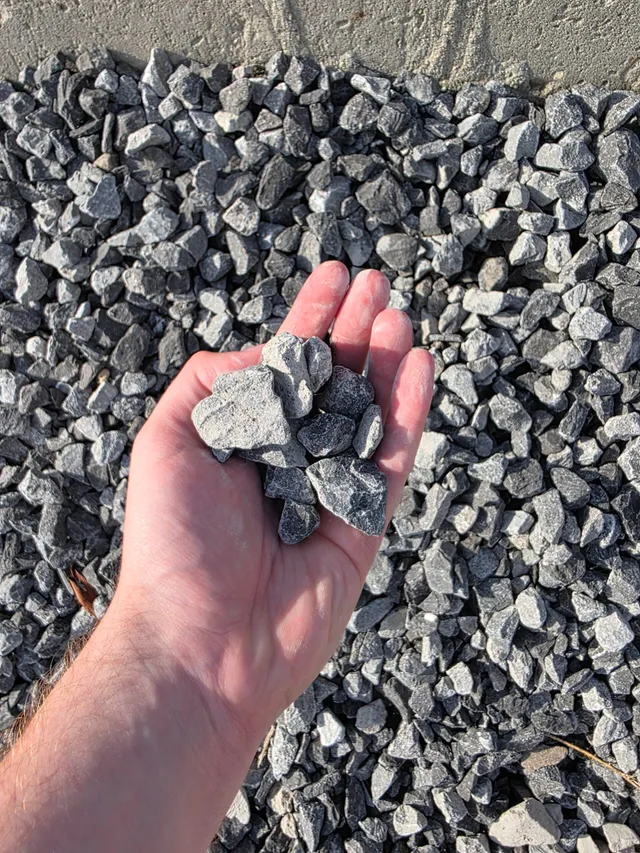
Driveway Gravel
Driveways & Parking areas
See delivered price
View product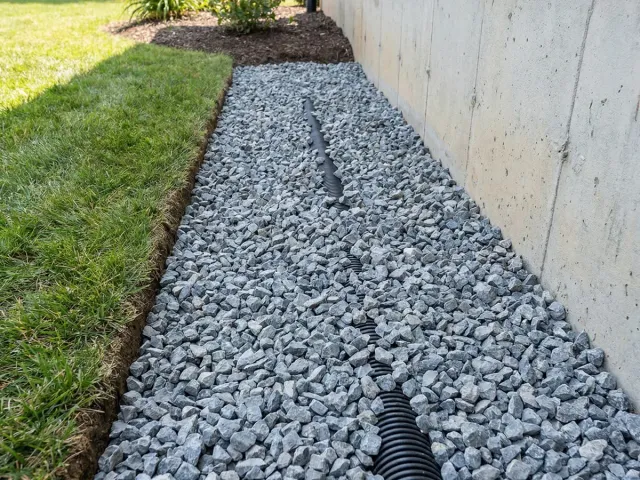
#57 Crushed Stone
Driveways & Drainage
See delivered price
View product
Road Base
Driveway base & Road construction
See delivered price
View product