
Black Dirt vs Fill Dirt (Which Should You Use)
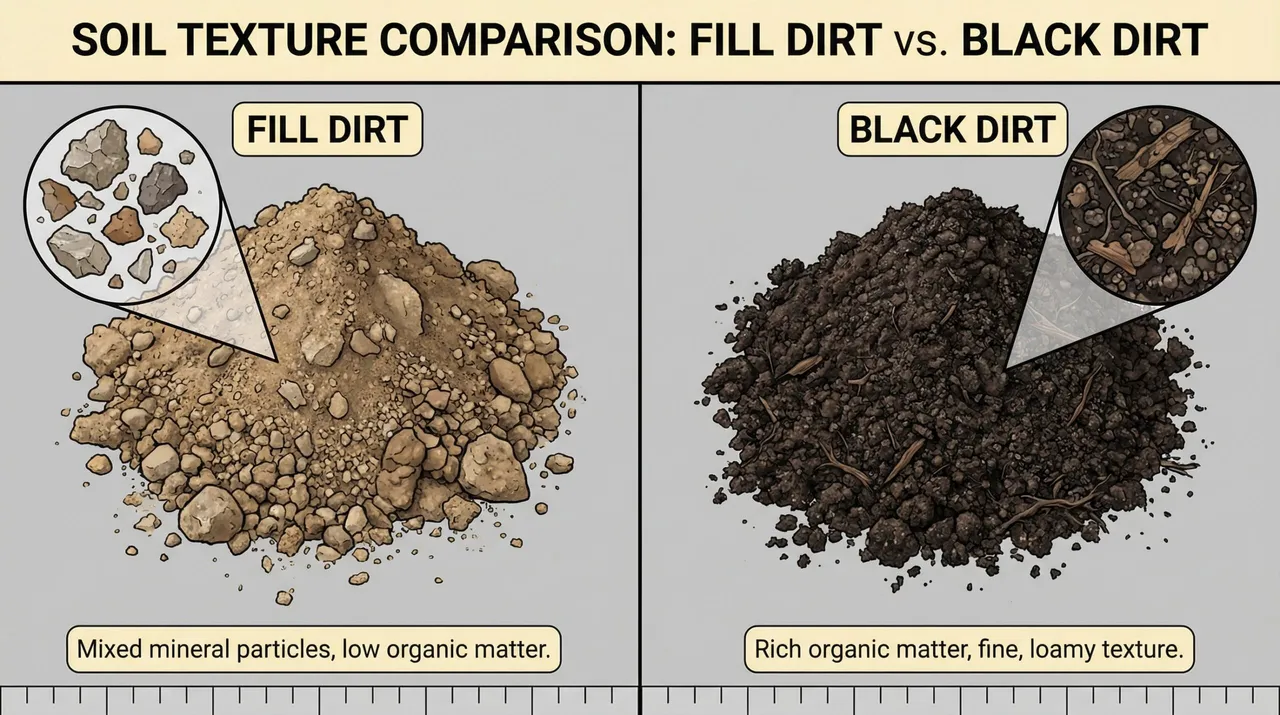
Choosing between fill dirt and black dirt can make or break your landscaping project. Fill dirt is dense, compactable soil perfect for building stable foundations and leveling yards, while black dirt (topsoil) is nutrient-rich soil designed for growing healthy plants and lawns. Using the wrong type can lead to settling foundations, poor drainage, or struggling gardens.
Quick Answer: Use fill dirt for structural projects like leveling and building pads. Use black dirt for anything that needs to grow, like lawns, gardens, and flower beds.
The key difference comes down to purpose. Fill dirt provides stability and structure, while black dirt provides nutrients and drainage for plant growth. Understanding when to use each will save you money and prevent costly mistakes down the road.
About Hello Gravel
Hello Gravel delivers bulk gravel, rock, dirt, and sand by the ton. Enter your ZIP code to see prices with delivery included. A local dump-truck driver places the load where access is safe; spreading is not included.
Quick comparison: Fill dirt vs black dirt
Here’s how these two soil types stack up against each other:
| Property | Fill Dirt | Black Dirt (Topsoil) |
|---|---|---|
| Main purpose | Structural support, leveling | Plant growth, landscaping |
| Organic matter | Very low (less than 5%) | High (15-25%) |
| Drainage | Poor, compacts tightly | Excellent, loose texture |
| Best for | Building pads, filling low spots | Lawns, gardens, flower beds |
| Not recommended for | Planting areas | Foundation work, heavy loads |
If you’re building or grading, choose fill dirt. If you’re planting or creating a lawn, go with black dirt. Many projects actually use both – fill dirt as a base layer with black dirt on top.
What is fill dirt and when should you use it
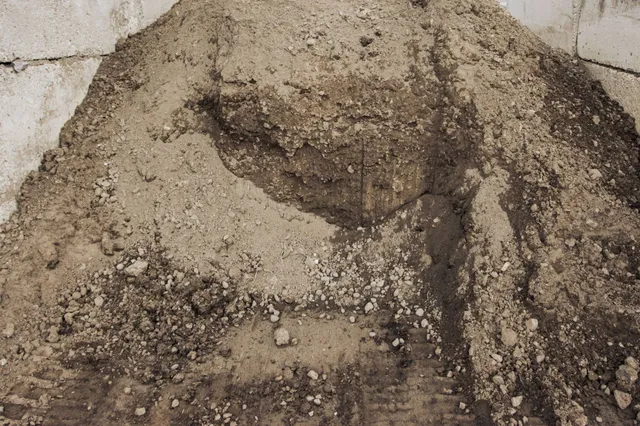
Fill dirt is subsoil that’s been stripped of organic matter, making it dense and compactable. Think of it as nature’s concrete – it packs down tight and stays put. This soil typically contains clay, sand, and silt but very little organic material that would decompose and cause settling.
The main advantage of fill dirt is its stability. When you need to raise the grade around your house, fill in a low spot in your yard, or create a level base for a patio, fill dirt won’t shift or settle over time like organic-rich soils would.
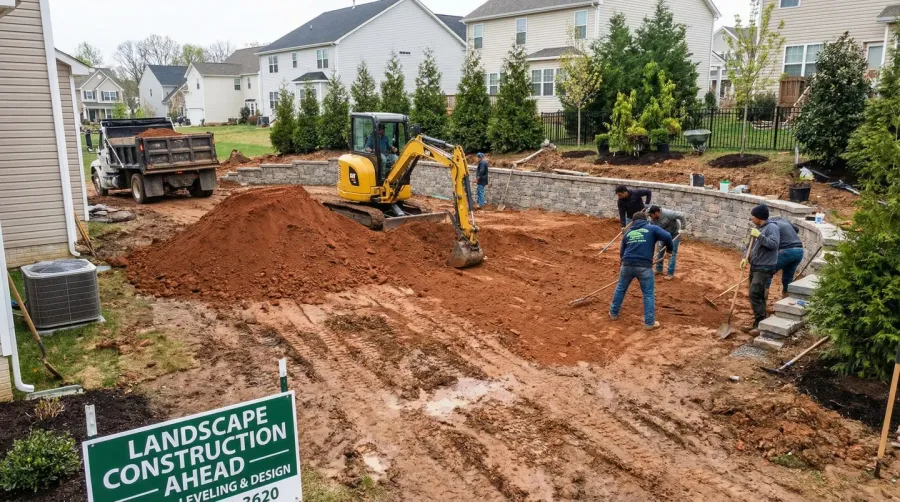
You should use fill dirt when you need to change the elevation of your property, fill in holes or depressions, or create a stable foundation for hardscaping projects. It’s also perfect for backfilling around retaining walls or building up areas for proper drainage away from your home.
However, don’t expect anything to grow in pure fill dirt. The lack of nutrients and poor drainage make it unsuitable for planting. If you try to establish a lawn directly on fill dirt, you’ll end up with patchy, struggling grass that never quite takes off.
What is black dirt and why plants love it
Black dirt, also called topsoil, is the nutrient-rich layer that naturally forms at the earth’s surface. Its dark color comes from decomposed organic matter like leaves, roots, and other plant material that has broken down over time. This organic content is what makes black dirt so valuable for growing plants.
The loose, crumbly texture of black dirt allows plant roots to penetrate easily and access oxygen. It also holds moisture without becoming waterlogged, creating ideal conditions for root development. The organic matter slowly releases nutrients that feed plants naturally.
Pro Tip: Quality black dirt should feel soft and crumbly in your hands, not hard or clay-like. It should also have an earthy smell, not a sour or chemical odor.
Use black dirt anywhere you want plants to thrive. This includes new lawns, garden beds, around trees and shrubs, and in planting containers. The rich nutrient content means you’ll need less fertilizer, and the good drainage prevents root rot and other moisture-related problems.
The main downside of black dirt is that it’s not suitable for structural applications. Its loose texture means it will settle and shift under weight, making it a poor choice for building foundations or supporting heavy loads.
Key differences that matter for your project
The biggest difference between fill dirt and black dirt is how they handle water and weight. Fill dirt compacts under pressure and sheds water, while black dirt stays loose and absorbs moisture. This fundamental difference determines where each soil type works best.
Fill dirt’s dense structure makes it ideal when you need stability. It won’t settle significantly over time, and it provides a solid base for construction projects. The poor drainage that makes fill dirt unsuitable for plants actually helps when you’re trying to direct water away from foundations.
Black dirt’s loose structure and high organic content make it perfect for plant growth but terrible for structural support. The organic matter will continue to decompose over time, causing the soil to settle. This settling is fine for garden beds but problematic under patios or walkways.
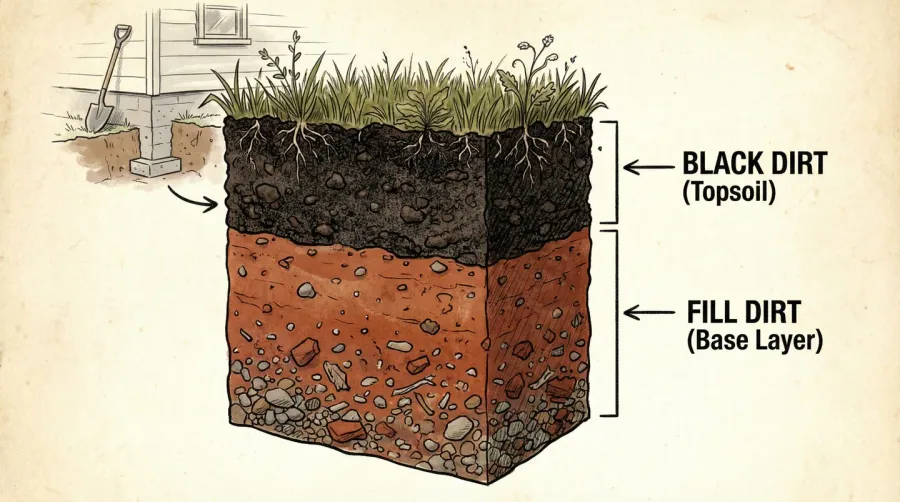
Understanding drainage is crucial for project success. Fill dirt’s poor drainage can cause water to pool on the surface, while black dirt’s good drainage allows water to penetrate and reach plant roots. Choose based on whether you want water to stay on top or soak in.
Which soil should you choose for common projects
For leveling your yard or filling low spots, use fill dirt as your main material. It provides the stability needed to prevent future settling and creates proper drainage slopes. If you plan to plant grass over the filled area, add 3-4 inches of black dirt on top of the compacted fill dirt.
When building patios, walkways, or other hardscaping features, you might want to consider fill dirt vs gravel for the base. Fill dirt’s compactable nature creates a stable foundation that won’t shift under the weight of pavers or concrete. Never use black dirt under hardscaping – the organic matter will decompose and cause uneven settling.
Money-Saving Tip: Most residential projects benefit from using both soil types. Use cheaper fill dirt for the bulk of the work, then add a layer of black dirt only where you need plants to grow.
For new lawns and garden beds, black dirt is essential. Grass roots need the nutrients and drainage that only organic-rich topsoil can provide. Plan for at least 4-6 inches of quality black dirt for a healthy lawn, and 8-12 inches for vegetable gardens and flower beds. If you’re working with different soil conditions, understanding sandy loam or clay loam options can also be beneficial.
Around foundations and retaining walls, use fill dirt for backfilling. Its poor drainage actually helps direct water away from structures, and its stability prevents settling that could damage foundations. Keep black dirt and other organic materials away from your home’s foundation to prevent moisture problems.
The combination approach works well for most homeowners. Use fill dirt to establish proper grades and create stable bases, then add black dirt only in areas where you want plants to grow. This strategy gives you the benefits of both soil types while keeping costs reasonable. For projects requiring specific drainage properties, you might also explore clean fill as an alternative option.
Understanding the difference between fill dirt and black dirt helps you make smart decisions for your landscaping and construction projects. Fill dirt provides the stability and drainage control needed for structural work, while black dirt creates the growing conditions plants need to thrive. When you’re ready to move forward with your project, Hello Gravel can help you calculate quantities and arrange delivery of the right soil for your specific needs.
FAQ
Is black dirt the same as topsoil?
Black dirt and topsoil are similar but not identical. Black dirt is typically darker due to iron and organic matter, making it good for basic landscaping and lawns. However, quality varies by supplier. High-quality screened topsoil usually contains more consistent organic matter and nutrients, making it better for intensive gardening and vegetable beds.
Can you use fill dirt for a lawn?
Fill dirt can be used to level and build up the base of a lawn area, but it should be topped with 4-6 inches of black dirt or topsoil before planting grass. Fill dirt alone lacks the organic matter and nutrients needed for healthy lawn growth and can become too compacted for proper root development.
How much does a yard of black dirt weigh?
A cubic yard of black dirt typically weighs between 1,800-2,400 pounds, depending on moisture content and composition. Dry black dirt weighs less, while wet or clay-heavy black dirt weighs more. Always confirm weight specifications with your supplier for accurate delivery planning and equipment requirements.
What type of dirt is best for filling low spots in my yard?
For deep low spots or significant grade changes, use compactable fill dirt as the base material because it creates stable, non-settling foundation. For shallow depressions in lawn areas, fill with compacted fill dirt and top with 3-4 inches of black dirt or topsoil so grass can establish and grow properly on the surface.
Materials for this project
Get it delivered — dumped where you need it
Fill Dirt
Grading & Backfill
See delivered price
View product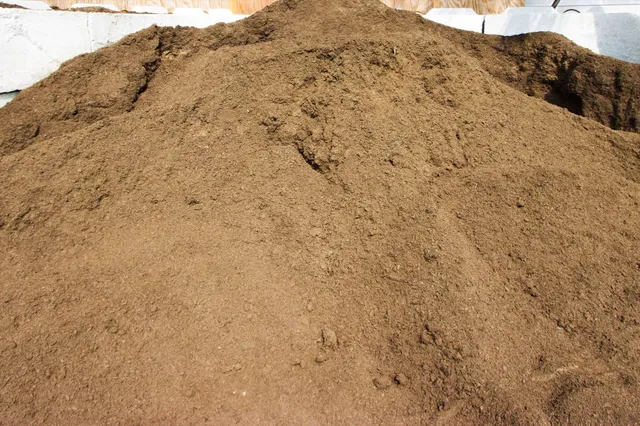
Topsoil
Lawn establishment & Garden beds
See delivered price
View product
Driveway Gravel
Driveways & Parking areas
See delivered price
View product
#57 Crushed Stone
Driveways & Drainage
See delivered price
View product
Road Base
Driveway base & Road construction
See delivered price
View product