
Blue Stone Gravel Driveway Guide (Benefits and Installation)
Free local estimate
See delivered prices for your ZIP in 60 seconds
Tell us where the project is and we'll price this material — delivered — for your exact ZIP.
- Real delivered pricing for your ZIP — not a generic range.
- Works for any quantity — driveways, pads, drains, or full projects.
- Prefer to talk? We follow up with local availability and delivery windows.
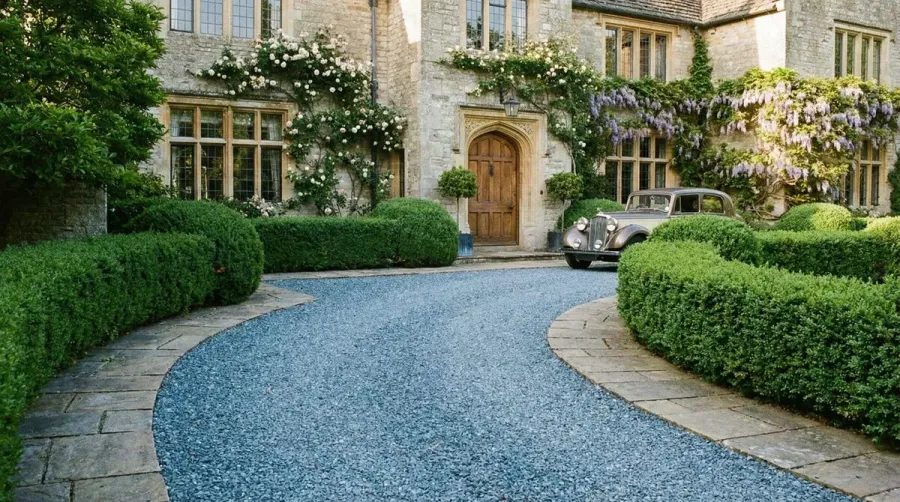
Thinking about upgrading your driveway with blue stone gravel? You’re looking at one of the most durable and visually appealing options available. Blue stone gravel offers superior drainage, exceptional longevity, and timeless aesthetic appeal that complements any architectural style. This natural sedimentary stone, primarily composed of quartz, feldspar, and mica, creates driveways that can last decades with minimal maintenance.
Quick Answer: Blue stone gravel driveways cost $4-8 per square foot installed and offer superior drainage, durability, and aesthetic appeal compared to traditional asphalt or concrete options.
Whether you’re planning a complete driveway renovation or exploring alternatives to asphalt, this guide walks you through everything you need to know about blue stone gravel driveways, from understanding the material to installation and long-term care.
About Hello Gravel
Hello Gravel delivers bulk gravel, rock, dirt, and sand by the ton. Enter your ZIP code to see prices with delivery included. A local dump-truck driver places the load where access is safe; spreading is not included.
What is blue stone gravel and why choose it
Blue stone gravel comes from sedimentary rock formations, primarily quarried in Pennsylvania and New York. The stone gets its distinctive blue-gray coloration from its mineral composition, which includes quartz, feldspar, and mica layers formed over millions of years.
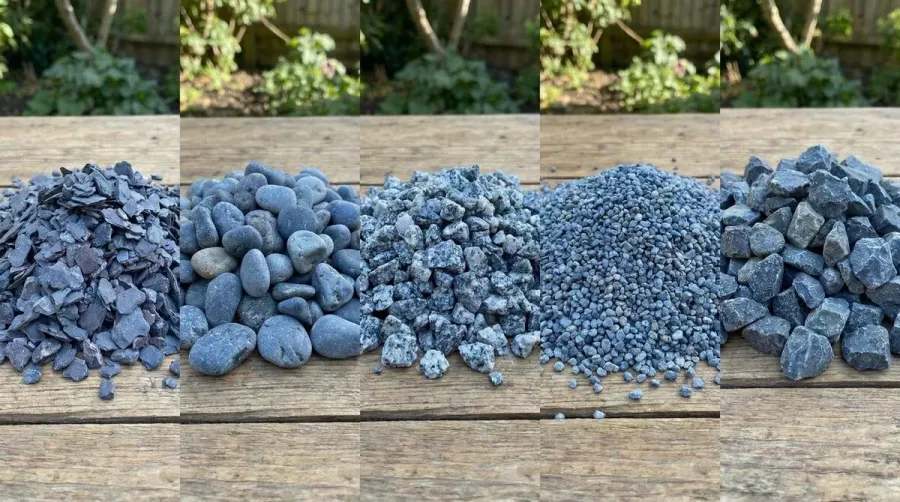
What sets blue stone apart from regular gravel is its natural resistance to weathering and erosion. The dense composition means it won’t break down quickly under vehicle weight or harsh weather conditions. You’ll find three main varieties available for driveways.
Pennsylvania blue stone offers a refined bluish-gray appearance with smooth surfaces, making it popular for upscale residential projects. New York blue stone provides more vibrant blue tones with natural variations that create a rustic, organic look. Crushed blue stone consists of smaller fragments that compact well, perfect for high-traffic areas.
The porous nature of blue stone allows excellent water drainage, preventing puddle formation and reducing water damage risks. This makes it particularly valuable in areas with heavy rainfall or poor natural drainage.
Key benefits that make blue stone gravel superior
The aesthetic appeal of blue stone gravel immediately sets it apart from standard driveway materials. The natural color variations create visual interest without appearing busy or overwhelming. Whether your home features traditional, modern, or rustic architecture, blue stone gravel complements the design seamlessly.
Durability stands as perhaps the most compelling reason to choose blue stone gravel. Unlike asphalt that cracks in freeze-thaw cycles or concrete that develops unsightly fissures, blue stone gravel maintains its integrity through extreme weather conditions. The individual stones can shift slightly to accommodate ground movement without creating structural problems.
The drainage properties of blue stone gravel solve common driveway issues. Water flows through the spaces between stones rather than pooling on the surface. This prevents ice formation in winter and eliminates the standing water that can damage other driveway materials over time.
Maintenance Advantage: Blue stone gravel driveways require only periodic raking and occasional stone replenishment, compared to the regular sealing and crack repair needed for asphalt driveways.
Maintenance requirements remain minimal compared to other driveway options. You won’t need to seal the surface annually or repair cracks that develop over time. Simple raking to redistribute stones and occasional addition of fresh gravel keeps the driveway looking excellent for years.
Installation process for lasting results
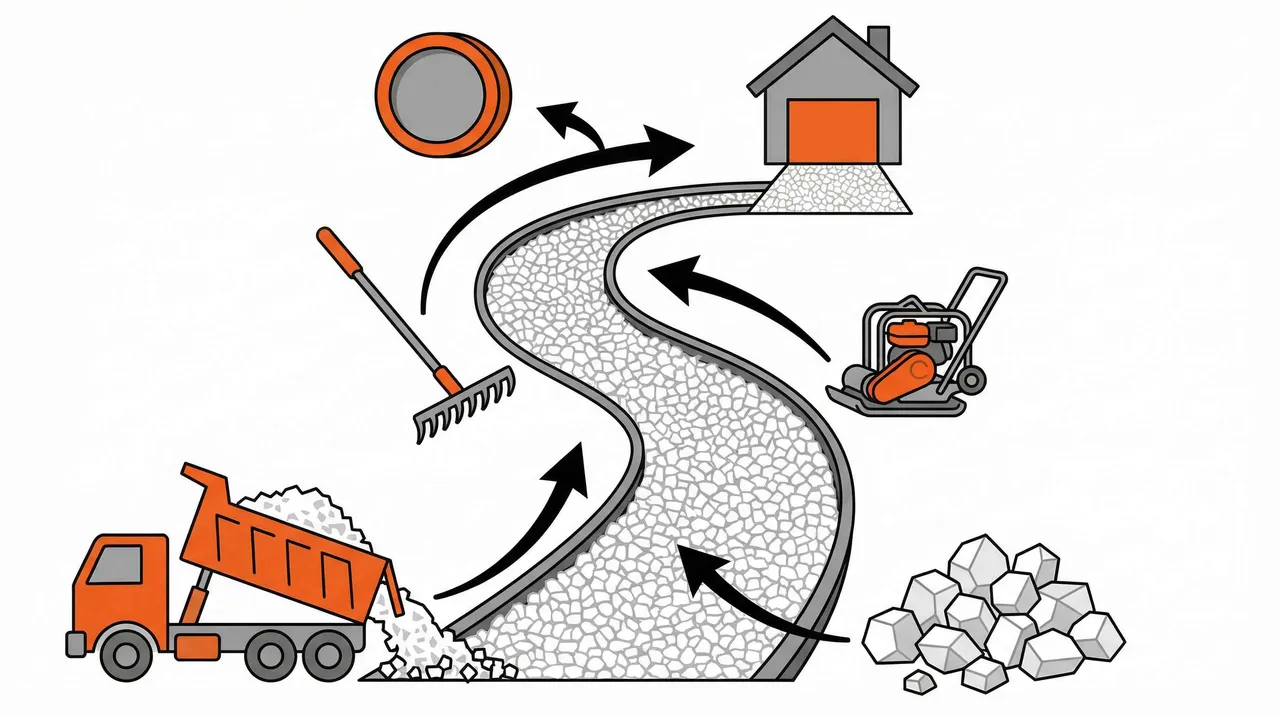
Proper preparation forms the foundation of a successful blue stone gravel driveway. Start by removing existing driveway material and excavating to the proper depth, typically 4-6 inches depending on your soil conditions and expected traffic load.
Creating proper drainage involves grading the excavated area with a slight slope away from your home and any structures. Install landscape fabric over the prepared base to prevent weed growth while allowing water to pass through. This fabric also helps prevent the gravel from mixing with the underlying soil.
The installation process begins with spreading a base layer of larger crushed stone, typically 2-3 inches thick. Compact this base thoroughly using a mechanical compactor to create a stable foundation. This step prevents settling and ensures long-term stability. For more details on selecting the best base rock for driveway projects, consider the specific soil conditions and climate in your area.Apply the blue stone gravel in layers, starting with larger pieces and finishing with your chosen decorative size. Most homeowners prefer 3/4-inch blue stone for the top layer, as it provides good traction while maintaining an attractive appearance. Understanding gravel sizes for driveway applications can help you make the right choice for your specific needs. Compact each layer lightly to settle the stones without over-compacting.
Install edging materials like concrete, brick, or metal strips to contain the gravel and maintain clean lines. Proper edging prevents gravel migration onto adjacent areas and gives your driveway a finished, professional appearance.
| Installation Component | Purpose | Typical Cost Range |
|---|---|---|
| Excavation & Grading | Proper foundation | $2-3 per sq ft |
| Base Layer | Stability | $1-2 per sq ft |
| Blue Stone Gravel | Surface material | $3-5 per sq ft |
| Edging | Containment | $5-15 per linear ft |
Maintenance and cost considerations
Regular maintenance for blue stone gravel driveways involves simple tasks that most homeowners can handle themselves. Rake the surface monthly to redistribute stones and maintain an even appearance. Remove debris like leaves and twigs using a leaf blower or broom, avoiding metal rakes that might damage the stone surface.Inspect your driveway seasonally for signs of erosion or displacement, particularly after heavy rains or snow removal. Address low spots promptly by adding fresh gravel and compacting gently. This prevents water pooling and maintains proper drainage. If you’re dealing with weed issues, check out our guide on the best weed killer for gravel surfaces to keep your driveway pristine.
Winter care requires special attention to preserve your investment. Use snow plows with rubber blades to avoid damaging the gravel surface. Avoid salt or chemical deicers that can accelerate stone erosion. Sand provides better traction without causing long-term damage to the blue stone.
Cost Insight: While initial installation costs $4-8 per square foot, blue stone gravel driveways often cost less over 20 years than asphalt due to minimal maintenance requirements.
The initial investment for blue stone gravel driveways ranges from $4-8 per square foot installed, depending on your location and stone quality. This compares favorably to concrete driveways at $6-12 per square foot and offers better long-term value than asphalt at $3-7 per square foot when you factor in maintenance costs. To calculate your specific needs, use our how much gravel do I need for a driveway calculator.
Long-term expenses remain minimal with blue stone gravel. Budget for occasional stone replenishment every 5-10 years, typically costing $1-2 per square foot. Compare this to asphalt driveways requiring sealing every 2-3 years and major repairs every 10-15 years. If you’re exploring other options, consider reviewing different types of driveway gravel to see how blue stone stacks up against alternatives.
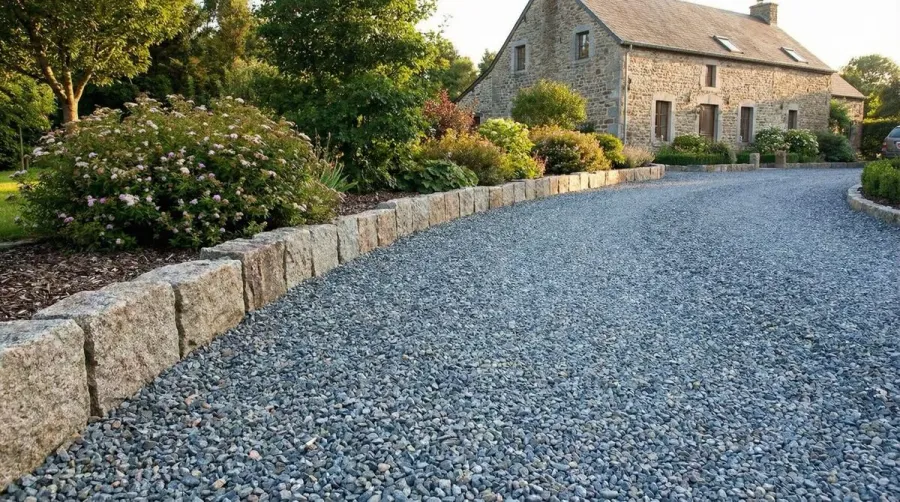
Blue stone gravel driveways offer an excellent combination of durability, aesthetic appeal, and practical benefits that make them a smart investment for most homeowners. The natural drainage properties, minimal maintenance requirements, and timeless appearance create lasting value that often exceeds the initial cost difference compared to other materials. When properly installed and maintained, your blue stone gravel driveway will provide decades of reliable service while enhancing your property’s curb appeal.
FAQ
What is blue stone gravel and how is it different from regular gravel?
Blue stone gravel is crushed from natural sedimentary rock formations containing quartz, feldspar, and mica, which gives it its distinctive blue-gray coloration. Unlike regular gravel, blue stone has superior resistance to weathering and erosion due to its dense composition. The angular shape of crushed blue stone also allows it to compact and lock together better than rounded gravel, providing greater stability for driveways.
How much does a blue stone gravel driveway cost?
Blue stone gravel driveways cost $4-8 per square foot installed, including materials and labor. While this may be slightly higher than asphalt initially, blue stone offers better long-term value due to minimal maintenance requirements. You’ll only need occasional stone replenishment every 5-10 years at $1-2 per square foot, compared to asphalt that requires sealing every 2-3 years and major repairs every 10-15 years.
What size blue stone gravel is best for driveways?
For driveway surfaces, 3/4-inch blue stone gravel is most commonly recommended as it provides good traction while maintaining an attractive appearance. For the base layer, use larger 2-3 inch crushed stone to create stability. The installation typically involves a base layer of larger stones, followed by the decorative 3/4-inch top layer that compacts well and handles vehicle traffic effectively.
How do you maintain a blue stone gravel driveway?
Blue stone gravel driveways require minimal maintenance compared to other materials. Rake the surface monthly to redistribute stones and maintain evenness. Remove debris with a leaf blower or broom, and inspect seasonally for erosion or displacement. In winter, use snow plows with rubber blades and avoid salt or chemical deicers that can damage the stone. Add fresh gravel to low spots as needed to maintain proper drainage.
Materials for this project
Get it delivered — dumped where you need it
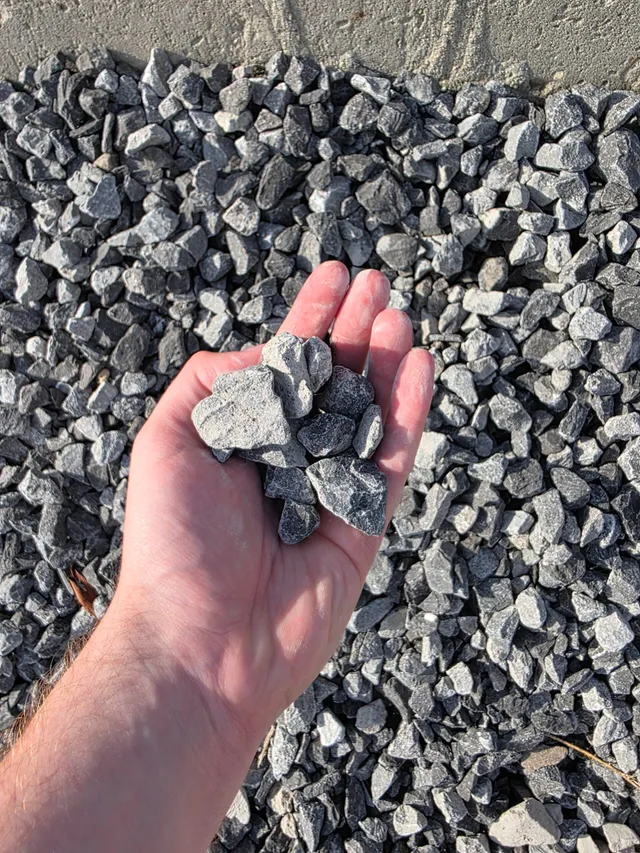
Driveway Gravel
Driveways & Parking areas
See delivered price
View product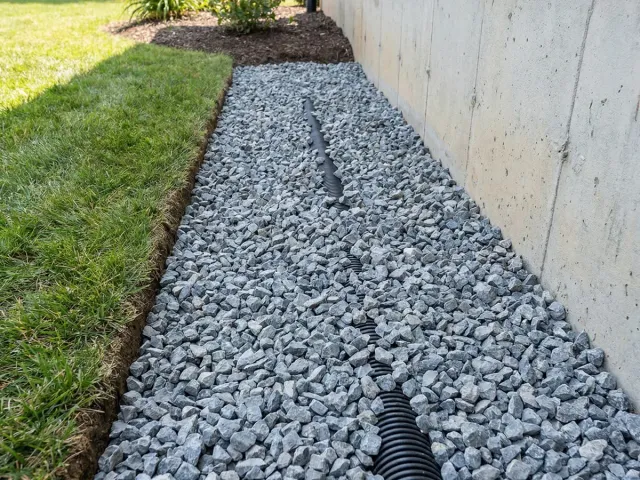
#57 Crushed Stone
Driveways & Drainage
See delivered price
View product
Fill Dirt
Grading & Backfill
See delivered price
View product
Topsoil
Lawn establishment & Garden beds
See delivered price
View product
Road Base
Driveway base & Road construction
See delivered price
View product