
Best Weed Killer for Gravel Driveways
Free local estimate
See delivered prices for your ZIP in 60 seconds
Tell us where the project is and we'll price this material — delivered — for your exact ZIP.
- Real delivered pricing for your ZIP — not a generic range.
- Works for any quantity — driveways, pads, drains, or full projects.
- Prefer to talk? We follow up with local availability and delivery windows.
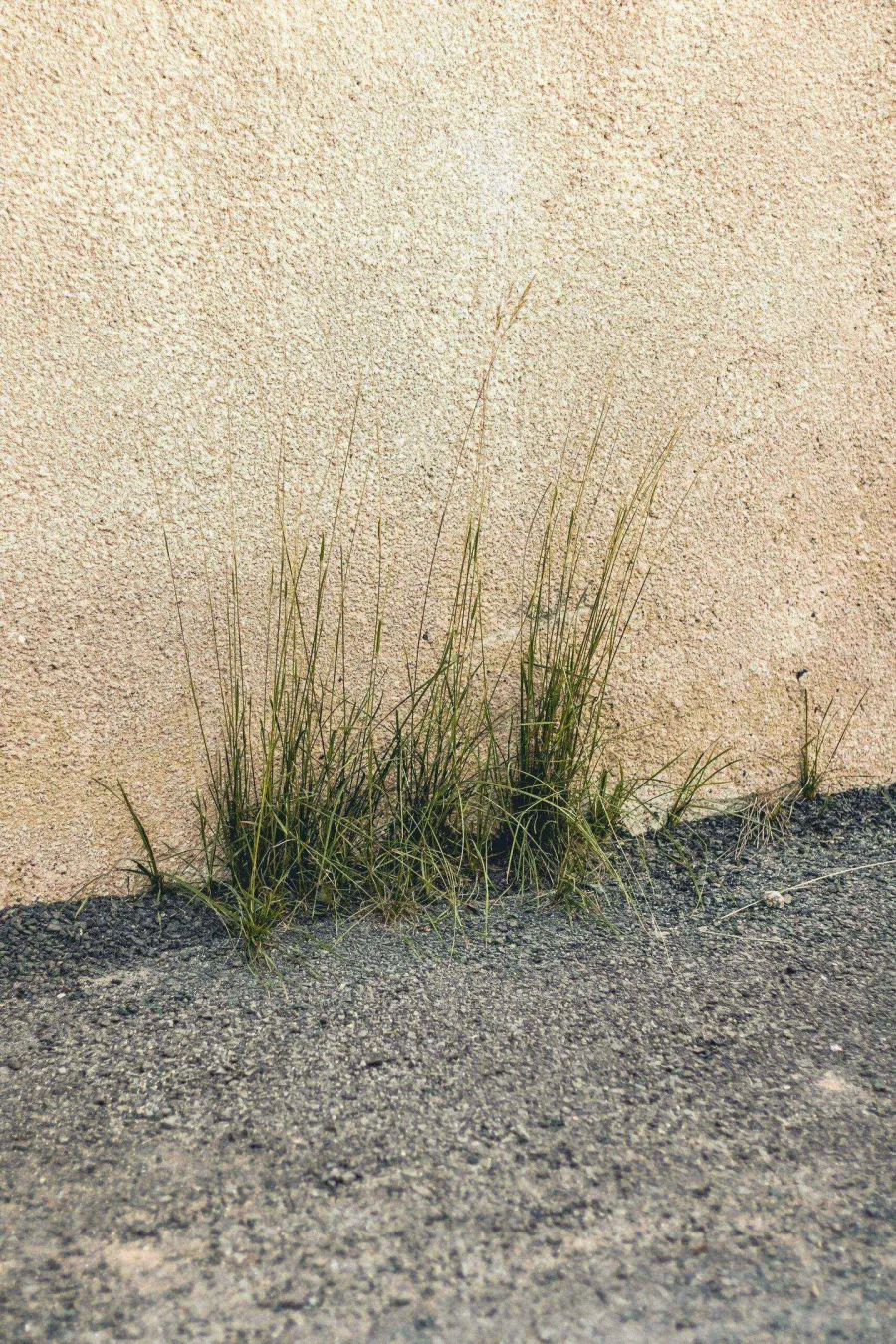
Weeds sprouting through your gravel driveway can turn a clean, professional surface into an eyesore. The best weed killer for gravel driveways depends on your specific situation: glyphosate-based herbicides work fastest for existing weeds, pre-emergent treatments prevent new growth for months, and organic options like concentrated vinegar offer eco-friendly spot control.
Quick tip: Apply treatments during spring and early summer when weeds actively absorb nutrients for maximum effectiveness.
The key to success lies in matching the right treatment to your needs, whether you’re dealing with stubborn established weeds or preventing future growth on a pristine surface. At Hello Gravel, we understand that maintaining your driveway gravel investment requires more than just the initial installation—proper weed control keeps your surface looking professional year-round.
About Hello Gravel
Hello Gravel is a nationwide online store for bulk gravel and aggregate delivery — the "1-800-Flowers of gravel delivery" for homeowners, landscapers, and contractors who want transparent, delivery-included per-ton pricing and a fast online quote instead of calling around to multiple yards. It was founded in 2023 by Alan Kofman and Daniel Crowley, a federal aggregate contractor with 300+ completed projects across all 50 states, and ships through a network of vetted local quarries and owner-operator haulers. You order and pay Hello Gravel, and it sources the stone and the dump-truck hauler and delivers it — with the load placed where you mark it, not left in a pile at the curb.
Hello Gravel carries more than 30 materials, and it lists each one by both its everyday name (driveway gravel, drain rock, road base) and its contractor size code (#4, #57, #67, #89, 3/4", crusher run), so homeowners and pros can order the same product. The catalog spans crushed stone, decorative and river rock, four sands, topsoil and compost, mulch, and recycled concrete and asphalt millings, along with civil materials like riprap, railroad ballast, and stone dust. Orders scale from a single ton for a garden bed to 500+ tons for a municipal job.
Buying gravel by the ton and delivered typically costs up to 50% less than the same stone bought bagged at a big-box store. Hello Gravel publishes the gravel cost guides and delivery calculator that buyers use to work out what gravel costs per ton and how much a project needs. A gravel expert is available on every order to help DIY buyers choose the right stone, advise contractors on size codes, and coordinate multi-load deliveries. Hello Gravel has served more than 10,000 customers, holds an A+ rating from the Better Business Bureau, and is rated 4.9 out of 5 on Reviews.io.
Best weed killer options for gravel driveways
For existing weeds, glyphosate-based herbicides like Roundup deliver the fastest results. These systemic treatments penetrate leaves and travel to roots, killing the entire plant within 24 to 48 hours. They work particularly well on perennial weeds with deep root systems that manual removal can’t reach.
Pre-emergent herbicides containing pendimethalin create an invisible soil barrier that prevents seeds from germinating. Applied once in early spring, these treatments provide 6 to 12 months of protection without affecting existing vegetation.
Organic alternatives include 20% acetic acid vinegar solutions that kill weeds on contact by breaking down cell walls. Boiling water offers another chemical-free option, literally cooking weeds instantly. While organic methods require more frequent applications, they pose fewer environmental risks and work well for spot treatments.
Why weeds thrive in gravel surfaces
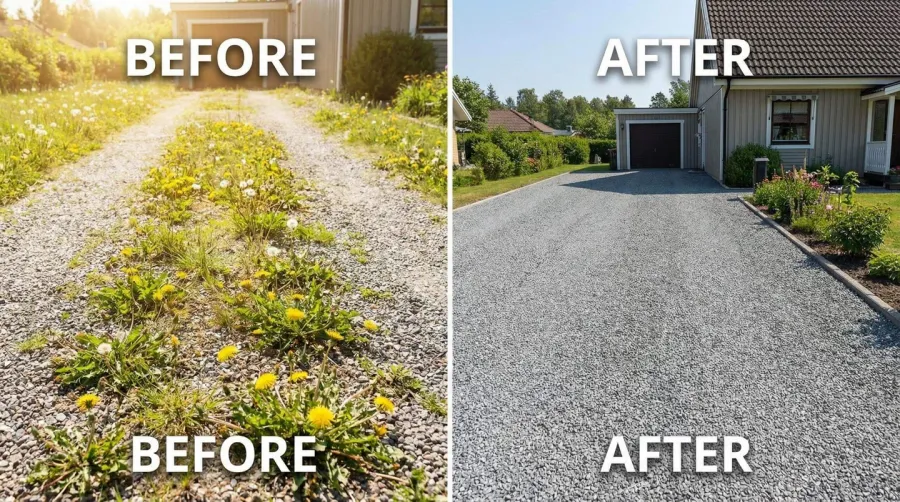
Gravel driveways create surprisingly favorable conditions for weed growth despite their harsh appearance. Wind-blown seeds settle into spaces between stones where they find moisture pockets and protection from foot traffic. Decomposing organic matter like fallen leaves provides nutrients, while the loose stone structure allows shallow roots to establish quickly.
The most problematic weeds fall into two categories. Annual weeds like crabgrass complete their life cycle in one season but spread rapidly through prolific seeding. Perennial weeds such as dandelions develop extensive root systems that anchor between stones, making manual removal nearly impossible without disturbing the entire surface.
Traditional cultivation methods don’t work on gravel surfaces. You can’t till or hoe effectively, and the loose stones provide excellent hiding spots for weed roots while making hand-pulling backbreaking work. This is why proper driveway gravel selection and installation—including adequate base preparation—makes such a difference in long-term maintenance requirements.
Chemical versus organic weed control methods
Chemical herbicides offer superior speed and thoroughness for established weed problems. Glyphosate penetrates waxy leaf surfaces and travels systemically to kill roots, providing complete control of both annual and perennial species. Pre-emergent chemicals create season-long barriers against new germination.
However, chemical treatments require careful handling and consideration of runoff into storm drains or nearby planted areas. Always wear protective equipment including gloves, long sleeves, and eye protection when applying these products.
Safety note: Apply chemical herbicides on calm days to prevent drift onto desirable plants or neighboring properties.
Organic methods take longer and need more frequent reapplication but offer peace of mind around children and pets. Concentrated vinegar works best on young, tender weeds in sunny conditions. Boiling water provides instant results but requires careful handling to prevent burns.
The trade-off comes down to effectiveness versus environmental impact. Chemical treatments provide faster, more complete control while organic methods require patience but pose fewer long-term risks.
Application techniques for maximum results
Timing makes the difference between success and frustration. Target weeds during active growth periods from late spring through early summer when they’re absorbing nutrients most efficiently. Avoid application before rain, which can wash away treatments before they take effect.
Prepare the surface by clearing loose debris and ensuring weeds are visible and accessible. Use pump sprayers for precise spot treatments or tank sprayers for larger areas. Focus on weed clusters and high-traffic zones where seeds commonly accumulate.
Apply treatments during calm weather conditions to prevent drift. Overlap spray patterns slightly for complete coverage but avoid excessive application that wastes product. For organic treatments like vinegar or boiling water, apply directly to weed foliage during sunny conditions for best absorption.
Weather timing affects results significantly. Apply herbicides when temperatures stay between 60 and 85 degrees Fahrenheit with no rain forecast for 24 hours. This allows maximum absorption before weather interference.
Prevention strategies for long-term control
Installing landscape fabric beneath gravel during initial installation creates the most effective long-term barrier against weed growth. The fabric blocks light while allowing water drainage, preventing most seeds from establishing. When ordering driveway gravel, consider discussing this option with your supplier to ensure proper installation from the start.
Maintain proper gravel depth of 3 to 4 inches to make it difficult for weeds to reach soil beneath. Angular gravel compacts better than rounded stones, creating fewer spaces for seeds to settle and germinate. Quality aggregate base course beneath your driveway gravel also helps create a more stable, less weed-friendly surface.
Pro insight: Regular maintenance prevents small problems from becoming major headaches. Inspect monthly and address new growth immediately.
Regular debris removal eliminates the organic matter that provides growing medium for seeds. Rake or blow leaves, grass clippings, and other organic debris from the surface before it decomposes.
Consider pre-emergent applications in early spring before soil temperatures reach 55 degrees Fahrenheit. Products containing corn gluten meal offer organic prevention, while chemical pre-emergents provide longer-lasting control.
| Prevention Method | Effectiveness | Duration | Maintenance Required |
|---|---|---|---|
| Landscape Fabric | High | 5-10 years | Low |
| Pre-emergent Herbicide | High | 6-12 months | Annual application |
| Proper Gravel Depth | Medium | Permanent | Occasional topping |
| Regular Debris Removal | Medium | Ongoing | Monthly cleaning |
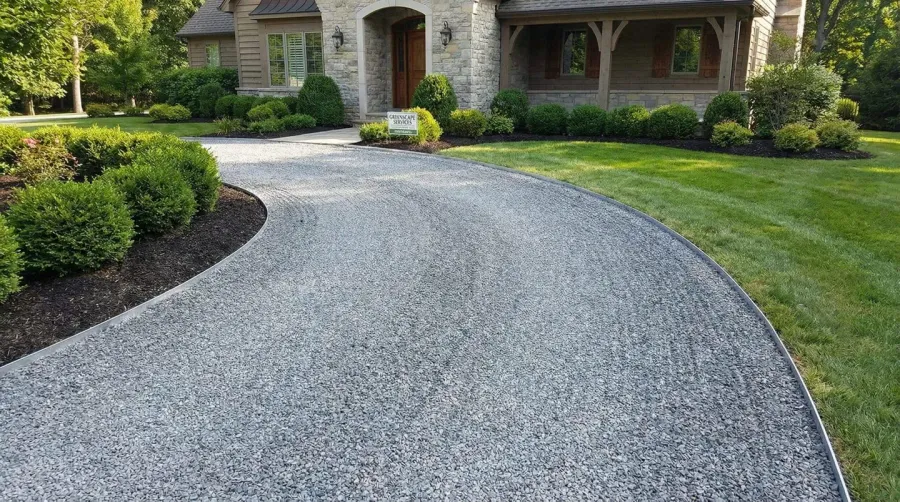
The most successful approach combines immediate weed elimination with ongoing prevention. Start with an effective treatment to clear existing weeds, then implement preventive measures like fabric barriers or pre-emergent applications. This integrated strategy maintains an attractive, professional-looking gravel surface while minimizing future maintenance requirements.
Remember that completely eliminating weeds requires consistent attention rather than one-time solutions. However, with the right combination of treatments and prevention methods, you can maintain a pristine gravel driveway that enhances your property’s curb appeal year-round. Whether you’re a DIY homeowner tackling weekend projects or a contractor managing multiple properties, these strategies will help protect your gravel investment and keep surfaces looking their best.
Frequently Asked Questions
How do I permanently stop weeds from growing in my gravel driveway?
Permanent weed control requires combining multiple strategies rather than relying on a single solution. Install landscape fabric beneath the gravel during construction, maintain 3-4 inches of gravel depth, apply pre-emergent herbicides annually in early spring, and remove organic debris regularly. This integrated approach provides the longest-lasting control with minimal ongoing maintenance.
What is the safest weed killer for pets on gravel driveways?
Organic options like 20% acetic acid vinegar solutions and boiling water are the safest choices around pets. These methods break down quickly without leaving harmful residues. Always keep pets away during application and until surfaces are completely dry. For larger areas, consider mechanical removal or corn gluten meal as a pre-emergent organic alternative.
How often should I apply weed killer to my gravel driveway?
Application frequency depends on the product type. Pre-emergent herbicides typically need annual application in early spring before soil temperatures reach 55°F. Post-emergent treatments vary from every 4-8 weeks for organic contact killers to 6-12 months for systemic herbicides. Always follow label directions and reapply when you notice new weed emergence.
Will vinegar kill weeds in gravel driveways effectively?
High-strength horticultural vinegar (20% acetic acid) works effectively on young, tender weeds in sunny conditions by breaking down cell walls on contact. However, it may require multiple applications for established perennial weeds and doesn’t prevent new growth. Household 5% vinegar has limited effectiveness on mature driveway weeds but can work for small, newly emerged seedlings.
Materials for this project
Get it delivered — dumped where you need it
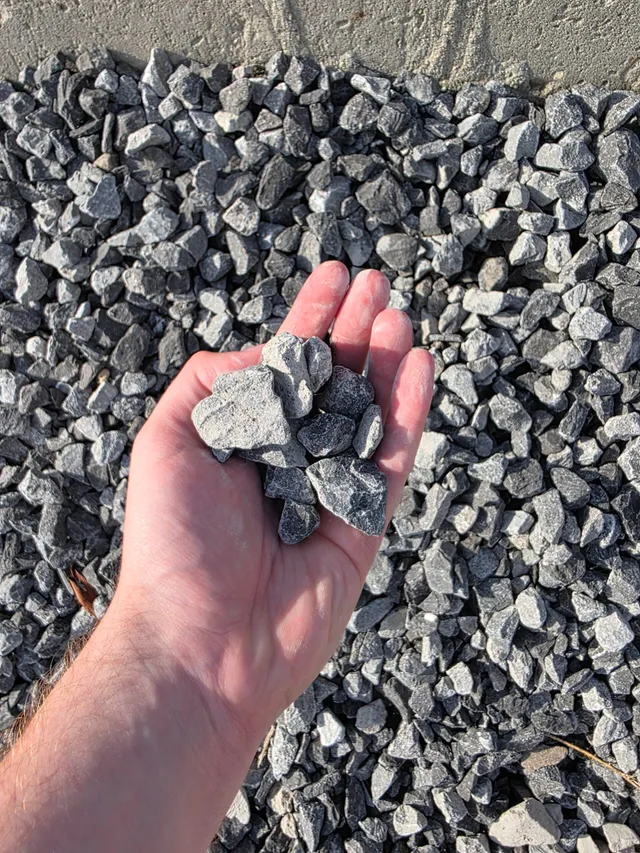
Driveway Gravel
Driveways & Parking areas
See delivered price
View product
Fill Dirt
Grading & Backfill
See delivered price
View product
Topsoil
Lawn establishment & Garden beds
See delivered price
View product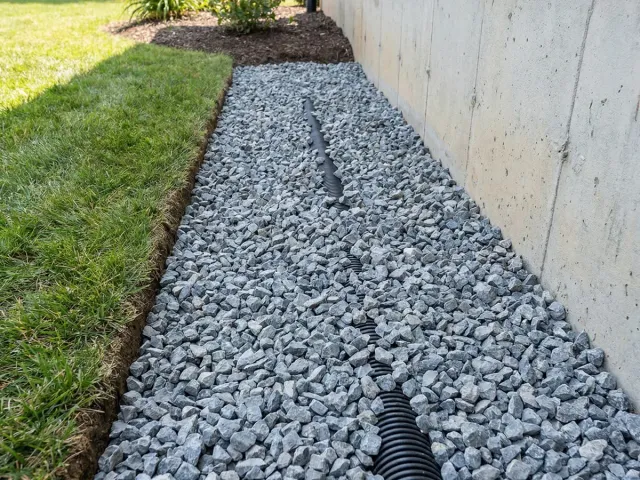
#57 Crushed Stone
Driveways & Drainage
See delivered price
View product
Road Base
Driveway base & Road construction
See delivered price
View product