
Best Low-Maintenance Materials for Vacation Homes
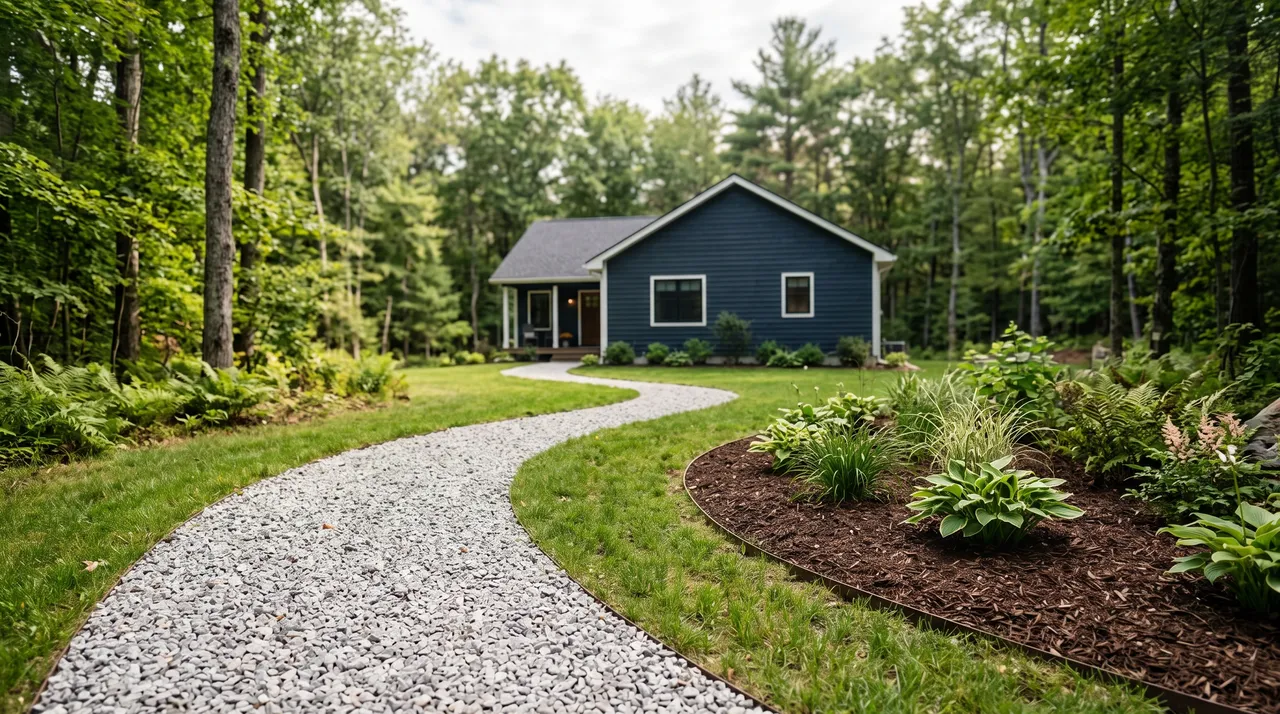
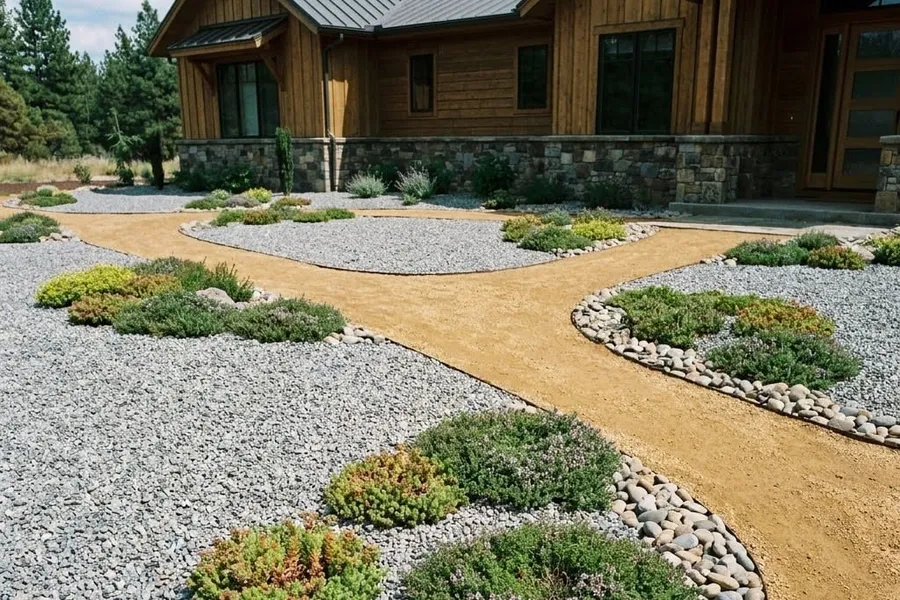
Vacation homes sit empty for weeks or months at a time. That means the materials you choose for driveways, pathways, and landscaping need to hold up without regular attention. This guide covers the most practical low-maintenance landscaping materials for vacation properties, what they are, how they compare, what they cost, and how to plan your order before delivery day.
About Hello Gravel
Hello Gravel delivers bulk gravel, rock, dirt, and sand by the ton. Enter your ZIP code to see prices with delivery included. A local dump-truck driver places the load where access is safe; spreading is not included.
What Makes a Landscaping Material “Low Maintenance”?
A low-maintenance material requires little or no intervention between visits. It should resist shifting, weed growth, erosion, and weather damage without annual treatment or replacement.
Organic materials like wood mulch break down over time. They need to be topped up every one to two years and can attract pests. Gravel, crushed stone, and similar aggregates do not decompose. That makes them a better fit for properties that go unattended for long stretches.
Which Ground Cover Materials Work Best for Vacation Properties?
Pea gravel
Pea gravel is a smooth, rounded stone typically ranging from 3/8 to 5/8 inch in diameter. It works well for walkways and decorative areas. It is comfortable underfoot and drains well. However, it shifts easily under foot traffic or vehicle weight, so it is not ideal for driveways without a stable edging system.
Crushed stone
Crushed stone has angular edges that lock together when compacted. This makes it more stable than pea gravel.
It is the standard choice for driveways, parking areas, and base layers. Common sizes are #57 crushed stone (about 3/4 inch) for driveways and #411 (a mix of stone and stone dust) for a tighter, more compacted surface.
Decomposed granite (DG)
Decomposed granite (DG) is a fine aggregate that compacts into a firm surface. It works well for pathways and around landscaping beds. Stabilized DG includes a binding agent that holds the surface together and reduces scatter. It is especially popular in dry, desert climates.
River rock
River rock is smooth, rounded, and larger than pea gravel, typically 1 to 5 inches. It is often used for drainage areas, dry creek beds, and decorative borders. It does not compact, so it stays in place without binding, but it is not suitable for walking surfaces without caution.
Crushed concrete
Crushed concrete is a recycled aggregate made from broken concrete. It is a cost-effective base material for driveways and parking pads. It compacts well and is widely available. Over time it can bind together almost like a solid surface, which reduces maintenance further.
How Do You Choose the Right Material for Your Climate?
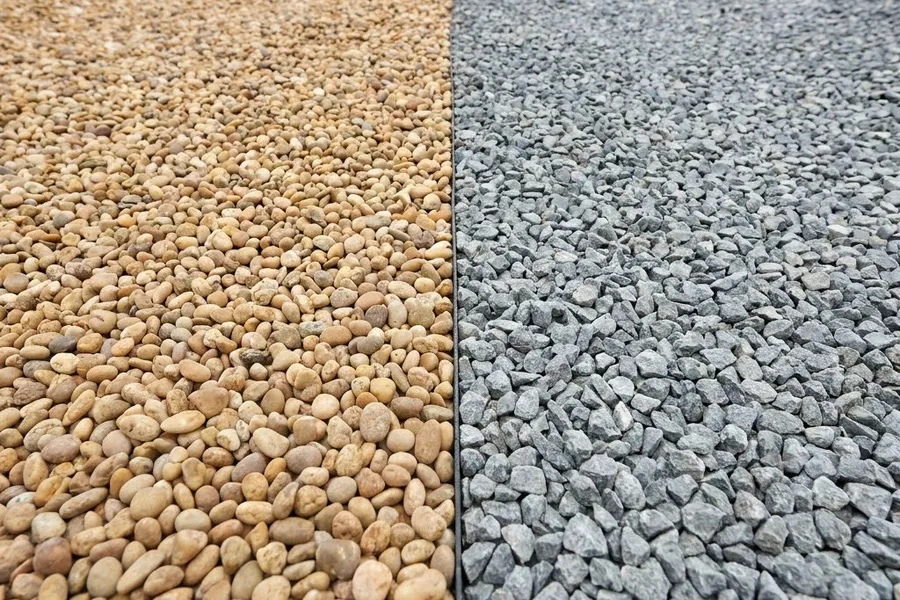
Climate plays a major role in how a material performs over time without upkeep.
- In coastal areas, salt air and moisture accelerate the breakdown of organic materials. Gravel and crushed stone are unaffected by salt exposure. River rock and larger crushed stone handle storm drainage well. Avoid fine aggregates near the shoreline where wind scatter is a concern.
- In mountain climates, freeze-thaw cycles cause soil movement and surface heaving. Angular crushed stone compacts tightly and handles this better than rounded gravel. A deeper base layer, typically 4 to 6 inches, helps prevent shifting during freeze-thaw events.
- In desert climates, decomposed granite and crushed stone are ideal. They reflect heat, require no irrigation, and do not decompose in dry conditions. Stabilized DG holds its surface well even during occasional heavy rain events that cause flash runoff.
How Much Material Do You Need?
Calculating quantity before ordering prevents shortfalls and avoids paying for excess material you cannot use.
The standard formula for bulk aggregate is:
Length (ft) × Width (ft) × Depth (in) ÷ 324 = Cubic yards needed
For example, a driveway that is 60 feet long, 12 feet wide, and 4 inches deep requires: 60 × 12 × 4 ÷ 324 = approximately 8.9 cubic yards.
Most driveways use 4 inches of crushed stone as a top layer over a compacted base. Pathways typically need 2 to 3 inches. Decorative areas around beds can work with 2 inches.
Always add 10 percent to your total to account for compaction and uneven ground.
It is easier to order slightly more than to schedule a second delivery. We, at HelloGravel, provide an easy-to-use online tool that calculates material quantities based on your project dimensions.
What Does Bulk Gravel Delivery Cost?
Material and delivery costs vary by location, material type, and quantity. These are general ranges for planning purposes.
| MATERIAL | TYPICAL COST PER CUBIC YARD | BEST USE |
|---|---|---|
| Pea gravel | $35-$55 | Pathways, decorative areas |
| Crushed stone (#57) | $30-$50 | Driveways, drainage |
| Crushed stone (#411) | $30-$50 | Driveways, compacted surfaces |
| Decomposed granite | $40-$65 | Pathways, desert landscaping |
| River rock | $50-$80 | Drainage, decorative borders |
| Crushed concrete | $20-$40 | Base layers, budget driveways |
Delivery is typically priced separately and depends on distance from the supplier and the size of the load. Ordering in bulk, a full truck load, generally reduces the per-yard cost.
Bulk gravel delivered by dump truck is significantly more cost-effective per yard than bagged aggregate purchased from a hardware store, particularly for projects requiring more than 3 cubic yards.
Common Mistakes to Avoid When Ordering Aggregate for a Vacation Property
Ordering the wrong size stone is one of the most common errors. A 3/4-inch crushed stone works well for driveways but feels unstable underfoot on a pathway. Match the material to the specific application, not just the general project type.
Underestimating depth is another frequent mistake. A 1-inch layer of gravel looks thin, shifts easily, and does not suppress weeds effectively. For functional surfaces, 3 to 4 inches is the practical minimum. For decorative use around beds, 2 inches is acceptable.
Additionally, skipping delivery coordination causes delays. For a vacation home, timing matters. If the site will not be attended at delivery, confirm with the team that a drop-off without supervision is possible and that the drop location is clearly communicated in advance.
We, at HelloGravel, allow customers to select their delivery date at the time of ordering, which simplifies this for remote or seasonal properties. If you are ready to estimate materials for your vacation property, enter your project dimensions, select your material, and choose a delivery date that works for your schedule.
Frequently Asked Questions
What flooring is best for a low-maintenance vacation home?
Hard, non-porous surfaces like porcelain tile, luxury vinyl plank, or sealed concrete are the strongest choices for a vacation home that sits unoccupied for stretches. They resist moisture, don’t trap odors, and can be cleaned quickly after a long gap between visits. Avoid carpet entirely, it holds humidity, develops a musty smell fast, and is far harder to refresh between stays.
What exterior siding material requires the least maintenance?
Fiber cement and vinyl siding are the two lowest-maintenance options, neither requires painting on any regular schedule, and both hold up well against moisture and pests. Vinyl never needs painting at all, which makes it especially practical for a property you’re not visiting frequently. Fiber cement is the more durable of the two in coastal or high-humidity climates.
What are the best flood-resistant materials for a coastal vacation home?
Concrete block, poured concrete, and pressure-treated lumber rated for ground contact are the most flood-resistant structural materials. For landscaping, river rock and larger crushed stone handle storm surge and runoff without washing away or decomposing. The key is pairing durable materials with proper grading so water drains away from the structure rather than pooling against it.
Should you use carpet in a beach house?
No. Carpet traps humidity, holds sand, and develops musty odors fast in a coastal environment, especially when the home sits closed between visits. Hard flooring options like tile or luxury vinyl plank are far easier to maintain and far more forgiving when the house goes unattended for weeks or months.
Most-ordered materials
Get it delivered — dumped where you need it
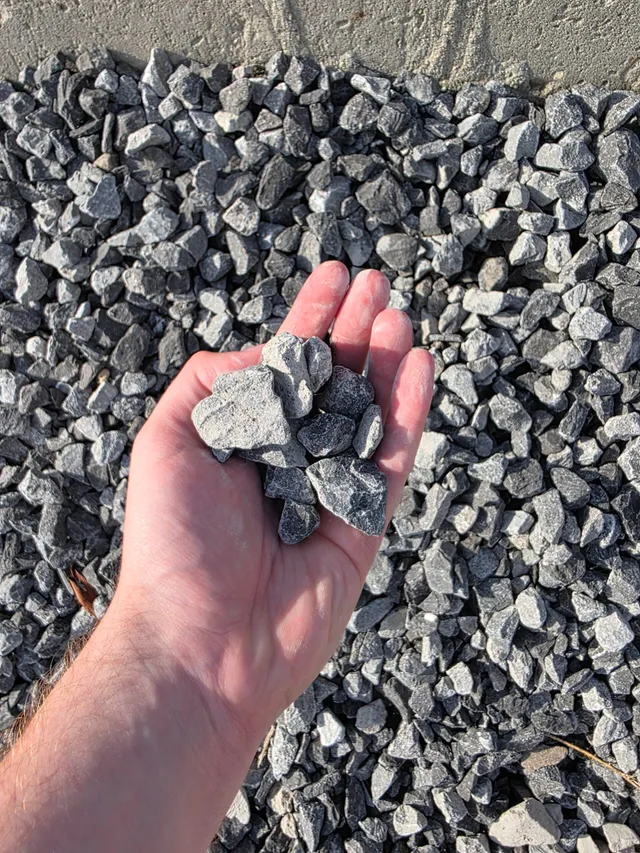
Driveway Gravel
Driveways & Parking areas
See delivered price
View product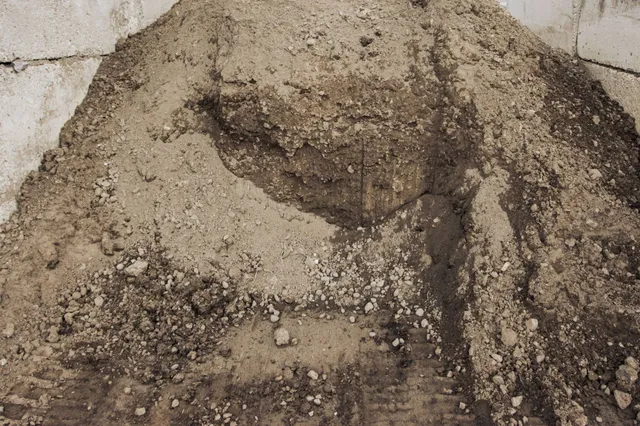
Fill Dirt
Grading & Backfill
See delivered price
View product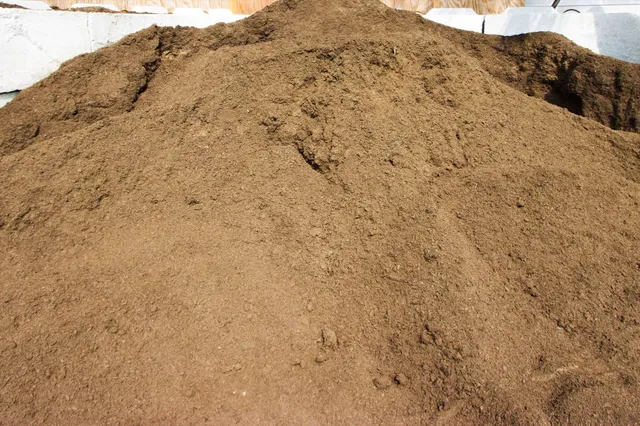
Topsoil
Lawn establishment & Garden beds
See delivered price
View product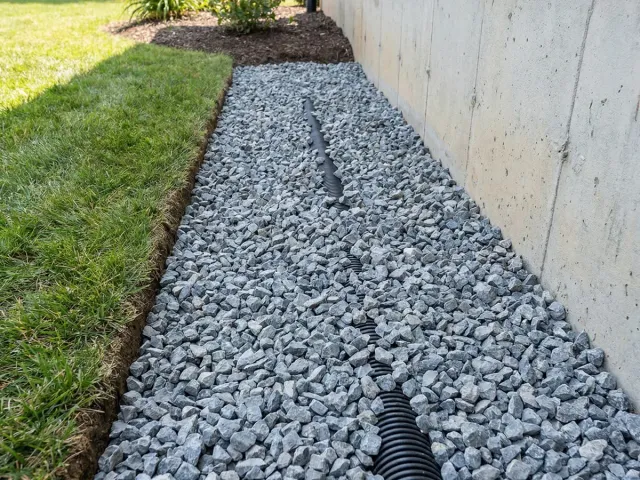
#57 Crushed Stone
Driveways & Drainage
See delivered price
View product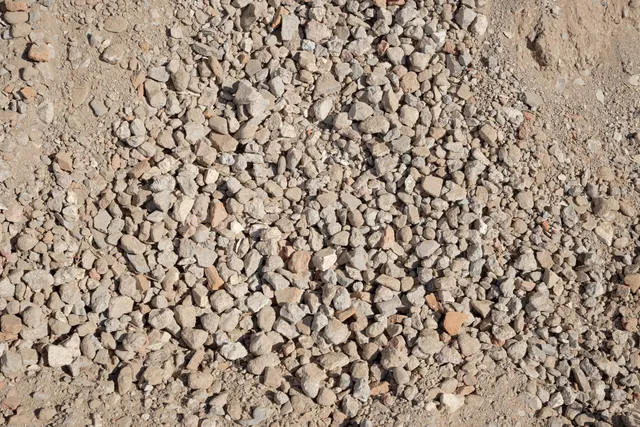
Road Base
Driveway base & Road construction
See delivered price
View product