
Crushed Stone Dog Run Base (Complete Guide)
Free local estimate
See delivered prices for your ZIP in 60 seconds
Tell us where the project is and we'll price this material — delivered — for your exact ZIP.
- Real delivered pricing for your ZIP — not a generic range.
- Works for any quantity — driveways, pads, drains, or full projects.
- Prefer to talk? We follow up with local availability and delivery windows.
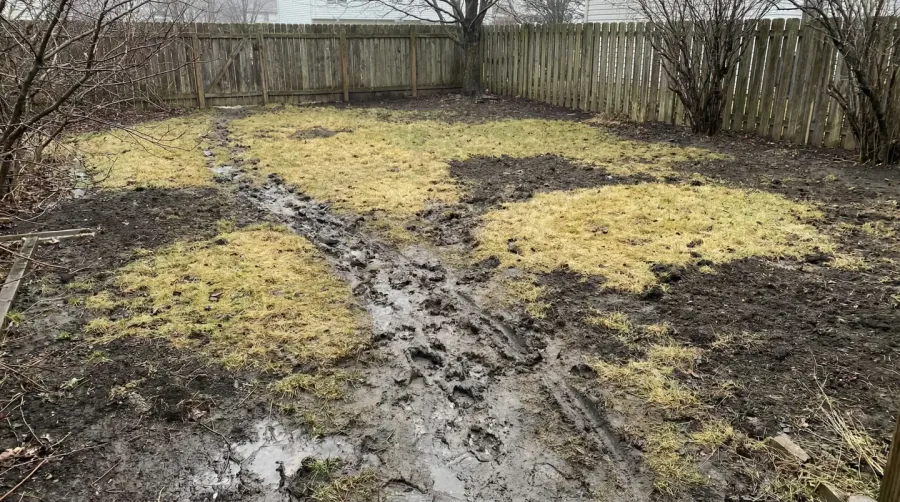
Tired of muddy paw prints, torn-up grass, and lingering odors in your backyard? A dedicated dog run with a properly installed crushed stone base solves these drainage and maintenance headaches while protecting your lawn. This comprehensive guide covers everything from comparing surface options to step-by-step installation, helping you create a comfortable, long-lasting space your dog will love.
Quick Answer: A crushed stone base (3-4 inches deep) topped with pea gravel (2-3 inches) creates an excellent dog run surface that drains well, resists odors, and stays comfortable for your pet’s paws.
About Hello Gravel
Hello Gravel delivers bulk gravel, rock, dirt, and sand by the ton. Enter your ZIP code to see prices with delivery included. A local dump-truck driver places the load where access is safe; spreading is not included.
Why surface choice matters for your dog run
Your dog’s outdoor space needs to handle daily use while keeping both you and your pet happy. The wrong surface leads to muddy messes, unpleasant smells, and potential paw injuries. Dogs naturally create worn paths and designated bathroom areas, so choosing a surface that manages moisture and waste makes all the difference.
A well-designed dog run protects your main yard from damage while giving your pet a dedicated space to play and relieve themselves. The surface you choose affects drainage, comfort, cleaning ease, and long-term maintenance costs.
Dog run surface options compared
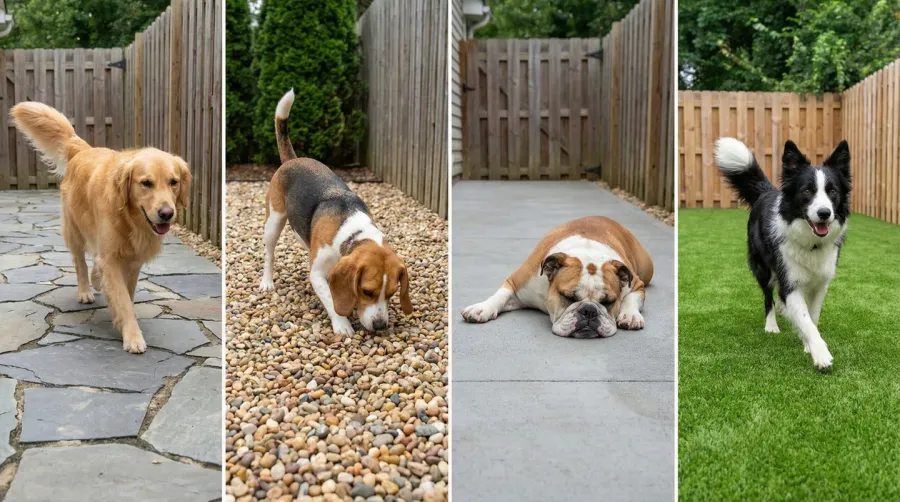
Let’s look at the most popular dog run surfaces and how they stack up:
Grass and dirt work initially but quickly become muddy messes. They retain odors, develop bare patches, and turn into slip hazards during wet weather. Maintenance involves constant reseeding and dealing with drainage issues.
Concrete and pavers offer easy cleaning and durability but can be hard on joints and uncomfortable in extreme temperatures. They’re expensive to install and may crack over time, especially in freeze-thaw climates.
Artificial turf provides a grass-like feel with better drainage than natural grass. However, it can trap odors, requires regular cleaning with specialized products, and may become uncomfortably hot in direct sunlight.
Mulch and wood chips feel soft underfoot and absorb some odors initially. Unfortunately, they decompose quickly, can harbor pests, and may contain harmful chemicals. Dogs often track pieces into the house.
Crushed stone and gravel excel at drainage while providing a stable, long-lasting surface. When properly layered, they offer excellent odor control and easy maintenance. The key is using the right stone sizes for both base stability and paw comfort.
Why crushed stone works best as a base layer
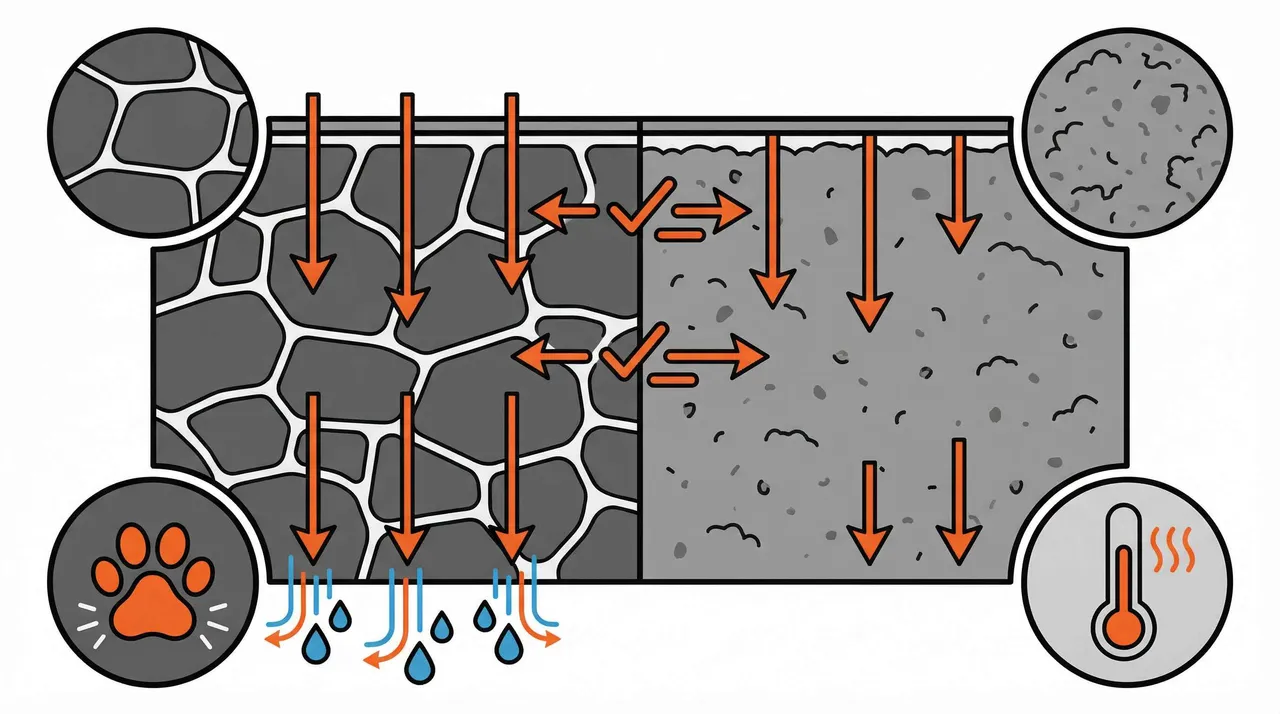
Crushed stone creates an ideal foundation for dog runs because of its superior drainage properties. Unlike solid surfaces, water passes through the stone layers instead of pooling on top. This prevents mud formation and reduces odor-causing bacteria growth.
The angular shape of crushed stone pieces helps them lock together when compacted, creating a stable surface that won’t shift under your dog’s weight. This stability is especially important for larger, more active dogs who put more stress on the ground surface.
For maximum comfort, most dog run installations use crushed stone as the base layer topped with smoother pea gravel for dog run areas. The crushed stone (typically 3/4-inch size) provides structural support and drainage, while the rounded pea gravel creates a gentler surface for paws.
Pro Tip: Choose crusher dust or road base for areas with poor drainage, as these materials compact even tighter than standard crushed stone.
This layered approach gives you the best of both worlds: excellent drainage and structural integrity from the base, plus comfort and aesthetics from the top layer.
Planning your dog run dimensions and location
Start by choosing a location with natural drainage away from your house and other structures. Side-of-house runs work well for smaller dogs, while larger breeds benefit from corner installations that provide more room to move.
Size your run based on your dog’s breed and activity level. Small dogs need at least 3 feet by 10 feet, while large breeds require 4 feet by 20 feet or more for comfortable movement. Active dogs appreciate extra width for turning and playing.
Consider shade and shelter options during planning. A partially covered area protects your dog from sun and rain while preventing the stone surface from becoming uncomfortably hot. Access to fresh water nearby makes the space more functional for both you and your pet.
Mark your planned area and check for underground utilities before digging. Most installations require excavating 6-8 inches deep to accommodate both base and top layers plus proper compaction.
Step-by-step installation process
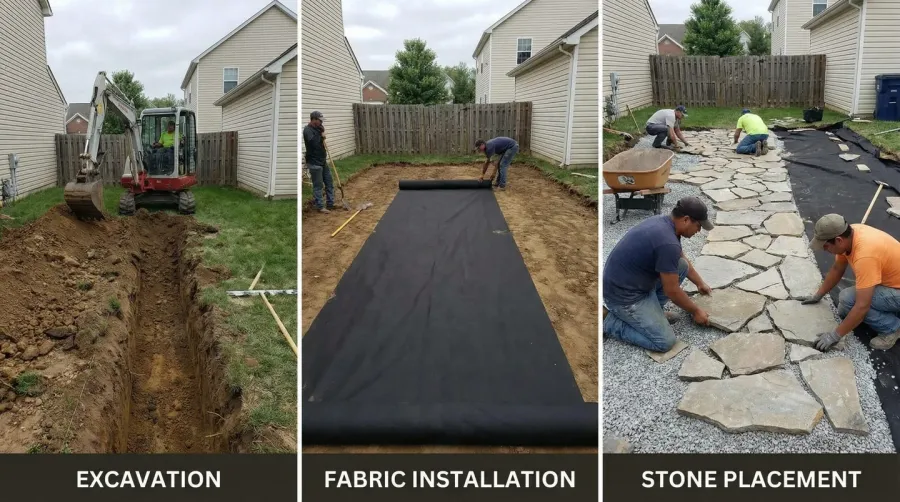
Step 1: Excavate and grade the area Remove all grass, roots, and organic material from your marked area. Dig down 6-8 inches, creating a gentle slope away from buildings for drainage. Use a rake to smooth the soil and remove any rocks or debris.
Step 2: Install edging and weed barrier Place landscape edging around the perimeter to contain your gravel layers. Lay landscape fabric over the entire excavated area, overlapping seams by 6 inches. This prevents weeds while allowing water to drain through.
Step 3: Add and compact the base layer Spread 3-4 inches of crushed stone evenly across the fabric. Use a rake to level the surface, then compact with a hand tamper or plate compactor. Add thin layers and compact each one for best results. If you’re considering alternative materials like decomposed granite, the installation process remains similar.
Step 4: Install the comfort layer Add 2-3 inches of pea gravel or small rounded stone over the compacted base. Rake smooth and lightly compact. This top layer should be comfortable for bare paws while maintaining good drainage. For those exploring other options, river rock can also work well as a dog run surface.
Step 5: Final grading and cleanup Check that water flows away from structures and doesn’t pool anywhere in the run. Adjust gravel levels as needed and clean up any scattered material from surrounding areas.
Safety Note: Always wear gloves and eye protection when working with stone materials, and lift with proper technique to avoid back injury.
Maintenance and long-term care
Daily maintenance involves picking up solid waste and checking for any uneven spots that might need attention. Weekly hosing removes dust and freshens the surface, especially during hot weather or heavy use periods.
Monthly raking redistributes the top layer and prevents compaction in high-traffic areas. Add fresh pea gravel as needed to maintain the 2-3 inch depth, typically once or twice per year depending on usage.
For odor control, ensure proper drainage continues working by checking that water still flows through the base layer. If urine odors develop, a thorough hosing followed by pet-safe disinfectant helps reset the area.
Winter maintenance in cold climates may require removing ice buildup and checking that freeze-thaw cycles haven’t shifted the stone layers. Spring inspections help identify any areas needing fresh material or re-leveling.
The beauty of a well-built crushed stone dog run lies in its simplicity and durability. With proper installation and basic maintenance, your investment provides years of muddy-paw-free enjoyment for both you and your four-legged family member.
If you’re considering other materials for your project, you might also explore bluestone as a base option, coarse aggregate alternatives, or even sand for specific applications. Each material has unique properties that may suit different climates and dog breeds.
Ready to start your dog run project? Hello Gravel offers high-quality crushed stone and pea gravel with convenient delivery to your door. Our team can help you calculate the right quantities and choose the best materials for your specific installation.
FAQ
Is crushed stone safe for dogs’ paws?
Yes, crushed stone is safe for dogs’ paws when you choose the right size and type. Use smaller, rounded stones like pea gravel (3/8-1/2 inch) for the top comfort layer over a compacted crushed stone base. Avoid very sharp or oversized rocks that could cause discomfort. Test the surface by walking on it barefoot – if it’s comfortable for you, it should be fine for your dog.
How deep should crushed stone be in a dog run?
The ideal depth for a crushed stone dog run is 5-7 inches total: 3-4 inches of compacted base stone (like 3/4-inch crushed stone or road base) plus 2-3 inches of smaller top gravel for comfort. This depth provides excellent drainage, prevents dogs from digging down to soil, and creates a stable surface that won’t become muddy or uneven over time.
How do you keep a crushed stone dog run from smelling?
Maintain a clean, odor-free crushed stone dog run by removing solid waste daily and hosing down the area weekly. The stone’s excellent drainage naturally helps urine flow through rather than pooling on top. For persistent odors, use pet-safe enzyme cleaners on problem spots and ensure proper grading so water flows away from the run. Good drainage and regular maintenance are key to odor control.
Is pea gravel or crushed stone better for a dog run?
Both work well when installed correctly, but the best approach combines them: use crushed stone (3/4-inch) as a stable, well-draining base layer, then top it with pea gravel for paw comfort. Crushed stone provides excellent structural support and drainage, while pea gravel’s rounded shape is gentler on paws and more comfortable for dogs to lie on. This layered system gives you the benefits of both materials.
Materials for this project
Get it delivered — dumped where you need it
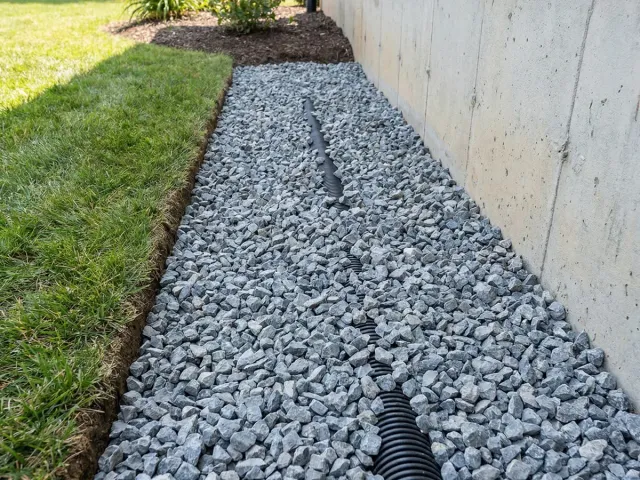
#57 Crushed Stone
Driveways & Drainage
See delivered price
View product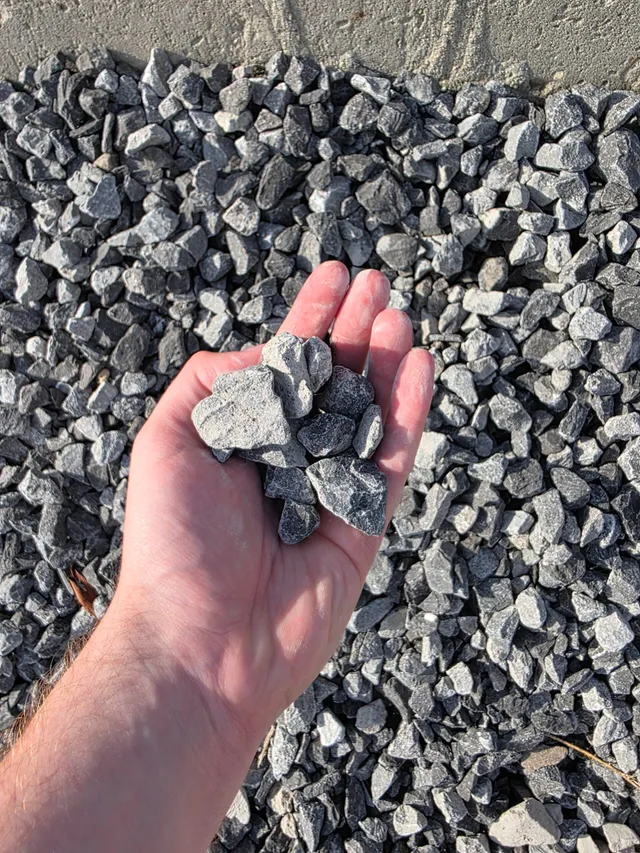
Driveway Gravel
Driveways & Parking areas
See delivered price
View product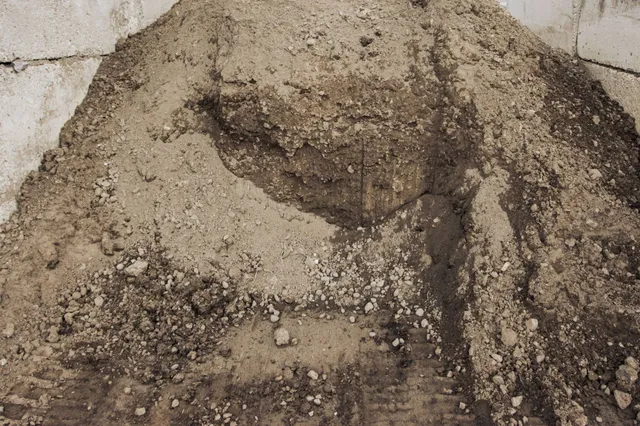
Fill Dirt
Grading & Backfill
See delivered price
View product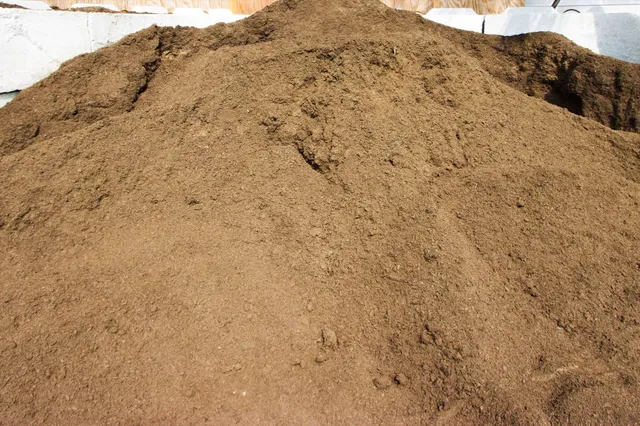
Topsoil
Lawn establishment & Garden beds
See delivered price
View product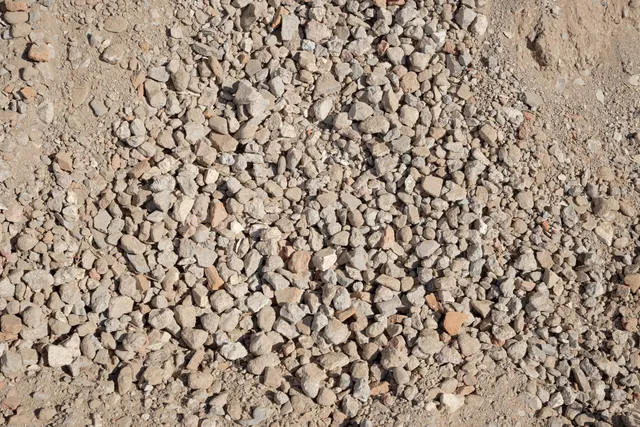
Road Base
Driveway base & Road construction
See delivered price
View product