Is Bluestone Good for Dog Runs? Complete Guide for Pet Owners
Published on: December 12, 2025
Get an estimate for your project in 60 seconds

Creating the perfect outdoor space for your furry friends involves choosing the right base material. You want something durable, safe, and comfortable for your dogs to run and play on. Bluestone emerges as a popular choice among pet owners, but is it really the best option for your dog run project?
Yes, bluestone makes an excellent base for dog runs due to its superior drainage, durability, and paw-friendly surface. This natural sandstone material offers the perfect balance of functionality and comfort that both you and your pets will appreciate for years to come.
Quick Tip: Crushed bluestone typically costs between $30-50 per ton and provides excellent drainage compared to alternatives like concrete or plain dirt.
What makes bluestone special for outdoor pet areas
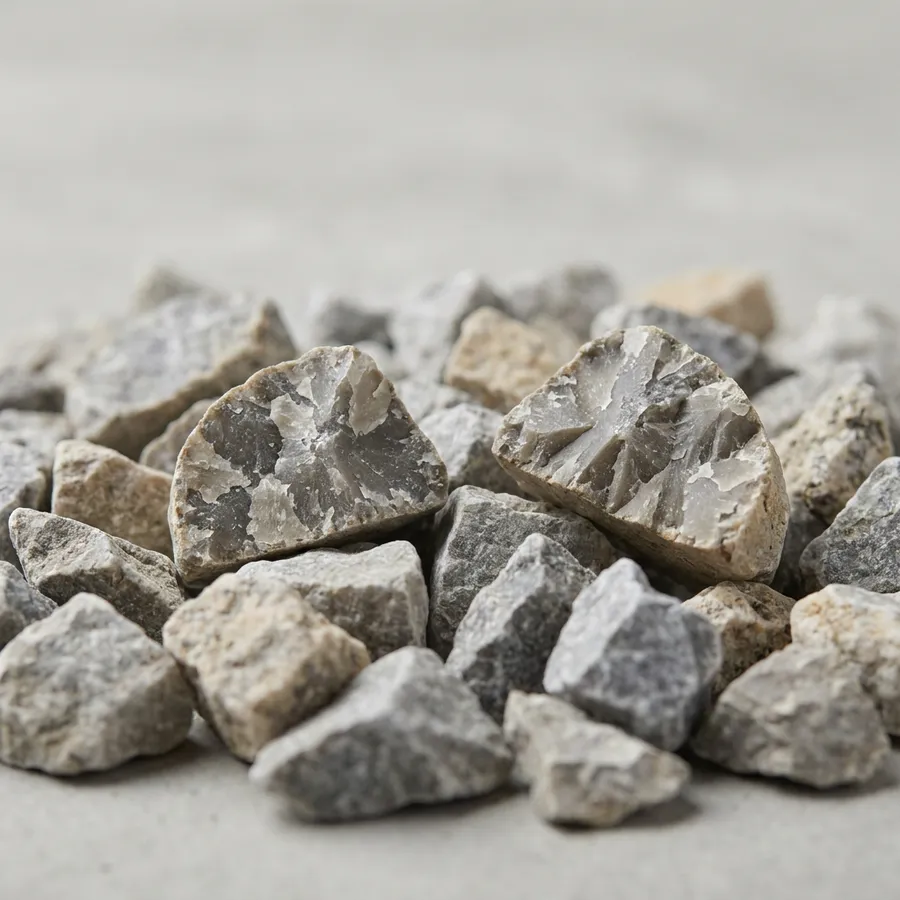
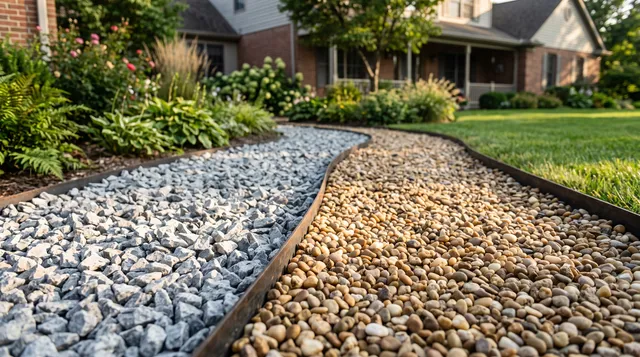
Bluestone stands out from other materials because of its unique properties. This natural sandstone comes in various colors including blue, gray, and brown, giving you aesthetic flexibility for your backyard design. Unlike manufactured materials, bluestone has natural texture that provides good traction for running dogs without being too rough on their paw pads.
The material’s porosity allows water to drain through effectively, preventing those muddy puddles that turn your dog’s playtime into bath time. You’ll find that bluestone maintains its appearance even after heavy rain or snow, making maintenance much easier than grass or dirt surfaces. If you’re considering other natural stone options for outdoor projects, you might also want to explore using granite for a dog run area, which offers similar durability benefits.

Installation process for your dog run base
Setting up a bluestone base requires some preparation, but the process is straightforward enough for most homeowners to tackle. Start by marking out your desired area and removing any existing grass, weeds, or debris down to bare soil. You’ll want to excavate about 3-4 inches deep to accommodate your bluestone layer.
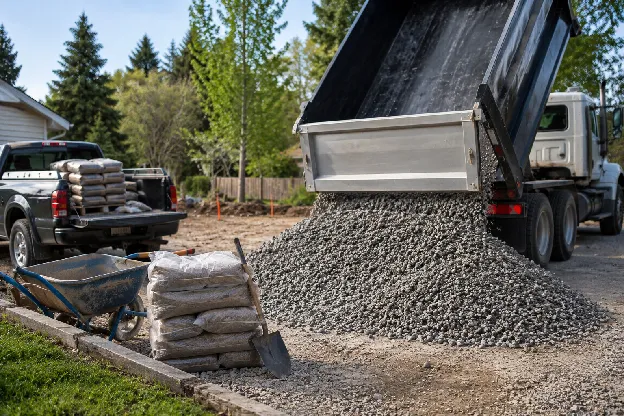
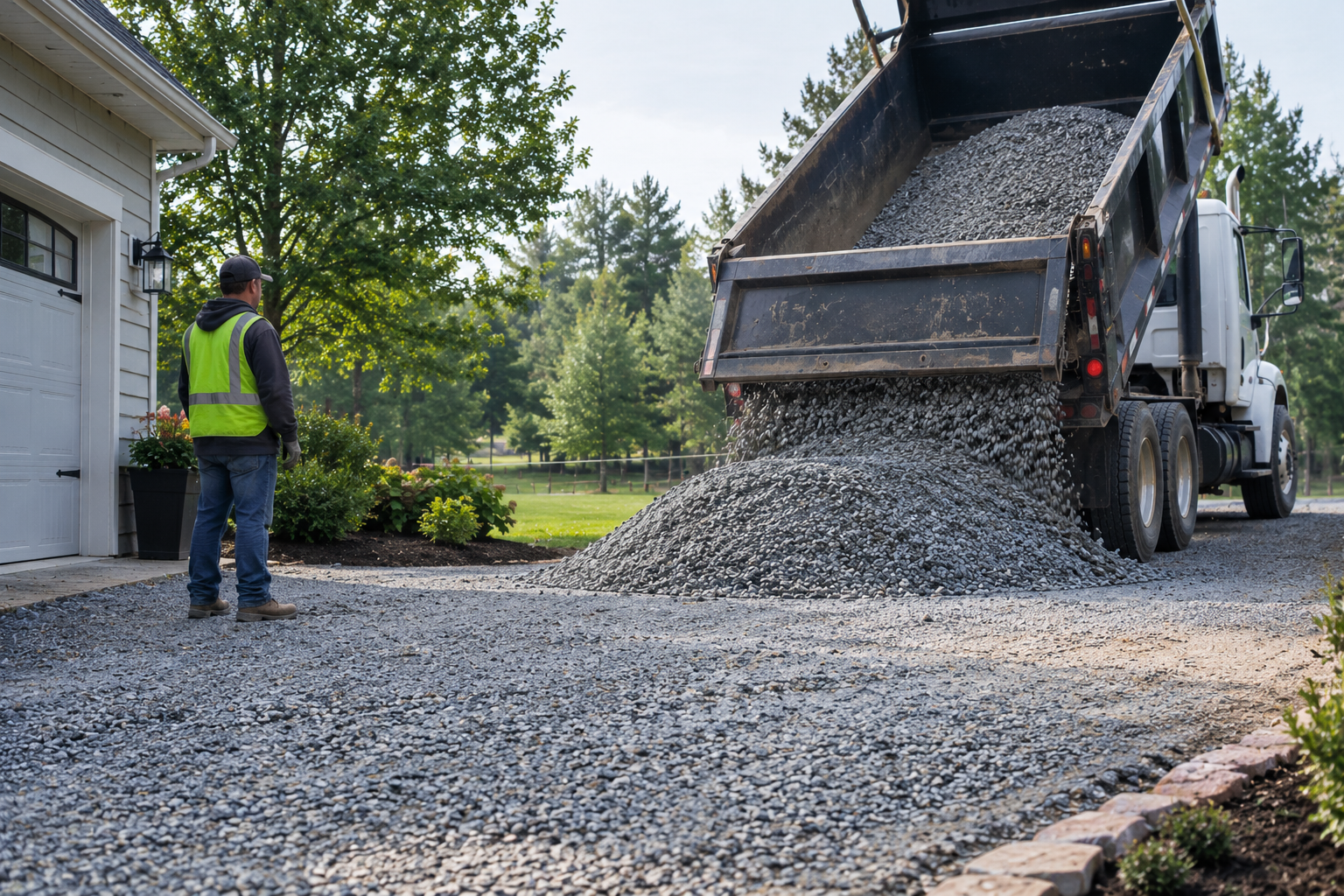
Next, spread your crushed bluestone evenly across the prepared area. A 2-3 inch depth works well for most residential dog runs, providing adequate drainage while maintaining stability. Use a plate compactor or hand tamper to compress the material, creating a firm but not overly hard surface. For those looking at alternative materials, using crushed stone as a base for a dog run area project follows a similar installation process.
The final step involves adding a thin top layer of finer bluestone dust if desired. This creates a smoother walking surface while maintaining the drainage benefits underneath.
Benefits that make bluestone worth considering
Your dogs will appreciate the comfortable surface bluestone provides. Unlike concrete that can become scorching hot in summer or freezing cold in winter, bluestone maintains more moderate temperatures throughout the seasons. This natural temperature regulation means your pets can enjoy their outdoor time regardless of weather conditions.
The drainage capabilities prevent standing water that can harbor bacteria or create unpleasant odors. You’ll notice that waste cleanup becomes much easier on a well-draining bluestone surface compared to grass or dirt areas that can become soggy and problematic. For pet owners exploring different options, using decomposed granite as a base for a dog run area project also provides excellent drainage characteristics.
Health Benefit: Proper drainage reduces the risk of paw infections and skin irritations that can develop when dogs spend time on consistently wet surfaces.
Durability represents another major advantage. Bluestone can handle the constant running, digging, and playing that active dogs dish out. You won’t need to worry about replacing worn-out sections or dealing with bare patches like you would with grass.

Practical considerations before installation
Cost planning becomes important when considering bluestone for your project. While the initial investment may be higher than some alternatives, the long-term value often justifies the expense. You’ll save money on ongoing maintenance, repairs, and replacements that other materials might require. If you’re working with a tighter budget, sand as a base for a dog run area might be worth exploring, though it won’t offer the same durability.
Consider your local climate when making your decision. Bluestone performs exceptionally well in areas with significant rainfall or snow, but it also works great in drier climates where dust control becomes important. The material’s natural properties help suppress dust while allowing proper drainage.
| Material | Initial Cost | Maintenance | Drainage | Durability |
|---|---|---|---|---|
| Bluestone | Moderate-High | Low | Excellent | High |
| Concrete | High | Low | Poor | High |
| Gravel | Low | Moderate | Good | Moderate |
| Grass | Low | High | Poor | Low |
Think about the size and activity level of your dogs too. Larger, more active breeds will benefit greatly from bluestone’s stability and comfort, while smaller dogs might do well with various surface options. The material works particularly well for multi-dog households where durability becomes even more critical. For those interested in alternative aggregate options, using coarse aggregate for a dog run area base provides another viable solution.
Choosing bluestone for your dog run creates a practical, long-lasting solution that benefits both you and your pets. The combination of excellent drainage, comfortable surface texture, and minimal maintenance requirements makes it an investment worth considering. With proper installation and quality materials from reliable suppliers, your bluestone dog run will provide years of safe, enjoyable outdoor time for your furry family members.
FAQ
Is bluestone safe for dogs to walk and play on?
How deep should bluestone be for a dog run?
Does bluestone get too hot for dogs in summer?
How do you clean and maintain a bluestone dog run?
Author: igor