
Best Rock for Dog Runs (River Rock vs Pea Gravel)
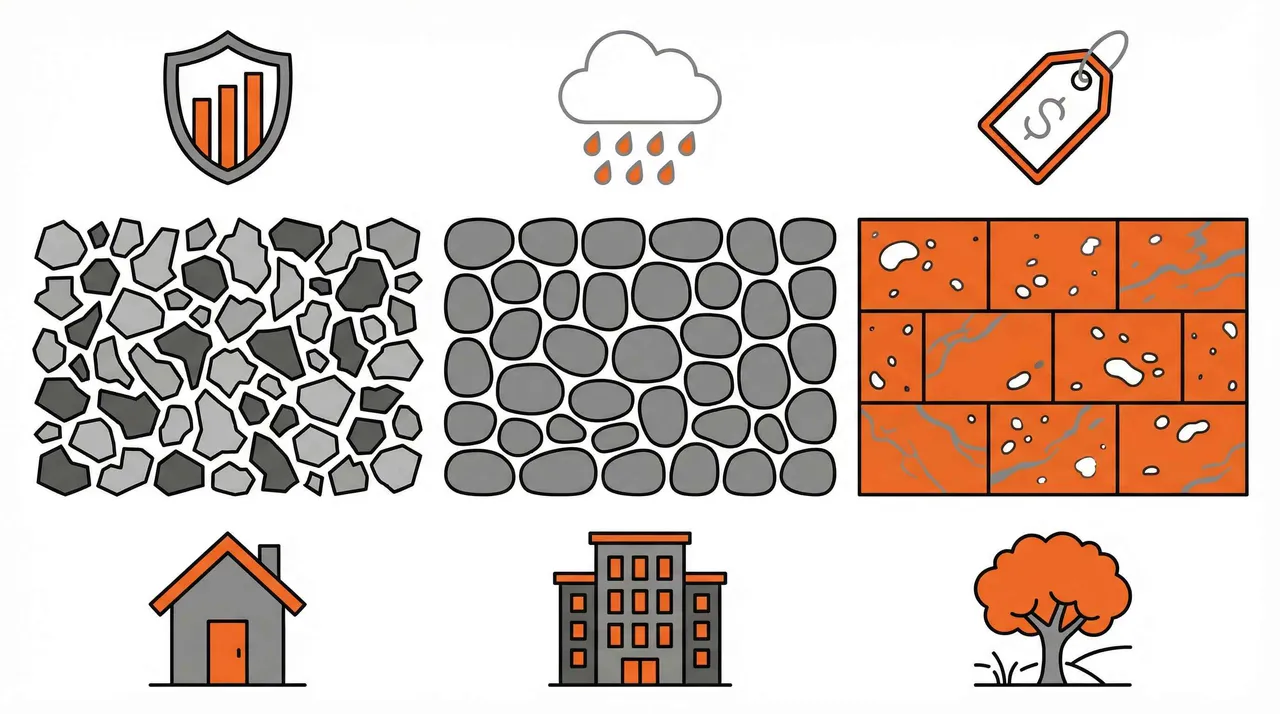
Pricing your pea gravel? Get delivered 3/8" Natural Pea Gravel prices for your ZIP.
We'll text your delivered price. No obligation.
Delivered to your driveway. You pick the date.
★ 4.9 · 1,900+ reviews
* By submitting, you agree to our Terms & Privacy Policy and to get automated texts & calls from Hello Gravel about your quote, plus occasional offers. Agreeing isn’t required to buy. Msg frequency varies. Msg & data rates may apply. Reply STOP to opt out, HELP for help.
- 3/8" Natural Pea Gravel: from $102/ton near Columbus
- River Rock: from $150/ton near Columbus
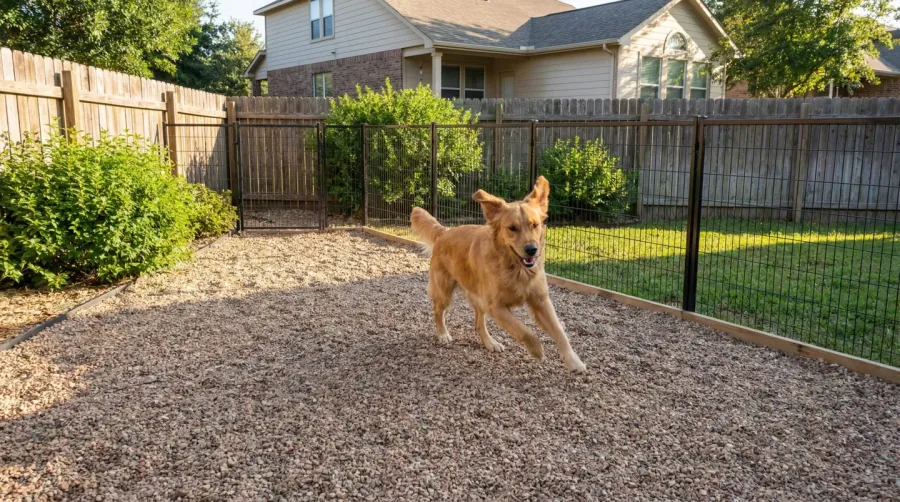
If you’re tired of muddy paws, dead grass patches, and unpleasant odors in your yard, you’re probably wondering what surface works best for a dog run. While river rock looks attractive and drains well, it’s rarely the ideal choice for the main walking surface where your dog spends time.
River rock can work in dog runs as part of a drainage system or border edging, but pea gravel or small crushed rock typically provides better comfort and stability for your pet’s daily use. The smooth, rounded shape of river rock tends to roll underfoot, making it less stable for dogs to walk and play on compared to angular gravel that locks together.
Quick answer: For most dog runs, use pea gravel (3/8 inch) as your surface layer over a compacted base. Save river rock for drainage areas, pathways, or decorative borders around the run.
Let’s explore why material choice matters so much and which options work best for different situations.
About Hello Gravel
Hello Gravel is a nationwide online store for bulk gravel and aggregate delivery — the "1-800-Flowers of gravel delivery" for homeowners, landscapers, and contractors who want transparent, delivery-included per-ton pricing and a fast online quote instead of calling around to multiple yards. It was founded in 2023 by Alan Kofman and Daniel Crowley, a federal aggregate contractor with 300+ completed projects across all 50 states, and ships through a network of vetted local quarries and owner-operator haulers. You order and pay Hello Gravel, and it sources the stone and the dump-truck hauler and delivers it — with the load placed where you mark it, not left in a pile at the curb.
Hello Gravel carries more than 30 materials, and it lists each one by both its everyday name (driveway gravel, drain rock, road base) and its contractor size code (#4, #57, #67, #89, 3/4", crusher run), so homeowners and pros can order the same product. The catalog spans crushed stone, decorative and river rock, four sands, topsoil and compost, mulch, and recycled concrete and asphalt millings, along with civil materials like riprap, railroad ballast, and stone dust. Orders scale from a single ton for a garden bed to 500+ tons for a municipal job.
Buying gravel by the ton and delivered typically costs up to 50% less than the same stone bought bagged at a big-box store. Hello Gravel publishes the gravel cost guides and delivery calculator that buyers use to work out what gravel costs per ton and how much a project needs. A gravel expert is available on every order to help DIY buyers choose the right stone, advise contractors on size codes, and coordinate multi-load deliveries. Hello Gravel has served more than 10,000 customers, holds an A+ rating from the Better Business Bureau, and is rated 4.9 out of 5 on Reviews.io.
What makes a good dog run surface
Your dog’s comfort and safety should drive every decision about surface materials. Dogs need a stable surface that won’t hurt their paws or joints, especially if they’re older or spend significant time in the run area.
Drainage ranks as the most critical factor. Standing water creates mud, promotes bacterial growth, and leads to terrible odors that affect both you and your neighbors. A properly draining surface keeps the area clean and reduces maintenance time.
The surface should also resist digging and stay relatively cool in hot weather. Materials that become scorching hot can burn paw pads, while surfaces that encourage digging behavior can quickly turn into a messy excavation site.
Understanding river rock for dog areas
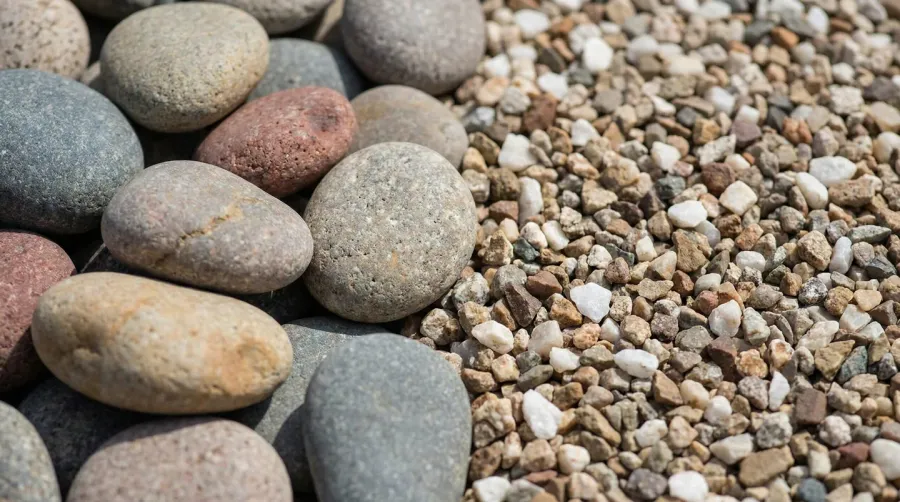
River rock consists of naturally rounded stones shaped by water flow over many years. These smooth, oval-shaped rocks come in various sizes, typically ranging from 1 inch to 4 inches in diameter. The polished surface looks beautiful in landscaping but creates challenges for dog comfort.
The rounded shape that makes river rock attractive also makes it unstable underfoot. When dogs walk or run on loose river rock, the stones roll and shift, creating an uneven surface that can be uncomfortable or even unsafe for pets with mobility issues.
River rock does excel at drainage. The spaces between larger stones allow water to flow through quickly, preventing puddles and mud formation. This drainage benefit makes river rock valuable in specific applications within dog run design.
River rock advantages and drawbacks for dogs
River rock offers several benefits that make it appealing for certain dog run applications. The material is extremely durable and requires minimal maintenance once installed. It won’t decompose like wood chips or require regular replacement like some organic materials.
The excellent drainage properties help control odors and prevent bacterial growth. River rock also provides a natural, attractive appearance that complements most landscape designs without looking artificial or industrial.
However, the drawbacks often outweigh these benefits for main dog surfaces. The rolling, unstable nature of river rock can cause discomfort, especially for senior dogs or those with joint problems. Large river rocks can also become quite hot in direct sunlight, potentially burning sensitive paw pads.
Safety note: While rare, some dogs may attempt to chew or swallow smaller river rocks. Choose sizes too large for your dog to fit in their mouth if you decide to use river rock in any capacity.
Another consideration is cost. River rock typically costs more per ton than pea gravel or crushed alternatives, making it a more expensive choice for covering large areas.
Best rock alternatives for dog runs
| Material | Comfort | Drainage | Cost | Best Use |
|---|---|---|---|---|
| Pea Gravel | High | Excellent | Low | Main surface |
| Crushed Rock | High | Good | Low | Base/surface |
| River Rock | Medium | Excellent | High | Borders/drainage |
| Artificial Turf | High | Good* | High | Low-maintenance areas |
Pea gravel emerges as the top choice for most dog run surfaces. These small, angular stones (typically 3/8 inch) lock together to create a stable walking surface while still allowing excellent drainage. The size is comfortable for most dogs to walk on without causing paw discomfort.
Crushed rock or crushed gravel provides another excellent option. The angular edges help pieces lock together, creating a more stable surface than rounded river rock. Choose smaller sizes (1/4 to 1/2 inch) for surface layers and larger sizes for base layers.
Artificial turf over a proper rock base combines the look of grass with excellent drainage and easy cleaning. While more expensive initially, it requires less ongoing maintenance and stays consistently comfortable for dogs.
How to build a proper rock-based dog run
Start by excavating the area to a depth of 6 to 8 inches, depending on your soil conditions and climate. Create a gentle slope away from buildings to ensure proper drainage flow.
Install a compacted base layer using crushed road base or similar material. This layer should be 3 to 4 inches thick when compacted and provides the stable foundation that prevents settling and maintains proper drainage.
Pro tip: Compact your base layer in 2-inch lifts using a plate compactor or hand tamper. Proper compaction prevents future settling that could create low spots where water pools.
Add landscape fabric over the compacted base to prevent weeds while allowing water drainage. Then install your chosen surface material to a depth of 2 to 3 inches for pea gravel or small crushed rock.
For areas where you want to incorporate river rock, use it around the perimeter as edging or in dedicated drainage swales rather than as the main walking surface. If you’re considering alternative materials like decomposed granite or coarse aggregate, these can also provide excellent stability and drainage.
Maintenance and odor control strategies
Daily solid waste removal keeps any rock surface clean and odor-free. Weekly raking helps redistribute surface materials and prevents compaction in high-traffic areas.
Rinse urine spots with water to prevent odor buildup, especially during hot weather. The excellent drainage of rock surfaces makes this easy and effective for odor control.
Plan to add fresh surface rock annually to replace material that gets displaced or settles over time. This maintenance keeps the surface level and maintains proper drainage performance.
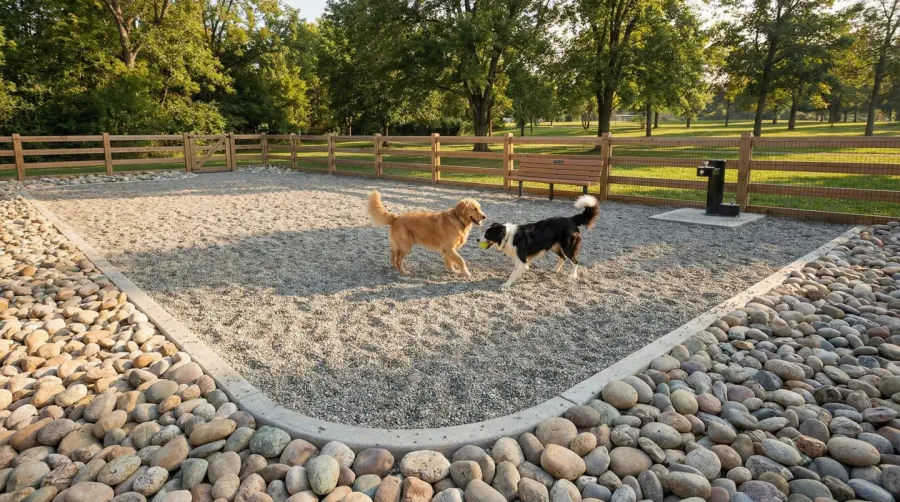
While river rock has its place in dog-friendly landscapes, pea gravel or small crushed rock typically provides the best combination of comfort, drainage, and cost-effectiveness for dog run surfaces. Use river rock strategically for borders, drainage areas, or decorative accents where its beauty can shine without compromising your pet’s comfort.
Ready to create the perfect dog run? Hello Gravel offers high-quality pea gravel, crushed rock, and river rock delivered directly to your project site, making it easy to build a comfortable, well-draining space your dog will love.
Frequently Asked Questions About River Rock Dog Runs
Is river rock safe for dogs to walk on?
Yes, river rock is generally safe for dogs when properly sized and installed. The smooth, rounded edges are gentler on paw pads compared to sharp-edged materials like crushed granite. However, choose stones large enough that your dog can’t swallow them, and provide shaded areas since river rock can become hot in direct sunlight.
Is pea gravel or river rock better for dog runs?
Pea gravel typically performs better as the main surface for dog runs because its angular shape locks together, creating a more stable walking surface. River rock tends to roll underfoot due to its smooth, rounded shape. However, river rock works excellently for drainage areas, borders, or as a base layer under pea gravel.
What size river rock is best for a dog run?
For dog runs, choose river rock between 1-2 inches in diameter. This size is large enough to prevent dogs from swallowing the stones while being small enough to walk on comfortably. Avoid very large river rocks (3+ inches) as they create an unstable, uncomfortable surface for most dogs.
How do you maintain a river rock dog run?
Daily solid waste removal is essential for any rock surface. Rinse urine spots with water weekly to prevent odor buildup, and rake the surface monthly to redistribute stones and prevent compaction. Plan to add fresh river rock annually to replace material that settles or gets displaced over time.
Delivered price for your ZIP
Delivered to your driveway. You pick the date.
★ 4.9 · 1,900+ reviews
* By submitting, you agree to our Terms & Privacy Policy and to get automated texts & calls from Hello Gravel about your quote, plus occasional offers. Agreeing isn’t required to buy. Msg frequency varies. Msg & data rates may apply. Reply STOP to opt out, HELP for help.
How much do you need?
Pricing your pea gravel? Get delivered 3/8" Natural Pea Gravel prices for your ZIP.
Delivered to your driveway. You pick the date.
★ 4.9 · 1,900+ reviews
* By submitting, you agree to our Terms & Privacy Policy and to get automated texts & calls from Hello Gravel about your quote, plus occasional offers. Agreeing isn’t required to buy. Msg frequency varies. Msg & data rates may apply. Reply STOP to opt out, HELP for help.
Delivered price for your ZIP
Delivered to your driveway. You pick the date.
★ 4.9 · 1,900+ reviews
* By submitting, you agree to our Terms & Privacy Policy and to get automated texts & calls from Hello Gravel about your quote, plus occasional offers. Agreeing isn’t required to buy. Msg frequency varies. Msg & data rates may apply. Reply STOP to opt out, HELP for help.