Can River Rock Be Used as a Greenhouse Foundation? Pros, Cons & Best Practices

Published on: December 12, 2025

Get an estimate for your project in 60 seconds

This field is hidden when viewing the form
Security lock iconYour information is secure


Greenhouse with river rock foundation base

Building a greenhouse foundation is one of the most important decisions you’ll make for your garden project. You want something stable, well-draining, and long-lasting. But can river rock serve as your greenhouse foundation?

Yes, river rock can absolutely be used as a greenhouse foundation, especially for small to medium-sized structures. It provides excellent drainage and creates a stable, attractive base when properly installed. However, it works best as part of a layered system rather than standing alone, and isn’t suitable for every situation.

Quick tip: River rock performs best when used as a drainage layer over compacted gravel, rather than as your only foundation material.

River rock sits somewhere between basic gravel and concrete slabs in terms of cost and performance. While concrete offers maximum stability for large greenhouses, and soil bases work for temporary setups, river rock strikes a nice balance for most backyard gardeners. You’ll get better drainage than concrete, more stability than soil, and a more attractive finish than standard crushed gravel. If you’re considering gravel as a greenhouse foundation, river rock offers similar benefits with enhanced aesthetics.

Types of greenhouse foundations and where river rock fits

Understanding your foundation options helps you make the right choice for your specific situation. Each type serves different needs based on your greenhouse size, climate, and budget.

Concrete slab foundations offer the ultimate in stability and permanence. They’re essential for large or heavy glass greenhouses, areas with severe weather, or when you need wheelchair accessibility. The downside is cost and the permanent nature of the installation.

Gravel and river rock foundations provide excellent drainage while remaining more affordable than concrete. River rock is essentially a premium version of gravel with rounded, smooth stones that look better and drain exceptionally well. This category works great for most hobby greenhouses. For those exploring alternatives, limestone can also be used for greenhouse foundations with excellent results.

Wood frame foundations are popular for DIY projects, especially smaller greenhouse kits. You create a perimeter frame from treated lumber, then fill the interior with gravel or river rock. This combines the structural benefits of a frame with the drainage benefits of stone.

Different greenhouse foundation types comparison

Soil or earth foundations represent the most basic option. They work fine for small, temporary structures on firm, well-draining ground, but offer limited stability and can become muddy. Sand can also be used for greenhouse foundations, though it requires careful consideration.

Brick, steel, or metal foundations provide structural strength and attractive appearances but come with higher costs. These work well when you want a permanent, decorative installation that matches existing landscape features.

What makes river rock different from regular gravel

River rock and crushed gravel might seem similar, but their differences matter for greenhouse foundations. Understanding these distinctions helps you choose the right material for your project.

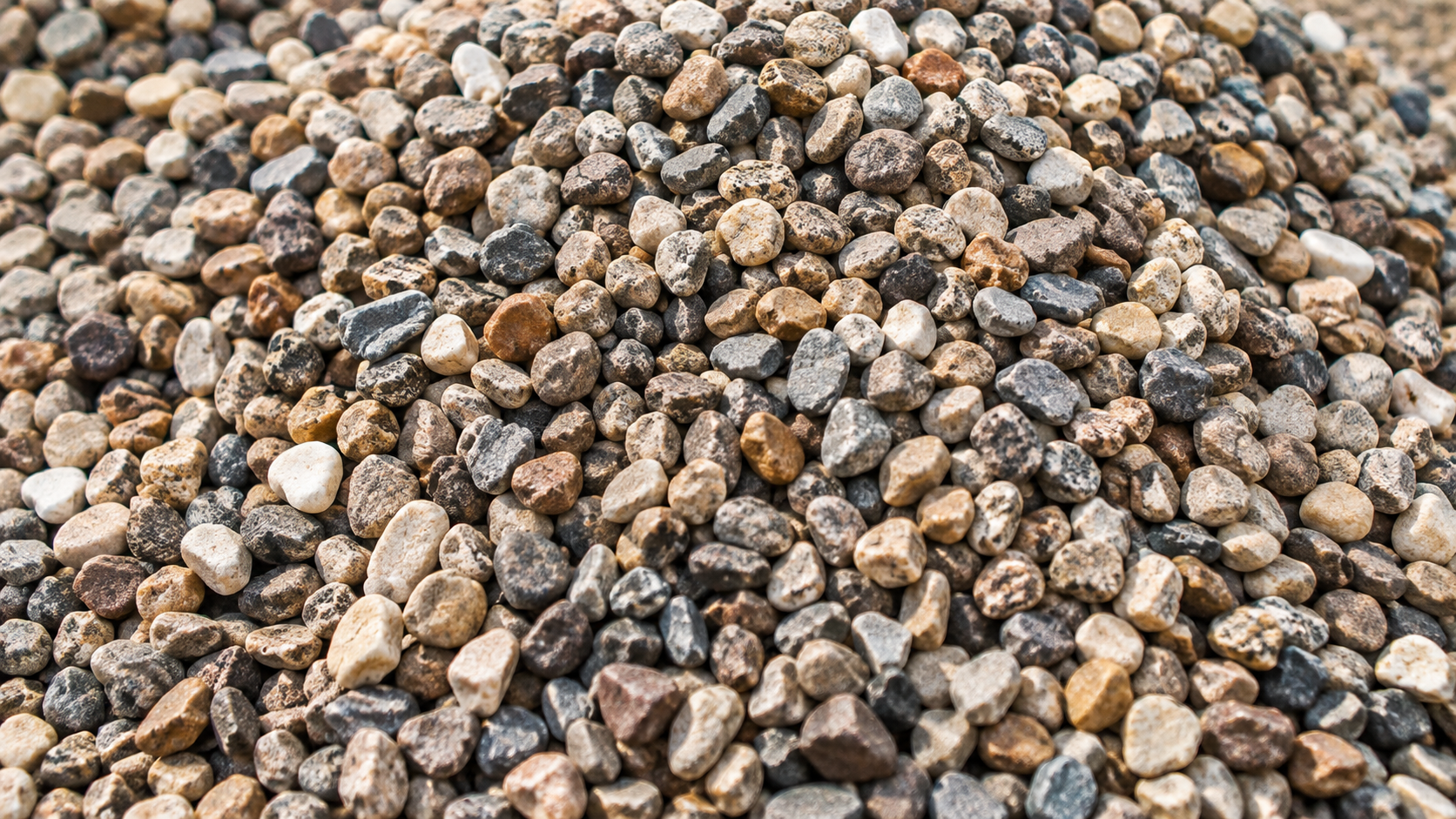
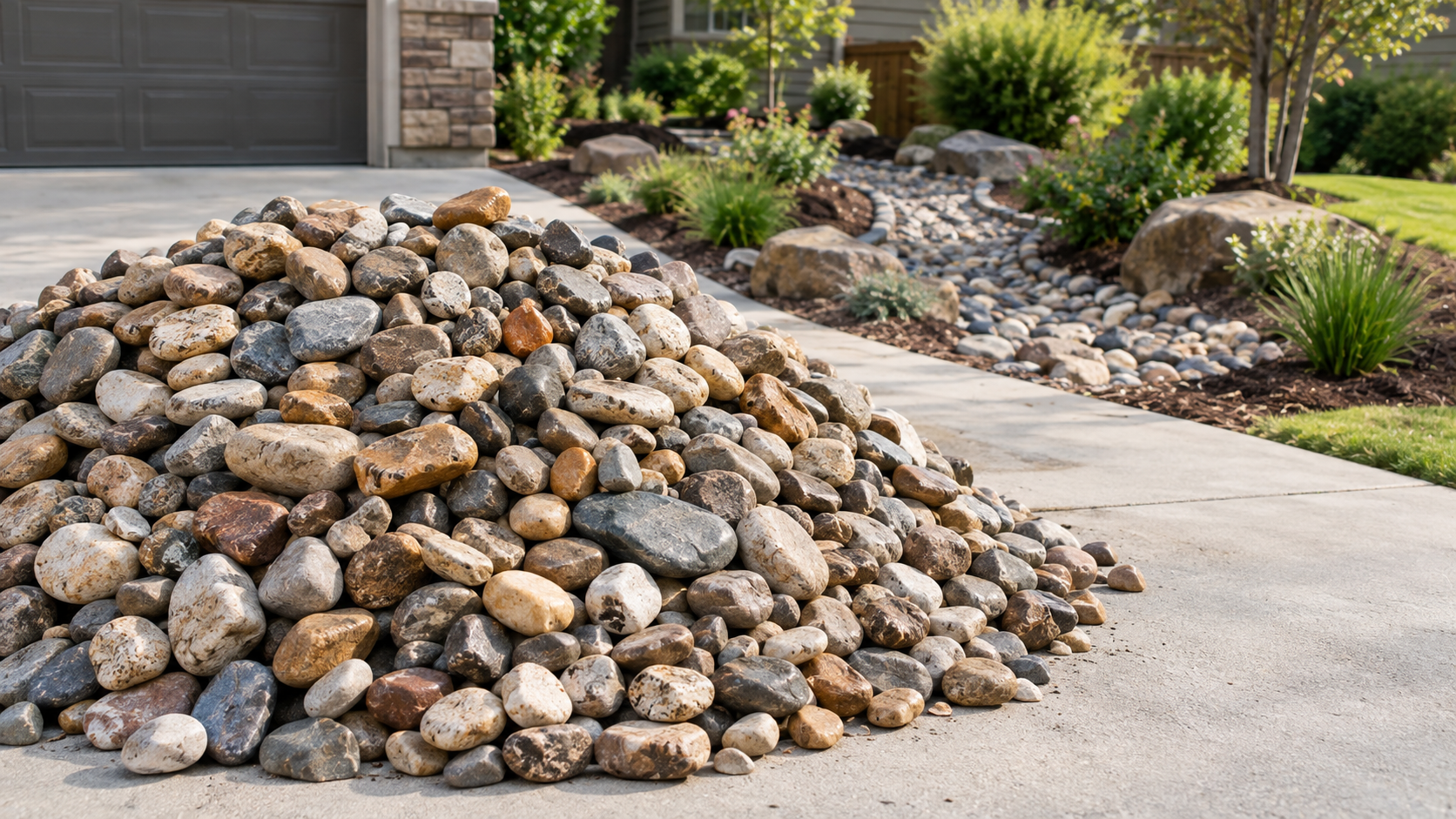
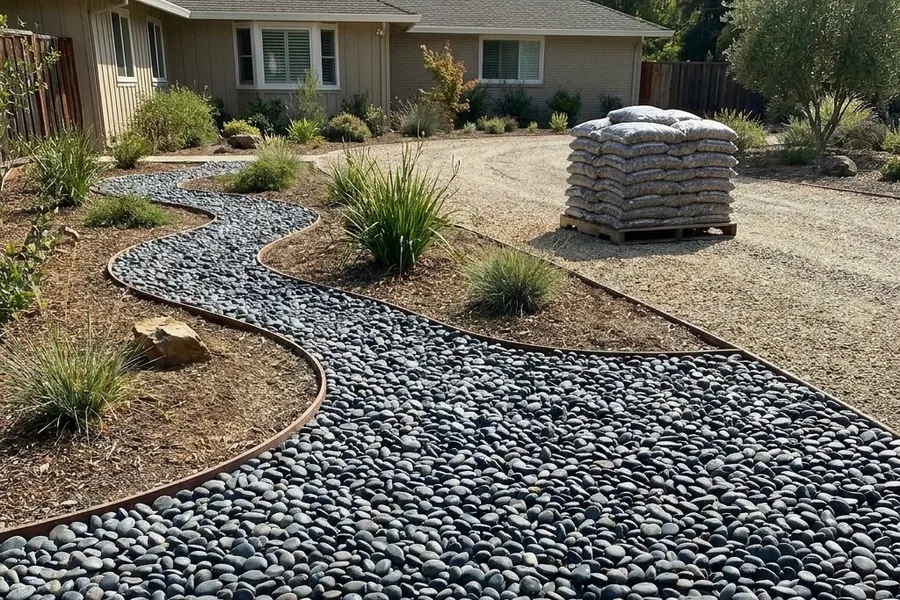
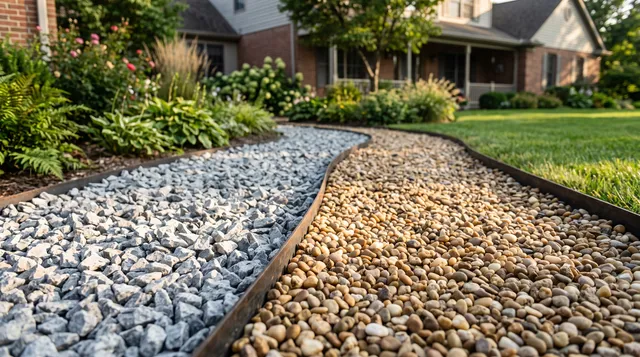
River rock consists of naturally rounded, smooth stones shaped by years of water flow. These stones typically range from pea-sized to several inches across, with colors varying from gray and tan to reddish-brown and black. The smooth surfaces and rounded edges create an attractive, natural appearance.

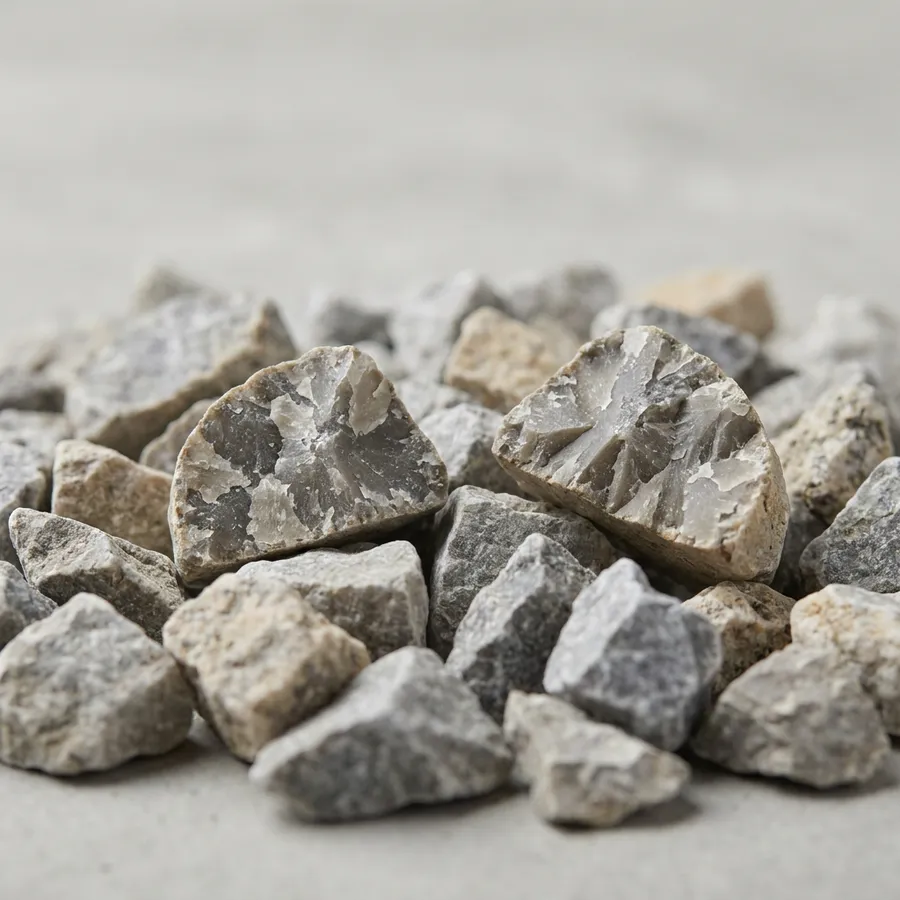
Crushed gravel, on the other hand, features angular, jagged edges from mechanical crushing. These sharp edges help the stones interlock and compact together, creating a more stable surface under heavy loads. However, crushed gravel doesn’t drain as freely as river rock and lacks the aesthetic appeal.

For greenhouse foundations, this difference is crucial. River rock excels at drainage but can shift more easily under weight. That’s why many experienced builders use crushed gravel as a base layer for stability, then top it with river rock for drainage and appearance.

Important consideration: River rock alone may not provide enough stability for heavy greenhouse frames without proper containment and base preparation.

Advantages and limitations of river rock foundations

River rock offers several compelling benefits for greenhouse foundations, but it’s important to understand the limitations too.

The advantages are significant. River rock provides outstanding drainage, preventing water from pooling around your greenhouse and reducing humidity-related problems inside. The stones resist weathering and erosion, maintaining their appearance and function for many years. When properly installed with adequate depth, river rock creates a stable, non-muddy surface that’s pleasant to walk on. Plus, it adds natural beauty to your garden space.

However, there are some limitations to consider. River rock doesn’t compact and interlock like crushed gravel, which means it can shift under heavy loads if not properly contained. In areas with severe frost or high winds, river rock alone may not provide sufficient anchoring for your greenhouse frame. The cost is typically higher than basic construction gravel, though still much less than concrete. Large river rocks can also be uncomfortable to walk on with thin-soled shoes.

Cost-wise, river rock falls in the middle range. You’ll pay more than for basic gravel or soil foundations, but significantly less than concrete slabs. The long-term durability and low maintenance requirements often justify the initial investment, especially compared to untreated wood foundations that may need replacement. Similar considerations apply when using river rock for shed foundations.

Foundation Type Best For Drainage Durability Cost Installation
River Rock Small-medium greenhouses Excellent High Medium Moderate
Concrete Slab Large/permanent structures Poor Very High High Difficult
Crushed Gravel Most greenhouse sizes Good High Low Easy
Wood Frame DIY/temporary setups Variable Medium Low-Medium Easy

How to install a river rock greenhouse foundation

Installing a river rock foundation requires careful planning and proper technique, but most DIY enthusiasts can handle the project with basic tools.

Start by assessing your site carefully. Check your greenhouse specifications for size and weight requirements. Evaluate your soil type, natural drainage patterns, and local frost depth. Determine whether river rock will serve as your primary foundation or as a drainage layer over compacted base material.

Prepare the ground thoroughly. Remove all grass, weeds, and organic material from the area, extending about 6 inches beyond your greenhouse footprint. Excavate to a depth of 4-8 inches, depending on your climate and greenhouse size. Level the soil and compact it firmly with a hand tamper or plate compactor.

Consider adding a base layer for extra stability. Many professionals recommend laying 2-4 inches of crushed gravel or road base, then compacting it thoroughly. This creates a stable foundation that prevents settling while allowing the river rock layer above to provide drainage and aesthetics.

Install edging to contain the stones. Use treated lumber, concrete edging, or landscape blocks to create a border that prevents river rock from spreading. Many greenhouse kits are designed to sit on perimeter frames, which serve this containment function perfectly.

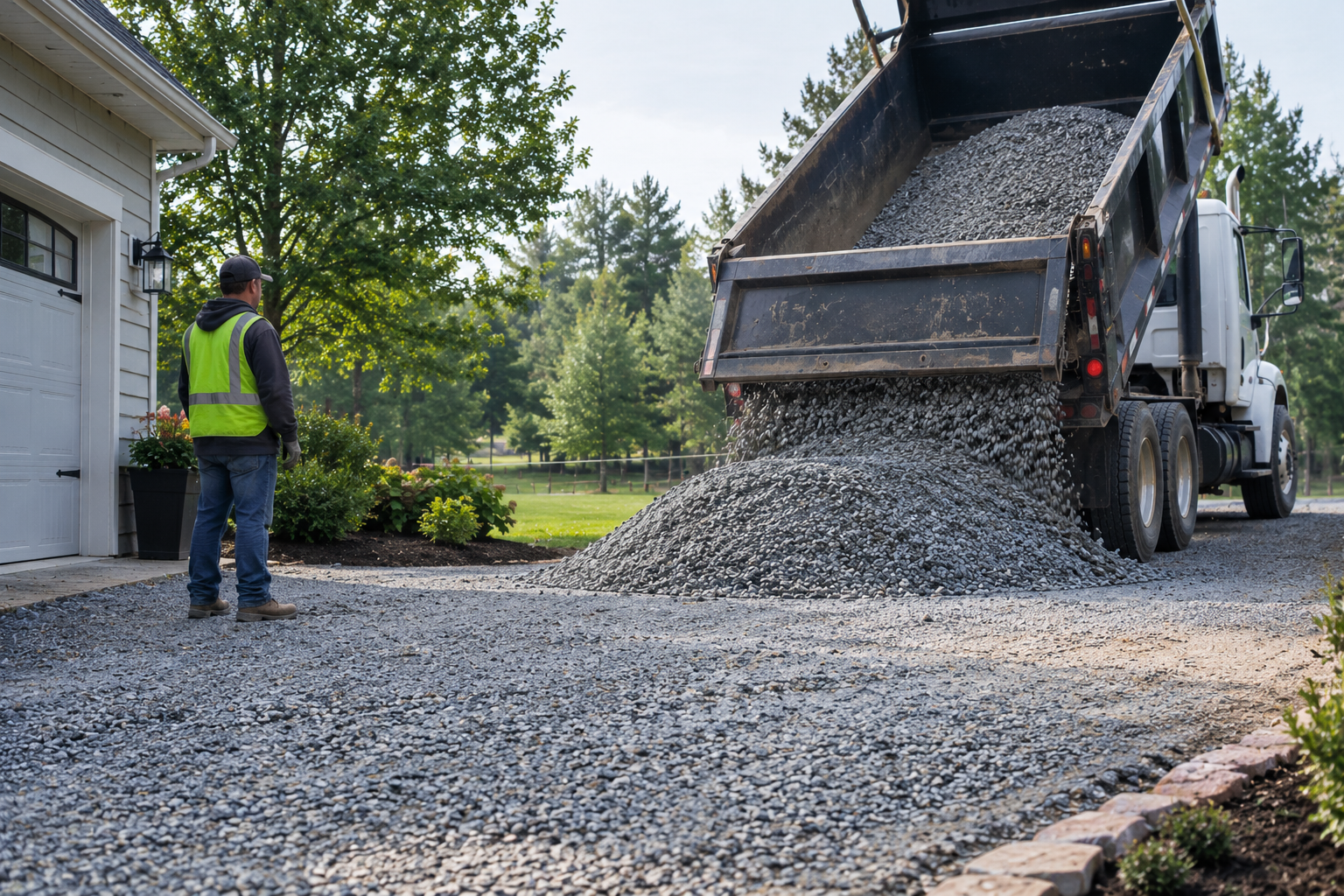
Add your river rock layer thoughtfully. Spread 2-4 inches of river rock over your prepared base. Choose stone sizes between 3/4 inch and 1.5 inches for the best balance of stability and walking comfort. Rake the surface level and add more stone as needed to achieve consistent depth. The same principles apply when using river rock for walkway foundations.

Step by step river rock foundation installation

Secure your greenhouse frame properly. Use ground anchors driven through the stone into the soil, concrete footings at corners, or attachment points to your perimeter frame. Proper anchoring is essential regardless of foundation type, especially in windy areas.

When to choose a different foundation option

While river rock works well for many greenhouse projects, certain situations call for different foundation approaches. Recognizing these scenarios helps you make the best choice for your specific needs.

Large commercial greenhouses or heavy glass structures need the stability that only concrete can provide. The weight and wind loads exceed what stone foundations can safely handle. Similarly, if you’re building in an area with very soft, unstable, or frequently waterlogged soil, you’ll need a more substantial foundation system.

Regions with severe frost heave require deeper, frost-protected footings that extend below the frost line. In these areas, concrete footings with proper depth provide better long-term stability than surface-level stone foundations.

If you need wheelchair accessibility or plan to use wheeled equipment regularly in your greenhouse, concrete or paver surfaces perform much better than loose stone. The smooth, level surface makes movement easier and safer. For other outdoor projects requiring stable bases, consider using river rock for patio bases or raised garden beds.

Climate consideration: In areas with frequent freeze-thaw cycles, proper drainage becomes even more critical to prevent foundation movement and damage.

For most backyard hobby greenhouses in moderate climates, river rock provides an excellent balance of performance, cost, and appearance. The key is matching your foundation choice to your specific situation rather than assuming one size fits all.

River rock foundations offer an attractive, functional solution for many greenhouse projects. When properly installed with adequate base preparation and containment, they provide excellent drainage, long-term durability, and natural beauty. The key to success lies in understanding when river rock works best and following proper installation techniques. With careful planning and execution, a river rock foundation can serve your greenhouse well for many years while enhancing your garden’s overall appearance.

FAQ

Is river rock a good foundation for a greenhouse?

River rock is a good foundation component for a greenhouse when used as the drainage and flooring layer rather than the sole structural base. It keeps the interior dry and clean and will not rot, but the greenhouse frame usually still needs to be anchored to a more rigid perimeter, such as concrete, pavers, or treated lumber, for long-term stability.

How thick should a river rock base be for a greenhouse?

A typical greenhouse floor uses around 4-8 inches total: a compacted sub-base of crushed stone, topped with 2-4 inches of gravel or river rock. The exact depth depends on soil type and climate, but the goal is a firm, level surface that drains well and does not become muddy or uneven over time.

How do you anchor a greenhouse on a river rock base?

To anchor a greenhouse on a river rock base, most builders first install a structural perimeter—such as treated lumber, concrete blocks, or a slab—and then fasten the greenhouse frame to that solid edge. The interior is then filled with compacted gravel or river rock, so the structure remains secure while the floor stays free-draining.

How do I prevent weeds in a river rock greenhouse floor?

To reduce weeds, lay a breathable landscape fabric over the compacted sub-base before spreading river rock, and keep organic debris like fallen leaves and potting soil cleaned up. Occasional hand-weeding or spot treatments may still be needed where dust and organic matter accumulate between stones.

Author: igor