Can You Use Pumice Stone for a Fire Pit? Safety, Uses, and Installation Guide
Published on: December 12, 2025
Get an estimate for your project in 60 seconds

When planning your fire pit area, you’ve probably considered concrete pavers, natural stone, or steel rings. But what about pumice stone? This lightweight volcanic rock offers unique benefits that most fire pit guides overlook.
Yes, pumice stone can safely be used around fire pits as ground cover, base material, and decorative fill. Its heat-resistant properties and excellent drainage make it particularly well-suited for fire pit surrounds, though it shouldn’t be placed directly in the flame zone.
Quick Fact: Pumice can withstand temperatures up to 1,200°F without cracking, making it more heat-resistant than many traditional fire pit materials like concrete or certain natural stones.
You’ll discover exactly where pumice works best in your fire pit project, how it compares to popular alternatives like lava rock and pea gravel, and the step-by-step process for proper installation. Let’s explore why this volcanic material might be the perfect solution for your outdoor space.
What makes pumice stone ideal for fire pit areas
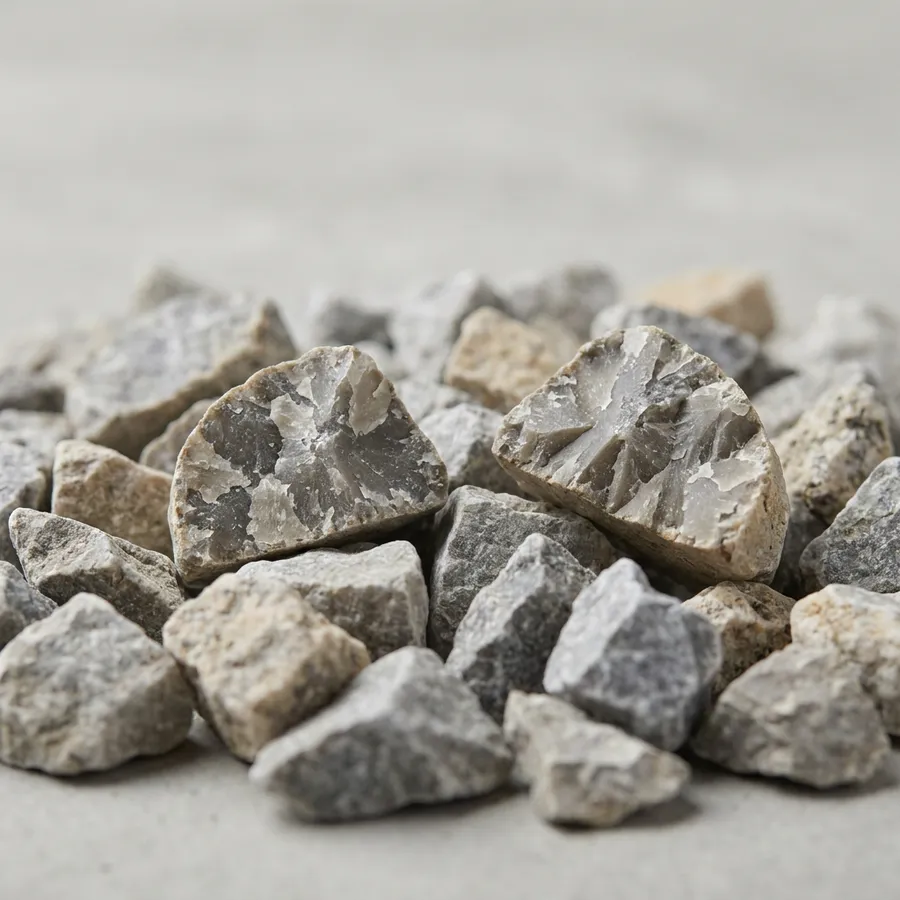
Pumice forms when volcanic lava cools rapidly, trapping gas bubbles that create its signature lightweight, porous structure. This unique formation gives pumice properties that work exceptionally well around fire features.
The porous nature provides excellent insulation, helping contain heat within your fire pit area while protecting surrounding surfaces. Unlike dense materials that can crack from thermal expansion, pumice’s cellular structure allows it to handle temperature changes without damage.
Heat resistance sets pumice apart from many alternatives. While concrete can crack at high temperatures and some natural stones may spall (explode from trapped moisture), pumice maintains its integrity even when exposed to intense heat from wood-burning fires. This makes it comparable to basalt for fire pit area projects, another volcanic material known for its heat tolerance.
The lightweight characteristic, while requiring some containment considerations, makes pumice comfortable to walk on barefoot. This creates a more enjoyable experience around your fire pit, especially for families with children who might be running around the area.

Safe applications for pumice around your fire pit
Understanding where to use pumice ensures both safety and optimal performance in your fire pit area. The key is matching pumice’s properties to appropriate applications while avoiding unsuitable uses.
Pumice excels as ground cover surrounding your fire pit. Use it in a 2-3 foot radius around the fire structure, where it provides heat protection for underlying surfaces and creates a defined fire zone. This application takes advantage of pumice’s insulating properties while keeping it away from direct flame contact.
For fire pit bases, pumice works well as a drainage layer beneath your fire structure. Its porous nature prevents water accumulation that could damage your fire pit or create safety hazards during use. If you’re looking for similar drainage benefits in other outdoor projects, consider pumice for raised garden beds where its lightweight properties also shine.
Avoid placing pumice directly in the fire bowl or as a fire media replacement. While heat-resistant, pumice isn’t designed to withstand direct flame contact like specialized fire glass or lava rock fire media. Keep pumice at least 12 inches away from the actual fire source.
Safety Note: Always check local fire codes before installing any fire pit materials. Some municipalities have specific requirements for non-combustible zones around fire features.
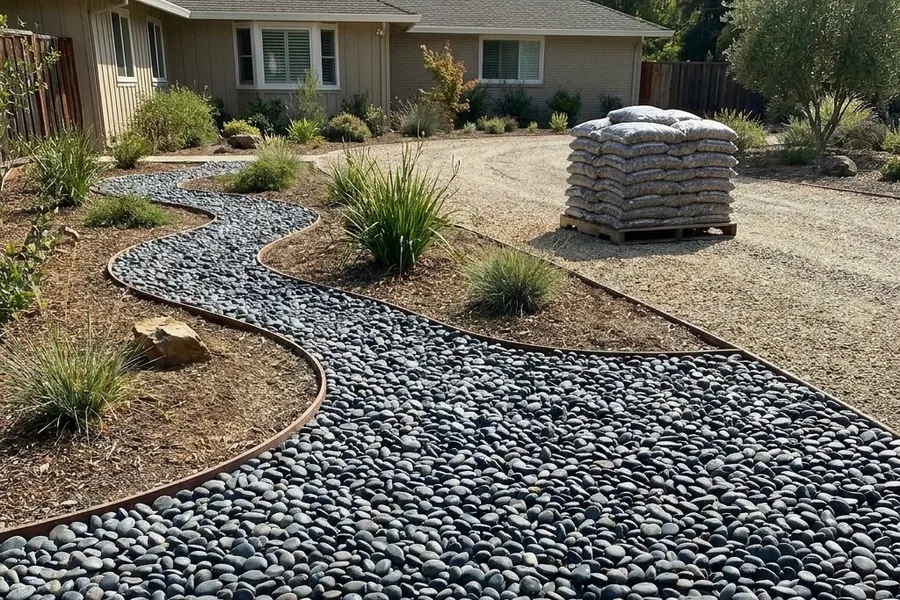
Consider pumice for pathways leading to your fire pit area. Its comfortable texture underfoot and natural appearance create an inviting approach while maintaining the volcanic theme that complements fire features. For walkway applications beyond fire pits, explore pumice for walkway foundations.
How pumice compares to other fire pit materials
Understanding how pumice stacks up against popular alternatives helps you make the best choice for your specific needs and budget.
| Material | Heat Resistance | Comfort Underfoot | Maintenance | Cost Range |
|---|---|---|---|---|
| Pumice | Excellent | High | Low | Moderate |
| Lava Rock | Excellent | Medium | Low | Moderate |
| Pea Gravel | Good | Low | Medium | Low |
| Decomposed Granite | Fair | Medium | High | Low |
Pumice versus lava rock represents the closest comparison, as both are volcanic materials. Lava rock offers similar heat resistance but feels rougher underfoot. Pumice’s lighter color also reflects heat better, keeping surface temperatures more comfortable during hot summer days. Both materials share volcanic origins, similar to how volcanic rock performs in fire pit areas.
Compared to pea gravel for fire pit areas, pumice provides superior comfort for barefoot use and better heat protection. Pea gravel can become uncomfortably hot and may shift more easily, requiring frequent raking and replenishment.
Decomposed granite compacts well but lacks pumice’s heat resistance. In high-temperature zones around fire pits, decomposed granite may harden into an impermeable surface that creates drainage problems and can crack from thermal stress.
Natural stone pavers like bluestone or limestone offer durability but at significantly higher cost and installation complexity. Pumice provides many of the same benefits with easier installation and better heat management properties.
Step-by-step installation guide for pumice fire pit areas
Proper installation ensures your pumice fire pit area performs well and lasts for years. The process involves careful planning, base preparation, and thoughtful material placement.
Start by planning your fire pit zone. Mark a circle extending 3-4 feet beyond your fire pit’s edge. This creates adequate clearance while defining the area where pumice will provide heat protection and visual appeal.
Excavate the marked area to a depth of 4-6 inches. Remove all organic material, roots, and debris that could decompose and create settling issues. The goal is a stable, clean base for your pumice installation.
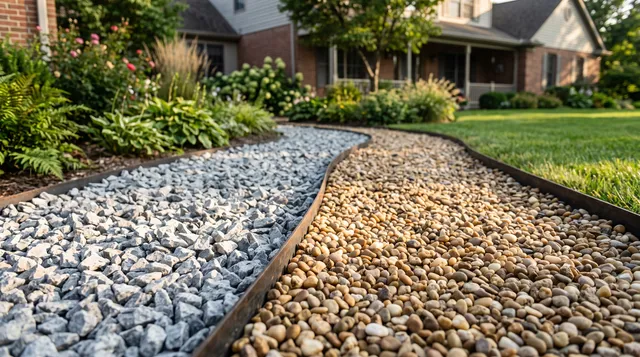
Install landscape edging around the perimeter. This prevents pumice from migrating into surrounding areas and maintains clean lines. Choose materials that complement your overall design, such as steel edging for modern looks or natural stone for rustic themes.

Lay a 2-inch base of compacted sand or decomposed granite. This provides drainage and creates a stable foundation for the pumice layer. Compact thoroughly using a hand tamper or plate compactor for larger areas.
Spread pumice to a depth of 2-3 inches over the prepared base. Rake level and lightly compact by walking over the surface. Avoid heavy compaction, which can crush pumice’s beneficial porous structure.
Water the installed pumice lightly to settle the material and reveal any low spots that need additional material. Top-dress as needed to maintain consistent depth and appearance.
Maintenance and long-term care considerations
Pumice requires minimal maintenance compared to many fire pit materials, but understanding proper care helps maximize its lifespan and appearance.
Regular raking keeps pumice looking fresh and functioning properly. Monthly raking redistributes material, prevents compaction, and removes debris like leaves or ash from fire pit use. This simple maintenance preserves pumice’s drainage properties and attractive appearance.
Ash removal becomes important if you use a wood-burning fire pit. While small amounts of ash can work into pumice without problems, heavy accumulation may clog the porous structure and reduce drainage effectiveness.
Seasonal replenishment addresses natural settling and displacement. Plan to add 10-20% additional pumice annually, focusing on high-traffic areas and spots where material has shifted due to weather or use patterns.
Weed control in pumice areas typically requires less effort than with other materials. The porous structure allows for good drainage while the mineral composition doesn’t provide the organic matter that supports weed growth. Spot-treat any weeds that do appear rather than using broad applications of herbicides.
Winter preparation in cold climates involves ensuring proper drainage. Pumice’s porous nature naturally prevents ice formation problems, but check that edging and drainage systems remain clear to handle snowmelt effectively.
Consider the surrounding landscape when planning maintenance schedules. Areas under trees may require more frequent cleaning to remove fallen leaves, while open locations might need occasional leveling after heavy rains or wind events. For pet owners considering pumice in other areas, check out using pumice for dog run areas for additional maintenance insights.
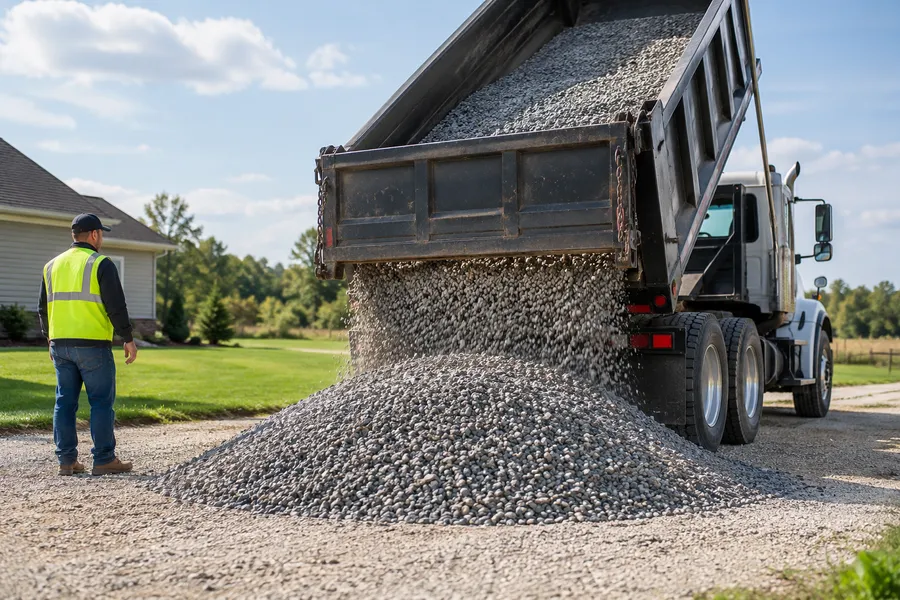
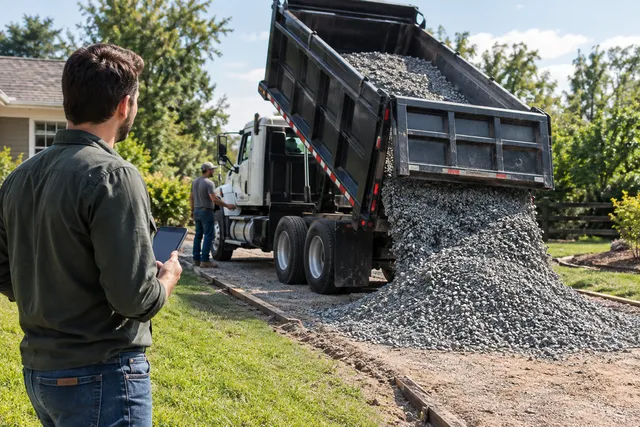
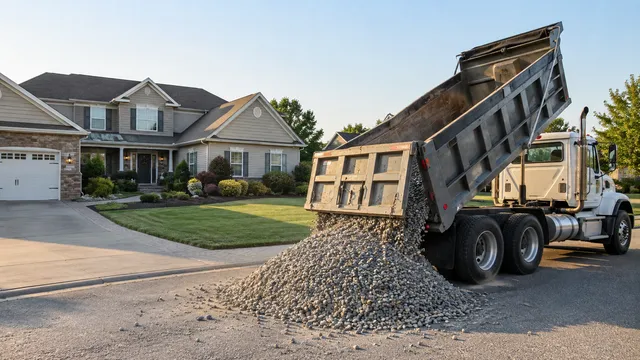
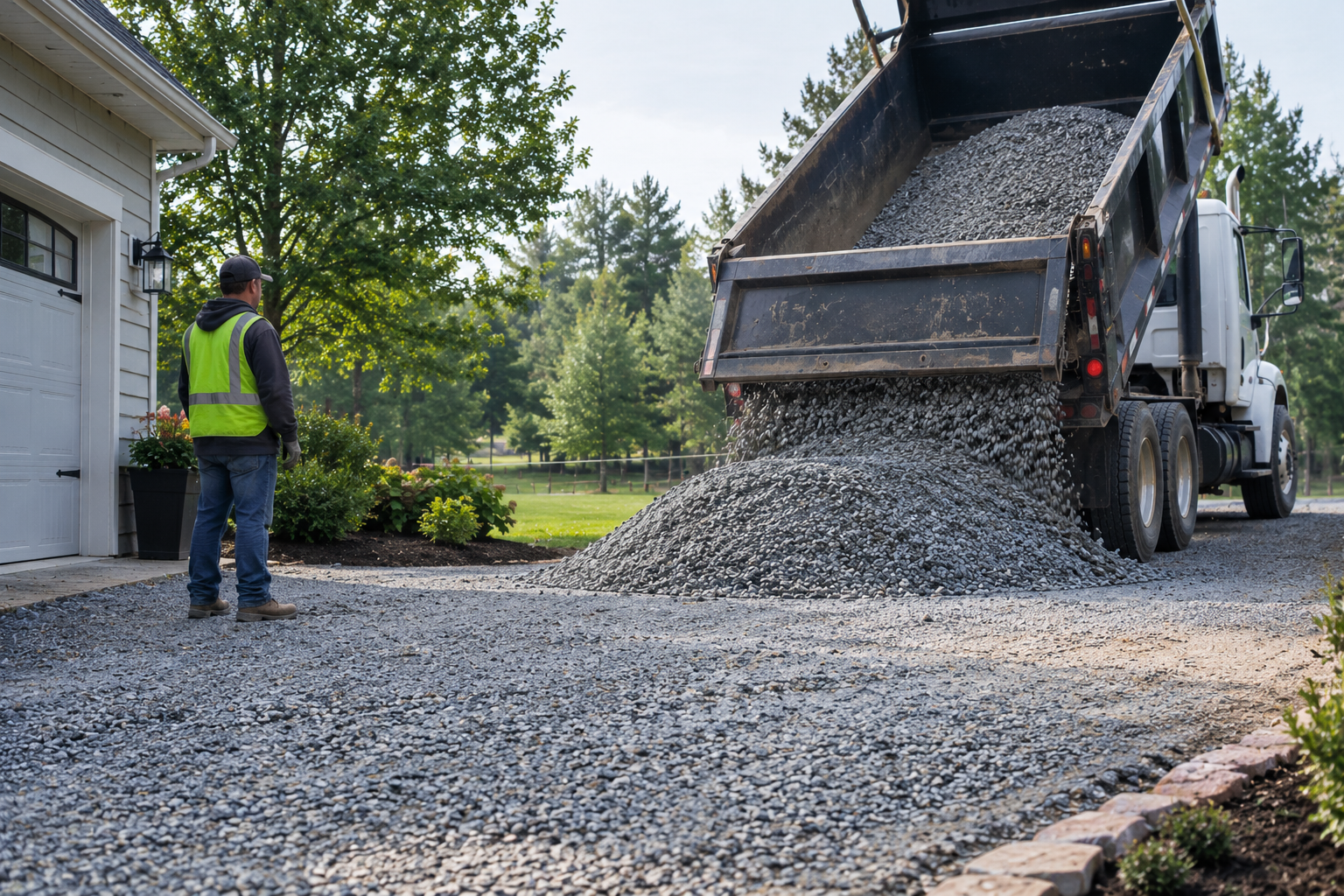
Ready to create your perfect fire pit area with pumice? Hello Gravel provides high-quality pumice stone specifically sized for landscaping applications. Our delivery service brings materials directly to your project site, making installation straightforward and convenient. Whether you’re building a new fire pit area or upgrading an existing space, pumice offers the ideal combination of safety, comfort, and natural beauty for your outdoor living space.
Frequently Asked Questions About Pumice Stone for Fire Pits
Is pumice stone safe to use in a fire pit?
How does pumice compare to lava rock for fire pit areas?
How much pumice stone do I need for my fire pit area?
What maintenance does pumice require around fire pits?
Author: igor