
Window Well Calculator
— How Much Do You Need?
Window well material calculator — estimate gravel, drainage rock, or sand with accurate truckload pricing and guidance.
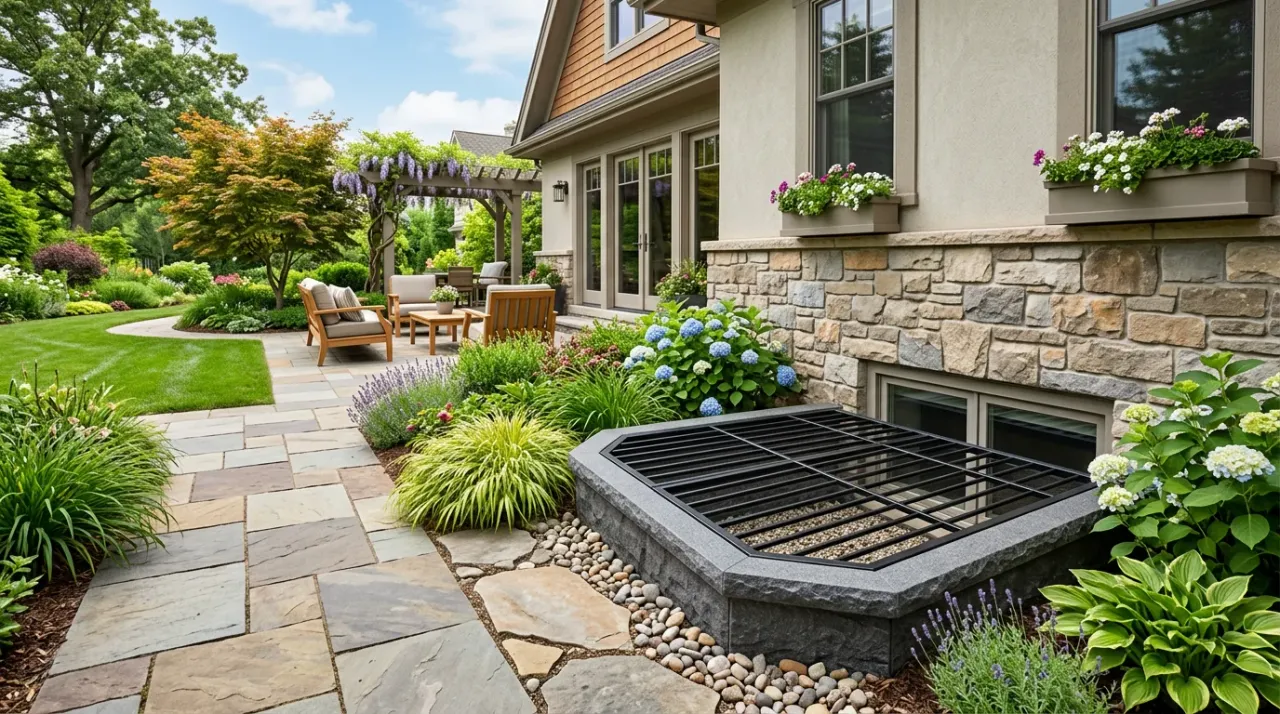
How to Use This Window Well Calculator
Planning a window well requires precise measurements to ensure you order enough material without overspending.
- 1 Measure Area: Measure the length and width of your planned window well area in feet.
- 2 Determine Depth: For most window well projects, a depth of 4 to 6 inches is recommended for stability.
- 3 Review Results: The calculator provides both cubic yards (for bulk volume) and tons (for ordering weight).
Common Materials for Window Wells
Choosing the right drainage material is critical for window well installations, as poor water management can lead to pooling, leaks, and costly foundation damage.
| Material | Description | Best For | Est. Cost |
|---|---|---|---|
| #57 Crushed Stone | Angular, 3/4-inch crushed limestone or granite fragments that compact loosely and allow rapid water infiltration. | Drainage Base Layer, Perimeter Backfill, Sump Drain Connection | $ |
| Pea Gravel | Smooth, rounded stones typically 3/8 inch in diameter, washed and free of fines. | Drainage Base Layer, Well Bottom Fill, Perimeter Drainage | $$ |
| #2 Crushed Stone | Coarse, angular crushed stone ranging from 1.5 to 2.5 inches in size with high void space for drainage. | High-Volume Drainage, Deep Well Base, Footing Drain Connection | $ |
| Clean Fill Dirt | Uncontaminated native or imported soil free of organic matter, debris, and large rocks, suitable for compaction. | Perimeter Backfill, Grading Away from Foundation, Limited Use for Drainage | $ |
Understanding the Cost
Several factors influence the final price of your window well project.
Material Volume
The dimensions of your project directly dictate the tonnage needed. Deeper bases require significantly more material.
Delivery Distance
Transport logistics play a major role. Being closer to the quarry or depot reduces delivery fees significantly.
Material Type
Decorative stones cost more than utility grades. Choose based on your project's functional and aesthetic requirements.
Recommended Products for Your Window Well

Gravel Calculator
This gravel calculator estimates cubic yards, tons, and coverage for any area. Enter dimensions and depth for driveways, patios, paths, and landscaping.
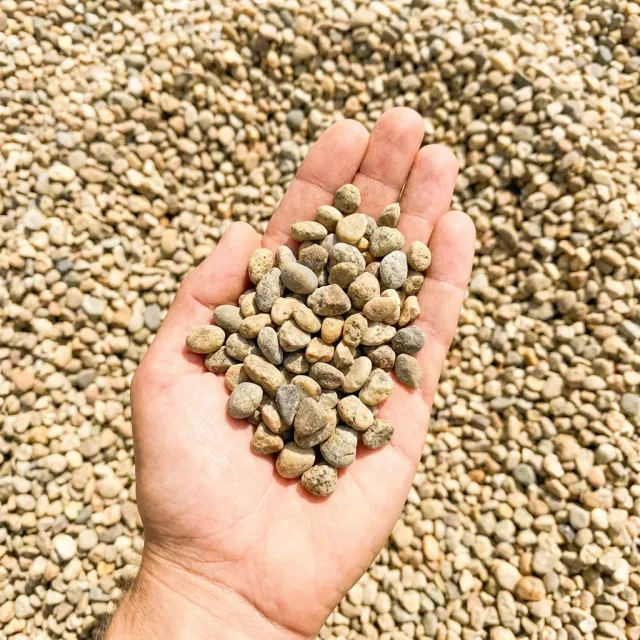
Pea Gravel Calculator
Pea gravel calculator — enter your project dimensions to estimate volume in cubic yards, tons, and bags. Ideal for pathways, patios, and ground cover.
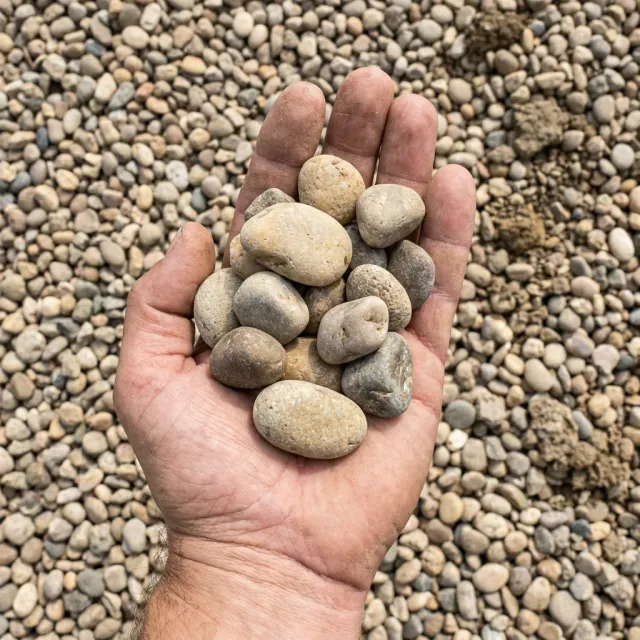
River Rock Calculator
This calculator estimates river rock by the ton for flowerbeds, dry creek beds, and borders. Adjusts for rock size — larger stones cover less per ton.
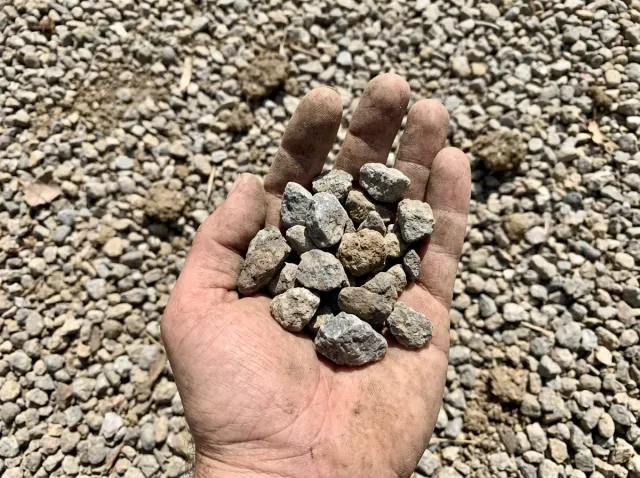
Drainage Rock Calculator
This calculator estimates drainage gravel for French drains, yard drainage, and erosion control. Factors in the 4-6 inch depth most systems need.
Frequently Asked Questions
What is a window well, and why does it need gravel?
A window well is a curved or rectangular barrier installed around a basement window that sits below ground level. It holds back the surrounding soil so the window stays clear, functional, and able to let in natural light. Without a window well, the earth would press directly against the window frame, leading to moisture damage, cracked glass, and blocked light. Gravel is a critical part of every window well setup because water naturally collects in that excavated space. Rain, runoff, and groundwater all flow toward your foundation and into the well. Without a coarse gravel layer at the bottom, that water has nowhere to go. It pools against the window frame, seeps through gaps, and can eventually cause basement leaks, rot, and mold. Gravel bed lets water percolate down and away from the window rather than rising up against it. Think of it as the foundation of your window well's drainage system. Without gravel, even a well-built window well will eventually cause you problems.
What type of gravel works best for window well drainage?
The best gravel for a window well is clean, coarse, and washed. You need material with very few fine particles, meaning minimal dust, clay, or silt. Fine particles clog the spaces between stones over time and slow down drainage, which defeats the whole purpose of putting gravel there in the first place. Two of the most reliable choices are pea gravel and clean washed crushed stone in the 3/4 inch range. Pea gravel is rounded, easy to work with, and has a tidy appearance that looks good if your window well is visible from a patio or walkway. Washed crushed stone in the 3/4 inch size creates excellent drainage because its angular shape leaves plenty of open space for water to move through quickly. In both cases, the word "washed" matters. Washed gravel has had the fines rinsed away, so it stays open and free-draining for years. If you are not sure which product best fits your drainage setup, reach out to the Hello Gravel team and we will help you find the right match.
Why should I use gravel instead of dirt or soil in a window well?
Soil holds water. Gravel drains it. That difference is the entire reason gravel belongs at the bottom of a window well and soil does not. When soil gets wet, it compacts and becomes dense. Water stops moving through it and instead sits against your foundation wall and window frame. That trapped moisture works its way into your basement, encourages mold growth, and causes long-term structural damage. Using dirt in a window well is one of the most common and costly mistakes homeowners make. Gravel works the other way. Its open, porous structure allows water to pass through almost immediately and percolate down toward the soil below the well or into a drain pipe. It does not compact the way soil does, and it stays effective through many seasons of rain and snow. If you currently have soil or compacted fill in your window wells, replacing it with clean drainage gravel is a straightforward fix that can make a noticeable difference in how dry your basement stays.
How deep should the gravel layer be in a window well?
Most building codes and installation guides recommend a minimum of 6 inches of gravel at the bottom of a window well. That gives you a solid drainage buffer for typical rain events. In areas with heavy rainfall, high water tables, or clay-heavy soil that drains slowly, going to 12 inches of gravel gives you extra capacity and peace of mind. If your window well connects to a drain pipe or a larger drainage system, 6 inches of gravel over the drain inlet is generally enough to filter sediment and keep the drain flowing freely. If there is no dedicated drain and you are relying entirely on the gravel bed to absorb and slowly release water, the deeper you go the better. A good rule of thumb is this: more gravel depth means more storage capacity during a heavy downpour. When in doubt, add a few extra inches. It is inexpensive insurance against a wet basement.
How much gravel do I need for my window wells?
The total amount depends on the number of window wells you have, their width and depth, and how thick you want the gravel layer to be. A standard window well is roughly 3 to 4 feet wide and extends 18 to 24 inches out from the foundation wall. With a 6 to 12 inch gravel layer at the bottom, each well takes a relatively modest volume of material. That said, most homeowners order window well gravel alongside other materials for a broader project. If you are working on foundation drainage, a French drain, or landscaping at the same time, ordering a bulk truckload through Hello Gravel covers all of it in a single delivery and saves you the hassle of multiple orders. The easiest way to get a precise number is to plug your window well dimensions and desired gravel depth into the Hello Gravel calculator. It will give you a clear material estimate based on your actual project. If you have questions about quantities or want help planning an order that covers your full list of drainage work, our team is always glad to help.
More Project Calculators

Playground Calculator
This calculator estimates mulch, rubber, or wood fiber surfacing for playgrounds. Enter area and recommended depth to get cubic yards and tons.
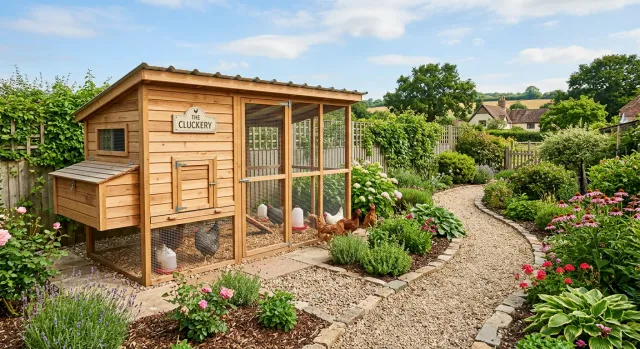
Chicken Coop Calculator
Use this calculator to estimate how much gravel your coop base requires. Input dimensions and depth for volume in cubic yards and stone type guidance.

Basketball Court Calculator
Court base calculator — estimate gravel, sand, and sub-base quantities for backyard or regulation basketball courts. Input court size for material totals.

Tennis Court Calculator
Use this calculator to estimate the crushed stone base for a new or resurfaced tennis court. Enter dimensions and depth for volume and tonnage.
Delivery Logistics & Truck Info
Know your delivery options and access requirements before scheduling your order.
Truck Capacities
- Standard Dump Truck10–14 tons
- Tandem Axle14–18 tons
- Semi End Dump20–25 tons
A standard cubic yard weighs approximately 2,000–2,700 lbs depending on material and moisture.
Site Access Requirements
- Trucks require a minimum 12-ft wide, overhead-clear access path
- Soft ground or slopes over 10% may limit truck access — contact us before ordering
- Ensure no underground utilities or irrigation lines are in the drop zone
- Mark your desired drop location clearly before delivery
Important Notes
- Delivery estimates are based on available inventory and route proximity
- Minimum order quantities apply — typically 5 cubic yards or 1 truckload
- Material certification is available upon request for permitted projects
- Always confirm local ordinances before major material placement