
Walkway Calculator
— How Much Do You Need?
Quickly calculate material needs and truckload delivery for durable gravel or paver walkways.
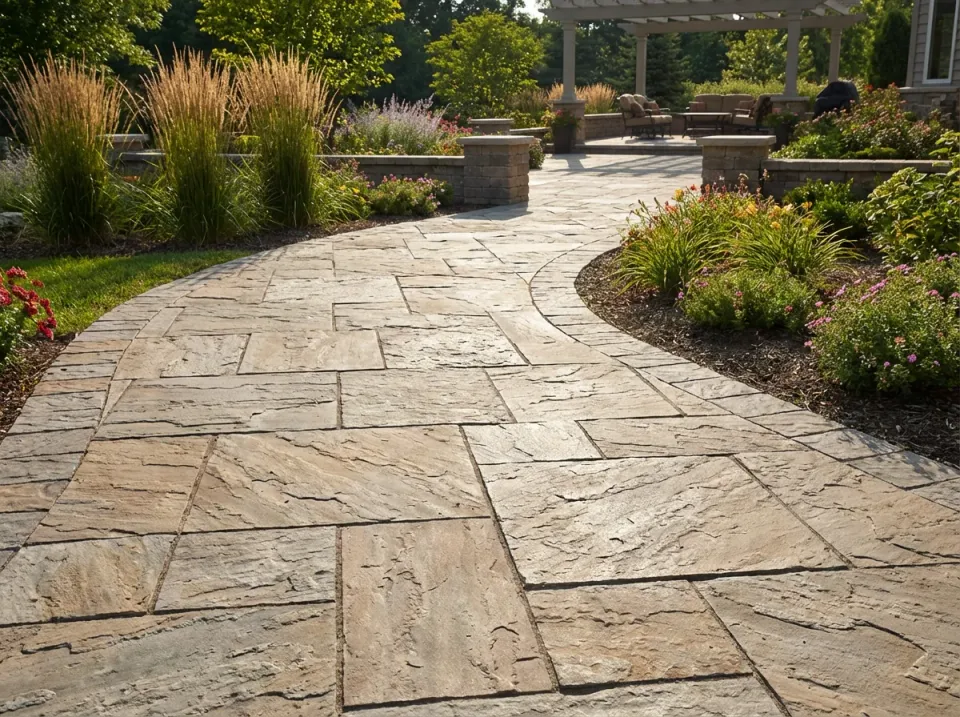
How to Use This Walkway Calculator
Planning a walkway requires precise measurements to ensure you order enough material without overspending.
- 1 Measure Area: Measure the length and width of your planned walkway area in feet.
- 2 Determine Depth: For most walkway projects, a depth of 4 to 6 inches is recommended for stability.
- 3 Review Results: The calculator provides both cubic yards (for bulk volume) and tons (for ordering weight).
Common Materials for Walkways
Selecting the right base and surface material for a walkway is critical to ensuring long-term stability, proper drainage, and safe pedestrian footing under repeated foot traffic.
| Material | Description | Best For | Est. Cost |
|---|---|---|---|
| Crusher Run (QP) | A blend of crushed stone particles ranging from 3/4-inch down to fine dust that compacts into a dense, stable layer. | Compacted Base Layer, Subgrade Stabilization, Residential Walkways | $ |
| #57 Crushed Stone | Clean, angular crushed stone typically 1-inch minus with no fines, providing excellent drainage and load distribution. | Drainage Base, Sub-base Under Pavers, Concrete Sub-base | $$ |
| Concrete Sand | Coarse, washed sand with angular grains meeting ASTM C33 gradation standards, ranging from fine to approximately 3/8 inch, free of silt and clay. | Paver Bedding Layer, Joint Filling, Leveling Course | $ |
| Pea Gravel | Small, smooth, rounded gravel typically 3/8-inch in diameter, naturally weathered with a polished appearance. | Decorative Gravel Paths, Informal Garden Walkways, Not Paver Base | $$ |
Understanding the Cost
Several factors influence the final price of your walkway project.
Material Volume
The dimensions of your project directly dictate the tonnage needed. Deeper bases require significantly more material.
Delivery Distance
Transport logistics play a major role. Being closer to the quarry or depot reduces delivery fees significantly.
Material Type
Decorative stones cost more than utility grades. Choose based on your project's functional and aesthetic requirements.
Recommended Products for Your Walkway
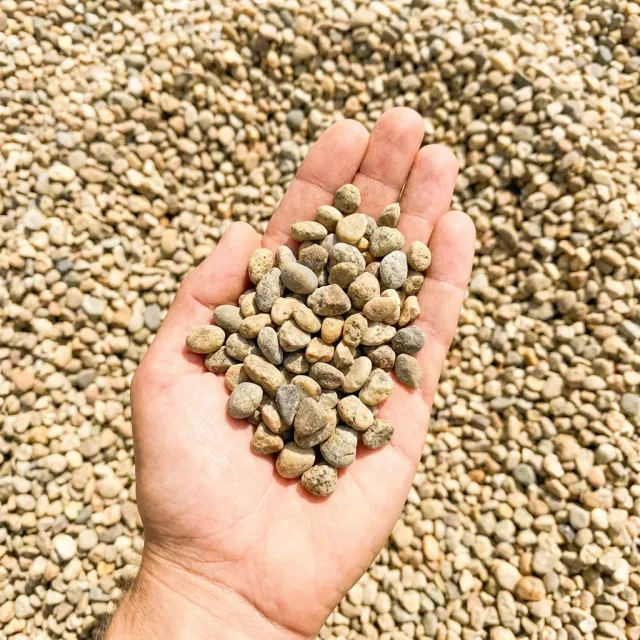
Pea Gravel Calculator
Pea gravel calculator — enter your project dimensions to estimate volume in cubic yards, tons, and bags. Ideal for pathways, patios, and ground cover.
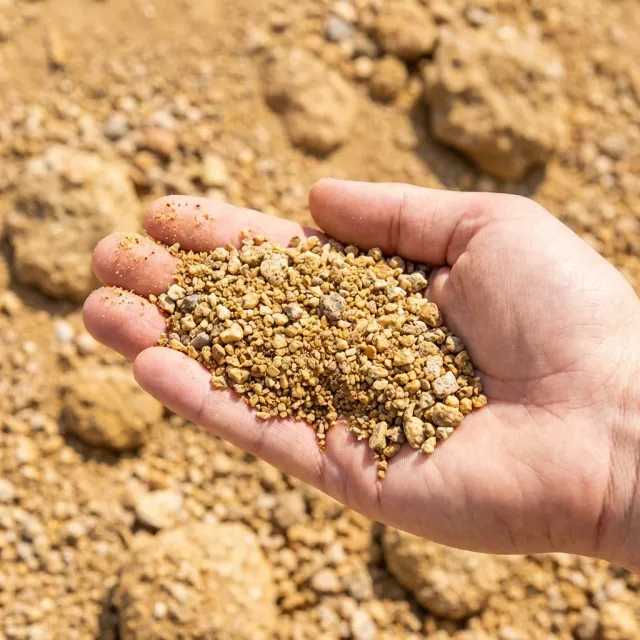
Decomposed Granite Calculator
DG calculator for pathways, patios, and driveways. Enter length, width, and depth to estimate tonnage — most projects need 2-3 inches for a compacted finish.
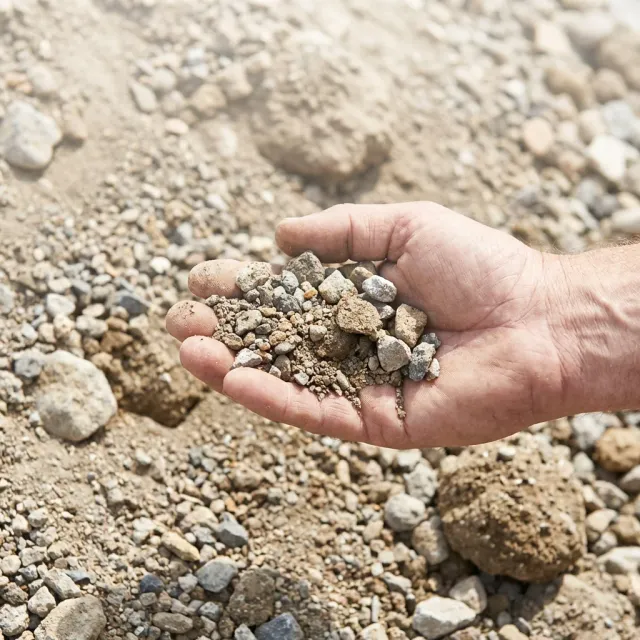
Road Base Calculator
Road base calculator — enter length, width, and depth to estimate volume and tonnage for crushed limestone, recycled concrete, and aggregate base.
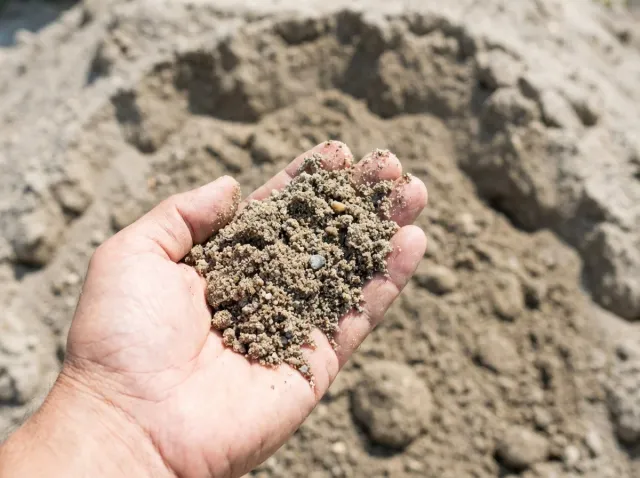
Concrete Sand Calculator
Concrete sand calculator — estimate volume and weight based on your project's length, width, and depth. Results in cubic yards and tons, ready for ordering.
Frequently Asked Questions
What makes gravel a smart choice for a walkway?
Gravel is one of the most practical materials you can use for a walkway, and the reasons go beyond just cost. It drains naturally, so water moves through it instead of pooling on top after a rainstorm. That makes it a much better option than hard surfaces in areas with heavy rainfall or poor drainage. It's also far easier to install than concrete or pavers. You don't need forms, cure times, or specialized equipment. You prepare the ground, lay your material, compact it, and you're done. Gravel is also forgiving over time. If a section of your path settles or thins out, you can top it off with fresh material rather than tearing out a slab and starting over. That kind of low-maintenance flexibility is hard to match with rigid surfaces. From a visual standpoint, gravel comes in a range of colors, textures, and sizes, so you can create anything from a rustic garden path to a clean, formal front entryway. Whether you're building a simple backyard walkway or a long decorative path connecting multiple areas of your property, gravel gives you a durable, attractive result at a fraction of the cost of hardscape alternatives.
What is the difference between a walkway and a sidewalk?
A sidewalk is typically a paved concrete path built along a public street or road. It's part of public infrastructure, usually installed and maintained by a municipality, and almost always made from poured concrete. A walkway is a broader term for any path designed for foot traffic. It can connect your driveway to your front door, wind through a garden, cut across a yard, or run between buildings on a commercial property. Walkways can be made from concrete, pavers, stepping stones, or loose surface materials like gravel and decomposed granite. For the purposes of a gravel project, the distinction matters because you're building on private property and have full control over the material, depth, and design. You're not limited to a hard surface, and you don't need permits or contractors for most residential gravel walkways. A well-built gravel walkway on private property can look just as polished as a paved one, especially when you use a quality material and install proper edging to keep the path defined. Hello Gravel's bulk aggregate delivery is designed specifically for private projects like this, so you have everything you need to get it done on your own schedule.
What type of gravel works best for a walkway?
The best gravel for your walkway depends on two things: how the path will be used and how you want it to look. Pea gravel, typically around 3/8 of an inch in diameter, is one of the most popular choices for walkways. It's smooth underfoot, has a clean and uniform appearance, and comes in warm natural tones. The tradeoff is that it's round and tends to shift underfoot, so it works better on low-traffic or decorative paths than on a heavily used daily route. Crushed stone in a similar size range is a more stable option. Because the pieces are angular rather than round, they interlock when compacted and don't migrate as easily. This makes crushed stone a better choice for paths that see regular foot traffic. Decomposed granite is a top pick for formal garden paths and front yard walkways. It compacts almost like a firm surface when properly installed, holds its shape well, and has a natural, refined look. Crusher run, also called dense grade aggregate, is the most stable option of all. It packs down tightly and creates a firm, solid surface. It's often used as a base layer under a decorative top coat, but it also works well as a standalone walkway surface, especially for utilitarian paths where appearance is secondary to function. If you're not sure which material fits your project best, the Hello Gravel team is happy to help you narrow it down.
What is the most affordable way to build a walkway?
Gravel is consistently one of the most cost-effective walkway materials available, and that's a big part of why it's so widely used. Compare it to poured concrete, which involves forming, labor, and days of cure time, or to pavers and flagstone, which can get expensive quickly both in material and installation costs. A gravel walkway requires basic ground prep, minimal tools, and straightforward installation that most homeowners can handle themselves. If you're working with a tight budget, crusher run and recycled crushed concrete are particularly economical choices. Both compact well, drain properly, and hold up to regular foot traffic without breaking down quickly. They may not have the decorative appeal of pea gravel or decomposed granite, but they deliver a clean, functional path at a lower material cost. Ordering through Hello Gravel gives you access to bulk aggregate pricing by the truckload, which is a much better value than buying bags from a hardware store for any project of meaningful size. Delivery is included, and you choose your own delivery date, so you can time it to fit your project schedule. To get a clear picture of what your walkway project will require before you place an order, use the Hello Gravel calculator. It lets you enter your walkway dimensions and desired depth to produce a quantity estimate based on your actual project, not a rough guess.
How much gravel do I need for my walkway, and how deep should it be?
For most gravel walkways, a finished depth of 3 to 4 inches is the right target. Less than that and the surface won't feel stable underfoot. More than that and you're using more material than the project actually needs. As a general reference, one ton of gravel covers approximately 100 square feet at 2 inches of depth. At 3 inches, that same ton covers roughly 65 to 70 square feet. At 4 inches, you're looking at about 50 square feet per ton. These figures vary depending on the material type and how tightly it compacts, so treat them as a starting point rather than a hard number. To put that in practical terms: a walkway that's 3 feet wide and 50 feet long gives you 150 square feet of surface area. At a 3-inch depth, that walkway would need roughly 2 to 2.5 tons of material. A longer or wider path scales up from there. If you're planning a two-layer installation with a crusher run base and a decorative top layer, you'll need to calculate each layer separately, since they may be different depths. The Hello Gravel calculator handles this easily. Just enter your walkway's length, width, and intended depth for each layer, and it will give you a precise quantity recommendation. That way you're ordering what you actually need without falling short or over-ordering.
More Project Calculators
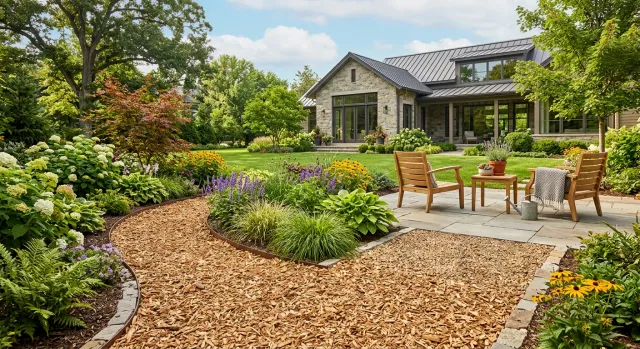
Playground Calculator
This calculator estimates mulch, rubber, or wood fiber surfacing for playgrounds. Enter area and recommended depth to get cubic yards and tons.
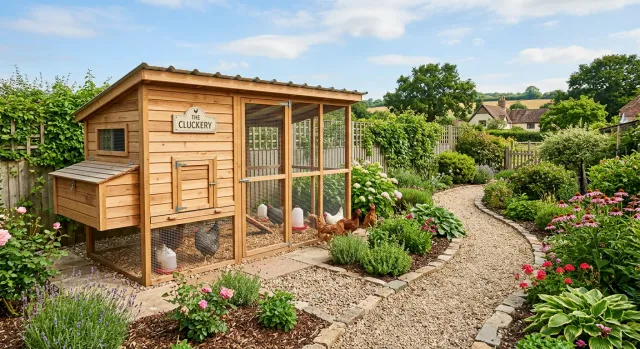
Chicken Coop Calculator
Use this calculator to estimate how much gravel your coop base requires. Input dimensions and depth for volume in cubic yards and stone type guidance.
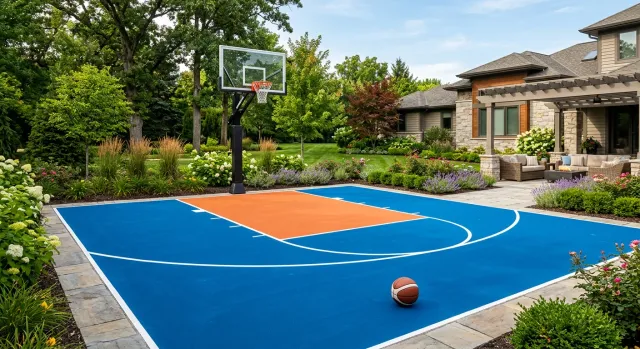
Basketball Court Calculator
Court base calculator — estimate gravel, sand, and sub-base quantities for backyard or regulation basketball courts. Input court size for material totals.
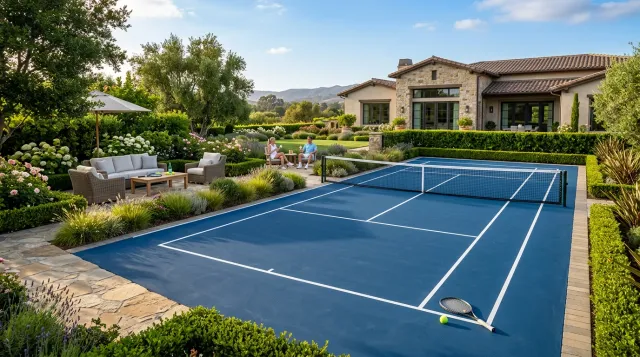
Tennis Court Calculator
Use this calculator to estimate the crushed stone base for a new or resurfaced tennis court. Enter dimensions and depth for volume and tonnage.
Delivery Logistics & Truck Info
Know your delivery options and access requirements before scheduling your order.
Truck Capacities
- Standard Dump Truck10–14 tons
- Tandem Axle14–18 tons
- Semi End Dump20–25 tons
A standard cubic yard weighs approximately 2,000–2,700 lbs depending on material and moisture.
Site Access Requirements
- Trucks require a minimum 12-ft wide, overhead-clear access path
- Soft ground or slopes over 10% may limit truck access — contact us before ordering
- Ensure no underground utilities or irrigation lines are in the drop zone
- Mark your desired drop location clearly before delivery
Important Notes
- Delivery estimates are based on available inventory and route proximity
- Minimum order quantities apply — typically 5 cubic yards or 1 truckload
- Material certification is available upon request for permitted projects
- Always confirm local ordinances before major material placement