
Tree Well Calculator
— How Much Do You Need?
Calculate mulch, soil & gravel for tree wells — truckload delivery with clear pricing.
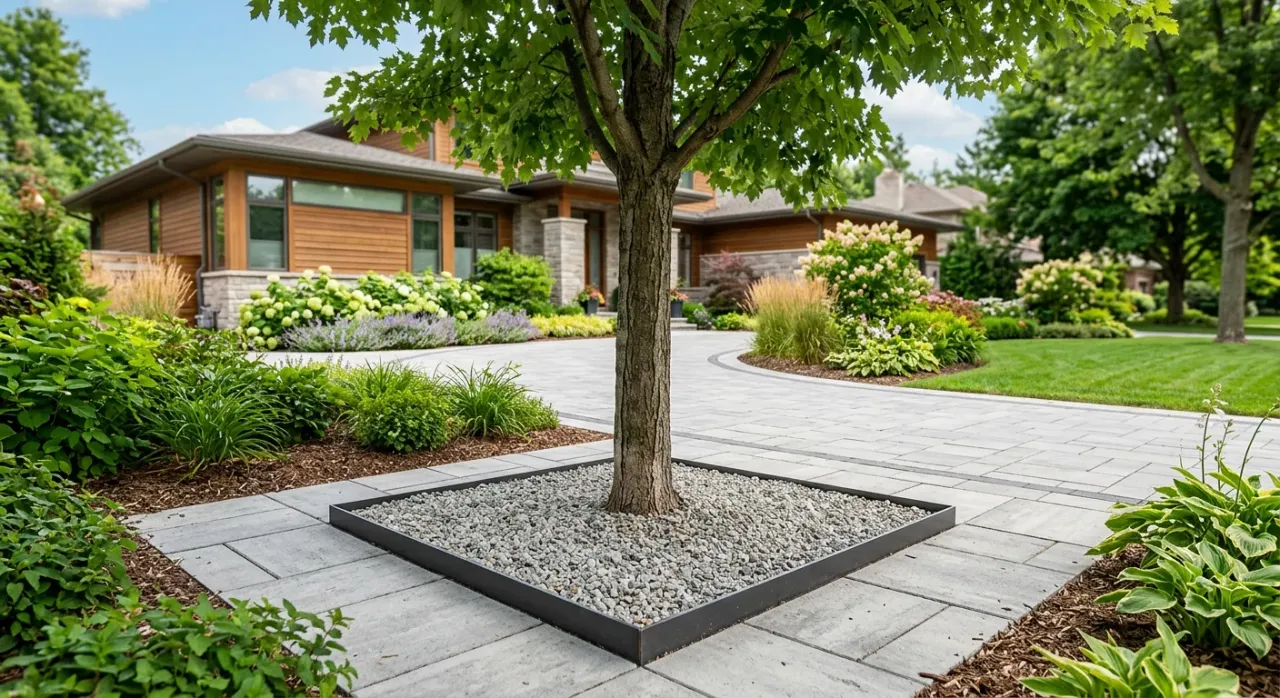
How to Use This Tree Well Calculator
Planning a tree well requires precise measurements to ensure you order enough material without overspending.
- 1 Measure Area: Measure the length and width of your planned tree well area in feet.
- 2 Determine Depth: For most tree well projects, a depth of 4 to 6 inches is recommended for stability.
- 3 Review Results: The calculator provides both cubic yards (for bulk volume) and tons (for ordering weight).
Common Materials for Tree Wells
Choosing the right aggregate material is critical for tree well projects to ensure adequate drainage, air circulation, and root protection without causing compaction or root rot.
| Material | Description | Best For | Est. Cost |
|---|---|---|---|
| #57 Crushed Stone | Angular, 3/4-inch crushed limestone or granite with open voids that resist compaction. | Drainage Base Layer, Root Zone Aeration, Backfill Behind Retaining Walls | $ |
| Coarse Gravel (3/4" to 3") | Rounded to sub-angular, 3/4-inch to 3-inch gravel with high void ratio for water and air percolation. | Deep Drainage Fill, Root Zone Protection, Vertical Mulching Holes | $ |
| Sandy Loam Planting Mix | Engineered blend of 50–60% sand, 20–40% silt, and 2–5% organic matter formulated for plant establishment. | Top Soil Layer, Tree Establishment, Vegetated Well Surface | $$ |
| Pea Gravel | Small, smooth, rounded stones typically 3/8-inch in diameter with good drainage characteristics. | Surface Topdressing, Permeable Cover Layer, Limited Use | $ |
Understanding the Cost
Several factors influence the final price of your tree well project.
Material Volume
The dimensions of your project directly dictate the tonnage needed. Deeper bases require significantly more material.
Delivery Distance
Transport logistics play a major role. Being closer to the quarry or depot reduces delivery fees significantly.
Material Type
Decorative stones cost more than utility grades. Choose based on your project's functional and aesthetic requirements.
Recommended Products for Your Tree Well
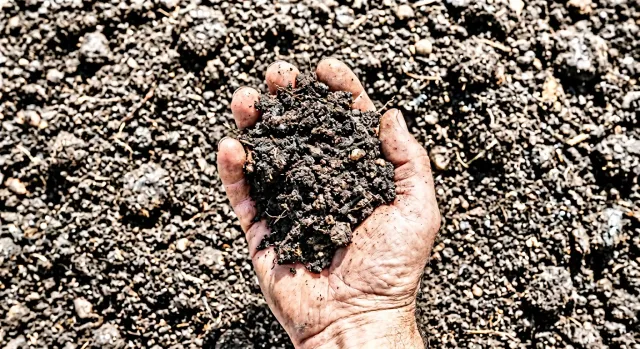
Topsoil Calculator
Topsoil calculator that estimates cubic yards and tons from your area and depth. Supports raised beds, gardens, new lawns, and grading projects.
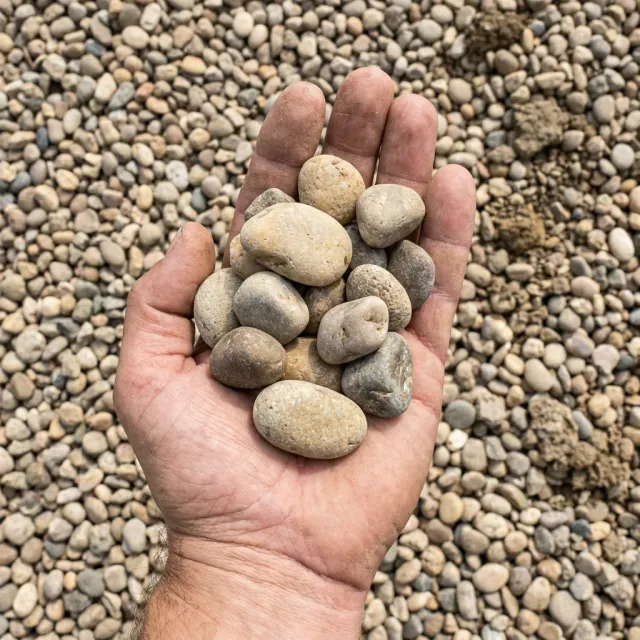
River Rock Calculator
This calculator estimates river rock by the ton for flowerbeds, dry creek beds, and borders. Adjusts for rock size — larger stones cover less per ton.
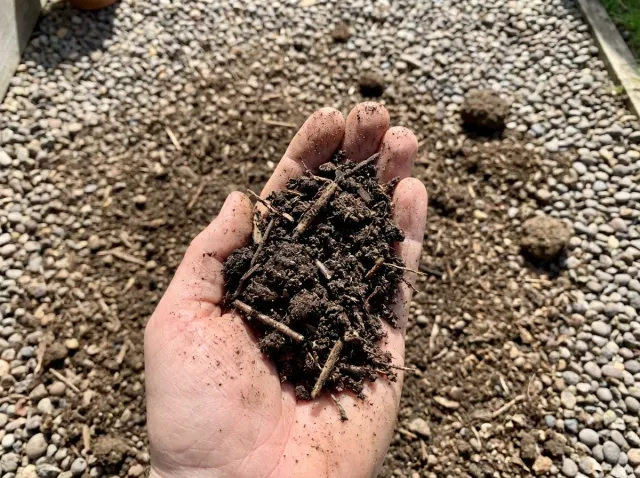
Compost Calculator
Estimate compost volume with this calculator for top-dressing, soil amendment, or new beds. Enter your square footage and desired depth for cubic yards.
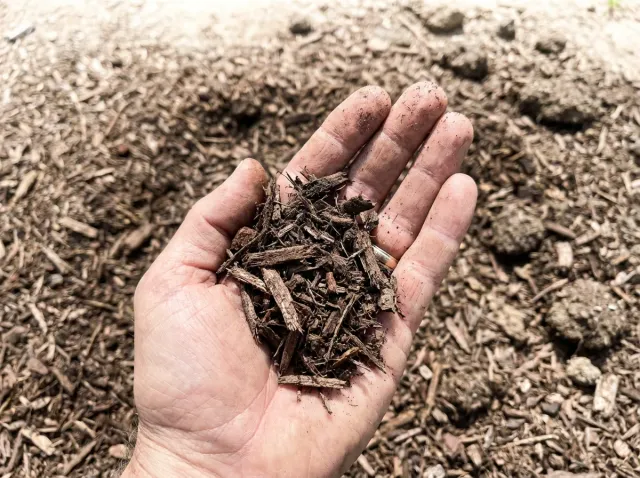
Mulch Calculator
Mulch calculator — enter bed dimensions and depth to estimate how many cubic yards or bags your landscaping project requires. Results update instantly.
Frequently Asked Questions
What is a tree well, and why do homeowners and landscapers fill it with gravel?
A tree well is the open area of ground that surrounds the base of a tree. In a lawn, it is usually defined by a circular border or edging that separates the tree's root zone from the surrounding grass. In urban or hardscaped settings, a tree well is often a cutout in pavement or a raised planter that gives a street or courtyard tree room to breathe and receive water. Filling a tree well with gravel or decorative stone is one of the most practical things you can do for your landscape. Unlike organic mulch, gravel does not break down, compact into a dense mat, or need to be replaced every season. It suppresses weeds, lets rainwater drain straight through to the roots below, and protects the trunk from lawn mower and string trimmer damage. Gravel also holds its appearance through rain, wind, and foot traffic in a way that wood mulch simply cannot match. From a design standpoint, a clean gravel tree well creates a finished, intentional look that sets off the tree and ties the landscape together. Whether you are a homeowner refreshing your front yard or a landscaper working on a commercial property with dozens of trees, gravel is a low-maintenance, long-lasting solution that pays off quickly.
What type of aggregate material is best for a tree well?
Pea gravel is the most popular choice for tree wells, and for good reason. Its small, smooth, rounded stones, typically around three-eighths of an inch, sit loosely enough that water passes through freely, which is exactly what tree roots need. Pea gravel comes in warm natural tones that look good in just about any landscape setting, and it is comfortable to walk on or work around. Small river rock, usually in the three-quarter-inch to one-inch range, is another excellent option. It has a slightly bolder, more natural look and drains just as well as pea gravel. River rock tends to stay in place a little more firmly, which makes it a good choice if the tree well is near a high-traffic area or if you want a more defined, structured appearance. Decomposed granite and crushed granite are popular in drier climates and formal landscapes. These materials pack together slightly more than rounded stone, which can give the well a smoother, more polished finish. Just be mindful that finer, tightly packed materials can restrict airflow to the roots over time if applied too deeply. As a general rule, you want a material that is permeable, stable, and proportionate to the size of the tree well. If you are unsure which material fits your project and your region, the Hello Gravel team is happy to help you choose before you place your order.
What size or grade of gravel works best in a tree well?
For most tree wells, a small stone in the three-eighths-inch to three-quarter-inch range hits the sweet spot. Stones in this size range are large enough to stay put and resist washing out during heavy rain, but small enough to lay flat and look intentional rather than chunky. They also allow water to filter through the gaps between stones and reach the root zone below. Very fine materials like sand or stone dust are not a good fit for tree wells. They tend to compact over time, forming a layer that sheds water rather than absorbing it, and they can crust over in dry weather. That works against the whole purpose of a tree well. On the other end, large decorative rock in the one-and-a-half-inch-plus range can work visually, but it shifts underfoot, leaves wide gaps that invite weeds, and can be tricky to work around when you are maintaining the tree. It is more at home in a dry creek bed or boulder feature than in a close-fitting tree well. If you are comparing options and want a recommendation based on your specific landscape, reach out to the Hello Gravel team or use the product selector on the site. Getting the grade right before you order is much easier than correcting it after a truckload is in your driveway.
How much gravel do I need, and how deep should the layer be?
A depth of two to three inches is the standard recommendation for a gravel tree well. That is enough to suppress weeds, look full and finished, and hold its position through normal weather. Going deeper than four inches is not advisable because a thick, heavy layer of stone can restrict oxygen from reaching the roots and stress the tree over time. To calculate how much material you need, start with the area of your tree well. For a round well with a six-foot diameter, the area is roughly 28 square feet. At a depth of three inches, that single well requires less than one cubic yard of material on its own. One tree well is a small footprint, but most projects involve more than one tree. A property with ten trees, each with a six-foot-diameter well, adds up to around 280 square feet of coverage, and a larger commercial or residential project with mature trees and wider wells can grow quickly from there. Because Hello Gravel delivers by the truckload, this material is best suited for projects where you are filling multiple tree wells, combining a tree well project with other landscaping work like pathways or garden beds, or working on a commercial or HOA property where volume is a natural fit. The Hello Gravel calculator will give you a precise quantity estimate once you enter your dimensions, and it takes the guesswork out of figuring out how many tons or cubic yards to order.
How do I install gravel in a tree well without harming the tree?
The single most important thing to remember during installation is to keep the gravel away from the trunk. Leave at least a three to four inch gap between the edge of your gravel layer and the bark of the tree. Piling stone, mulch, or any material directly against the trunk traps moisture against the bark and invites disease, rot, and pest damage. This mistake is so common it has a name in the landscaping world: volcano mulching. You want the area around the trunk to remain open and dry at ground level while the rest of the well is filled. Before you spread any gravel, it is a good idea to lay a permeable landscape fabric or weed barrier over the soil. This keeps weeds from pushing up through the stone without blocking water from reaching the roots. Cut the fabric to fit the well area and leave that clearance zone open around the trunk. Once your fabric is in place, spread the gravel evenly to your target depth of two to three inches. Rake it level so there are no mounded spots. If you have edging or a border in place, make sure the gravel sits just below the top edge so it does not spill out onto your lawn or pavement. After spreading, a light watering helps the stones settle into place and shows you if any areas need to be topped off. From there, the maintenance is minimal.
More Project Calculators
Playground Calculator
This calculator estimates mulch, rubber, or wood fiber surfacing for playgrounds. Enter area and recommended depth to get cubic yards and tons.
Chicken Coop Calculator
Use this calculator to estimate how much gravel your coop base requires. Input dimensions and depth for volume in cubic yards and stone type guidance.
Basketball Court Calculator
Court base calculator — estimate gravel, sand, and sub-base quantities for backyard or regulation basketball courts. Input court size for material totals.
Tennis Court Calculator
Use this calculator to estimate the crushed stone base for a new or resurfaced tennis court. Enter dimensions and depth for volume and tonnage.
Delivery Logistics & Truck Info
Know your delivery options and access requirements before scheduling your order.
Truck Capacities
- Standard Dump Truck10–14 tons
- Tandem Axle14–18 tons
- Semi End Dump20–25 tons
A standard cubic yard weighs approximately 2,000–2,700 lbs depending on material and moisture.
Site Access Requirements
- Trucks require a minimum 12-ft wide, overhead-clear access path
- Soft ground or slopes over 10% may limit truck access — contact us before ordering
- Ensure no underground utilities or irrigation lines are in the drop zone
- Mark your desired drop location clearly before delivery
Important Notes
- Delivery estimates are based on available inventory and route proximity
- Minimum order quantities apply — typically 5 cubic yards or 1 truckload
- Material certification is available upon request for permitted projects
- Always confirm local ordinances before major material placement