
Tree Ring Calculator
— How Much Do You Need?
Quickly calculate gravel, mulch or soil for a tree ring — truck delivery with upfront pricing.
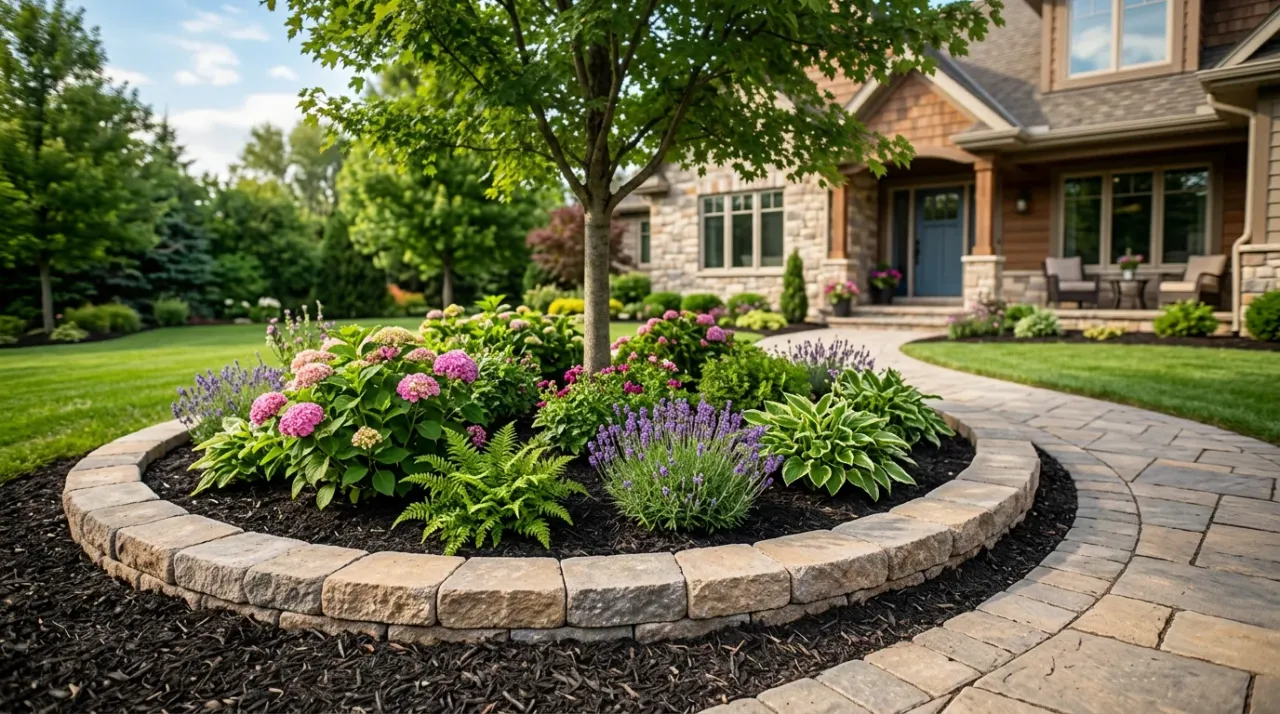
How to Use This Tree Ring Calculator
Planning a tree ring requires precise measurements to ensure you order enough material without overspending.
- 1 Measure Area: Measure the length and width of your planned tree ring area in feet.
- 2 Determine Depth: For most tree ring projects, a depth of 4 to 6 inches is recommended for stability.
- 3 Review Results: The calculator provides both cubic yards (for bulk volume) and tons (for ordering weight).
Common Materials for Tree Rings
Choosing the right material directly impacts root zone health, moisture retention, and weed suppression around the tree base.
| Material | Description | Best For | Est. Cost |
|---|---|---|---|
| Wood Chip Mulch | Coarsely shredded or chipped wood byproduct with irregular particle sizes typically ranging from ½ inch to 2 inches. | Primary Tree Ring Fill, Moisture Retention, Weed Suppression, Root Zone Protection | $ |
| Shredded Bark Mulch | Fibrous, shredded tree bark material that interlocks when layered, with particles typically ranging from ½ inch to 3 inches. | Aesthetic Finish, Weed Suppression, Moisture Retention | $$ |
| Compost | Decomposed organic matter with a fine, crumbly texture and dark color, typically less than ½ inch in particle size. | Soil Amendment, Organic Topdressing, Limited Use | $$ |
| Pea Gravel | Small, smooth, rounded stones approximately 3/8 inch in diameter, naturally water-worn with a uniform appearance. | Decorative Edging, Drainage Layer, Not Recommended Near Trunk | $$ |
Understanding the Cost
Several factors influence the final price of your tree ring project.
Material Volume
The dimensions of your project directly dictate the tonnage needed. Deeper bases require significantly more material.
Delivery Distance
Transport logistics play a major role. Being closer to the quarry or depot reduces delivery fees significantly.
Material Type
Decorative stones cost more than utility grades. Choose based on your project's functional and aesthetic requirements.
Recommended Products for Your Tree Ring
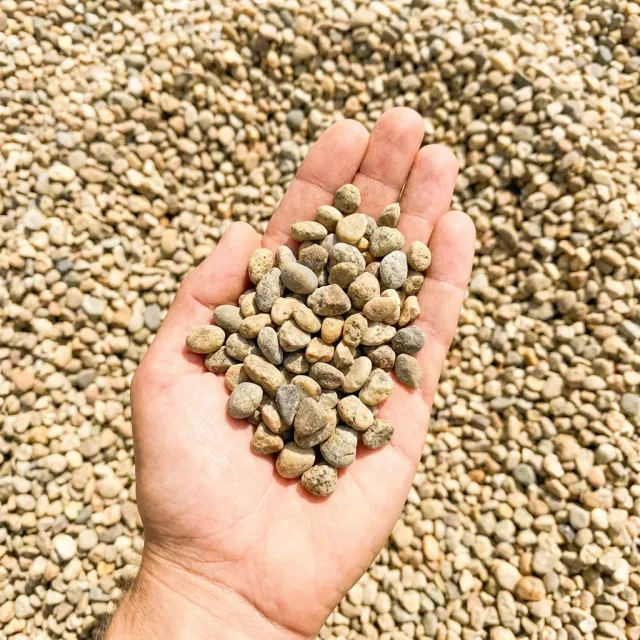
Pea Gravel Calculator
Pea gravel calculator — enter your project dimensions to estimate volume in cubic yards, tons, and bags. Ideal for pathways, patios, and ground cover.
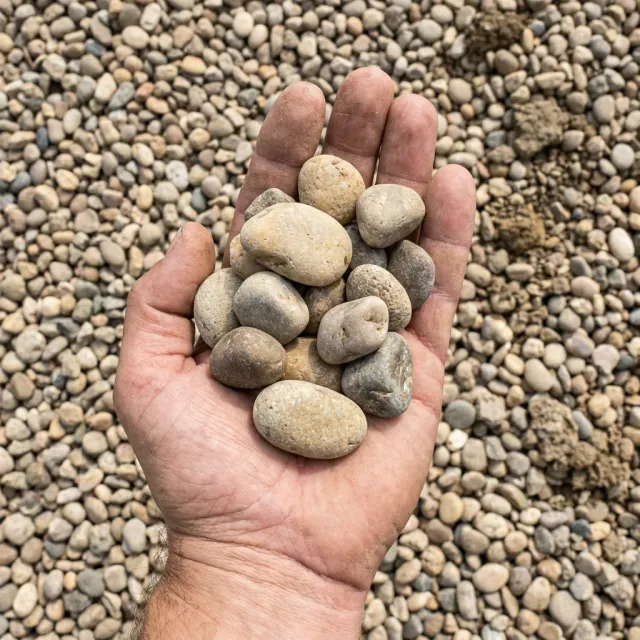
River Rock Calculator
This calculator estimates river rock by the ton for flowerbeds, dry creek beds, and borders. Adjusts for rock size — larger stones cover less per ton.
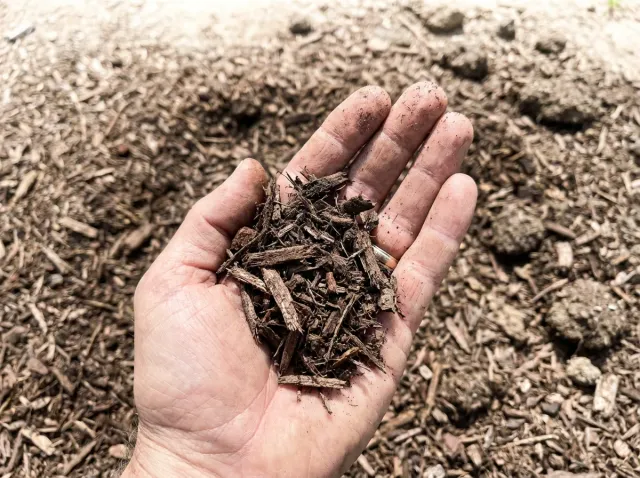
Mulch Calculator
Mulch calculator — enter bed dimensions and depth to estimate how many cubic yards or bags your landscaping project requires. Results update instantly.
Bark Calculator
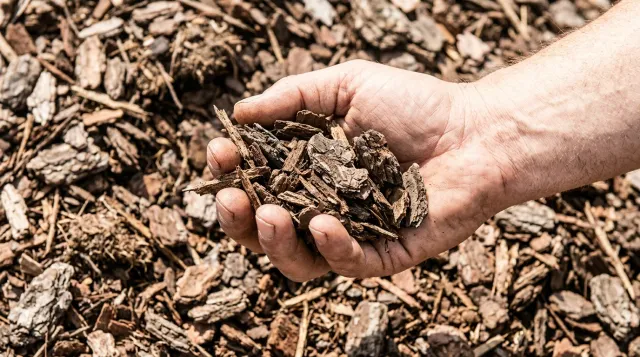
Use this calculator to estimate cubic yards of bark mulch for any bed shape and depth. Helps avoid over-ordering or running short mid-project.
Frequently Asked Questions
What is a tree ring in landscaping, and why is gravel a great choice for one?
A tree ring is a defined circle of material placed around the base of a tree, extending outward from the trunk to protect the root zone and improve the overall look of your yard. The ring creates a clear separation between the tree and the surrounding lawn, which makes mowing simpler and helps protect the trunk from damage caused by string trimmers and lawn equipment. Gravel is one of the best materials you can use for a tree ring because it lasts for years without breaking down. Unlike wood mulch, which decomposes and needs to be refreshed every season or two, gravel holds its appearance and stays in place over time. It also drains well, which prevents standing water from pooling around tree roots. If you want a clean, polished look that requires very little ongoing maintenance, a gravel tree ring is hard to beat.
What are other names for a tree ring, and what types of gravel work best?
You may also hear a tree ring called a tree circle, tree surround, tree well, or tree bed. All of these terms refer to the same thing: a defined area of material placed around the base of a tree. When it comes to choosing a material, pea gravel is a popular option for its smooth, rounded appearance and natural look. River rock offers a slightly larger, more decorative feel. Crushed granite provides a structured texture that tends to stay put because its angular edges lock together. Decorative stone in neutral tones like gray, tan, or brown tends to complement most yard settings and works well against both light and dark tree bark. As a general rule, stone in the 3/8-inch to 1-inch size range is ideal for tree rings since it is easy to spread evenly and stable enough to resist shifting underfoot.
How large should a tree ring be around my tree?
A good starting point is to extend the ring at least two to three feet outward from the trunk on all sides. For young or newly planted trees, a ring with a total diameter of three to four feet is usually sufficient. For larger, more established trees, most landscapers recommend extending the ring out toward the drip line, which is the outer edge of the canopy directly above. The wider the ring, the more of the root zone you protect from lawn equipment, foot traffic, and moisture loss. In general, bigger is better when it comes to tree ring size. A larger ring also looks more intentional and well designed in the landscape. And since you are ordering gravel in bulk, you have plenty of material to work with, so there is no reason to shortchange the size of your ring.
How deep should the gravel be, and how do I estimate how much material I need?
A depth of two to four inches is standard for gravel tree rings, and three inches is the most common recommendation. That depth is enough to suppress weeds effectively while still allowing rainfall to pass through to the tree roots below. To estimate how much gravel you need, start by calculating the area of the ring. Since a tree ring is essentially a donut shape, use this formula: multiply pi (about 3.14) by the difference between the outer radius squared and the inner radius squared. For example, a ring that extends three feet out from the trunk with one foot left clear around the base has an area of about 25 square feet. At three inches of depth, that ring would take roughly 0.23 cubic yards of material. If you are working on multiple trees or combining the project with other landscaping work, those numbers add up quickly. Use the Hello Gravel calculator to enter your exact dimensions and get a precise quantity estimate before you order.
Should gravel go right up against the tree trunk?
No, and this is one of the most important details to get right. You should always leave a gap of at least two to three inches between the gravel and the base of the trunk. Piling material directly against the bark traps moisture against the wood, which can lead to rot, fungal disease, and pest problems over time. This mistake is so common with mulch that landscapers call it "volcano mulching," and the same concern applies to gravel. Think of the center of your tree ring as an open clearing around the trunk rather than a mound. Keeping that space clear allows the root flare, which is the widened section where the trunk meets the soil, to breathe and stay dry. It is a small detail during installation that makes a significant difference for the long-term health of your trees.
More Project Calculators
Playground Calculator
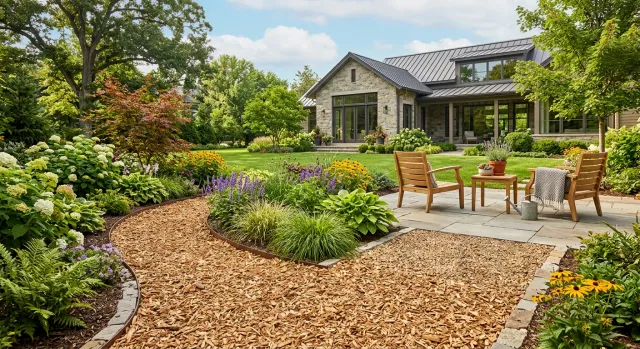
This calculator estimates mulch, rubber, or wood fiber surfacing for playgrounds. Enter area and recommended depth to get cubic yards and tons.
Chicken Coop Calculator
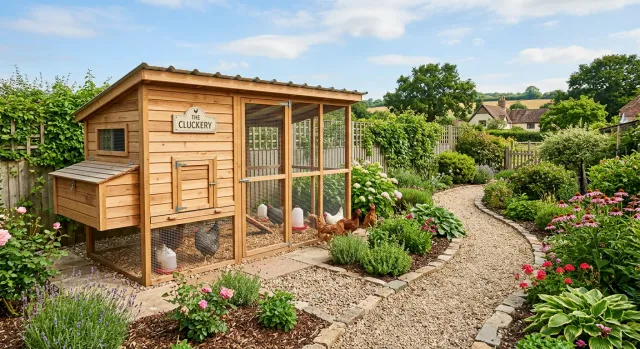
Use this calculator to estimate how much gravel your coop base requires. Input dimensions and depth for volume in cubic yards and stone type guidance.
Basketball Court Calculator
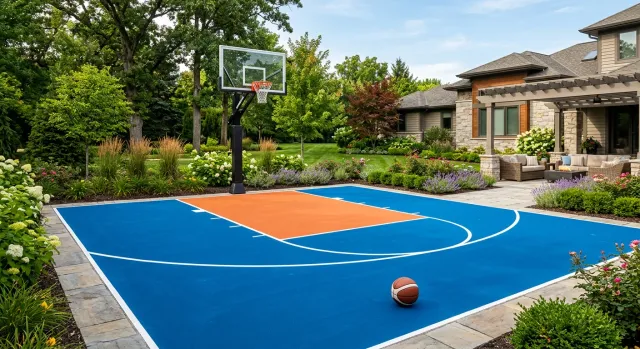
Court base calculator — estimate gravel, sand, and sub-base quantities for backyard or regulation basketball courts. Input court size for material totals.
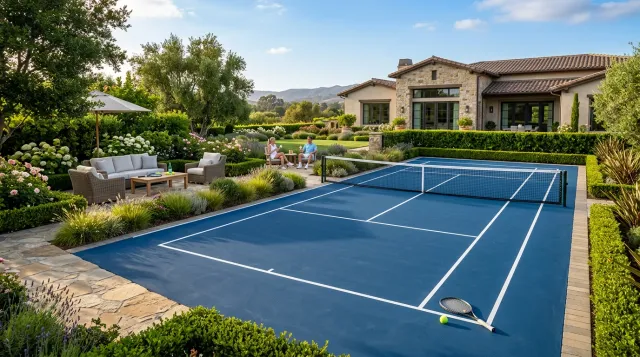
Tennis Court Calculator
Use this calculator to estimate the crushed stone base for a new or resurfaced tennis court. Enter dimensions and depth for volume and tonnage.
Delivery Logistics & Truck Info
Know your delivery options and access requirements before scheduling your order.
Truck Capacities
- Standard Dump Truck10–14 tons
- Tandem Axle14–18 tons
- Semi End Dump20–25 tons
A standard cubic yard weighs approximately 2,000–2,700 lbs depending on material and moisture.
Site Access Requirements
- Trucks require a minimum 12-ft wide, overhead-clear access path
- Soft ground or slopes over 10% may limit truck access — contact us before ordering
- Ensure no underground utilities or irrigation lines are in the drop zone
- Mark your desired drop location clearly before delivery
Important Notes
- Delivery estimates are based on available inventory and route proximity
- Minimum order quantities apply — typically 5 cubic yards or 1 truckload
- Material certification is available upon request for permitted projects
- Always confirm local ordinances before major material placement