
RV Pad Calculator
— How Much Do You Need?
Quick RV pad calculator — estimate gravel, base rock, and truckload delivery for accurate pricing.
How to Use This RV Pad Calculator
Planning a rv pad requires precise measurements to ensure you order enough material without overspending.
- 1 Measure Area: Measure the length and width of your planned rv pad area in feet.
- 2 Determine Depth: For most rv pad projects, a depth of 4 to 6 inches is recommended for stability.
- 3 Review Results: The calculator provides both cubic yards (for bulk volume) and tons (for ordering weight).
Common Materials for RV Pads
Choosing the right material ensures your RV pad can support 10,000+ lbs of vehicle weight while providing proper drainage and long-term stability under repeated load cycles.
| Material | Description | Best For | Est. Cost |
|---|---|---|---|
| Crusher Run (QP) | A blend of crushed stone particles and stone dust ranging from 3/4-inch down to fines, producing a compactable, interlocking base material. | Base Layer, Load-Bearing Surface, Compacted Sub-Base | $ |
| Recycled Crushed Concrete | Angular, recycled concrete aggregate typically 3/4-inch minus, consisting of broken concrete processed into compactable crushed pieces. | Base Layer, Budget Sub-Base, Compacted Surface | $ |
| Decomposed Granite (DG) | Naturally weathered granite broken down into fine, angular particles typically 3/8-inch minus that compact into a firm, stable surface. | Top Dressing Layer, Finished Surface, Light-Duty Pads | $$ |
| Concrete (Ready-Mix) | Portland cement mixed with sand, coarse aggregate, and water, poured and finished monolithically as a rigid, load-bearing slab. | Permanent Slab, Heavy Class A Motorhomes, Long-Term Installation | $$$ |
Understanding the Cost
Several factors influence the final price of your rv pad project.
Material Volume
The dimensions of your project directly dictate the tonnage needed. Deeper bases require significantly more material.
Delivery Distance
Transport logistics play a major role. Being closer to the quarry or depot reduces delivery fees significantly.
Material Type
Decorative stones cost more than utility grades. Choose based on your project's functional and aesthetic requirements.
Recommended Products for Your RV Pad

Gravel Calculator
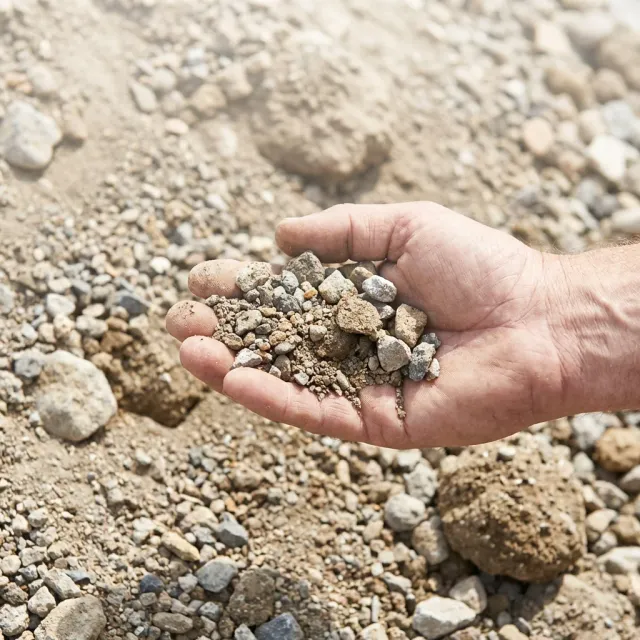
This gravel calculator estimates cubic yards, tons, and coverage for any area. Enter dimensions and depth for driveways, patios, paths, and landscaping.
Road Base Calculator
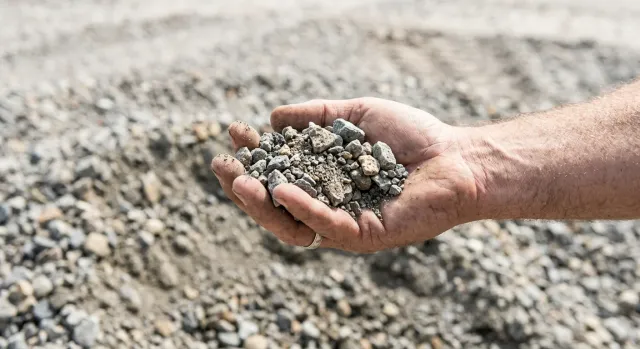
Road base calculator — enter length, width, and depth to estimate volume and tonnage for crushed limestone, recycled concrete, and aggregate base.
Crusher Run Calculator
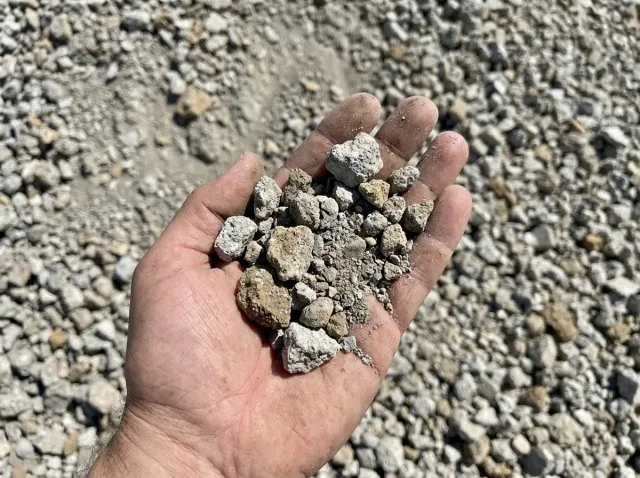
Crusher run calculator — enter width, length, and thickness to estimate cubic yards and tons for a solid, compactable driveway or parking pad base.
Recycled Concrete Calculator
Estimate crushed concrete with this calculator for driveways, road base, or backfill. Get cubic yards and tons with compaction factored in.
Frequently Asked Questions
What is an RV pad, and why is gravel a popular choice for building one?
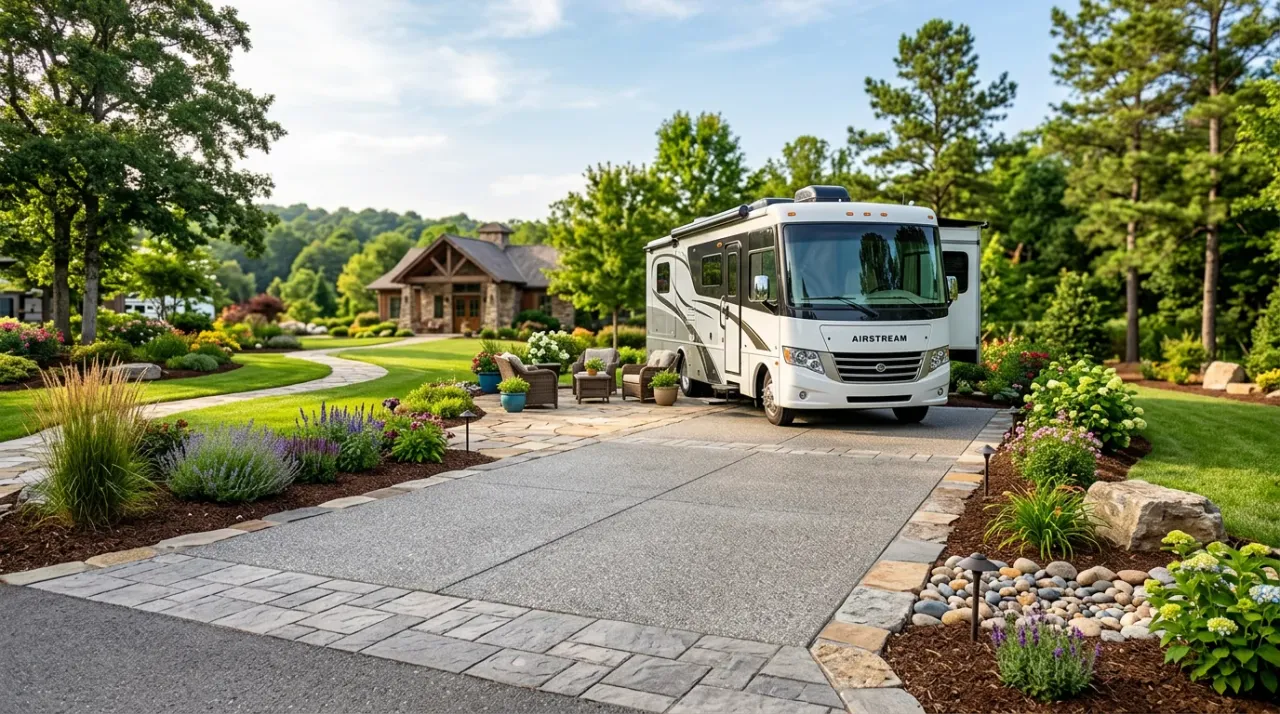
An RV pad is a prepared surface area at your home where you park and store your RV, camper, or travel trailer. Without a proper pad, most RVs end up on grass or bare dirt, which can get soft, rutty, and poorly drained. A gravel RV pad gives you a stable, level, and well‑drained surface that helps protect your RV and keeps your yard looking tidy. Gravel is also affordable and relatively quick to install, and it can be expanded or adjusted later as needed.
What is the best material for a gravel RV pad?
Crusher run, also called road base, is the top choice for most RV pads. It is a mix of crushed stone and fine stone dust that tightens up when compacted, locking pieces together to form a strong surface. Crushed concrete is another excellent option that uses recycled material and still compacts well. For a cleaner finish, some homeowners put a four inch base of crusher run and top it with two inches of cleaner crushed stone. Avoid smooth rounds like pea gravel, which do not compact well.
How thick should a gravel RV pad be?
Plan for at least four inches of compacted gravel for a standard RV pad. For heavier RVs such as Class A motorhomes or large fifth wheels, aim for six inches. If your soil is soft or heavy clay, you may want six to eight inches of compacted material. Excavating and removing the top few inches of native soil before adding gravel can also improve drainage and keep the pad level.
What size should I make my RV pad?
Make your pad larger than your RV footprint to allow for safe movement and slide-outs. Add two to three feet of clearance on each side and four to five feet at the ends. Typical sizes range from about 12 by 40 to 14 by 50 feet, depending on your RV. If you have multiple slide-outs or a larger rig, 14 feet wide or more is a good choice. Use the Hello Gravel calculator to dial in exact dimensions for your setup.
How much gravel do I need for an RV pad?
Material needs depend on length, width, and depth. For a 12 by 40 foot pad at four inches, plan on roughly 9–10 tons. If you go to six inches, expect about 14–15 tons. A 14 by 50 foot pad at six inches requires about 19–21 tons. Remember that loose gravel can compact by about 20–25 percent after tamping, so your delivered tonnage may look larger than the finished pad. For accuracy, use the Hello Gravel calculator with your exact dimensions.
More Project Calculators
Playground Calculator
This calculator estimates mulch, rubber, or wood fiber surfacing for playgrounds. Enter area and recommended depth to get cubic yards and tons.

Chicken Coop Calculator
Use this calculator to estimate how much gravel your coop base requires. Input dimensions and depth for volume in cubic yards and stone type guidance.
Basketball Court Calculator
Court base calculator — estimate gravel, sand, and sub-base quantities for backyard or regulation basketball courts. Input court size for material totals.

Tennis Court Calculator
Use this calculator to estimate the crushed stone base for a new or resurfaced tennis court. Enter dimensions and depth for volume and tonnage.
Delivery Logistics & Truck Info
Know your delivery options and access requirements before scheduling your order.
Truck Capacities
- Standard Dump Truck10–14 tons
- Tandem Axle14–18 tons
- Semi End Dump20–25 tons
A standard cubic yard weighs approximately 2,000–2,700 lbs depending on material and moisture.
Site Access Requirements
- Trucks require a minimum 12-ft wide, overhead-clear access path
- Soft ground or slopes over 10% may limit truck access — contact us before ordering
- Ensure no underground utilities or irrigation lines are in the drop zone
- Mark your desired drop location clearly before delivery
Important Notes
- Delivery estimates are based on available inventory and route proximity
- Minimum order quantities apply — typically 5 cubic yards or 1 truckload
- Material certification is available upon request for permitted projects
- Always confirm local ordinances before major material placement