
Raised Garden Bed Calculator
— How Much Do You Need?
Quickly calculate topsoil, compost, and gravel for raised beds. Truckload delivery with clear pricing.
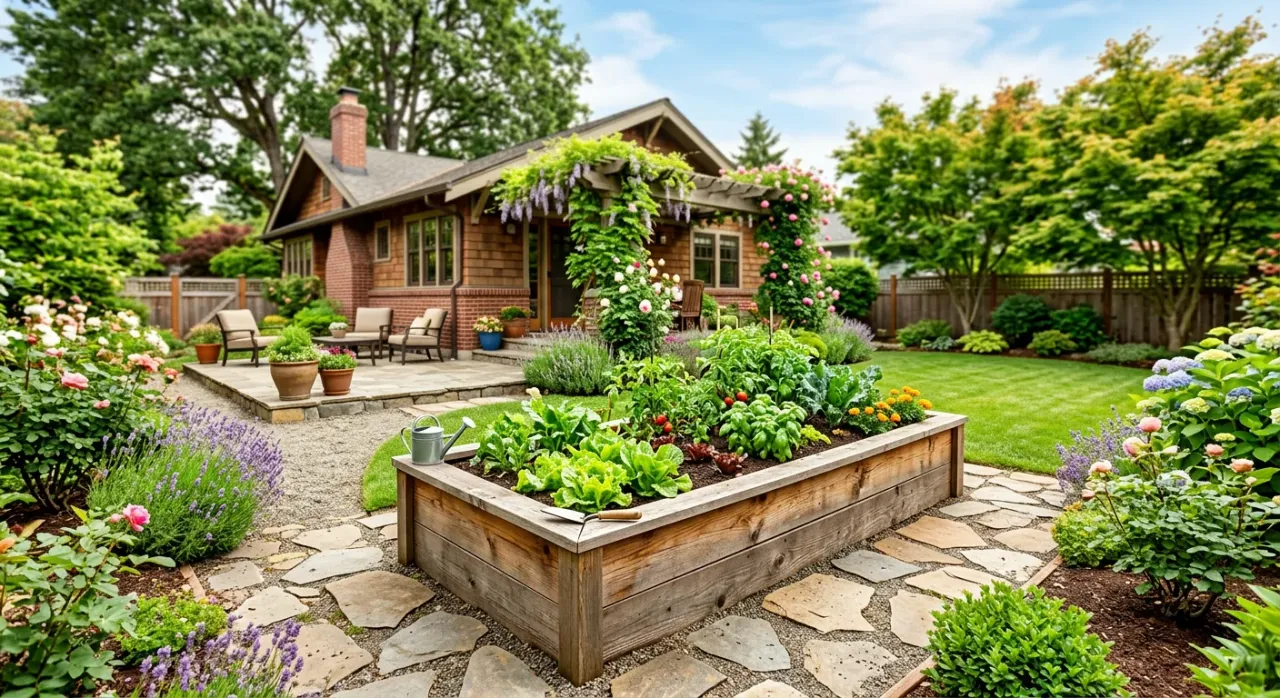
How to Use This Raised Garden Bed Calculator
Planning a raised garden bed requires precise measurements to ensure you order enough material without overspending.
- 1 Measure Area: Measure the length and width of your planned raised garden bed area in feet.
- 2 Determine Depth: For most raised garden bed projects, a depth of 4 to 6 inches is recommended for stability.
- 3 Review Results: The calculator provides both cubic yards (for bulk volume) and tons (for ordering weight).
Common Materials for Raised Garden Beds
Choosing the right aggregate material for a raised garden bed ensures proper drainage, prevents root rot, and supports long-term soil structure stability.
| Material | Description | Best For | Est. Cost |
|---|---|---|---|
| Pea Gravel | Small, smooth, rounded stones typically 3/8-inch in diameter, naturally weathered from river or pit sources. | Drainage Layer, Base Layer, Root Zone Protection | $$ |
| #57 Crushed Stone | Angular, 3/4-inch crushed limestone or granite aggregate with good void space for water movement. | Drainage Layer, Base Fill, French Drain Liner | $$ |
| Coarse Sand (Concrete Sand) | Sharp, angular sand particles typically 0.5–2mm in size, washed and graded for consistent texture. | Soil Amendment, Drainage Improvement, Bed Fill Blending | $ |
| Crusher Run (QP) | A blend of crushed stone and stone dust ranging from 3/4-inch down to fines, compacting into a firm base. | Compacted Sub-Base, Rarely Recommended for Fill, Path Edging Base | $ |
Understanding the Cost
Several factors influence the final price of your raised garden bed project.
Material Volume
The dimensions of your project directly dictate the tonnage needed. Deeper bases require significantly more material.
Delivery Distance
Transport logistics play a major role. Being closer to the quarry or depot reduces delivery fees significantly.
Material Type
Decorative stones cost more than utility grades. Choose based on your project's functional and aesthetic requirements.
Recommended Products for Your Raised Garden Bed
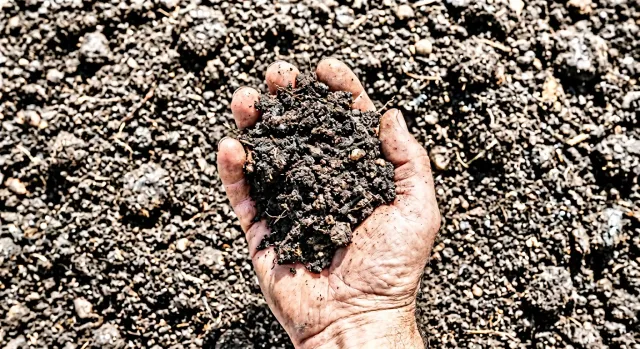
Topsoil Calculator
Topsoil calculator that estimates cubic yards and tons from your area and depth. Supports raised beds, gardens, new lawns, and grading projects.
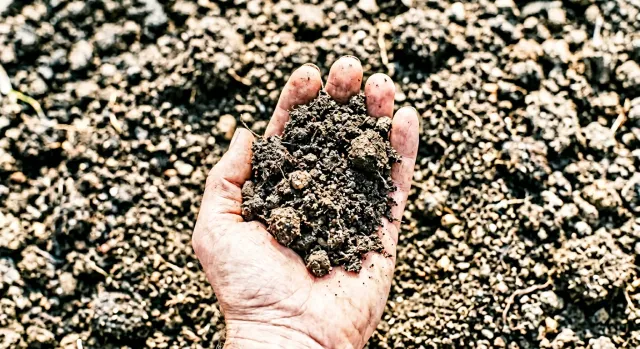
Garden Soil Calculator
Garden soil calculator — estimate the right volume in cubic feet or yards for raised beds, planters, or in-ground gardens before you buy.
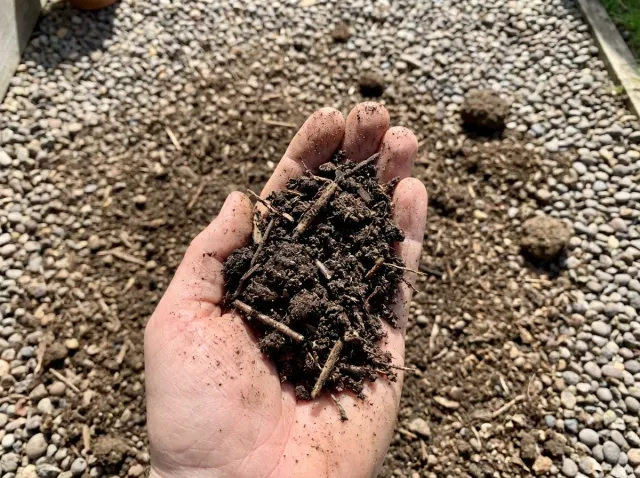
Compost Calculator
Estimate compost volume with this calculator for top-dressing, soil amendment, or new beds. Enter your square footage and desired depth for cubic yards.
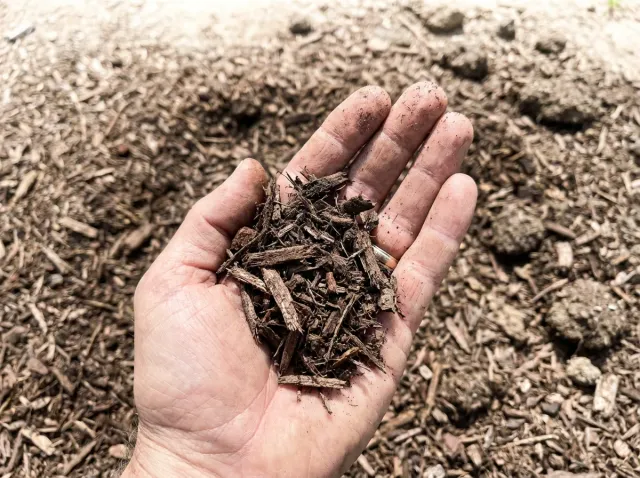
Mulch Calculator
Mulch calculator — enter bed dimensions and depth to estimate how many cubic yards or bags your landscaping project requires. Results update instantly.
Frequently Asked Questions
What is the best height for a raised garden bed?
Most gardeners find that 12 inches of depth is the sweet spot for a wide variety of vegetables and herbs. At that depth, roots have plenty of room to spread out, water drains well, and most crops can reach their full potential. If you plan to grow deeper rooted vegetables like carrots, parsnips, or beets, bumping that up to 18 or even 24 inches will make a noticeable difference in your harvest. On the lower end, some gardeners use beds as shallow as 6 inches for leafy greens, herbs, and strawberries, and those can work just fine for plants that do not need much root depth. But if you have any flexibility in your design, aim for at least 12 inches. It gives you more growing options and helps the soil stay loose and well aerated season after season. The height you choose directly affects how much material you will need to fill the bed. A 4-foot by 8-foot bed at 6 inches deep requires roughly half the soil of the same bed filled to 12 inches. If you are planning multiple beds at different depths, use the Hello Gravel calculator to get an accurate total before you place your order.
How much soil do I need to fill my raised garden bed?
The math is straightforward. Multiply the length by the width by the depth of your bed, all measured in feet, and that gives you the total in cubic feet. Divide that number by 27 to convert to cubic yards, which is how bulk materials are typically measured and ordered. For example, a 4-foot by 8-foot bed filled to 12 inches deep works out to 32 cubic feet, or just under 1.2 cubic yards. Depending on the material you choose, that is roughly 1 to 1.5 tons of soil. One bed on its own does not use much material, but most homeowners filling several beds or a larger garden area will find the amounts add up quickly. Because Hello Gravel delivers materials by the truckload, this service is an ideal fit when you are filling multiple raised beds, topping off an existing garden, or tackling a combination of raised beds and in-ground growing areas. The more beds you have, the more a bulk delivery makes sense both in cost and convenience. Use the Hello Gravel calculator to add up all your beds at once so you know exactly how much to order, and reach out to the team if you want help confirming your estimate.
What do I put in the bottom of a raised garden bed?
Good drainage and weed control both start at the very bottom. Many gardeners begin by laying down a sheet of cardboard or a layer of landscape fabric to block weeds before adding any soil. From there, it helps to place a few inches of coarse material at the base, such as gravel or crushed stone, to keep water moving freely and prevent roots from sitting in soggy ground. Hello Gravel carries a variety of gravels and crushed stone that work well for this drainage layer. Above the drainage layer, you can fill the bulk of the bed with quality topsoil or garden mix. If your bed is quite deep, some gardeners use a layer of fill dirt near the bottom to build up volume economically before topping it off with a richer growing medium. This layered approach is a smart way to stretch your budget without sacrificing plant health, since roots stay mostly within the top 12 inches regardless of how deep the bed goes. The top 6 to 12 inches of your raised bed is where your plants do most of their work, so investing in quality topsoil or garden mix for that final layer pays off in what you grow. If you are unsure which combination of materials makes the most sense for your project, the Hello Gravel team is happy to help you figure out what to order.
What is the difference between fill dirt, topsoil, and garden mix for a raised bed?
Fill dirt is excavated subsoil with little to no organic matter. It is dense and compact, which makes it a cost-effective way to build up volume in the lower portion of a deep raised bed. You would not want to use it as your primary growing medium, though, because roots have a hard time pushing through it and it holds very few nutrients for your plants. Topsoil is the naturally occurring upper layer of the earth and contains more organic matter than fill dirt. It is looser, drains better, and supports plant growth much more effectively. Quality topsoil is the most common choice for filling raised beds because it gives you a solid growing environment at a reasonable cost per yard. Garden mix is a blended material that typically combines topsoil with compost and other organic amendments to create a rich, light growing medium. It tends to produce the best plant performance of the three options, though it usually comes at a higher cost per yard than straight topsoil. For most raised bed projects, a practical approach is to use fill dirt or plain topsoil in the lower portion of a deep bed and finish the top 6 to 12 inches with quality topsoil or garden mix. Hello Gravel can supply topsoil and fill dirt for your raised bed project, delivered by the truckload directly to your property.
Is bulk soil better than bagged potting soil for raised beds?
For any project that involves filling more than one or two small beds, bulk soil from Hello Gravel is almost always the better choice in both cost and convenience. Potting soil sold in bags at a home improvement store is marked up significantly per cubic yard, and the effort involved in hauling, stacking, and emptying a large number of bags adds up fast. Bulk topsoil or garden mix delivered by the truckload gives you far more material at a lower cost per yard, and everything arrives in a single delivery with no extra trips to the store. Once the truck drops the material at your property, you can move it into your beds at your own pace with a wheelbarrow or garden cart. The key thing to keep in mind is that Hello Gravel delivers bulk materials by the truckload, so this approach works best when you have enough beds or growing space to put a full load to good use. If you are filling a large raised bed setup, refreshing the soil across a wide garden area, or combining raised beds with other landscaping projects, a bulk delivery will save you significant time and money compared to shopping retail. Use the Hello Gravel calculator to see how many yards your project needs so you can order with confidence.
More Project Calculators
Playground Calculator
This calculator estimates mulch, rubber, or wood fiber surfacing for playgrounds. Enter area and recommended depth to get cubic yards and tons.
Chicken Coop Calculator
Use this calculator to estimate how much gravel your coop base requires. Input dimensions and depth for volume in cubic yards and stone type guidance.
Basketball Court Calculator
Court base calculator — estimate gravel, sand, and sub-base quantities for backyard or regulation basketball courts. Input court size for material totals.
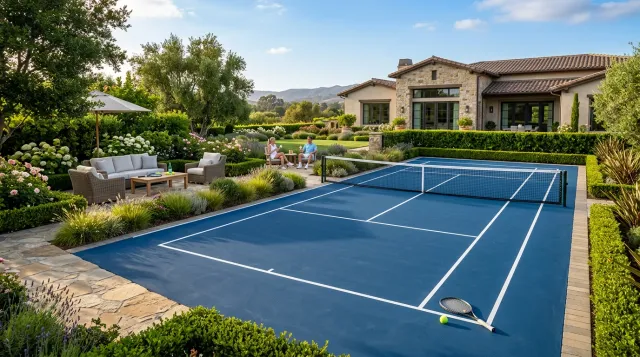
Tennis Court Calculator
Use this calculator to estimate the crushed stone base for a new or resurfaced tennis court. Enter dimensions and depth for volume and tonnage.
Delivery Logistics & Truck Info
Know your delivery options and access requirements before scheduling your order.
Truck Capacities
- Standard Dump Truck10–14 tons
- Tandem Axle14–18 tons
- Semi End Dump20–25 tons
A standard cubic yard weighs approximately 2,000–2,700 lbs depending on material and moisture.
Site Access Requirements
- Trucks require a minimum 12-ft wide, overhead-clear access path
- Soft ground or slopes over 10% may limit truck access — contact us before ordering
- Ensure no underground utilities or irrigation lines are in the drop zone
- Mark your desired drop location clearly before delivery
Important Notes
- Delivery estimates are based on available inventory and route proximity
- Minimum order quantities apply — typically 5 cubic yards or 1 truckload
- Material certification is available upon request for permitted projects
- Always confirm local ordinances before major material placement