
Pool Deck Calculator
— How Much Do You Need?
Estimate tons or yards of base, sand, and decorative rock for your pool deck—fast, accurate, delivered.
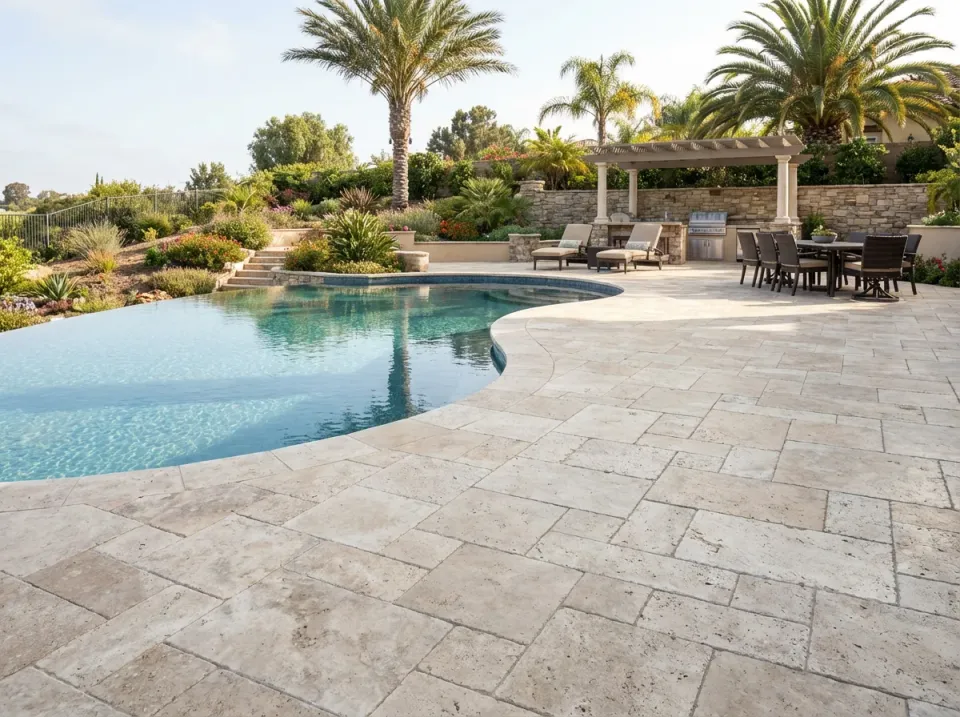
How to Use This Pool Deck Calculator
Planning a pool deck requires precise measurements to ensure you order enough material without overspending.
- 1 Measure Area: Measure the length and width of your planned pool deck area in feet.
- 2 Determine Depth: For most pool deck projects, a depth of 4 to 6 inches is recommended for stability.
- 3 Review Results: The calculator provides both cubic yards (for bulk volume) and tons (for ordering weight).
Common Materials for Pool Decks
Choosing the right base and bedding materials ensures proper drainage, load-bearing capacity, and long-term stability beneath pool deck surfaces.
| Material | Description | Best For | Est. Cost |
|---|---|---|---|
| #57 Crushed Stone | Angular, 3/4-inch crushed limestone or granite fragments that compact firmly and resist shifting. | Base Course, Load Bearing, Drainage Layer, Residential & Commercial Decks | $$ |
| Crusher Run (QP) | Blend of crushed stone particles and stone dust ranging from 3/4-inch down to fines, forming a dense, compactable layer. | Sub-Base Compaction, Subgrade Stabilization, High-Traffic Decks | $ |
| Concrete Sand | Coarse, washed sand with angular particles sized approximately 0.1–0.5mm, meeting ASTM C33 gradation standards. | Paver Bedding Course, Joint Filling, Surface Leveling | $ |
| Pea Gravel | Smooth, rounded gravel particles typically 3/8-inch in diameter, naturally weathered from river or pit sources. | Drainage Layer, Fill Around Drains, Limited Use | $$ |
Understanding the Cost
Several factors influence the final price of your pool deck project.
Material Volume
The dimensions of your project directly dictate the tonnage needed. Deeper bases require significantly more material.
Delivery Distance
Transport logistics play a major role. Being closer to the quarry or depot reduces delivery fees significantly.
Material Type
Decorative stones cost more than utility grades. Choose based on your project's functional and aesthetic requirements.
Recommended Products for Your Pool Deck
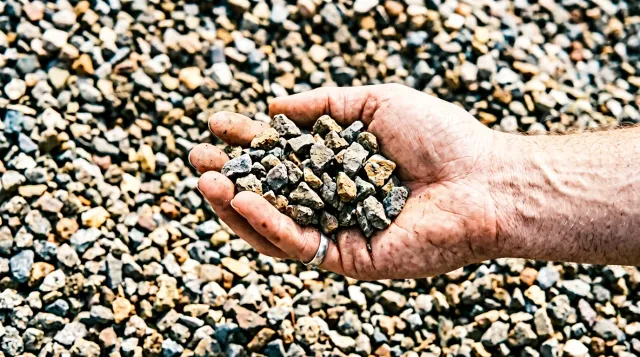
Gravel Calculator
This gravel calculator estimates cubic yards, tons, and coverage for any area. Enter dimensions and depth for driveways, patios, paths, and landscaping.
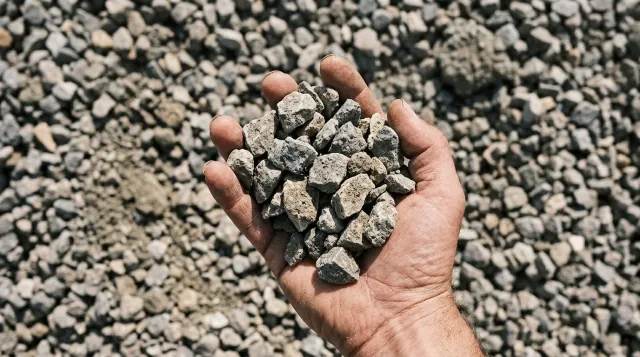
Crushed Stone Calculator
This calculator estimates crushed stone quantity and weight. Enter dimensions for results in cubic feet, cubic yards, and tons with density factored in.
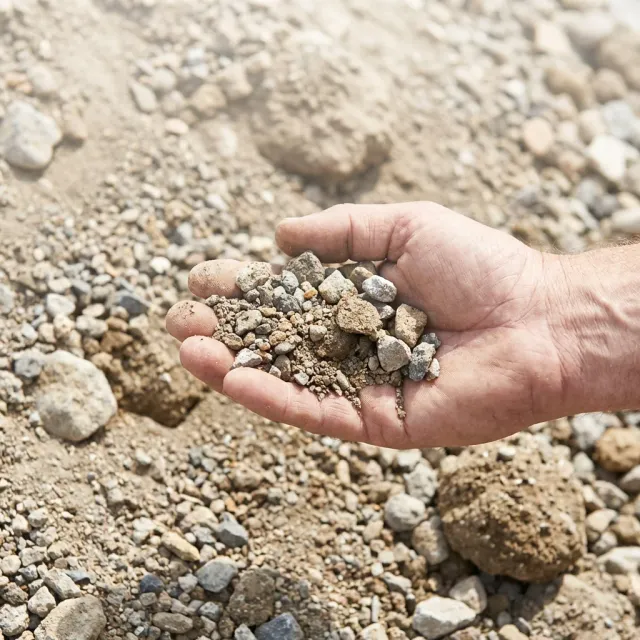
Road Base Calculator
Road base calculator — enter length, width, and depth to estimate volume and tonnage for crushed limestone, recycled concrete, and aggregate base.
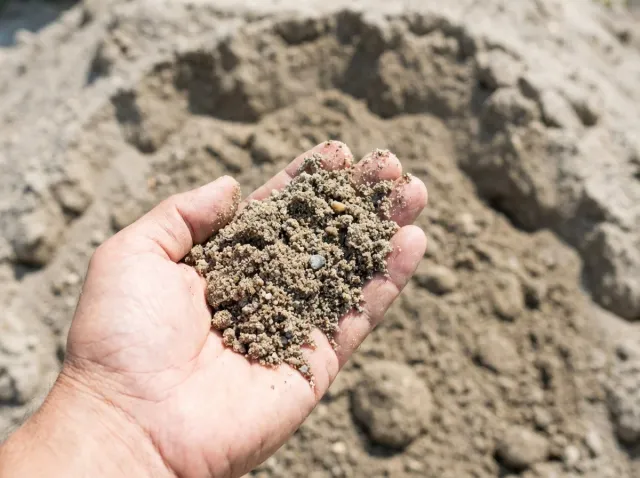
Concrete Sand Calculator
Concrete sand calculator — estimate volume and weight based on your project's length, width, and depth. Results in cubic yards and tons, ready for ordering.
Frequently Asked Questions
What aggregate materials does a pool deck project typically need?
A pool deck project usually requires several layers of aggregate working together from the ground up. The deepest layer is a compacted sub-base of crushed stone or gravel, which gives the entire structure a firm, load-bearing foundation that resists shifting and settling over time. On top of that, a bedding layer of coarse sand is typically used to create a smooth, level surface for pavers or other materials to sit on. If you want a natural, affordable surface without pavers or poured material on top, pea gravel or decorative crushed stone can serve as the finished layer itself. In some cases, fill dirt is also needed to grade the area around the pool so water drains away rather than pooling near the structure. Hello Gravel delivers all of these base and surface aggregates by the truckload, so whether you need crushed stone for a sub-base, sand for a bedding layer, or pea gravel for the finished surface, you can get everything in bulk with free delivery and upfront pricing. Use the Hello Gravel calculator to estimate quantities for each layer, or reach out to the team if you have questions about what your specific project needs.
Can gravel actually be used as the surface of a pool deck?
Yes, and it is more popular than many homeowners realize. Pea gravel is one of the most widely used pool deck surface materials because its smooth, rounded edges are comfortable underfoot, even for bare feet on a hot day. It also drains exceptionally well, so water from splashing or rain moves through quickly rather than sitting on the surface the way it might on concrete or solid pavers. That drainage performance is a real practical advantage around pools where wet feet are the norm. A typical pea gravel pool deck surface is laid at 2 to 3 inches of depth over a compacted gravel base. The result is a natural-looking, low-maintenance surface that works well for both above-ground and in-ground pool settings. The material tends to stay cooler than concrete under direct sunlight, which is another reason pool owners favor it. If you're planning a gravel surface deck, Hello Gravel can deliver the volume of pea gravel or decorative stone you need right to your property. Just use the calculator to enter your dimensions and get a quantity estimate before you order.
What type of gravel or sand works best for each layer of a pool deck?
The right material really depends on which layer you are building. Here is how to think about each one. For the sub-base layer, crushed stone such as 57 stone or crusher run compacts firmly and drains well. This makes it the most reliable choice for a stable foundation beneath pavers, slabs, or other surface materials. Crushed concrete is another option for the base layer that performs similarly and tends to be more affordable. For the bedding layer directly under pavers, coarse concrete sand creates a smooth, level setting bed. When properly compacted, it locks pavers into position and holds them there even as the ground experiences minor movement from moisture and temperature changes. For the surface layer of a decorative gravel deck, pea gravel is the go-to choice because of its comfortable texture, good drainage, and clean appearance. If you prefer something that stays in place a bit better underfoot, a small angular crushed stone can also work well as a surface material. If you are not sure which materials make the most sense for your soil conditions or project layout, the Hello Gravel team is glad to help you sort it out before you order.
How much gravel or sand will I need for my pool deck project?
The quantity you need comes down to three things: the square footage of your deck area, the depth of each material layer, and the density of the material itself. As a practical starting point, one ton of crushed stone covers roughly 80 to 100 square feet at approximately 3 inches of depth (or 60 to 70 square feet at 4 inches) at a 2-inch compacted depth. For pea gravel used as a surface layer, one ton covers approximately 70 to 90 square feet at a 2-inch depth. If you are building a 20 by 20 foot pool deck area, that is 400 square feet of coverage. At a 4-inch compacted base of crushed stone plus a 2-inch surface layer of pea gravel, you are looking at several tons of material in total before accounting for any waste or overage. Deck shapes around pools are rarely perfect rectangles, and the ideal base depth also varies based on your soil conditions. That is why the most accurate way to size your order is to use the Hello Gravel online calculator. Enter your dimensions and depth, and you will get a solid quantity estimate for each material so you can order with confidence rather than guessing.
How deep should the base gravel be under pool deck pavers or slabs?
For a residential pool deck, most contractors recommend a compacted gravel base of at least 4 inches for standard conditions. If your soil is soft, clay-heavy, or tends to stay wet, increasing that depth to 6 inches gives you a much more stable foundation. On top of the compacted gravel base, a 1-inch bedding layer of coarse sand is the standard before setting pavers. The reason depth matters especially around pools is that the ground near pool structures is often exposed to more water than other areas of the yard. Saturated soil shifts more easily, and without a deep enough base, pavers and other surface materials can settle unevenly, creating tripping hazards and drainage problems. Getting the base right from the start is the single most important factor in how long your pool deck holds up. If you are unsure about what your specific site conditions call for, a local contractor can assess the soil, and the Hello Gravel team can help you translate that into a material order that makes sense for your depth requirements.
More Project Calculators
Playground Calculator
This calculator estimates mulch, rubber, or wood fiber surfacing for playgrounds. Enter area and recommended depth to get cubic yards and tons.
Chicken Coop Calculator
Use this calculator to estimate how much gravel your coop base requires. Input dimensions and depth for volume in cubic yards and stone type guidance.
Basketball Court Calculator
Court base calculator — estimate gravel, sand, and sub-base quantities for backyard or regulation basketball courts. Input court size for material totals.
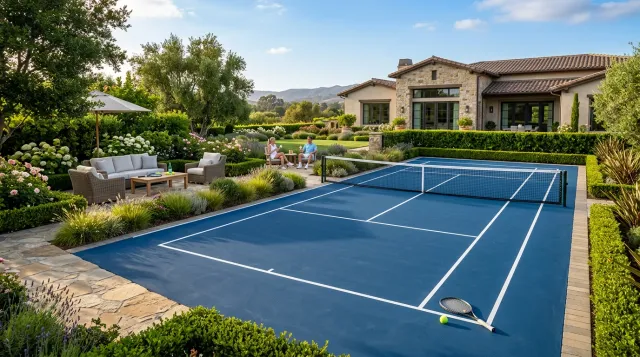
Tennis Court Calculator
Use this calculator to estimate the crushed stone base for a new or resurfaced tennis court. Enter dimensions and depth for volume and tonnage.
Delivery Logistics & Truck Info
Know your delivery options and access requirements before scheduling your order.
Truck Capacities
- Standard Dump Truck10–14 tons
- Tandem Axle14–18 tons
- Semi End Dump20–25 tons
A standard cubic yard weighs approximately 2,000–2,700 lbs depending on material and moisture.
Site Access Requirements
- Trucks require a minimum 12-ft wide, overhead-clear access path
- Soft ground or slopes over 10% may limit truck access — contact us before ordering
- Ensure no underground utilities or irrigation lines are in the drop zone
- Mark your desired drop location clearly before delivery
Important Notes
- Delivery estimates are based on available inventory and route proximity
- Minimum order quantities apply — typically 5 cubic yards or 1 truckload
- Material certification is available upon request for permitted projects
- Always confirm local ordinances before major material placement