
Planter Box Calculator
— How Much Do You Need?
Quickly calculate topsoil, potting mix, and drainage gravel for any planter box—order bulk delivery online.
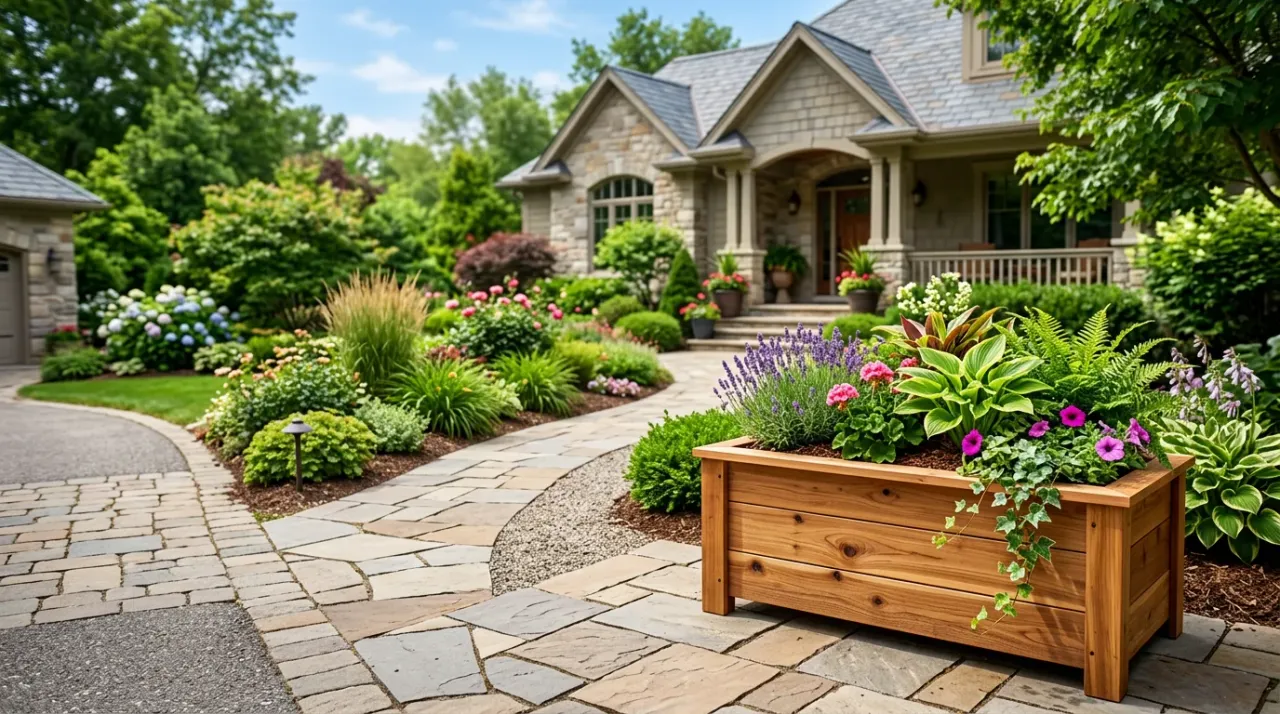
How to Use This Planter Box Calculator
Planning a planter box requires precise measurements to ensure you order enough material without overspending.
- 1 Measure Area: Measure the length and width of your planned planter box area in feet.
- 2 Determine Depth: For most planter box projects, a depth of 4 to 6 inches is recommended for stability.
- 3 Review Results: The calculator provides both cubic yards (for bulk volume) and tons (for ordering weight).
Common Materials for Planter Boxs
Choosing the right aggregate layers ensures proper drainage, root-zone health, and structural integrity in planter box installations.
| Material | Description | Best For | Est. Cost |
|---|---|---|---|
| #57 Crushed Stone | Angular, 3/4-inch to 1-inch crushed limestone or granite that compacts loosely to allow free drainage. | Gravel Drainage Layer, Stone Storage Reservoir, Underdrain Base | $ |
| Washed Concrete Sand | Medium-to-coarse, clean sand with fine particles removed by washing, providing consistent particle sizing. | Planting Soil Mix, Root Zone Media, Bioretention Planter | $ |
| Pea Gravel | Smooth, rounded 3/8-inch stone particles, typically river-worn and free of fines. | Drainage Layer, Underdrain Surround, Limited Use | $$ |
| Crusher Run (QP) | A blend of crushed stone and stone dust ranging from 3/4-inch down to fines that compacts into a dense, stable layer. | Base Leveling, Not Drainage Layers, Limited Use | $ |
Understanding the Cost
Several factors influence the final price of your planter box project.
Material Volume
The dimensions of your project directly dictate the tonnage needed. Deeper bases require significantly more material.
Delivery Distance
Transport logistics play a major role. Being closer to the quarry or depot reduces delivery fees significantly.
Material Type
Decorative stones cost more than utility grades. Choose based on your project's functional and aesthetic requirements.
Recommended Products for Your Planter Box
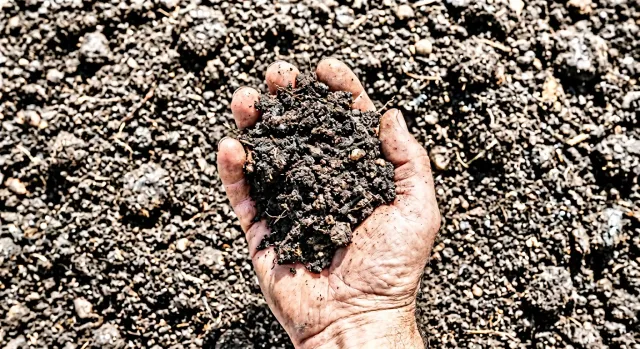
Topsoil Calculator
Topsoil calculator that estimates cubic yards and tons from your area and depth. Supports raised beds, gardens, new lawns, and grading projects.
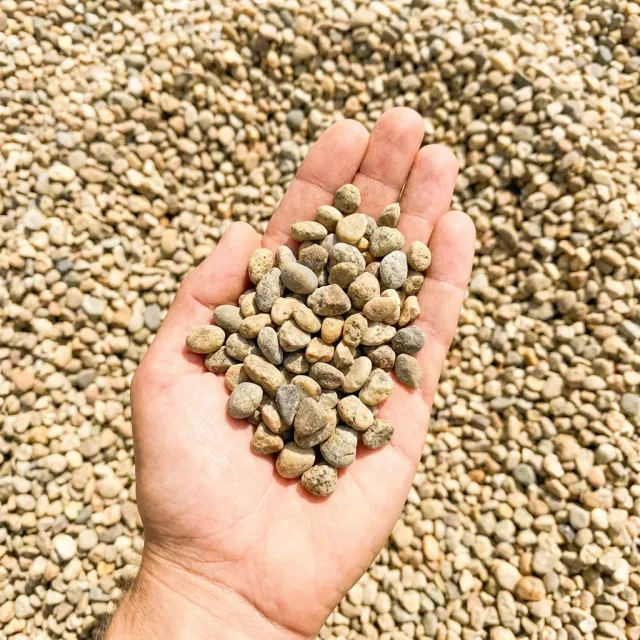
Pea Gravel Calculator
Pea gravel calculator — enter your project dimensions to estimate volume in cubic yards, tons, and bags. Ideal for pathways, patios, and ground cover.
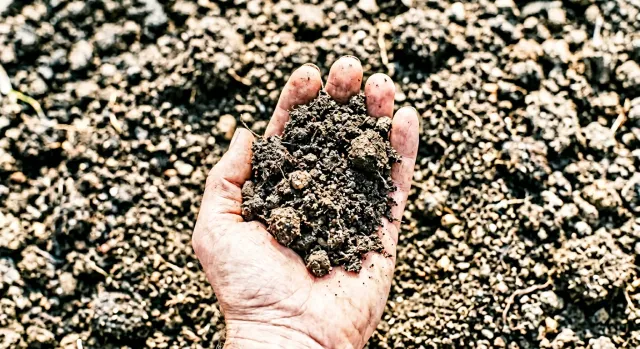
Garden Soil Calculator
Garden soil calculator — estimate the right volume in cubic feet or yards for raised beds, planters, or in-ground gardens before you buy.
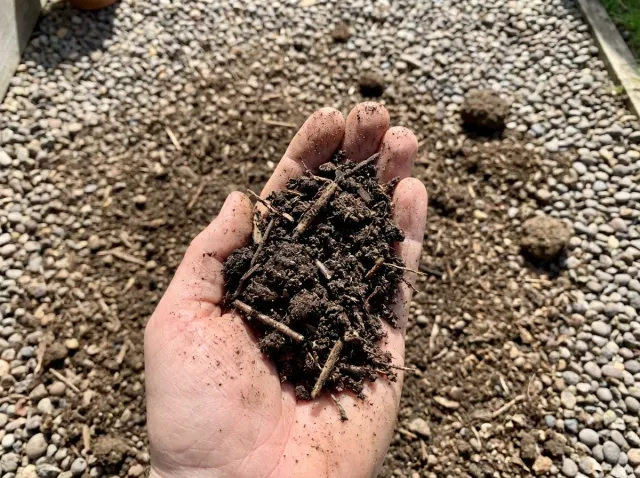
Compost Calculator
Estimate compost volume with this calculator for top-dressing, soil amendment, or new beds. Enter your square footage and desired depth for cubic yards.
Frequently Asked Questions
What materials do I need to fill and set up a planter box?
A planter box needs three things: a drainage layer, a growing medium, and enough material to reach the right depth. Start with a one to two inch layer of pea gravel or coarse gravel for drainage. Above that, use quality topsoil as the main growing medium. You can blend in coarse sand to improve drainage through the soil column. Hello Gravel sells topsoil, pea gravel, and coarse sand in bulk by the truckload. For large projects, use the Hello Gravel calculator to estimate volumes and let the team help you put together the right order.
What should I put in the bottom of a planter box for drainage?
Place a one to two inch layer of pea gravel or coarse gravel at the bottom. This creates space for excess water to drain away from roots and helps prevent waterlogged soil. Pea gravel is popular for its smooth flow, but other coarse gravels work too. Hello Gravel carries both options in bulk for single boxes or multiple projects.
What is the number one cause of plant death in container gardens?
Overwatering is the top cause of failure in containers. Waterlogged roots with limited oxygen lead to root rot and decline. To prevent this, ensure proper drainage holes and use a growing medium that drains well. A gravel drainage layer plus quality topsoil helps keep roots healthy, and you can mix in coarse sand to improve drainage. Hello Gravel offers topsoil and coarse sand in bulk to support this approach.
How much material will I need to fill my planter box?
Material needs depend on your box dimensions. Multiply length by width by depth to get volume in cubic feet, then divide by 27 to get cubic yards. For example, an 8 by 4 foot box that is 18 inches deep holds about 1.8 cubic yards. Plan for the drainage layer and the topsoil when ordering. Use the Hello Gravel calculator for a precise estimate for your project, and contact the team if you have questions.
What is the difference between a planter box and a raised garden bed, and does it change what materials I need?
A planter box is a fully enclosed container with a sealed base, so all growing medium must come from inside the box. A raised bed sits on the ground with an open bottom that connects to native soil. Because a planter box does not access ground soil, you need a complete growing medium and drainage inside the box. For planters, prioritize topsoil as the main medium, a drainage layer of pea or coarse gravel, and optional coarse sand for drainage. Hello Gravel supplies these materials in bulk.
More Project Calculators
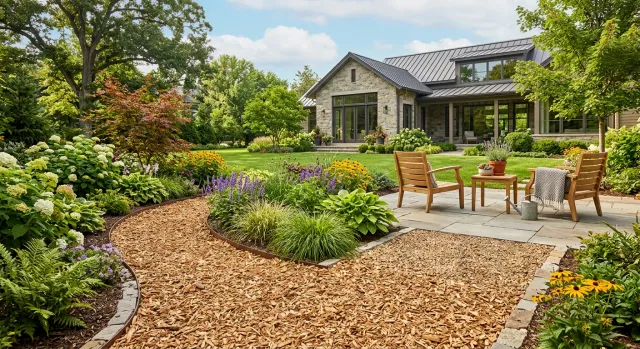
Playground Calculator
This calculator estimates mulch, rubber, or wood fiber surfacing for playgrounds. Enter area and recommended depth to get cubic yards and tons.
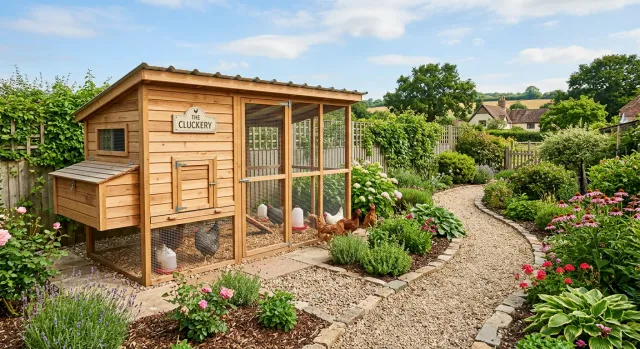
Chicken Coop Calculator
Use this calculator to estimate how much gravel your coop base requires. Input dimensions and depth for volume in cubic yards and stone type guidance.
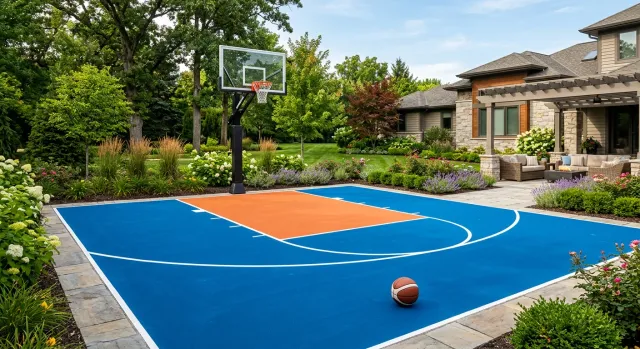
Basketball Court Calculator
Court base calculator — estimate gravel, sand, and sub-base quantities for backyard or regulation basketball courts. Input court size for material totals.
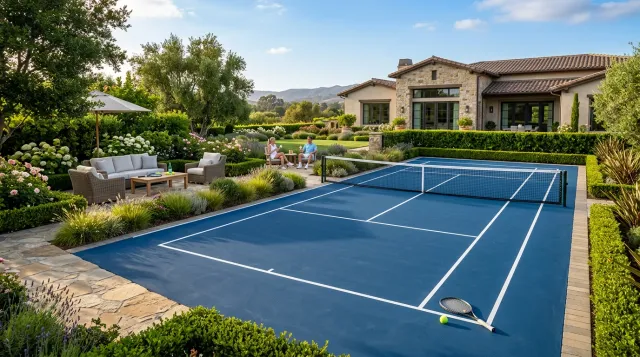
Tennis Court Calculator
Use this calculator to estimate the crushed stone base for a new or resurfaced tennis court. Enter dimensions and depth for volume and tonnage.
Delivery Logistics & Truck Info
Know your delivery options and access requirements before scheduling your order.
Truck Capacities
- Standard Dump Truck10–14 tons
- Tandem Axle14–18 tons
- Semi End Dump20–25 tons
A standard cubic yard weighs approximately 2,000–2,700 lbs depending on material and moisture.
Site Access Requirements
- Trucks require a minimum 12-ft wide, overhead-clear access path
- Soft ground or slopes over 10% may limit truck access — contact us before ordering
- Ensure no underground utilities or irrigation lines are in the drop zone
- Mark your desired drop location clearly before delivery
Important Notes
- Delivery estimates are based on available inventory and route proximity
- Minimum order quantities apply — typically 5 cubic yards or 1 truckload
- Material certification is available upon request for permitted projects
- Always confirm local ordinances before major material placement