
Patio Pavers Calculator
— How Much Do You Need?
Quick patio paver calculator: estimate pavers, bedding sand, and base stone with truckload pricing and fast delivery.
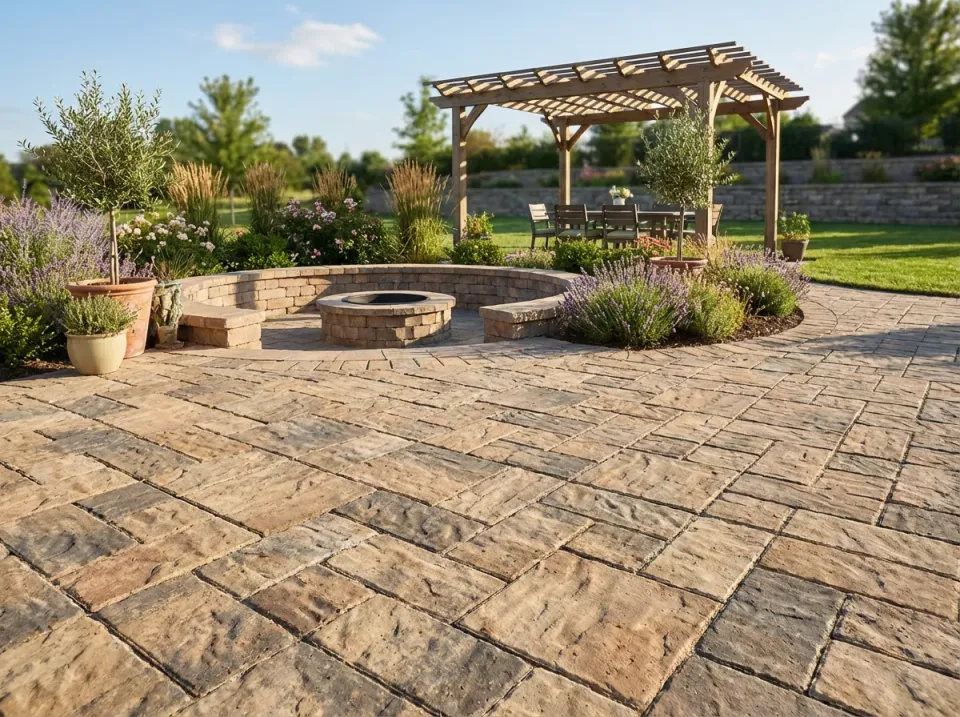
How to Use This Patio Pavers Calculator
Planning a patio pavers requires precise measurements to ensure you order enough material without overspending.
- 1 Measure Area: Measure the length and width of your planned patio pavers area in feet.
- 2 Determine Depth: For most patio pavers projects, a depth of 4 to 6 inches is recommended for stability.
- 3 Review Results: The calculator provides both cubic yards (for bulk volume) and tons (for ordering weight).
Common Materials for Patio Paverss
Selecting the correct base, bedding, and joint materials ensures proper drainage, load distribution, and long-term paver stability for outdoor surfaces.
| Material | Description | Best For | Est. Cost |
|---|---|---|---|
| Crusher Run (QP) | Crushed stone blended with stone dust fines, typically 3/4-inch minus, that compacts into a dense, interlocked mass. | Aggregate Base Layer, Load Distribution, Subgrade Stabilization | $ |
| #57 Crushed Stone | Clean, angular crushed stone sized at approximately 3/4 inch with minimal fines, offering excellent void space and drainage. | Aggregate Base Layer, Drainage, High-Traffic Patios | $ |
| Concrete Sand (ASTM C33) | Coarse, sharp-edged washed sand graded per ASTM C33 with angular particles sized from fine to 3/8 inch. | Bedding Layer, Paver Leveling, Screeded Setting Bed | $ |
| Masonry Sand (ASTM C144) | Fine, well-graded sand with tightly controlled particle sizing per ASTM C144, producing a smooth, dense fill. | Joint Sand Fill, Paver Interlock, Limited Use for Bedding | $ |
Understanding the Cost
Several factors influence the final price of your patio pavers project.
Material Volume
The dimensions of your project directly dictate the tonnage needed. Deeper bases require significantly more material.
Delivery Distance
Transport logistics play a major role. Being closer to the quarry or depot reduces delivery fees significantly.
Material Type
Decorative stones cost more than utility grades. Choose based on your project's functional and aesthetic requirements.
Recommended Products for Your Patio Pavers
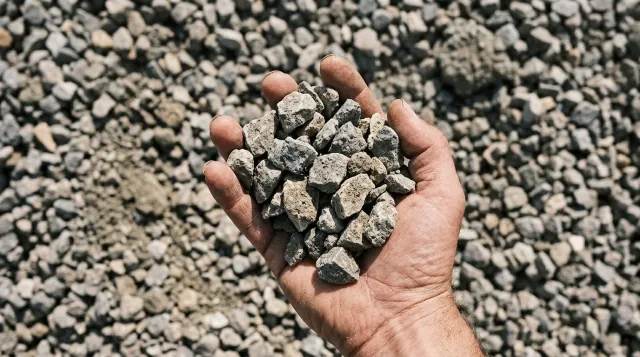
Crushed Stone Calculator
This calculator estimates crushed stone quantity and weight. Enter dimensions for results in cubic feet, cubic yards, and tons with density factored in.
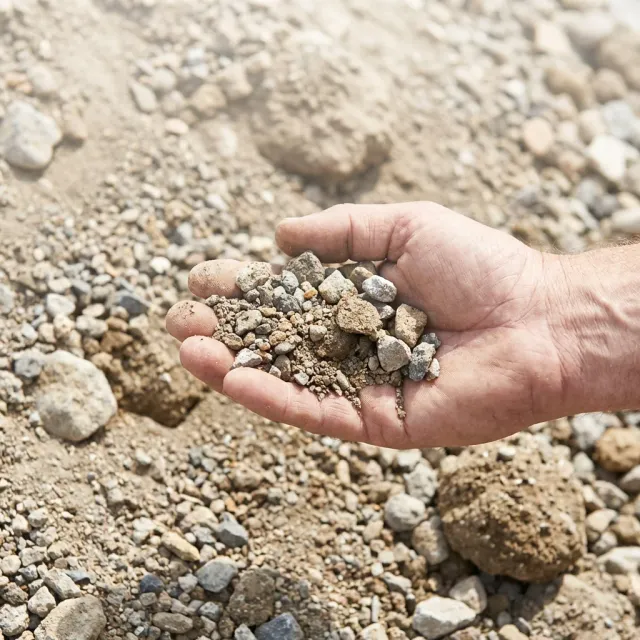
Road Base Calculator
Road base calculator — enter length, width, and depth to estimate volume and tonnage for crushed limestone, recycled concrete, and aggregate base.
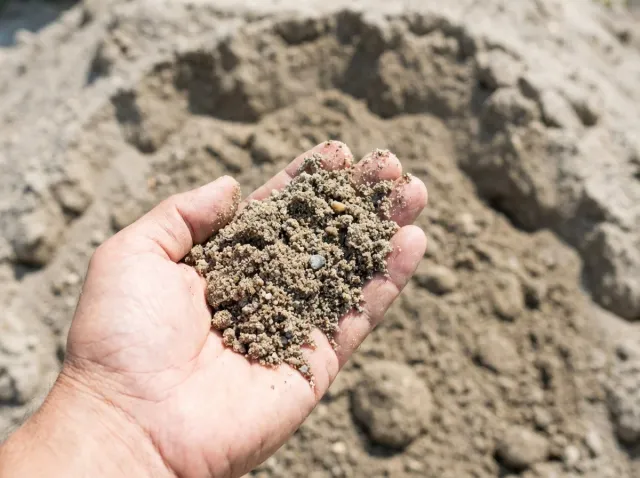
Concrete Sand Calculator
Concrete sand calculator — estimate volume and weight based on your project's length, width, and depth. Results in cubic yards and tons, ready for ordering.
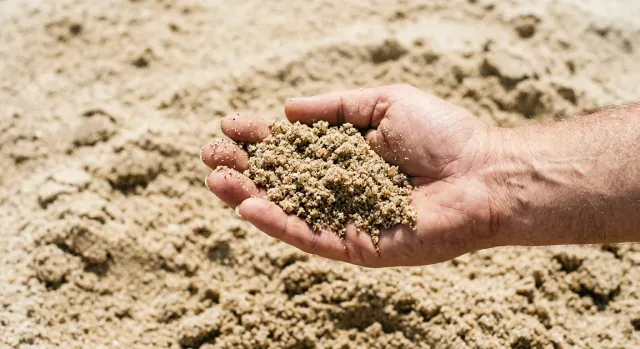
Washed Sand Calculator
This calculator estimates how much washed sand your project needs in cubic yards or tons. Accounts for material density so your estimate is accurate.
Frequently Asked Questions
Can I lay pavers directly on dirt, or do I need a proper base underneath?
You should never lay pavers directly on bare dirt. Soil absorbs moisture, expands and contracts with temperature swings, and shifts under load. Without a proper base, your pavers will sink in some spots, heave in others, and come out of level within a season or two. The repair work that follows is far more expensive and time-consuming than doing it right the first time. A properly built paver patio requires two base layers beneath the pavers themselves. The first is a compacted layer of crushed stone, typically 4 to 6 inches thick once compacted. This layer provides structural support, prevents movement, and allows water to drain away from the surface rather than pooling under your pavers. The second layer is a thin bed of coarse sand, usually about 1 inch deep, which gives you a workable surface to set and level each paver precisely. Skipping the crushed stone base, or using the wrong type of material for it, is the most common reason paver patios fail early. Hello Gravel supplies crushed stone and coarse sand in bulk truckload quantities, so you can get the right base materials delivered to your site and start with a solid foundation from the ground up.
What base materials does a paver patio need, and can Hello Gravel supply them?
A paver patio depends on two primary base materials: compactable crushed stone and coarse bedding sand. The crushed stone layer does the structural work. It sits on top of your compacted subgrade and gives the pavers a firm, well-draining foundation that resists shifting and frost heaving. The coarse sand layer goes on top of the crushed stone and is typically screeded to 1 inch of depth. It gives you the fine-grade control you need to set each paver at the right height and keep the surface level across the entire patio. For sites where the existing ground is low, soft, or uneven, a layer of fill dirt or compactable fill may also be needed before the crushed stone goes in. Getting your grade right before you lay any base material saves a lot of correction work later. Hello Gravel supplies crushed stone, coarse sand, and fill dirt in bulk by the truckload. Whether you are prepping a small backyard patio or a large commercial courtyard, you can order all of your base materials through Hello Gravel, choose your delivery date, and have everything arrive on site when you are ready to start work. The team is happy to help if you are unsure which material fits your specific project.
How much crushed stone and sand do I need for a paver patio?
The quantity you need depends on your patio dimensions and the depth of your base. For most residential paver patios, a 4-inch compacted crushed stone base requires roughly 1.5 to 2 tons of crushed stone per 100 square feet of patio area. A 6-inch base, which is the better choice for larger patios or areas that see heavy foot traffic, requires closer to 2.5 to 3 tons per 100 square feet. To put that in practical terms, a 20-by-20-foot patio covering 400 square feet with a 6-inch compacted crushed stone base typically calls for somewhere between 10 and 12 tons of crushed stone. The 1-inch coarse sand bedding layer adds roughly 1 to 2 tons on top of that, bringing the total base material order for a project that size to approximately 12 to 14 tons. These figures assume the base is being built on reasonably stable, already-graded ground. If you need to bring in fill dirt to correct your grade before the crushed stone goes in, that will add to your overall material order. Keep in mind these are working estimates. Your actual tonnage will depend on your exact dimensions, any low spots on site, and how much material gets disturbed during excavation. The Hello Gravel online calculator lets you enter your patio length, width, and desired base depth to get a more precise estimate before you place your order.
Is a paver patio cheaper than a poured concrete patio?
The paver material itself typically costs more per square foot than poured concrete, so the initial outlay for a paver patio is usually higher when you compare material costs side by side. However, the full picture is more nuanced than that upfront number suggests. Poured concrete slabs crack over time, and when they do, your repair options are limited. You can patch the crack, but it will usually be visible, and if the underlying base has shifted, the problem will come back. With a paver patio, individual pavers can be lifted, replaced, or releveled without disturbing the rest of the surface. That repairability has real long-term value, especially in regions with harsh winters or expansive soils. One area where you have meaningful control over costs on either type of patio is the base. A properly compacted crushed stone base is essential under both pavers and poured concrete. Ordering that base material in bulk through Hello Gravel rather than purchasing it by the bag at a hardware store can reduce that line item significantly, particularly on larger projects. For current pricing on base materials for your project, use the Hello Gravel calculator or get in touch with the team.
Is a paver patio cheaper than building a wood or composite deck?
For a ground-level installation, a paver patio is generally less expensive than a wood or composite deck of the same size. Decks require framing lumber, posts, concrete footings, fasteners, and often permits for elevated structures. All of those components add up quickly, and labor costs for deck framing tend to be higher than for paver installation. A ground-level paver patio built on properly prepared base materials requires fewer materials overall and is typically more accessible as a DIY project. Where this comparison can shift is when your yard has significant slope or grade issues. If your site needs substantial grading or fill work to create a level area for your patio, those site preparation costs can close the gap. An elevated deck may actually be more practical on a steeply sloped lot, while a flat or gently sloped yard usually favors a paver patio on cost. If you do need fill dirt or extra gravel to level your site before laying your base, Hello Gravel can supply those materials in the same truckload delivery as your crushed stone and sand, keeping your project moving without multiple separate material orders.
More Project Calculators
Playground Calculator
This calculator estimates mulch, rubber, or wood fiber surfacing for playgrounds. Enter area and recommended depth to get cubic yards and tons.
Chicken Coop Calculator
Use this calculator to estimate how much gravel your coop base requires. Input dimensions and depth for volume in cubic yards and stone type guidance.
Basketball Court Calculator
Court base calculator — estimate gravel, sand, and sub-base quantities for backyard or regulation basketball courts. Input court size for material totals.
Tennis Court Calculator
Use this calculator to estimate the crushed stone base for a new or resurfaced tennis court. Enter dimensions and depth for volume and tonnage.
Delivery Logistics & Truck Info
Know your delivery options and access requirements before scheduling your order.
Truck Capacities
- Standard Dump Truck10–14 tons
- Tandem Axle14–18 tons
- Semi End Dump20–25 tons
A standard cubic yard weighs approximately 2,000–2,700 lbs depending on material and moisture.
Site Access Requirements
- Trucks require a minimum 12-ft wide, overhead-clear access path
- Soft ground or slopes over 10% may limit truck access — contact us before ordering
- Ensure no underground utilities or irrigation lines are in the drop zone
- Mark your desired drop location clearly before delivery
Important Notes
- Delivery estimates are based on available inventory and route proximity
- Minimum order quantities apply — typically 5 cubic yards or 1 truckload
- Material certification is available upon request for permitted projects
- Always confirm local ordinances before major material placement