
Parking Pad Calculator
— How Much Do You Need?
Calculate gravel, sand, and base needed for parking pad and order truckload delivery online.
How to Use This Parking Pad Calculator
Planning a parking pad requires precise measurements to ensure you order enough material without overspending.
- 1 Measure Area: Measure the length and width of your planned parking pad area in feet.
- 2 Determine Depth: For most parking pad projects, a depth of 4 to 6 inches is recommended for stability.
- 3 Review Results: The calculator provides both cubic yards (for bulk volume) and tons (for ordering weight).
Common Materials for Parking Pads
Choosing the right material directly impacts the load-bearing capacity, compaction stability, and long-term drainage performance of a parking pad.
| Material | Description | Best For | Est. Cost |
|---|---|---|---|
| Crusher Run (QP) | A dense-graded blend of crushed stone fines and angular particles ranging from 3/4-inch down to dust, designed to compact into a tight, stable mass. | Base Course, RV & Heavy Vehicle Pads, Compacted Gravel Pads, Load-Bearing Base | $ |
| Dense Graded Aggregate (21A) | A well-graded crushed stone aggregate with particle sizes from 1-1/2 inches down to fines, providing excellent interlocking and compaction properties. | Base Course, Binder Course, High-Traffic Pads | $ |
| #57 Crushed Stone | Clean, angular crushed stone approximately 3/4-inch in size with minimal fines, providing strong drainage and structural support. | Subbase Layer, Drainage Layer, RV Pads | $$ |
| #411 Crushed Stone | A blend of #57 crushed stone and stone dust screenings producing a self-binding surface layer that compacts firmly. | Top/Wearing Course, Finished Gravel Surface, Light Vehicle Pads | $$ |
Understanding the Cost
Several factors influence the final price of your parking pad project.
Material Volume
The dimensions of your project directly dictate the tonnage needed. Deeper bases require significantly more material.
Delivery Distance
Transport logistics play a major role. Being closer to the quarry or depot reduces delivery fees significantly.
Material Type
Decorative stones cost more than utility grades. Choose based on your project's functional and aesthetic requirements.
Recommended Products for Your Parking Pad
Gravel Calculator
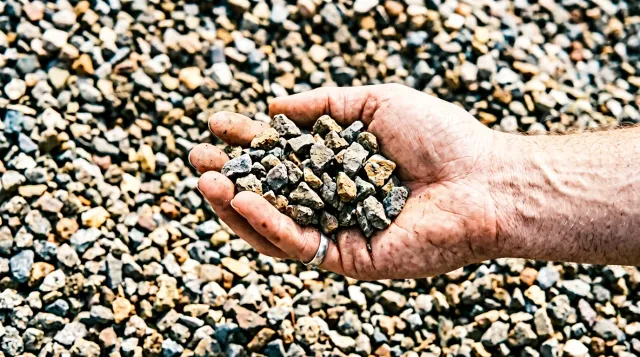
This gravel calculator estimates cubic yards, tons, and coverage for any area. Enter dimensions and depth for driveways, patios, paths, and landscaping.
Road Base Calculator
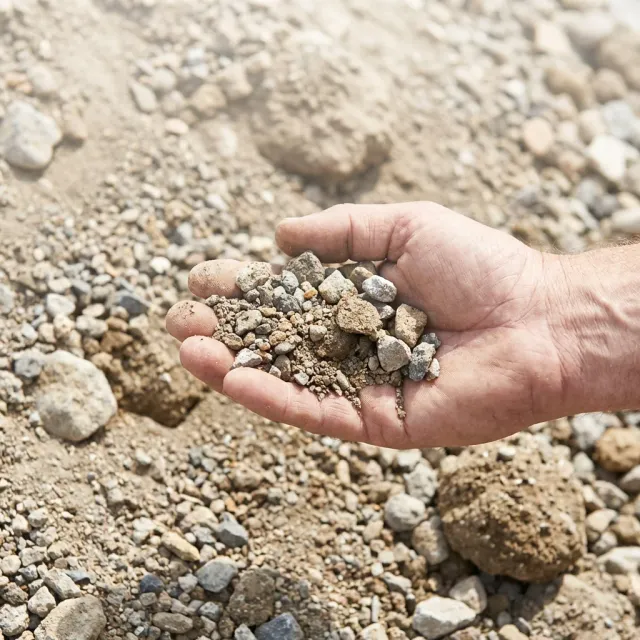
Road base calculator — enter length, width, and depth to estimate volume and tonnage for crushed limestone, recycled concrete, and aggregate base.
Crusher Run Calculator
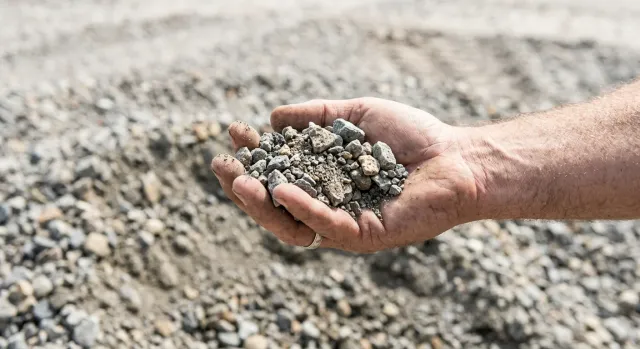
Crusher run calculator — enter width, length, and thickness to estimate cubic yards and tons for a solid, compactable driveway or parking pad base.
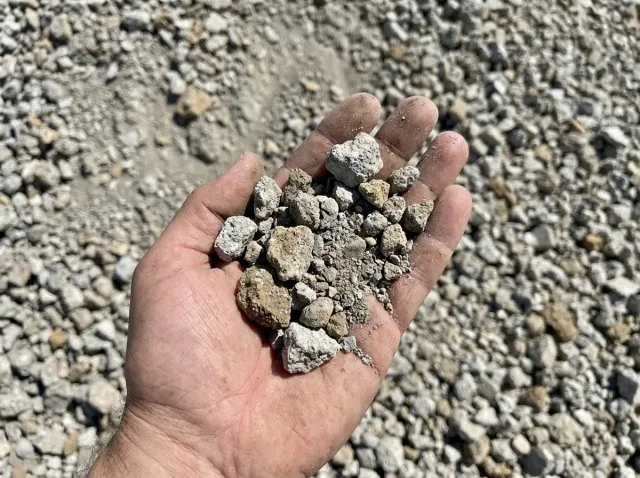
Recycled Concrete Calculator
Estimate crushed concrete with this calculator for driveways, road base, or backfill. Get cubic yards and tons with compaction factored in.
Frequently Asked Questions
What is a parking pad, and is it the right solution for my property?
A parking pad is a dedicated off-street parking area built to hold one or more vehicles. You might build one beside your home, at the end of an existing driveway, or in a side yard where you need extra parking for a second vehicle, a truck, a boat trailer, or regular guests. Unlike a full driveway, a parking pad does not need to connect your street to your garage. It stands on its own as a defined, usable parking surface. Parking pads are one of the most practical projects a homeowner can take on. They add real utility to your property without the complexity or cost of a full driveway installation. If you have the space and need reliable off-street parking, a gravel parking pad is often the fastest and most affordable way to get there. You can have materials delivered, a surface built, and vehicles parked on it all within a single weekend.
What is the difference between a parking pad and a driveway?
The core difference is purpose and layout. A driveway is a continuous path that connects a public road to your garage or the front of your home. Its job is to give you a route to drive in and out. A parking pad, on the other hand, is a standalone surface designed specifically for parking. It does not need to lead anywhere. In terms of shape, parking pads tend to be wider and shorter than driveways because they are designed to fit vehicles side by side rather than single file. A typical two-car parking pad might be 20 feet wide and 20 feet deep, while a standard single-lane driveway is usually 10 to 12 feet wide and much longer. Many homeowners add a gravel parking pad next to an existing driveway when they need overflow parking, a spot for a work truck, or a place to store a trailer without blocking the garage. The two can sit side by side and work together without any conflict.
Can a parking pad be made of gravel?
Yes, and gravel is one of the most popular choices for parking pads precisely because it is affordable, durable, and easy to install. A properly built gravel parking pad handles the weight of passenger vehicles, SUVs, and light trucks without any trouble. With the right base material and proper compaction, it holds up just as well for everyday use as a concrete pad would, at a fraction of the upfront cost. Gravel also drains naturally, which is a real advantage. Rain passes right through the stone rather than pooling on the surface the way it can on sealed concrete or asphalt. You also do not have to wait for any curing time. Once your gravel is delivered and compacted, you can park on it immediately. Another benefit worth mentioning is flexibility. If you ever want to expand your parking pad or adjust its shape, adding more gravel is a simple process. With poured concrete, any change means jackhammering and starting over. With gravel, you just order more material and spread it.
What is the best gravel for a parking pad?
The most effective approach is a two-layer system, each layer serving a specific purpose. For the base layer, crusher run is the top choice. Crusher run goes by several names depending on your region, including road base, quarry process, and dense-grade aggregate. It is a blend of crushed stone and fine stone dust. When you compact it, the angular pieces lock together and the dust fills the gaps, creating a firm, load-bearing surface that resists shifting under vehicle weight. This is your foundation, and getting it right makes everything above it perform better. For the surface layer, a coarser angular stone like #57 stone or #4 crushed stone works well. Angular stones interlock under traffic and stay in place far better than smooth or round stones. They also provide good traction for tires. One important thing to avoid: do not use round smooth stones like pea gravel or river rock as your surface material on a parking pad. Round stones roll and migrate away from high-traffic areas, leaving bare spots and creating an unstable surface under your tires. Angular, crushed stone is always the better call for any surface that takes vehicle traffic. Not sure which material is right for your specific project? The Hello Gravel team is happy to help you sort it out before you place your order.
How thick does a gravel parking pad need to be?
For a parking pad that will hold passenger vehicles and light trucks, plan for a minimum of 4 inches of compacted gravel. Most experienced builders recommend 6 inches of total depth for better long-term stability, especially if you are in a region with freeze-thaw cycles or if your soil has a lot of clay in it. Soft or clay-heavy soil tends to shift over time, so a deeper gravel layer gives your pad more resilience. A reliable approach is to build your pad in two layers. Start with 4 inches of compacted crusher run as your base. Then add 2 to 3 inches of angular surface stone on top. This layered system gives you a firm, locked-in foundation with a cleaner surface finish above it. If you plan to park anything heavier than a standard pickup truck on the pad, such as a loaded work truck, an RV, or heavy equipment, consider going to 8 inches of total depth. The extra material is a worthwhile investment when the load demands it. Keep in mind that depth measurements refer to compacted depth, not loose fill depth. Gravel compresses during installation, typically by about 20 to 25 percent, so you will need to order slightly more material than your final depth target suggests. The Hello Gravel calculator accounts for this when you enter your project dimensions.
More Project Calculators
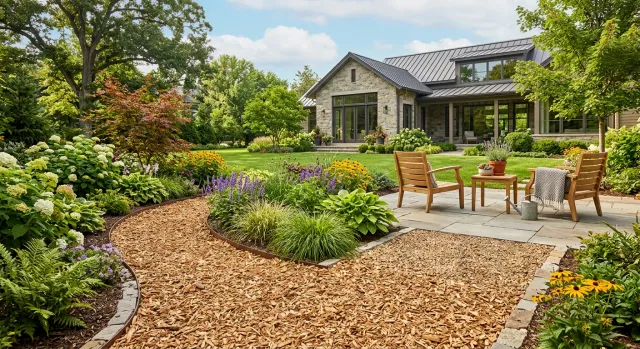
Playground Calculator
This calculator estimates mulch, rubber, or wood fiber surfacing for playgrounds. Enter area and recommended depth to get cubic yards and tons.
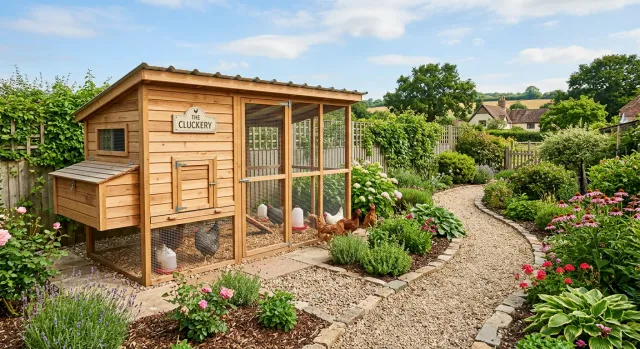
Chicken Coop Calculator
Use this calculator to estimate how much gravel your coop base requires. Input dimensions and depth for volume in cubic yards and stone type guidance.
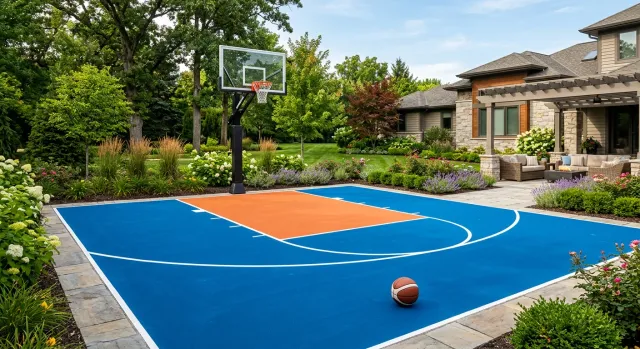
Basketball Court Calculator
Court base calculator — estimate gravel, sand, and sub-base quantities for backyard or regulation basketball courts. Input court size for material totals.
Tennis Court Calculator
Use this calculator to estimate the crushed stone base for a new or resurfaced tennis court. Enter dimensions and depth for volume and tonnage.
Delivery Logistics & Truck Info
Know your delivery options and access requirements before scheduling your order.
Truck Capacities
- Standard Dump Truck10–14 tons
- Tandem Axle14–18 tons
- Semi End Dump20–25 tons
A standard cubic yard weighs approximately 2,000–2,700 lbs depending on material and moisture.
Site Access Requirements
- Trucks require a minimum 12-ft wide, overhead-clear access path
- Soft ground or slopes over 10% may limit truck access — contact us before ordering
- Ensure no underground utilities or irrigation lines are in the drop zone
- Mark your desired drop location clearly before delivery
Important Notes
- Delivery estimates are based on available inventory and route proximity
- Minimum order quantities apply — typically 5 cubic yards or 1 truckload
- Material certification is available upon request for permitted projects
- Always confirm local ordinances before major material placement