
Mailbox Post Calculator
— How Much Do You Need?
Calculate materials for your mailbox post — concrete, gravel, backfill estimates and delivery.
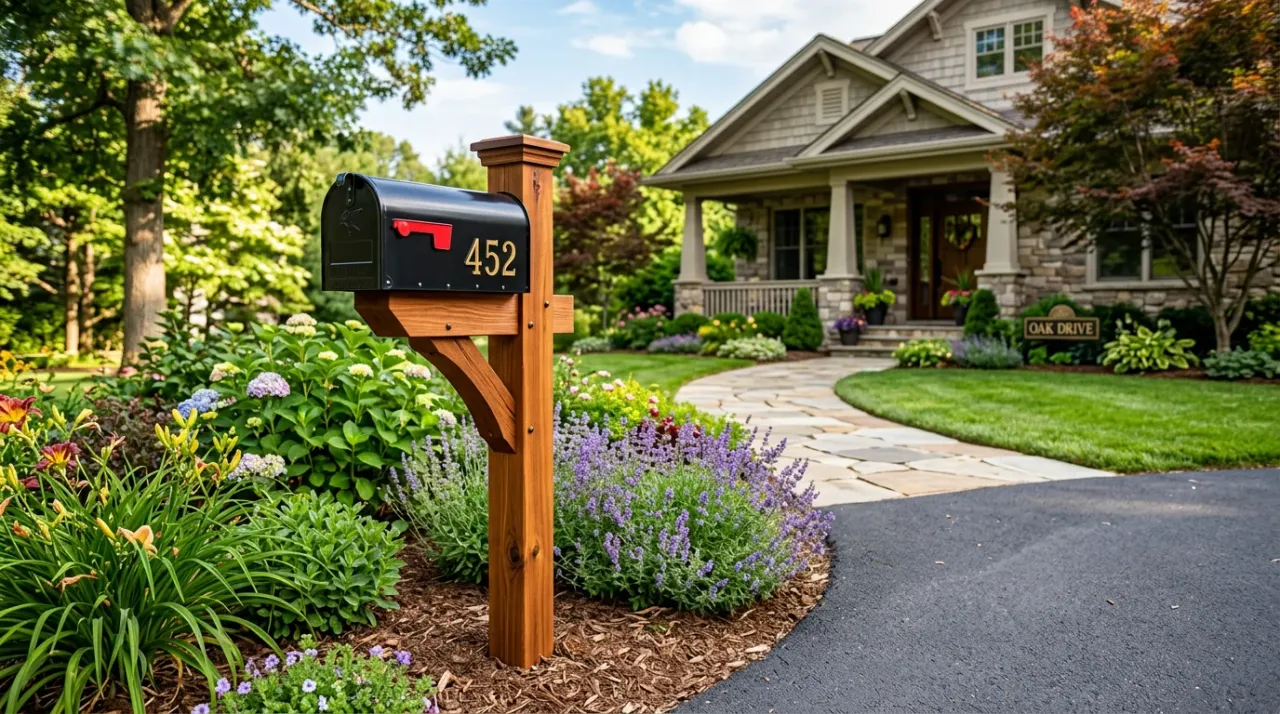
How to Use This Mailbox Post Calculator
Planning a mailbox post requires precise measurements to ensure you order enough material without overspending.
- 1 Measure Area: Measure the length and width of your planned mailbox post area in feet.
- 2 Determine Depth: For most mailbox post projects, a depth of 4 to 6 inches is recommended for stability.
- 3 Review Results: The calculator provides both cubic yards (for bulk volume) and tons (for ordering weight).
Common Materials for Mailbox Posts
Choosing the right backfill material ensures proper drainage, prevents frost heave, and maintains the breakaway design required for safe mailbox post installation.
| Material | Description | Best For | Est. Cost |
|---|---|---|---|
| Crusher Run (QP) | A blend of crushed stone particles ranging from 3/4-inch down to fine dust, providing a compactable, angular base aggregate. | Base Layer, Post Hole Stability, Drainage, Clay Soils | $ |
| #57 Crushed Stone | Clean, angular crushed stone typically 3/4-inch in size with minimal fines, offering excellent drainage and load distribution. | Base Layer, Drainage, Frost Heave Prevention, Sandy Soils | $ |
| Coarse Sand | Granular, loose sand with particle sizes ranging from 0.5 to 2mm, providing a free-draining, easily workable fill material. | Top Backfill Layer, Post Leveling Adjustment, Breakaway Design | $ |
| Fill Dirt | Native or imported subsoil composed of clay, silt, and sand particles with low organic content, used as a bulk fill material. | Bulk Fill, Dry Sites Only, Limited Use | $ |
Understanding the Cost
Several factors influence the final price of your mailbox post project.
Material Volume
The dimensions of your project directly dictate the tonnage needed. Deeper bases require significantly more material.
Delivery Distance
Transport logistics play a major role. Being closer to the quarry or depot reduces delivery fees significantly.
Material Type
Decorative stones cost more than utility grades. Choose based on your project's functional and aesthetic requirements.
Recommended Products for Your Mailbox Post

Gravel Calculator
This gravel calculator estimates cubic yards, tons, and coverage for any area. Enter dimensions and depth for driveways, patios, paths, and landscaping.

Fill Dirt Calculator
This calculator estimates fill dirt volume with a built-in compaction factor so you order enough. Works for grading, foundations, and backfill projects.
Crushed Stone Calculator
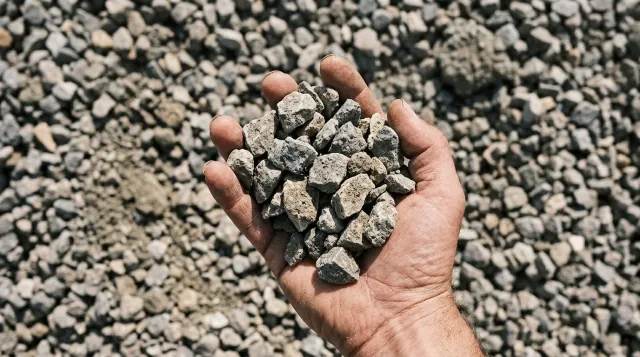
This calculator estimates crushed stone quantity and weight. Enter dimensions for results in cubic feet, cubic yards, and tons with density factored in.

Concrete Sand Calculator
Concrete sand calculator — estimate volume and weight based on your project's length, width, and depth. Results in cubic yards and tons, ready for ordering.
Frequently Asked Questions
Should I set my mailbox post in concrete, or is gravel a better option?
Both methods work, but each has real trade-offs worth thinking through before you dig. Concrete gives you maximum rigidity and is the most familiar approach. The downside is that poured concrete can crack over time, especially in climates with hard freezes, and it tends to trap moisture against the base of a wood post. That trapped moisture speeds up rot and can shorten the life of your installation significantly. Crushed stone or pea gravel is a practical alternative that many experienced installers actually prefer. Clean crushed stone compacts firmly around the post, sheds water instead of trapping it, and allows you to adjust or remove the post later without jackhammering out a block of concrete. When you pack gravel in layers and tamp it down as you go, it grips the post from all sides and provides solid lateral support. For a standard residential mailbox post, a gravel setting with good drainage is often the longer-lasting choice. If you want the extra rigidity of concrete but are worried about moisture, some installers use a hybrid approach: a small concrete collar at the top of the hole for stability, with crushed stone beneath the post for drainage. Either way, drainage is the key factor in how long your post holds up.
What is the proper depth and height for a mailbox post?
The U.S. Postal Service has clear guidelines here, and following them matters because a non-compliant mailbox can be flagged by your mail carrier. The bottom of your mailbox should sit between 41 and 45 inches above the road surface, with the door facing the road. The front of the box should be positioned 6 to 8 inches back from the curb or the edge of the road shoulder. For the post itself, you need to bury it at least 24 inches deep to resist tipping and lateral pressure. In areas with freeze-thaw cycles, 30 inches or deeper is a better target. Frost heave can gradually push a shallow post upward over several winters until it leans or falls. Going deeper costs very little extra effort at installation but saves you from resetting the whole thing two years down the road. The width of your post hole matters too. A hole at least 8 to 10 inches in diameter gives you enough room to pack crushed stone or pour concrete evenly around all sides of the post, which is where the lateral support comes from. A hole that is too narrow will leave the post rocking in its setting no matter what material you use.
What post material works best for a mailbox installation?
The three most common options are pressure-treated wood, metal (steel or aluminum), and vinyl. Each has its place depending on your budget, climate, and how much maintenance you want to do over the years. Pressure-treated lumber is the most widely used option. It is affordable, easy to cut and work with, and holds up well in direct ground contact when properly installed with good drainage. Cedar is a natural alternative with built-in rot resistance. Both wood options benefit from a crushed stone setting that keeps moisture draining away from the base rather than pooling against it. Steel and aluminum posts are more durable over the long term. They do not rot and they resist insect damage. Galvanized or powder-coated steel is especially tough and handles heavy snow loads and the occasional vehicle strike better than wood. Vinyl posts look clean and need no painting, but they tend to be less rigid than wood or metal and can become brittle in very cold climates. For high-wind areas or places where snowplows pass close to the curb, a sturdier material is worth the extra cost. For most homeowners, a 4x4 pressure-treated post set with clean crushed stone for drainage is the practical choice that balances cost, availability, and longevity.
What are the most common mailbox post installation mistakes?
A few problems come up again and again, and knowing them ahead of time can save you from having to redo the whole job. Not digging deep enough is the most common mistake. A post buried only 12 to 18 inches will lean or tip within a few years, especially in wet or frost-prone soil. Always aim for at least 24 inches of depth, and plan for 30 inches if your area gets hard winters. Using the wrong backfill material is a close second. Loose soil or soft sand gives a post very little grip and allows water to pool at the base. Compacted crushed stone provides far better lateral support and keeps water draining away from the wood. Not checking the USPS height requirements before setting the post is another frequent issue. The mailbox bottom needs to sit 41 to 45 inches above the road surface. It is much easier to adjust for this before the post is locked in place. Skipping the call before you dig catches people off guard more often than you would think. Before breaking ground on any post hole, contact your local utility marking service by dialing 811. This is free, required by law in all 50 states, and takes only a couple of minutes to arrange. Underground lines are more common than most homeowners expect. Finally, ignoring local HOA rules or right-of-way restrictions can create problems after installation. A quick check with your HOA or local public works department before you start keeps the project moving without interruptions.
Can I use a 6x6 post for a mailbox?
Yes, a 6x6 post is a perfectly valid option, though it is larger than what most standard mailbox installations require. It is most commonly used for larger decorative mailbox structures, brick or stone-faced installations, or properties with multiple mailboxes sharing a single post. The main practical consideration is that a 6x6 requires a wider post hole than a 4x4. You need at least 12 to 14 inches of diameter to leave enough room for proper backfill on all sides. That wider hole means more aggregate or concrete to fill and compact around the post, so factor that into your material planning. For a single standard residential mailbox, a 4x4 post does everything needed and is much easier to work with. If you are building a more substantial entry feature or want the visual weight of a heftier post, a 6x6 is a solid choice. Just make sure your hole depth and backfill material match the larger scale of the project.
More Project Calculators

Playground Calculator
This calculator estimates mulch, rubber, or wood fiber surfacing for playgrounds. Enter area and recommended depth to get cubic yards and tons.
Chicken Coop Calculator
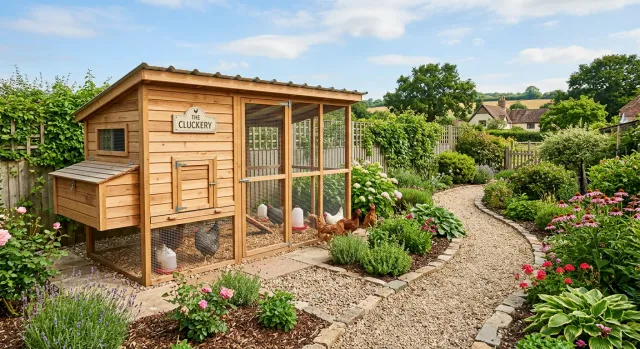
Use this calculator to estimate how much gravel your coop base requires. Input dimensions and depth for volume in cubic yards and stone type guidance.
Basketball Court Calculator
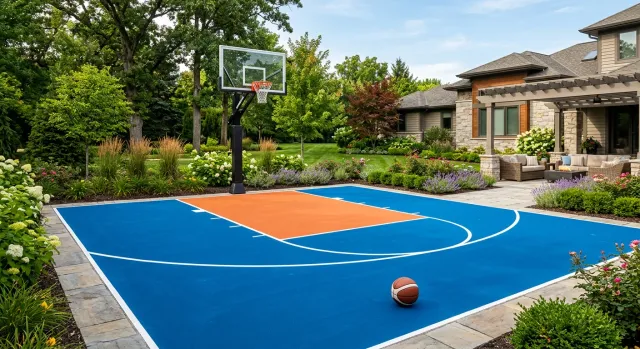
Court base calculator — estimate gravel, sand, and sub-base quantities for backyard or regulation basketball courts. Input court size for material totals.

Tennis Court Calculator
Use this calculator to estimate the crushed stone base for a new or resurfaced tennis court. Enter dimensions and depth for volume and tonnage.
Delivery Logistics & Truck Info
Know your delivery options and access requirements before scheduling your order.
Truck Capacities
- Standard Dump Truck10–14 tons
- Tandem Axle14–18 tons
- Semi End Dump20–25 tons
A standard cubic yard weighs approximately 2,000–2,700 lbs depending on material and moisture.
Site Access Requirements
- Trucks require a minimum 12-ft wide, overhead-clear access path
- Soft ground or slopes over 10% may limit truck access — contact us before ordering
- Ensure no underground utilities or irrigation lines are in the drop zone
- Mark your desired drop location clearly before delivery
Important Notes
- Delivery estimates are based on available inventory and route proximity
- Minimum order quantities apply — typically 5 cubic yards or 1 truckload
- Material certification is available upon request for permitted projects
- Always confirm local ordinances before major material placement