
Leach Field Cost Calculator
— How Much Do You Need?
Calculate gravel and drain rock for septic leach fields with easy truckload pricing and delivery.
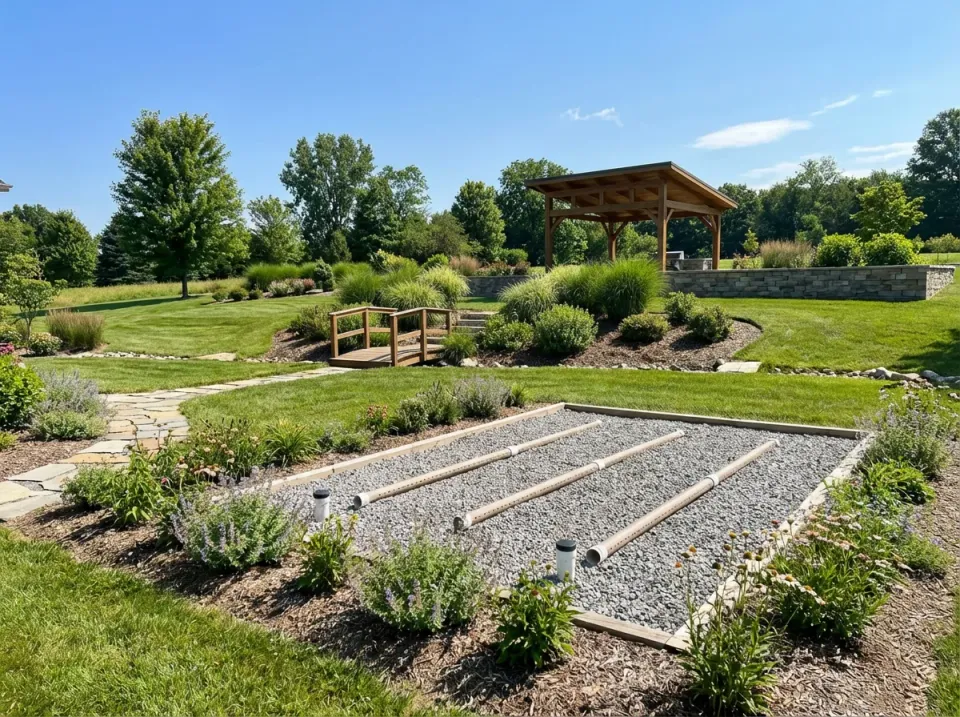
How to Use This Leach Field Calculator
Planning a leach field requires precise measurements to ensure you order enough material without overspending.
- 1 Measure Area: Measure the length and width of your planned leach field area in feet.
- 2 Determine Depth: For most leach field projects, a depth of 4 to 6 inches is recommended for stability.
- 3 Review Results: The calculator provides both cubic yards (for bulk volume) and tons (for ordering weight).
Common Materials for Leach Fields
Selecting the right aggregate ensures adequate void space for effluent flow, prevents soil intrusion into trenches, and maintains the long-term percolation capacity of the drain field.
| Material | Description | Best For | Est. Cost |
|---|---|---|---|
| Washed Drain Rock (3/4" Clean) | Clean, washed, rounded to angular stone ranging from 3/4 to 1.5 inches in diameter with no fines or clay content. | Gravel Trench Fill, Pipe Surround, Effluent Dispersal, Primary Leach Field Aggregate | $$ |
| Crushed Stone (#57) | Angular, machine-crushed limestone or granite graded to approximately 3/4 to 1 inch with minimal fines. | Base Layer, High-Load Trench Areas, Pipe Surround, Alternative to Drain Rock | $$ |
| Coarse Sand | Coarse, washed granular sand with particle sizes typically ranging from 0.5 to 2 mm, free of silt and organic matter. | Filter Transition Layer, Chamber System Fill, Sandy Soil Infiltration, Limited Use | $ |
| Fill Dirt / Topsoil | Loamy native or imported soil blend used as a surface cover layer, typically low in rock content and moderately compactable. | Trench Cover Layer, Final Grade Establishment, Turf Preparation, Not Trench Fill | $ |
Understanding the Cost
Several factors influence the final price of your leach field project.
Material Volume
The dimensions of your project directly dictate the tonnage needed. Deeper bases require significantly more material.
Delivery Distance
Transport logistics play a major role. Being closer to the quarry or depot reduces delivery fees significantly.
Material Type
Decorative stones cost more than utility grades. Choose based on your project's functional and aesthetic requirements.
Recommended Products for Your Leach Field
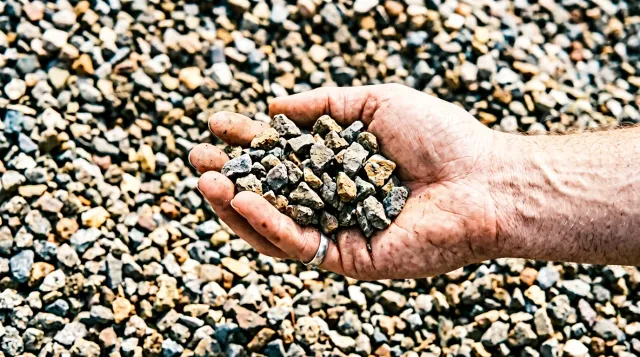
Gravel Calculator
This gravel calculator estimates cubic yards, tons, and coverage for any area. Enter dimensions and depth for driveways, patios, paths, and landscaping.
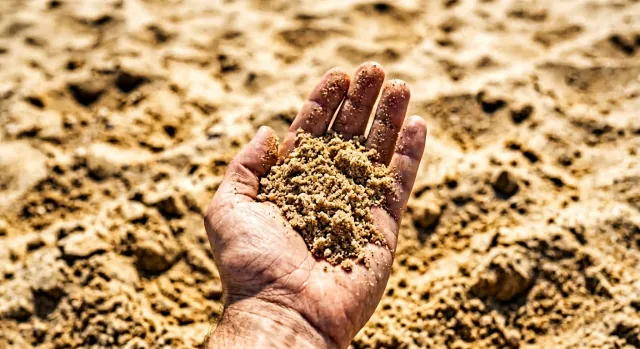
Sand Calculator
Use this sand calculator to estimate cubic yards, tons, and bags. Covers fill, leveling, and bedding sand with weight and cost estimates included.
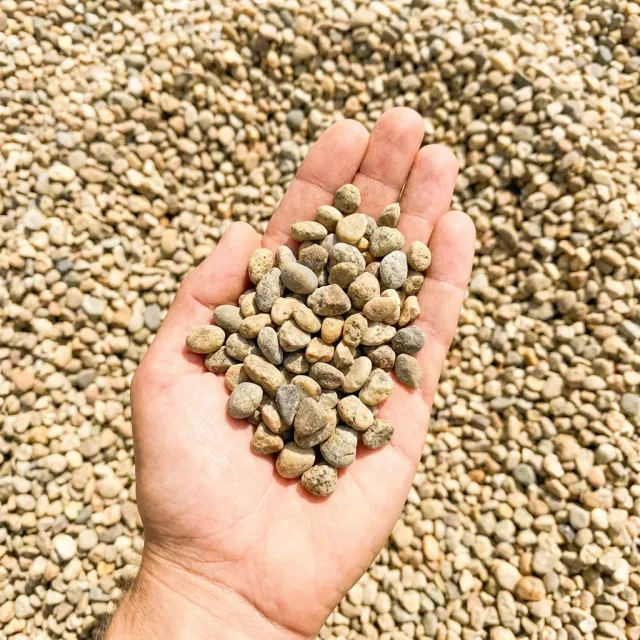
Pea Gravel Calculator
Pea gravel calculator — enter your project dimensions to estimate volume in cubic yards, tons, and bags. Ideal for pathways, patios, and ground cover.
Drainage Rock Calculator
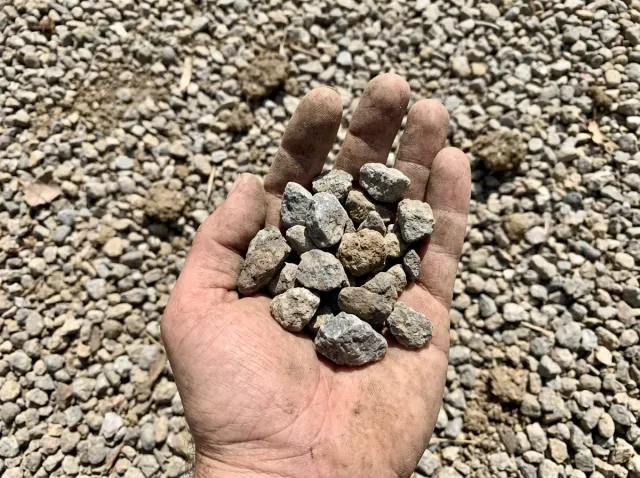
This calculator estimates drainage gravel for French drains, yard drainage, and erosion control. Factors in the 4-6 inch depth most systems need.
Frequently Asked Questions
What is a leach field, and why is gravel so critical to how it works?
A leach field, also called a drain field or septic field, is the part of your septic system that treats and disperses wastewater into the surrounding soil. After solids settle in your septic tank, the liquid effluent flows through perforated pipes buried in the ground. Those pipes sit in a bed of clean, coarse gravel that the system uses to move water and filter the waste as it percolates through the soil. The gravel serves two essential purposes. First, it supports and surrounds the perforated pipes, keeping them stable and preventing soil from collapsing into the trench and blocking flow. Second, and more importantly, it creates the open, porous environment that allows liquid to move freely away from the pipes and slowly percolate down through the soil, where naturally occurring bacteria finish the treatment process. Without the right gravel, that movement can slow or stop. Clean, washed crushed stone keeps the space between particles open so the system can breathe and drain the way it was designed. If you are building a new system or replacing a failed one, the quality of the gravel you choose has a direct impact on how long that system performs.
What size and type of gravel is used in a leach field?
The gravel used in a leach field needs to meet a specific profile: clean, washed, and coarse enough to maintain good drainage without allowing soil or biomat to clog the voids between particles. The most common size used in leach field construction is 3/4 inch to 1.5 inch clean crushed stone. This size range is sometimes called septic stone or drain field stone. The key word in any leach field spec is "clean," which means the stone should be free of fines, dust, clay, and silt. Fines fill in the air pockets between stones, and once those pockets close off, drainage slows or stops entirely. Washed crushed stone in the 3/4 inch to 1.5 inch range gives you the right combination of structural support around the pipes and open pore space for water to move through. Some contractors prefer a rounded washed gravel for leach fields, while others use angular crushed stone. Both can work, but the cleanliness of the material matters far more than the shape. Hello Gravel delivers clean washed crushed stone by the truckload, which is exactly the kind of bulk quantity a leach field project demands. If you have questions about which specific material is the best fit for your job, reach out to the Hello Gravel team and we will help you find the right product for your area.
How deep is a leach field installed?
A typical leach field trench is buried anywhere from 18 to 36 inches below the surface, though the exact depth depends on your local code requirements, soil conditions, and the layout designed by your septic engineer or contractor. Inside the trench, the gravel placement follows a specific sequence. You start with a bed of gravel at the bottom of the trench, usually about 6 inches deep. The perforated distribution pipe is then laid on top of that base. From there, another layer of gravel is added above and around the pipe, typically bringing the total gravel depth in the trench to around 12 to 18 inches. A layer of geotextile fabric or untreated building paper is usually placed on top of the stone to prevent soil from migrating down into the gravel bed before backfill is added. That 12 to 18 inch gravel column inside the trench is why leach field projects require a significant amount of material. Even a modest system with a few hundred feet of trench adds up quickly once you account for the full depth and width of the gravel envelope surrounding the pipe. Understanding this depth is the first step toward estimating how much stone you will actually need, which we cover in more detail below.
How much gravel does a typical leach field project require?
The honest answer is that it depends on your trench layout, but we can give you a useful starting point based on standard installation dimensions. A common residential leach field trench is about 24 inches wide with a gravel bed approximately 15 to 18 inches deep. At those dimensions, each linear foot of trench requires roughly 3 cubic feet of stone, which works out to about 0.15 to 0.17 tons per linear foot. Using that as a working estimate, here is what that looks like at a few common trench lengths. A 300-foot system would require approximately 45 to 50 tons of gravel. A 500-foot system would require approximately 75 to 85 tons. A 700-foot system would require approximately 105 to 120 tons. Those are estimates based on a 24-inch-wide trench and 15 inches of gravel depth. Your actual trench dimensions may be wider, deeper, or both, so your real quantity will vary. One important note: always order a 10 to 15 percent buffer above your calculated amount. Gravel settles, and running short mid-project is a bigger problem than having a small surplus. The Hello Gravel calculator makes it easy to plug in your trench dimensions and get a more precise tonnage estimate. You can also reach out to the Hello Gravel team if you have multiple trench runs or a more complex layout and want help working through the numbers.
Does leach field gravel need to meet specific local codes or requirements?
Yes, in most cases it does. Septic systems are regulated at the state and county level, and most jurisdictions have specific standards for the gravel used in a drain field. Common requirements specify the stone size range, typically somewhere in the 3/4 inch to 1.5 inch window, and almost universally require the material to be clean and washed with no fines. Before you place your order, it is worth a quick call to your local health department or a licensed septic contractor to confirm what your jurisdiction requires. This is especially important if you are pulling a permit for a new installation or repair, because an inspector may check that your materials meet the stated spec before approving the work. Hello Gravel delivers clean washed crushed stone that commonly falls within the size and cleanliness standards used in leach field construction across the country. That said, we always recommend confirming your local requirements before ordering, since specifications can vary by county and sometimes by project type. If you want to talk through what materials are available in your area, the Hello Gravel team is happy to help you match the right product to your project's needs.
More Project Calculators

Playground Calculator
This calculator estimates mulch, rubber, or wood fiber surfacing for playgrounds. Enter area and recommended depth to get cubic yards and tons.
Chicken Coop Calculator
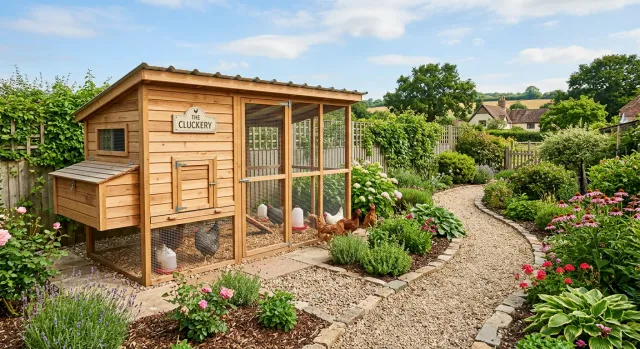
Use this calculator to estimate how much gravel your coop base requires. Input dimensions and depth for volume in cubic yards and stone type guidance.
Basketball Court Calculator
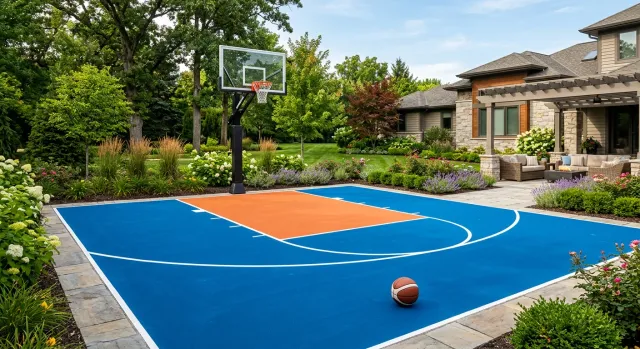
Court base calculator — estimate gravel, sand, and sub-base quantities for backyard or regulation basketball courts. Input court size for material totals.

Tennis Court Calculator
Use this calculator to estimate the crushed stone base for a new or resurfaced tennis court. Enter dimensions and depth for volume and tonnage.
Delivery Logistics & Truck Info
Know your delivery options and access requirements before scheduling your order.
Truck Capacities
- Standard Dump Truck10–14 tons
- Tandem Axle14–18 tons
- Semi End Dump20–25 tons
A standard cubic yard weighs approximately 2,000–2,700 lbs depending on material and moisture.
Site Access Requirements
- Trucks require a minimum 12-ft wide, overhead-clear access path
- Soft ground or slopes over 10% may limit truck access — contact us before ordering
- Ensure no underground utilities or irrigation lines are in the drop zone
- Mark your desired drop location clearly before delivery
Important Notes
- Delivery estimates are based on available inventory and route proximity
- Minimum order quantities apply — typically 5 cubic yards or 1 truckload
- Material certification is available upon request for permitted projects
- Always confirm local ordinances before major material placement