
Gravel Path Calculator
— How Much Do You Need?
Estimate gravel, depth, and cost for any path — simple inputs, truckload delivery, and upfront pricing.
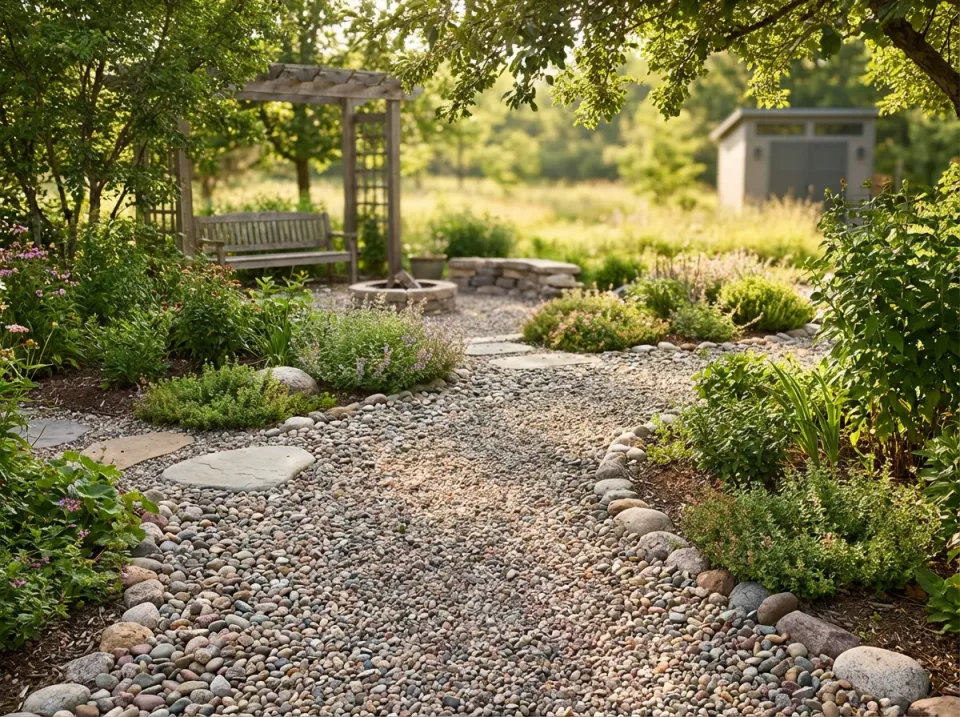
How to Use This Gravel Path Calculator
Planning a gravel path requires precise measurements to ensure you order enough material without overspending.
- 1 Measure Area: Measure the length and width of your planned gravel path area in feet.
- 2 Determine Depth: For most gravel path projects, a depth of 4 to 6 inches is recommended for stability.
- 3 Review Results: The calculator provides both cubic yards (for bulk volume) and tons (for ordering weight).
Common Materials for Gravel Paths
Choosing the right aggregate for each layer directly affects drainage, compaction, foot-traffic durability, and long-term path stability.
| Material | Description | Best For | Est. Cost |
|---|---|---|---|
| Crusher Run (QP) | Crushed stone blend ranging from 3/4-inch down to fine dust particles that compact tightly into a firm, interlocked surface. | Base Course, Surface Course, High-Traffic Paths, DIY & Contractor Installs | $ |
| #57 Crushed Stone | Clean, angular crushed stone typically 3/4-inch to 1-inch in size with minimal fines, offering excellent drainage and load distribution. | Base Course, Drainage Layer, Occasional Vehicle Loads, Soft Subgrade Support | $ |
| Pea Gravel | Small, smooth, rounded natural gravel particles approximately 3/8-inch in diameter with a polished appearance. | Surface Course, Garden Paths, Aesthetic Finishes, Light Foot Traffic | $$ |
| #21A Gravel (Fine Modified) | Crushed stone graded at 3/4-inch minus with a blend of coarse and fine particles that compact to a smooth, stable surface. | Surface Course, Residential Paths, Smooth Walking Surface | $ |
Understanding the Cost
Several factors influence the final price of your gravel path project.
Material Volume
The dimensions of your project directly dictate the tonnage needed. Deeper bases require significantly more material.
Delivery Distance
Transport logistics play a major role. Being closer to the quarry or depot reduces delivery fees significantly.
Material Type
Decorative stones cost more than utility grades. Choose based on your project's functional and aesthetic requirements.
Recommended Products for Your Gravel Path
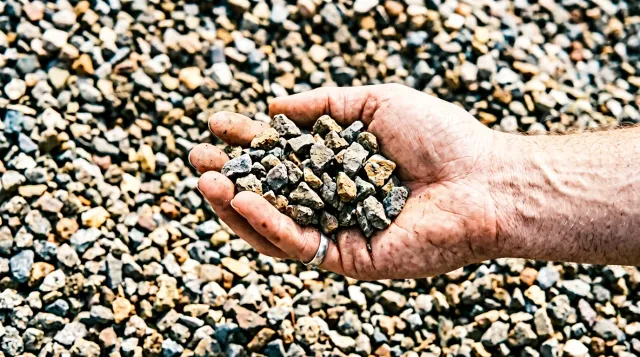
Gravel Calculator
This gravel calculator estimates cubic yards, tons, and coverage for any area. Enter dimensions and depth for driveways, patios, paths, and landscaping.
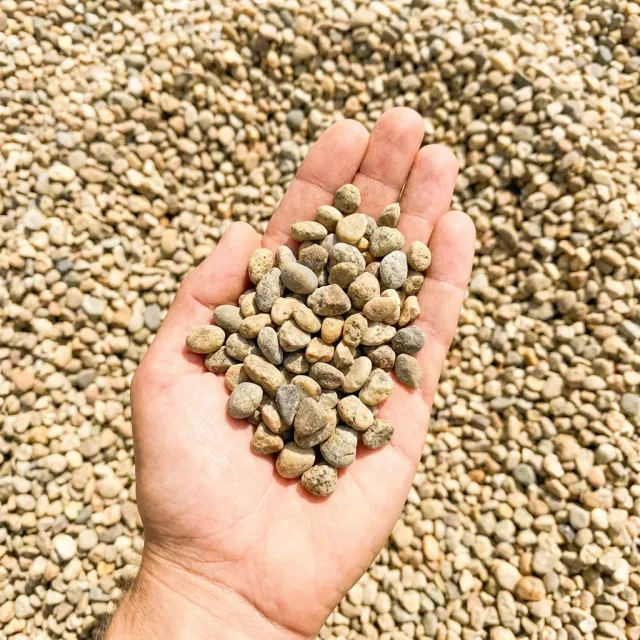
Pea Gravel Calculator
Pea gravel calculator — enter your project dimensions to estimate volume in cubic yards, tons, and bags. Ideal for pathways, patios, and ground cover.
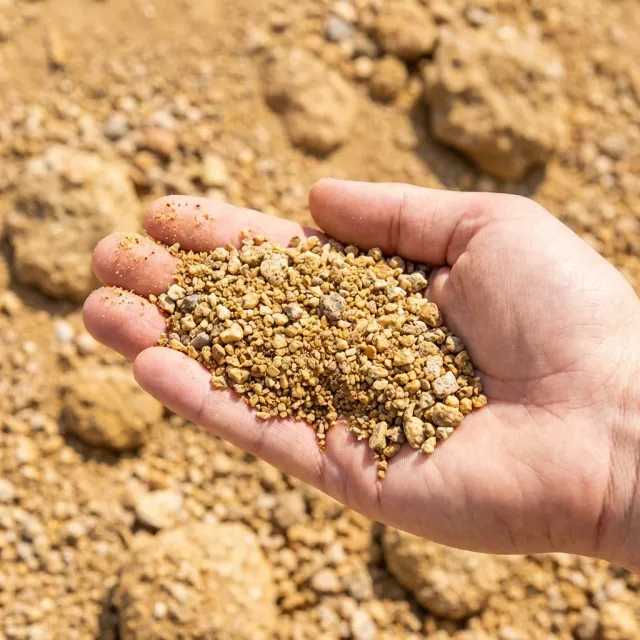
Decomposed Granite Calculator
DG calculator for pathways, patios, and driveways. Enter length, width, and depth to estimate tonnage — most projects need 2-3 inches for a compacted finish.
Road Base Calculator
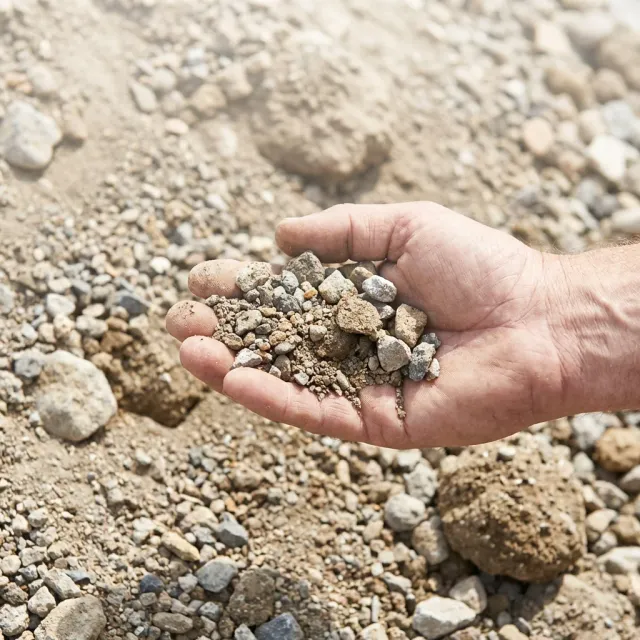
Road base calculator — enter length, width, and depth to estimate volume and tonnage for crushed limestone, recycled concrete, and aggregate base.
Frequently Asked Questions
What is a gravel path, and what is it typically used for?
A gravel path is a walkway made from loose stone or aggregate material spread over a prepared surface. Instead of poured concrete or cut stone pavers, you use a layer of small, loose rock to create a walkable surface. Gravel paths show up everywhere in residential settings: leading from a driveway to a front door, winding through a backyard garden, separating raised planting beds, running along the side of a home, or connecting a patio to an outbuilding. The material itself can range from smooth, rounded pea gravel to angular crushed stone or compactable crusher run. Each type has its own characteristics, but they all serve the same core purpose: a walkable, water-permeable surface that costs significantly less to install than concrete or pavers and can be shaped to fit almost any yard layout. For homeowners who want a defined, low-maintenance path without a major construction project, gravel is one of the most practical options available.
Are gravel paths a good idea compared to other options?
For most homeowners, yes. Gravel paths offer a combination of benefits that hard surfaces like concrete or pavers simply cannot match at the same price point. They drain well because water passes through the stone rather than pooling on top, which makes them a natural fit for yards that get regular rainfall or have drainage concerns. They are also flexible: if you want to extend the path, change its shape, or adjust the layout, you can do that without demolishing anything. With concrete, you are locked in once it cures. Gravel also does not crack the way concrete does over time, and there is no grouting or sealing required. The main thing to plan for is containment. Without proper edging, gravel tends to scatter into surrounding lawn or garden beds, especially in high-traffic areas or on gentle slopes. Using the right edging, landscape fabric, and a good-quality gravel that stays put underfoot addresses most of those concerns. With a little planning up front, a gravel path is a durable and attractive solution that most homeowners are happy with for years.
Is gravel cheaper than concrete or paving slabs for a path?
Generally, yes, and the difference is often significant. Poured concrete requires forming, pouring, finishing, and curing, which involves both skilled labor and materials that add up quickly. Paving slabs require careful leveling, a prepared base, and precise placement. Gravel, by contrast, can be spread and raked into place with basic hand tools and a straightforward weekend of work. Beyond the installation cost, gravel also tends to hold up better over the long term than concrete in terms of maintenance cost. Concrete cracks as the ground shifts through freeze-thaw cycles. Repairs require cutting out sections and repouching, which is messy and expensive. With a gravel path, if a section settles or material scatters over time, you simply rake it back into place or add a thin top-up layer. For longer or wider paths where hard-surface costs add up fast, gravel often saves homeowners a substantial amount. For current material pricing on a bulk delivery for your specific path dimensions, use the Hello Gravel calculator or reach out to the team directly for a quote.
What size gravel works best for a path or walkway?
For most residential paths, gravel in the 3/8-inch to 3/4-inch range hits the right balance between comfort underfoot and staying in place. Pea gravel, which sits around 3/8 inch and has a naturally smooth, rounded shape, is one of the most popular choices for garden walkways. It feels comfortable to walk on, looks clean and attractive, and works well in decorative settings. Angular crushed stone in the same size range is another strong option. Because the edges are irregular, angular stone locks together better than rounded pea gravel, which means it shifts less underfoot and holds its shape more reliably over time. If your priority is a firm, compacted surface rather than a loose one, crusher run is worth considering. Crusher run contains a mix of crushed stone and fine particles that compact together like a firm base, creating a surface closer to a compacted dirt path than a loose gravel one. What you want to avoid for pedestrian paths is very large stone, anything 1.5 inches or bigger. Large stone is uncomfortable to walk on, tends to roll underfoot, and feels unstable. If you are not sure which product is the best match for your project, the Hello Gravel team can help you narrow it down before you place your order.
How deep should I dig for a gravel walkway?
For a standard residential walkway, plan to excavate about 4 to 6 inches below the finished surface you are aiming for. That depth gives you room for a 2 to 3-inch compacted base layer of crushed stone plus a 2 to 3-inch top layer of your finished gravel. With both layers in place, the finished path sits at roughly ground level, which looks cleaner and keeps the gravel contained within your edging. For a light-use garden path on well-draining soil, you can get away with a shallower excavation of 3 to 4 inches total. However, the deeper your preparation, the more stable and long-lasting your path will be. If you are working with soft, clay-heavy, or poorly draining soil, lean toward the deeper end of the range and use a compacted base layer to prevent sinking over time. As a general planning reference, at 3 inches of finished gravel depth, you can expect roughly 80 to 100 square feet of coverage per ton, depending on the specific material. Keep in mind that is for the finished gravel layer only. If you are adding a separate base layer, you will need to calculate that material separately. The Hello Gravel calculator makes it straightforward to estimate both layers for your exact path dimensions.
More Project Calculators
Playground Calculator
This calculator estimates mulch, rubber, or wood fiber surfacing for playgrounds. Enter area and recommended depth to get cubic yards and tons.
Chicken Coop Calculator
Use this calculator to estimate how much gravel your coop base requires. Input dimensions and depth for volume in cubic yards and stone type guidance.
Basketball Court Calculator
Court base calculator — estimate gravel, sand, and sub-base quantities for backyard or regulation basketball courts. Input court size for material totals.
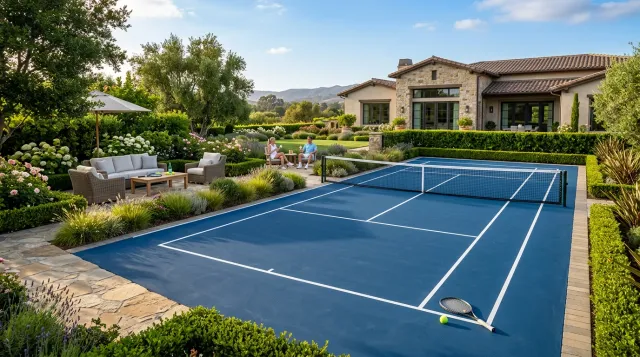
Tennis Court Calculator
Use this calculator to estimate the crushed stone base for a new or resurfaced tennis court. Enter dimensions and depth for volume and tonnage.
Delivery Logistics & Truck Info
Know your delivery options and access requirements before scheduling your order.
Truck Capacities
- Standard Dump Truck10–14 tons
- Tandem Axle14–18 tons
- Semi End Dump20–25 tons
A standard cubic yard weighs approximately 2,000–2,700 lbs depending on material and moisture.
Site Access Requirements
- Trucks require a minimum 12-ft wide, overhead-clear access path
- Soft ground or slopes over 10% may limit truck access — contact us before ordering
- Ensure no underground utilities or irrigation lines are in the drop zone
- Mark your desired drop location clearly before delivery
Important Notes
- Delivery estimates are based on available inventory and route proximity
- Minimum order quantities apply — typically 5 cubic yards or 1 truckload
- Material certification is available upon request for permitted projects
- Always confirm local ordinances before major material placement