
Generator Pad Calculator
— How Much Do You Need?
Get a fast, accurate generator pad material estimate — order gravel, crushed stone, or concrete.
How to Use This Generator Pad Calculator
Planning a generator pad requires precise measurements to ensure you order enough material without overspending.
- 1 Measure Area: Measure the length and width of your planned generator pad area in feet.
- 2 Determine Depth: For most generator pad projects, a depth of 4 to 6 inches is recommended for stability.
- 3 Review Results: The calculator provides both cubic yards (for bulk volume) and tons (for ordering weight).
Common Materials for Generator Pads
Proper material selection for a generator pad directly impacts subbase stability, drainage, and long-term load-bearing performance under the continuous weight and vibration of standby generator equipment.
| Material | Description | Best For | Est. Cost |
|---|---|---|---|
| Crusher Run (QP) | Blend of crushed stone and stone dust ranging from 3/4-inch down to fines, producing a compactable, interlocking base material. | Subbase Compaction, Load-Bearing Base, Drainage & Stability | $ |
| #57 Crushed Stone | Clean, angular 3/4-inch crushed stone with no fines, providing excellent drainage and void space. | Drainage Layer, Subbase Aggregate, Under Concrete Slab | $$ |
| Concrete Sand (ASTM C33) | Fine, washed sand with well-graded particle distribution meeting ASTM C33 specifications for use in concrete mixes and bedding. | Leveling Bed, Subbase Blending, Concrete Mix Component | $ |
| Fill Dirt | Native or imported subgrade soil, typically clay or loam, used to build up grade and establish a rough level surface before aggregate placement. | Grade Building, Site Preparation, Limited Use Under Pad | $ |
Understanding the Cost
Several factors influence the final price of your generator pad project.
Material Volume
The dimensions of your project directly dictate the tonnage needed. Deeper bases require significantly more material.
Delivery Distance
Transport logistics play a major role. Being closer to the quarry or depot reduces delivery fees significantly.
Material Type
Decorative stones cost more than utility grades. Choose based on your project's functional and aesthetic requirements.
Recommended Products for Your Generator Pad
Gravel Calculator
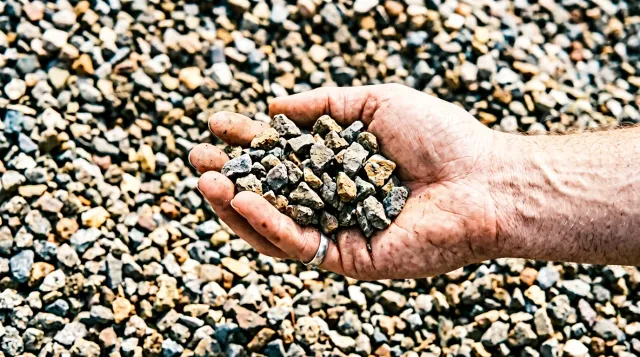
This gravel calculator estimates cubic yards, tons, and coverage for any area. Enter dimensions and depth for driveways, patios, paths, and landscaping.
Crushed Stone Calculator
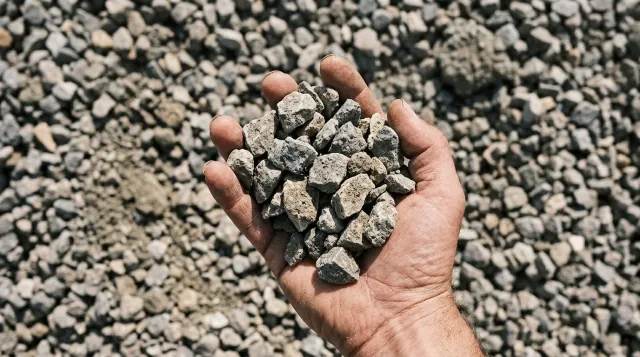
This calculator estimates crushed stone quantity and weight. Enter dimensions for results in cubic feet, cubic yards, and tons with density factored in.
Road Base Calculator
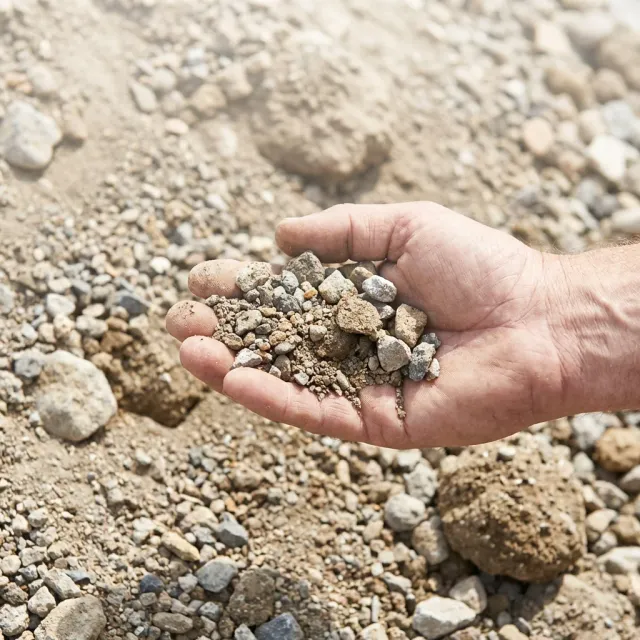
Road base calculator — enter length, width, and depth to estimate volume and tonnage for crushed limestone, recycled concrete, and aggregate base.
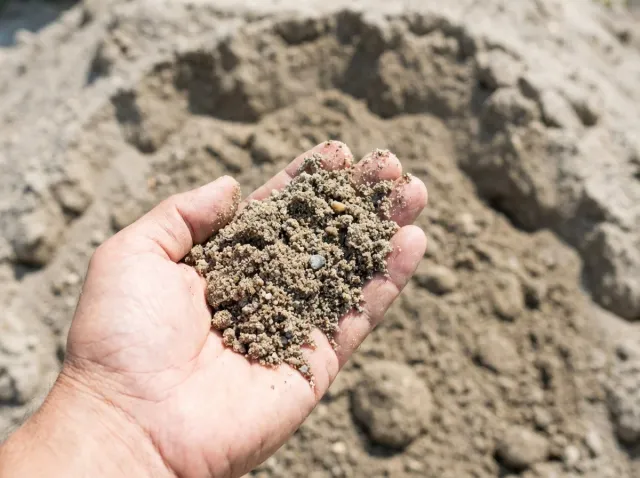
Concrete Sand Calculator
Concrete sand calculator — estimate volume and weight based on your project's length, width, and depth. Results in cubic yards and tons, ready for ordering.
Frequently Asked Questions
What type of gravel works best for a generator pad?
For a generator pad, you want a material that compacts firmly, drains well, and holds its position under the weight of the equipment. Angular crushed stone is a top choice because the irregular edges of each piece lock together when compacted, creating a surface that resists shifting. Common options like #57 or #67 crushed stone work well for this reason. Crusher run, also known as dense-graded aggregate or road base, is another excellent option. It contains a blend of particle sizes that compact into a near-solid base, which is especially useful if you need a very stable, level surface. Rounded materials like pea gravel are not a good fit for generator pads. Because the stones are smooth and uniform, they roll and migrate instead of locking together, and that movement can leave your generator sitting unevenly over time. If you are unsure which material fits your project best, the Hello Gravel team is happy to walk you through the options. Just reach out and describe your setup.
What size should I make my generator pad?
The right size depends on your generator's footprint plus a margin of extra space on every side. A good general rule is to extend the pad at least 6 inches beyond the generator frame in all directions. This gives the base edge enough stability to resist erosion and settling at the perimeter. For smaller standby generators in the 7 to 20 kilowatt range, a pad around 3 feet by 5 feet is common. Larger whole-home generators in the 20 to 30 kilowatt range often need a pad closer to 4 feet by 6 feet or larger. Commercial and industrial generators can require significantly more space depending on the unit and how it is mounted. Always check your generator manufacturer's installation manual before you build. Most manufacturers specify minimum pad dimensions, and your generator installer can give you a precise recommendation based on the specific unit you are working with. Starting with the right dimensions means you will not have to rework the pad later.
How much gravel do I need for my generator pad?
To estimate how much gravel you need, multiply the length, width, and depth of your planned pad to get the total volume. For example, a 4-foot by 6-foot pad at a compacted depth of 6 inches comes out to roughly half a cubic yard of material. Because Hello Gravel delivers bulk aggregate by the truckload, a generator pad on its own represents a small portion of a full delivery. Most customers get the best value by ordering their generator pad gravel alongside another project happening at the same property, such as a driveway refresh, a shed base, a drainage improvement, or a landscaping project. That way, the truckload is put to full use and you get everything delivered in a single trip. Contractors who install generators regularly often order for several jobs at once, which makes bulk delivery a natural fit. If you run a contracting operation, Hello Gravel's HG Pro membership is worth a look. It is designed for high-volume and recurring orders and can simplify your process considerably. Use the Hello Gravel calculator on this page to get a precise quantity estimate based on your exact dimensions, then contact our team to talk through how to structure your order.
How deep should the gravel base be under a standby generator?
Most generator installations call for a minimum of 4 inches of compacted gravel, but 6 inches is a better target if your soil is soft, clay-heavy, or prone to movement when it gets wet. A deeper base gives you more stability, improves drainage away from the unit, and creates a longer-lasting foundation overall. If you are in a region that experiences hard freezes in winter, going to 6 inches or deeper is especially smart. Frost heave, which happens when moisture in the soil freezes and expands, can push a shallow base out of level and tilt your generator over time. A deeper base helps protect against this. Your generator manufacturer's installation guide will typically specify a minimum depth requirement as part of the warranty conditions, so it is worth checking that document before you start digging. When in doubt, go a little deeper rather than a little shallower.
Do I need to prepare the ground before laying gravel for a generator pad?
Yes, and this step matters more than most people expect. Skipping proper ground prep is one of the main reasons generator pads settle unevenly over time. Start by clearing the area of grass, weeds, roots, and any organic material. Organic matter breaks down as it decomposes, which causes the ground beneath your pad to sink and shift. Once the area is cleared, excavate down to the depth you need for your gravel base. If the subsoil feels soft or loose, compact it with a plate compactor or hand tamper before you add any gravel. A layer of landscape fabric at the base of the excavation can help prevent weeds from pushing up through the gravel later. When you add the gravel, do it in layers of about 2 to 3 inches at a time and compact each layer before adding the next. This layered approach produces a much firmer and more level pad than dumping all the material in at once and tamping it down in a single pass. Taking your time on these steps pays off in a pad that stays flat and stable for years.
More Project Calculators
Playground Calculator
This calculator estimates mulch, rubber, or wood fiber surfacing for playgrounds. Enter area and recommended depth to get cubic yards and tons.
Chicken Coop Calculator
Use this calculator to estimate how much gravel your coop base requires. Input dimensions and depth for volume in cubic yards and stone type guidance.
Basketball Court Calculator
Court base calculator — estimate gravel, sand, and sub-base quantities for backyard or regulation basketball courts. Input court size for material totals.

Tennis Court Calculator
Use this calculator to estimate the crushed stone base for a new or resurfaced tennis court. Enter dimensions and depth for volume and tonnage.
Delivery Logistics & Truck Info
Know your delivery options and access requirements before scheduling your order.
Truck Capacities
- Standard Dump Truck10–14 tons
- Tandem Axle14–18 tons
- Semi End Dump20–25 tons
A standard cubic yard weighs approximately 2,000–2,700 lbs depending on material and moisture.
Site Access Requirements
- Trucks require a minimum 12-ft wide, overhead-clear access path
- Soft ground or slopes over 10% may limit truck access — contact us before ordering
- Ensure no underground utilities or irrigation lines are in the drop zone
- Mark your desired drop location clearly before delivery
Important Notes
- Delivery estimates are based on available inventory and route proximity
- Minimum order quantities apply — typically 5 cubic yards or 1 truckload
- Material certification is available upon request for permitted projects
- Always confirm local ordinances before major material placement