
Flower Bed Calculator
— How Much Do You Need?
Instant flower bed estimates for topsoil, mulch, and gravel — fast, accurate quantities and simple truckload delivery.
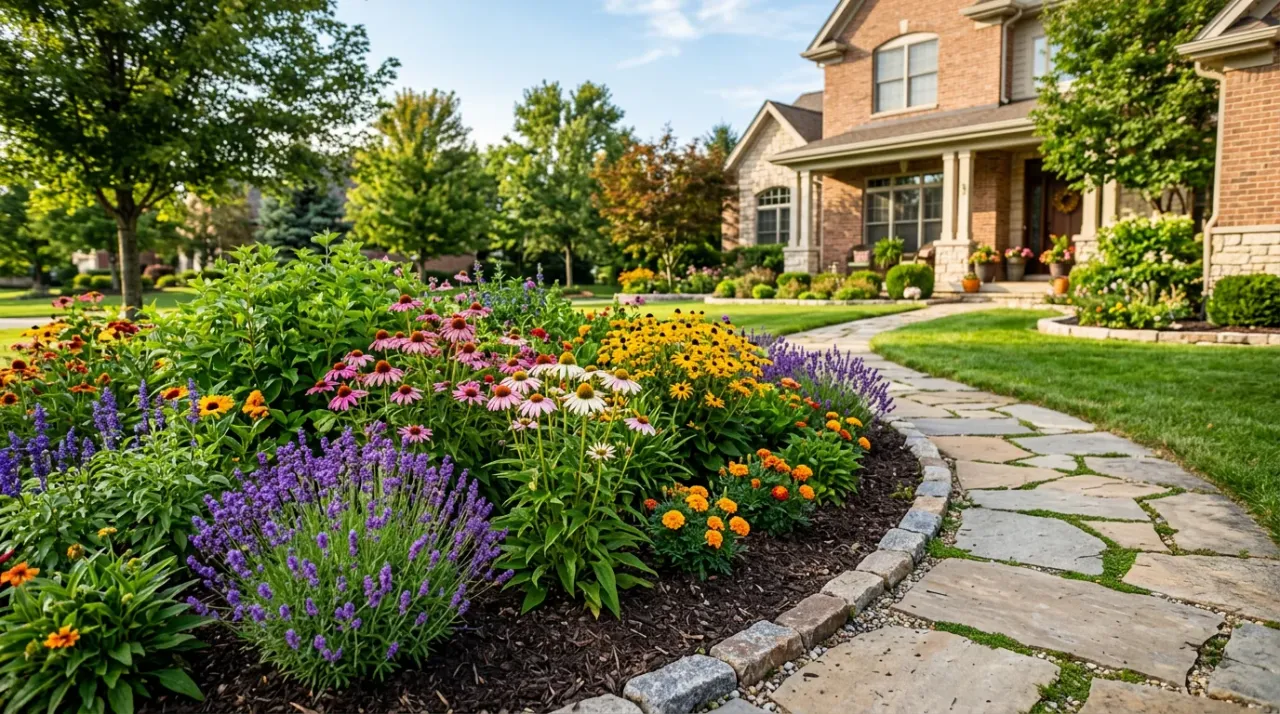
How to Use This Flower Bed Calculator
Planning a flower bed requires precise measurements to ensure you order enough material without overspending.
- 1 Measure Area: Measure the length and width of your planned flower bed area in feet.
- 2 Determine Depth: For most flower bed projects, a depth of 4 to 6 inches is recommended for stability.
- 3 Review Results: The calculator provides both cubic yards (for bulk volume) and tons (for ordering weight).
Common Materials for Flower Beds
Choosing the right materials ensures proper drainage, moisture retention, and weed suppression, which are critical to healthy plant growth in a flower bed.
| Material | Description | Best For | Est. Cost |
|---|---|---|---|
| Hardwood Bark Mulch | Shredded or chipped hardwood bark, typically 1–3 inches in size, with a fibrous texture that interlocks to resist displacement. | Top Dressing, Moisture Retention, Weed Suppression | $$ |
| Topsoil | Screened native or blended surface soil, typically loamy in texture, composed of mineral particles, organic matter, and microorganisms. | Growing Medium, Soil Amendment, Bed Backfill | $ |
| Pea Gravel | Smooth, rounded gravel particles approximately 3/8 inch in diameter, naturally weathered from river or pit deposits. | Drainage Base, Accent Top Dressing, Low-Spot Stabilization | $$ |
| Coarse Sand | Angular to sub-rounded sand particles ranging from 1–5 mm, typically washed and free of fine silts or clay. | Soil Texture Amendment, Drainage Improvement, Clay Soil Correction | $ |
Understanding the Cost
Several factors influence the final price of your flower bed project.
Material Volume
The dimensions of your project directly dictate the tonnage needed. Deeper bases require significantly more material.
Delivery Distance
Transport logistics play a major role. Being closer to the quarry or depot reduces delivery fees significantly.
Material Type
Decorative stones cost more than utility grades. Choose based on your project's functional and aesthetic requirements.
Recommended Products for Your Flower Bed
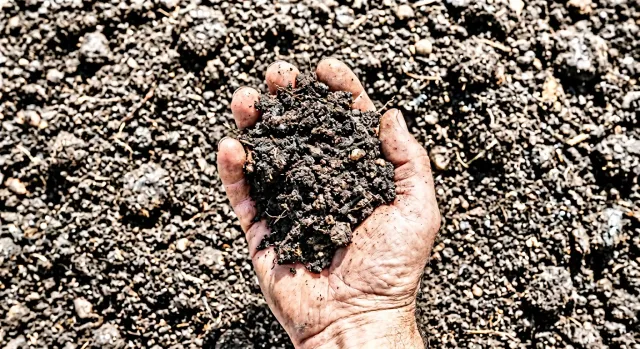
Topsoil Calculator
Topsoil calculator that estimates cubic yards and tons from your area and depth. Supports raised beds, gardens, new lawns, and grading projects.
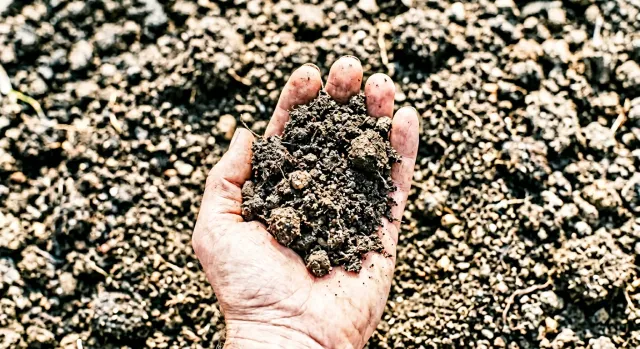
Garden Soil Calculator
Garden soil calculator — estimate the right volume in cubic feet or yards for raised beds, planters, or in-ground gardens before you buy.
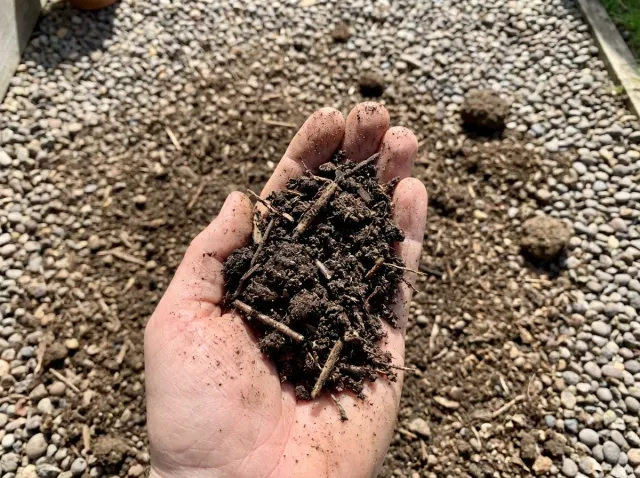
Compost Calculator
Estimate compost volume with this calculator for top-dressing, soil amendment, or new beds. Enter your square footage and desired depth for cubic yards.
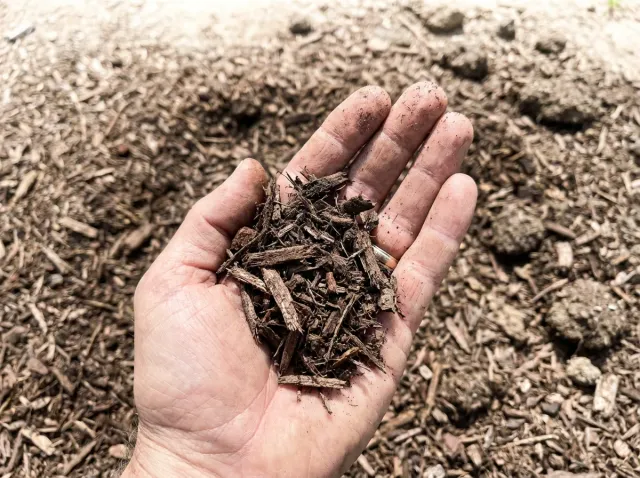
Mulch Calculator
Mulch calculator — enter bed dimensions and depth to estimate how many cubic yards or bags your landscaping project requires. Results update instantly.
Frequently Asked Questions
What is a flower bed, and what materials do you need to build one?
A flower bed is a dedicated garden space designed for growing flowers, ornamental plants, or seasonal color plantings. It can sit at ground level, rise above the surrounding landscape as a raised bed, or follow the edge of a fence, wall, or walkway as a border planting. Regardless of the style, the core materials are the same. You need quality topsoil to give your plants a nutrient-rich growing environment, and in many cases, a layer of coarse gravel or sand at the base to help with drainage. If you are building a tall raised bed, fill dirt can serve as a cost-effective structural base beneath the topsoil, letting you reach your desired height without using premium growing medium all the way down. Hello Gravel carries topsoil, fill dirt, gravel, and sand as bulk truckload materials, so you can get everything your flower bed needs delivered directly to your property.
How deep should a flower bed be, and how much topsoil will you need?
The right depth depends on what you plan to grow. Annual flowers with shallow root systems do well in 6 to 8 inches of topsoil. Perennials need 12 to 18 inches to develop strong roots that return each season. Larger flowering shrubs can require 18 to 24 inches of good growing medium to establish properly. A practical approach for raised beds is to fill the lower portion with compacted fill dirt and reserve the top 10 to 12 inches for quality topsoil. This keeps material costs manageable without sacrificing the growing environment your plants actually need. For rough planning, one cubic yard of topsoil covers approximately 100 square feet at 3 inches of depth, or about 54 square feet at 6 inches of depth. These numbers assume loose, uncompacted fill, so real-world results can vary. For a precise estimate based on your specific bed dimensions, use the Hello Gravel online calculator. Plug in your length, width, and target depth, and it will show you exactly how much to order.
What is the difference between topsoil and fill dirt for a flower bed?
Topsoil is the uppermost layer of natural soil. It is typically darker in color, rich in organic matter, and capable of supporting plant life. It holds moisture, allows roots to breathe, and provides the nutrients flowers and ornamentals need to grow. Fill dirt, on the other hand, is subsoil material with little to no organic content. It will not support healthy plant growth on its own, but it is excellent for raising grade, building up low spots, or creating the structural core of a tall raised bed. For a flower bed, the smart approach is to use fill dirt to get your elevation where you want it and then cap it with 8 to 12 inches of quality topsoil. This gives you a stable, well-structured bed without the expense of premium topsoil all the way to the bottom. If your bed is shallow, say 8 to 10 inches deep and sitting at grade, you likely only need topsoil. If you are building a raised bed that stands 18 inches or more, the fill dirt plus topsoil combination is the more economical and practical way to go.
Does a flower bed need a gravel drainage layer at the bottom?
For in-ground flower beds built in well-draining native soil, a gravel base layer is not strictly required. The existing soil below will handle drainage on its own. However, for raised beds with a closed or semi-closed bottom, or for beds constructed over heavy clay soil that drains poorly, a 2 to 4 inch layer of coarse gravel or crushed stone at the base makes a real difference. It prevents water from pooling around roots and keeps topsoil from compacting against a hard, impermeable surface over time. If you have noticed standing water in your yard after heavy rain, adding a gravel drainage layer before your topsoil is a worthwhile step. You can also place a landscape fabric over the gravel layer before adding soil, which helps keep the two materials from mixing together over time while still allowing water to pass through freely. Hello Gravel can deliver coarse gravel in bulk so you can lay that drainage foundation before your topsoil goes in.
What are the different types of flower beds?
Flower beds come in several forms, and each one has slightly different material needs. In-ground beds are cut directly into the lawn or existing landscape. They rely partly on native soil and mainly need fresh topsoil mixed in or spread on top to improve the growing environment. Raised beds are built above grade using wood, stone, brick, or composite edging to hold the growing medium in place. These require the most imported material since you are creating the growing environment entirely from scratch. Border beds run along fences, walls, or property edges and are typically in-ground but may sit slightly elevated for visual definition. Island beds float in the middle of a lawn with no structural backing, so you need to define the perimeter clearly with edging to hold the topsoil in place. Cottage or mixed beds combine flowers with herbs, grasses, or low shrubs and often need deeper, richer soil since multiple plant types are competing for the same nutrients. Regardless of the type you are building, the same core materials apply: quality topsoil for the growing layer, fill dirt for structural depth in taller builds, and gravel or coarse sand where drainage is a concern. Hello Gravel delivers all of these in bulk, so you can tackle any style of flower bed with one straightforward order.
More Project Calculators
Playground Calculator
This calculator estimates mulch, rubber, or wood fiber surfacing for playgrounds. Enter area and recommended depth to get cubic yards and tons.
Chicken Coop Calculator
Use this calculator to estimate how much gravel your coop base requires. Input dimensions and depth for volume in cubic yards and stone type guidance.
Basketball Court Calculator
Court base calculator — estimate gravel, sand, and sub-base quantities for backyard or regulation basketball courts. Input court size for material totals.
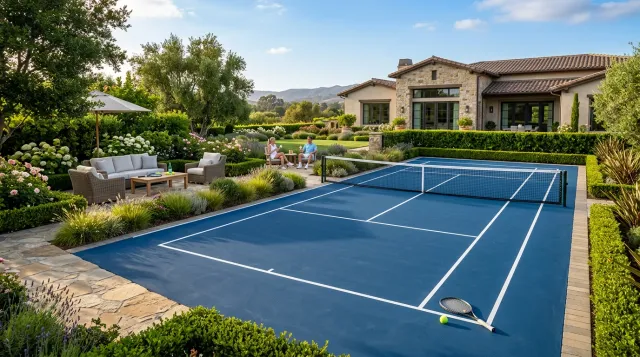
Tennis Court Calculator
Use this calculator to estimate the crushed stone base for a new or resurfaced tennis court. Enter dimensions and depth for volume and tonnage.
Delivery Logistics & Truck Info
Know your delivery options and access requirements before scheduling your order.
Truck Capacities
- Standard Dump Truck10–14 tons
- Tandem Axle14–18 tons
- Semi End Dump20–25 tons
A standard cubic yard weighs approximately 2,000–2,700 lbs depending on material and moisture.
Site Access Requirements
- Trucks require a minimum 12-ft wide, overhead-clear access path
- Soft ground or slopes over 10% may limit truck access — contact us before ordering
- Ensure no underground utilities or irrigation lines are in the drop zone
- Mark your desired drop location clearly before delivery
Important Notes
- Delivery estimates are based on available inventory and route proximity
- Minimum order quantities apply — typically 5 cubic yards or 1 truckload
- Material certification is available upon request for permitted projects
- Always confirm local ordinances before major material placement