
Flagpole Base Calculator
— How Much Do You Need?
Quickly calculate concrete, gravel, and sand for a secure flagpole base—order bulk delivery online.
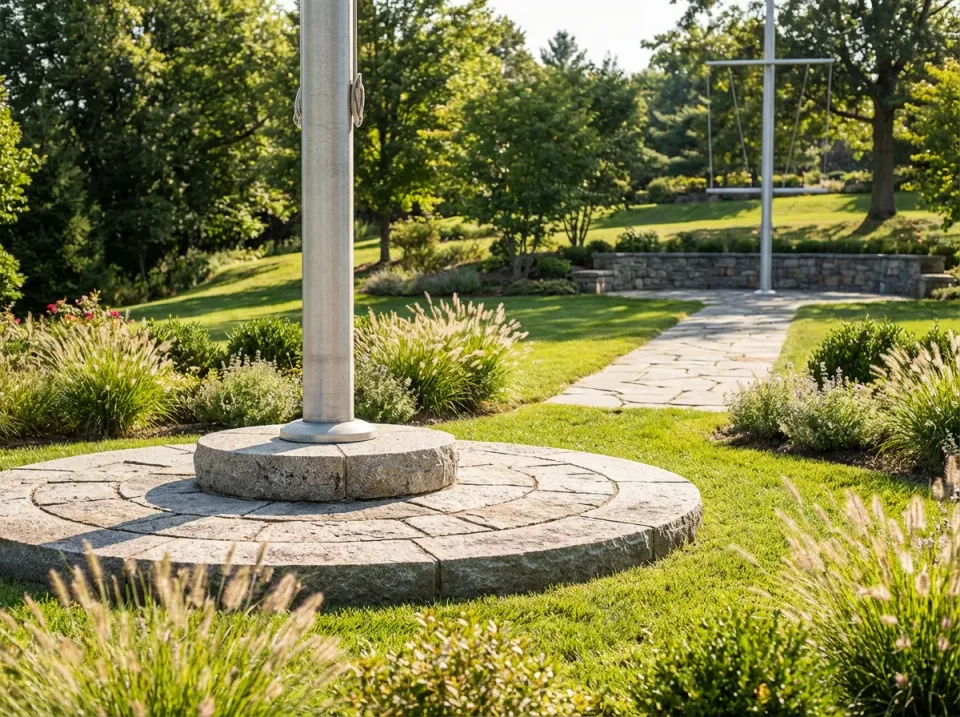
How to Use This Flagpole Base Calculator
Planning a flagpole base requires precise measurements to ensure you order enough material without overspending.
- 1 Measure Area: Measure the length and width of your planned flagpole base area in feet.
- 2 Determine Depth: For most flagpole base projects, a depth of 4 to 6 inches is recommended for stability.
- 3 Review Results: The calculator provides both cubic yards (for bulk volume) and tons (for ordering weight).
Common Materials for Flagpole Bases
Selecting the right aggregate materials ensures proper drainage, compaction, and structural stability to resist wind loads and prevent frost heave around the flagpole foundation.
| Material | Description | Best For | Est. Cost |
|---|---|---|---|
| Ready-Mix Concrete | Pre-batched mixture of portland cement, coarse aggregate, and sand delivered in a rotating drum truck at a specified compressive strength (typically 3,000–4,000 PSI). | Foundation Encasement, Ground-Set Poles, Anchor Bolt Embedment | $$ |
| #57 Crushed Stone | Angular, 3/4-inch to 1-inch clean-crushed limestone or granite aggregate with minimal fines that drains freely. | Drainage Base Layer, Excavation Bottom Bedding, Poor Soil Drainage | $ |
| Mason Sand | Fine to medium-grained, well-graded natural sand with a uniform particle size typically between 0.1 and 0.5 mm, washed and free of organic material. | Sleeve & Foundation Tube Backfill, Frost Heave Reduction, Void Fill Around Sleeves | $ |
| Crusher Run (QP) | Blended mixture of crushed stone and stone dust ranging from 3/4-inch particles down to fines that compacts into a dense, stable layer. | Compacted Base Layer, Unstable Soil Sites, Limited use | $ |
Understanding the Cost
Several factors influence the final price of your flagpole base project.
Material Volume
The dimensions of your project directly dictate the tonnage needed. Deeper bases require significantly more material.
Delivery Distance
Transport logistics play a major role. Being closer to the quarry or depot reduces delivery fees significantly.
Material Type
Decorative stones cost more than utility grades. Choose based on your project's functional and aesthetic requirements.
Recommended Products for Your Flagpole Base
Gravel Calculator
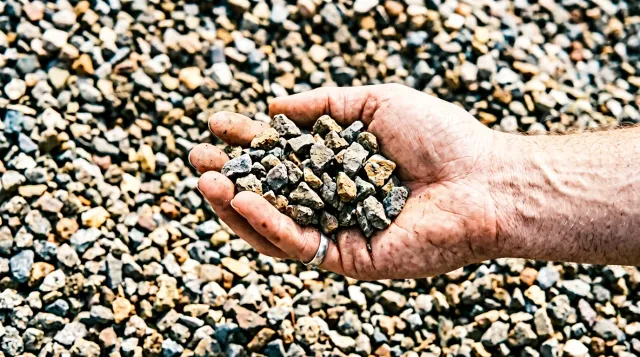
This gravel calculator estimates cubic yards, tons, and coverage for any area. Enter dimensions and depth for driveways, patios, paths, and landscaping.
Fill Dirt Calculator
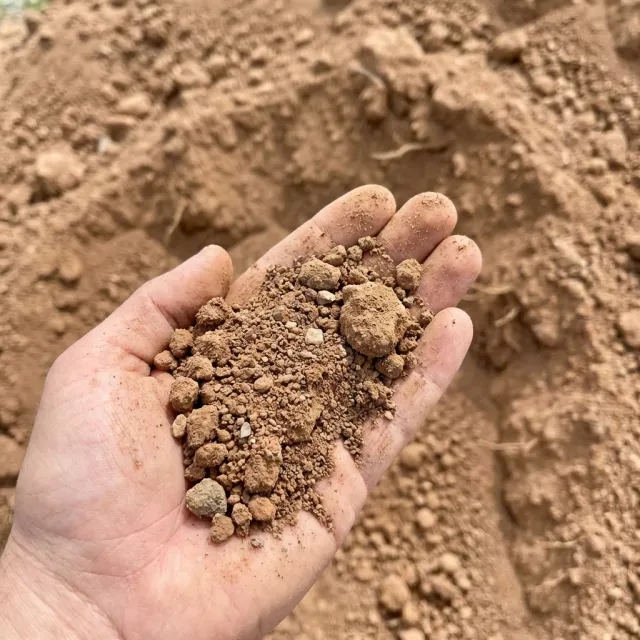
This calculator estimates fill dirt volume with a built-in compaction factor so you order enough. Works for grading, foundations, and backfill projects.
Crushed Stone Calculator
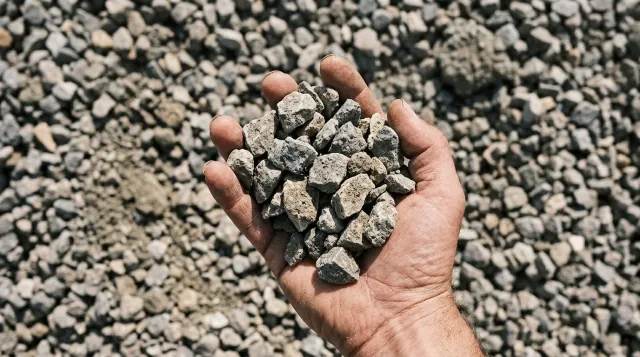
This calculator estimates crushed stone quantity and weight. Enter dimensions for results in cubic feet, cubic yards, and tons with density factored in.
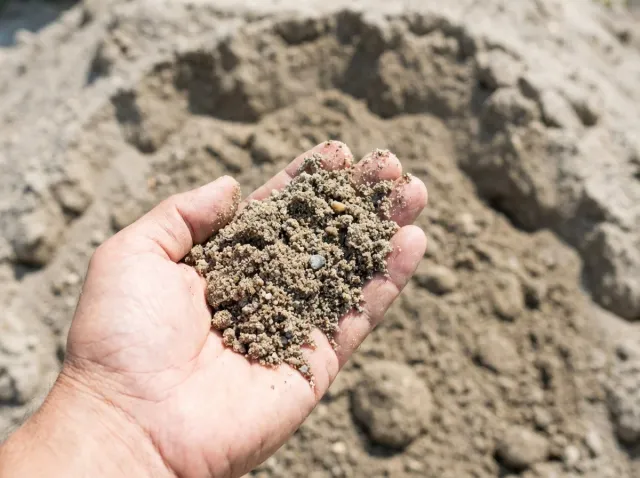
Concrete Sand Calculator
Concrete sand calculator — estimate volume and weight based on your project's length, width, and depth. Results in cubic yards and tons, ready for ordering.
Frequently Asked Questions
How deep and wide should I dig the hole for a flagpole base?
A general rule of thumb is to bury about 10 percent of the flagpole height plus two feet. So a 20‑foot residential pole would typically require about four feet of depth, while a 30‑foot pole would be around five feet. The hole width matters as well: for most residential installations, 12 to 18 inches is enough, and 18 to 24 inches is common for larger bases. In colder climates, make sure the bottom sits below the local frost line to prevent heaving, and always confirm any local code requirements before you dig.
What type of aggregate works best for a flagpole base?
Clean angular crushed stone is the best choice for a flagpole base. It compacts solidly and locks together, helping the base resist wind loads. Use a drainage layer of clean crushed stone in the 3/4 inch range at the bottom of the hole so water can escape quickly. If you want a tidy surface around the base, finish with a decorative top dressing of washed stone to improve drainage and give a clean look.
Is gravel or concrete better for setting a flagpole in the ground?
Both have a place. For larger commercial flagpoles, typically 30 feet and taller, concrete is the standard for maximum rigidity. For smaller residential poles, well‑compacted angular crushed stone can work well and is easier to remove later. Many installers use a drainage layer of stone at the bottom plus concrete around the sleeve to get drainage and strength in one installation.
What is the best process for setting a flagpole using aggregate?
Start by digging the hole to the correct depth and diameter based on your pole height. Add four to six inches of drainage stone at the bottom. Set the flagpole sleeve or anchor in the center, then fill around it with crushed stone in six‑inch lifts, compacting each lift. Keep the sleeve plumb as you go. Build up until you are about six inches below the surface, then finish with a decorative stone top dressing or cover with soil and grass if you prefer. Take your time with compaction, as that is the main factor in long‑term stability.
How much aggregate do I need for a flagpole base installation?
The amount you need depends on the hole size and diameter and whether you plan a decorative surface around the base. A typical residential setup uses a relatively small volume, but larger commercial projects or multiple poles can require a bulk amount. The Hello Gravel calculator will give you an exact estimate for your project. Since we deliver by the truckload, many buyers also plan other nearby projects to maximize the value of one delivery.
More Project Calculators
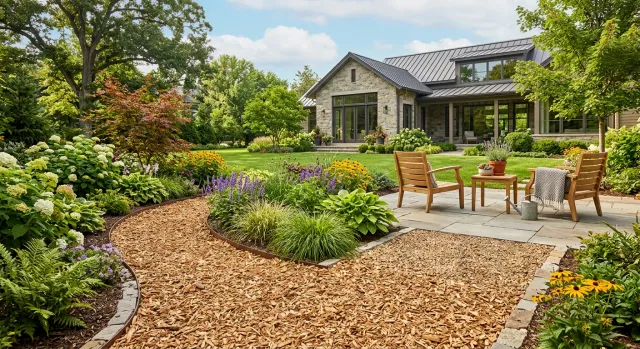
Playground Calculator
This calculator estimates mulch, rubber, or wood fiber surfacing for playgrounds. Enter area and recommended depth to get cubic yards and tons.
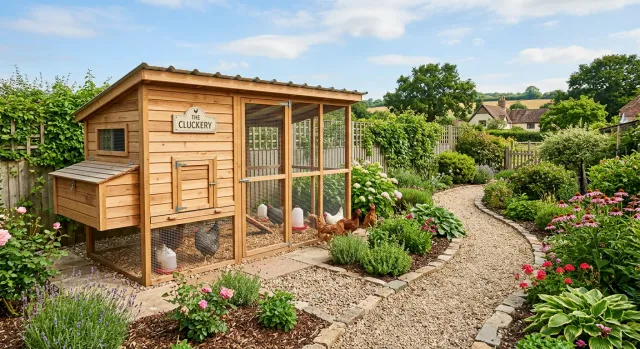
Chicken Coop Calculator
Use this calculator to estimate how much gravel your coop base requires. Input dimensions and depth for volume in cubic yards and stone type guidance.
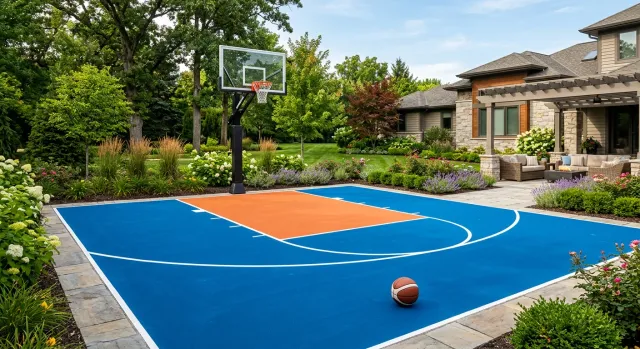
Basketball Court Calculator
Court base calculator — estimate gravel, sand, and sub-base quantities for backyard or regulation basketball courts. Input court size for material totals.
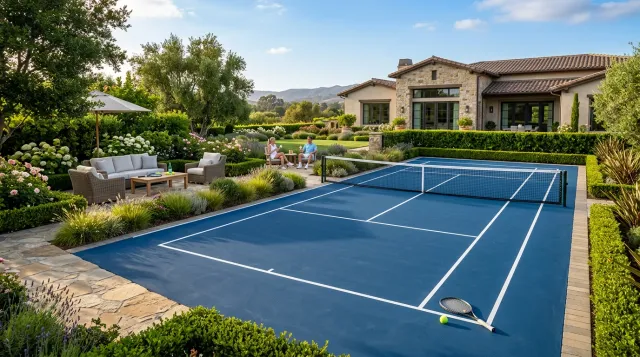
Tennis Court Calculator
Use this calculator to estimate the crushed stone base for a new or resurfaced tennis court. Enter dimensions and depth for volume and tonnage.
Delivery Logistics & Truck Info
Know your delivery options and access requirements before scheduling your order.
Truck Capacities
- Standard Dump Truck10–14 tons
- Tandem Axle14–18 tons
- Semi End Dump20–25 tons
A standard cubic yard weighs approximately 2,000–2,700 lbs depending on material and moisture.
Site Access Requirements
- Trucks require a minimum 12-ft wide, overhead-clear access path
- Soft ground or slopes over 10% may limit truck access — contact us before ordering
- Ensure no underground utilities or irrigation lines are in the drop zone
- Mark your desired drop location clearly before delivery
Important Notes
- Delivery estimates are based on available inventory and route proximity
- Minimum order quantities apply — typically 5 cubic yards or 1 truckload
- Material certification is available upon request for permitted projects
- Always confirm local ordinances before major material placement