
Fire Pit Ring Calculator
— How Much Do You Need?
Quick fire pit ring calculator — get exact gravel, sand, and base amounts with delivery pricing.
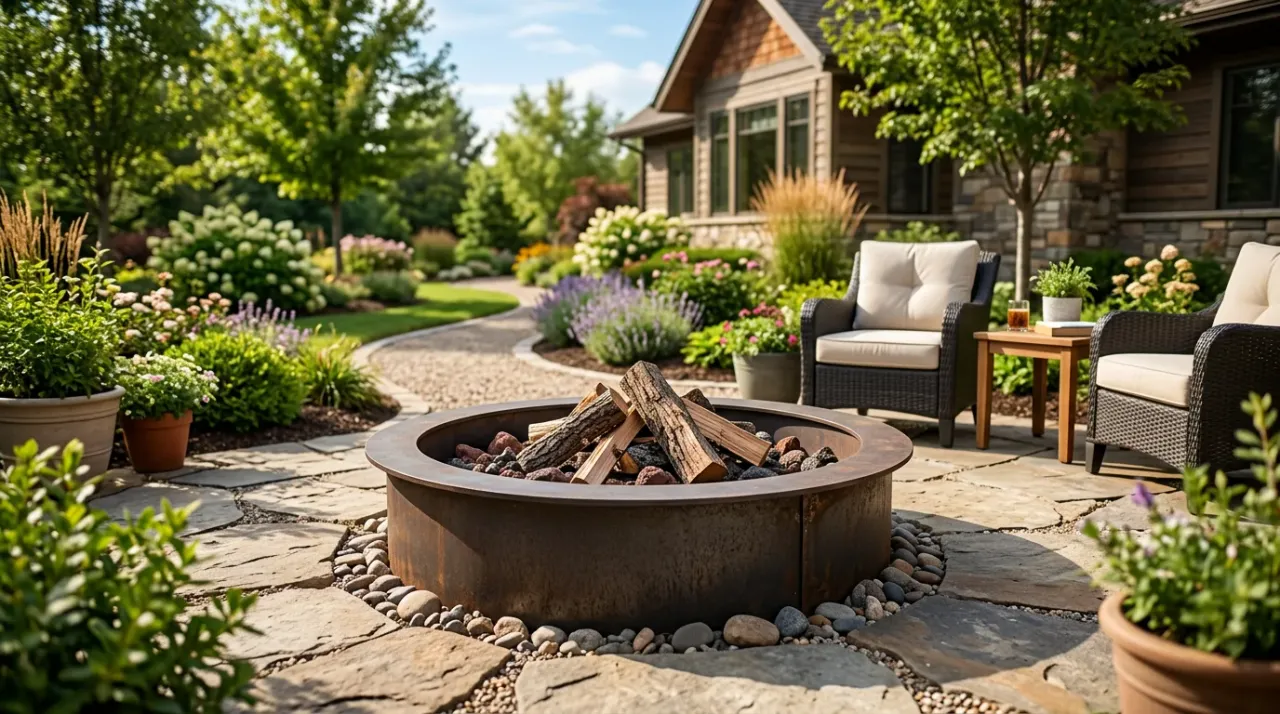
How to Use This Fire Pit Ring Calculator
Planning a fire pit ring requires precise measurements to ensure you order enough material without overspending.
- 1 Measure Area: Measure the length and width of your planned fire pit ring area in feet.
- 2 Determine Depth: For most fire pit ring projects, a depth of 4 to 6 inches is recommended for stability.
- 3 Review Results: The calculator provides both cubic yards (for bulk volume) and tons (for ordering weight).
Common Materials for Fire Pit Rings
Choosing the right base and fill material is critical for drainage, stability, and heat resistance in a fire pit ring installation.
| Material | Description | Best For | Est. Cost |
|---|---|---|---|
| #57 Crushed Stone | Angular, 3/4-inch clean crushed stone with consistent sizing that promotes drainage and compaction. | Gravel Base Layer, Drainage, Interior Stone Fill, Compacted Subbase | $ |
| Pea Gravel | Small, smooth, rounded stones typically 3/8-inch in diameter, naturally weathered from river or glacial deposits. | Interior Pit Fill, Gas Burner Support, Drainage Around Insert | $ |
| Lava Rock | Lightweight, porous volcanic rock with a rough, vesicular texture available in reddish-brown to black colors. | Gas Burner Flame Diffusion, Interior Decorative Fill, Heat Distribution | $$ |
| Concrete Sand | Coarse, washed, angular sand with particles typically ranging from 0.5 mm to 2 mm, meeting ASTM C33 gradation standards. | Leveling Pad, Fine-Grade Base Adjustment, Limited Use | $ |
Understanding the Cost
Several factors influence the final price of your fire pit ring project.
Material Volume
The dimensions of your project directly dictate the tonnage needed. Deeper bases require significantly more material.
Delivery Distance
Transport logistics play a major role. Being closer to the quarry or depot reduces delivery fees significantly.
Material Type
Decorative stones cost more than utility grades. Choose based on your project's functional and aesthetic requirements.
Recommended Products for Your Fire Pit Ring
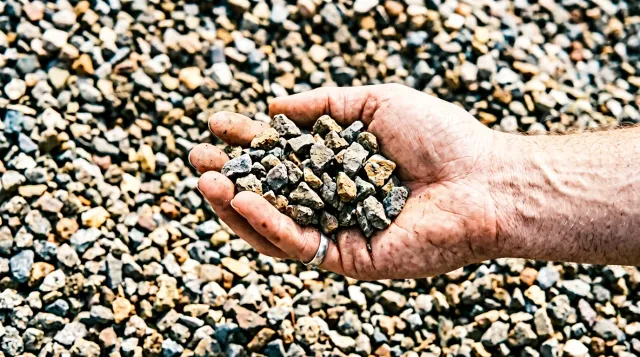
Gravel Calculator
This gravel calculator estimates cubic yards, tons, and coverage for any area. Enter dimensions and depth for driveways, patios, paths, and landscaping.
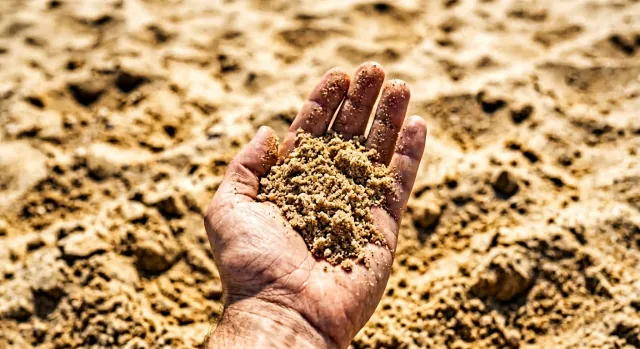
Sand Calculator
Use this sand calculator to estimate cubic yards, tons, and bags. Covers fill, leveling, and bedding sand with weight and cost estimates included.
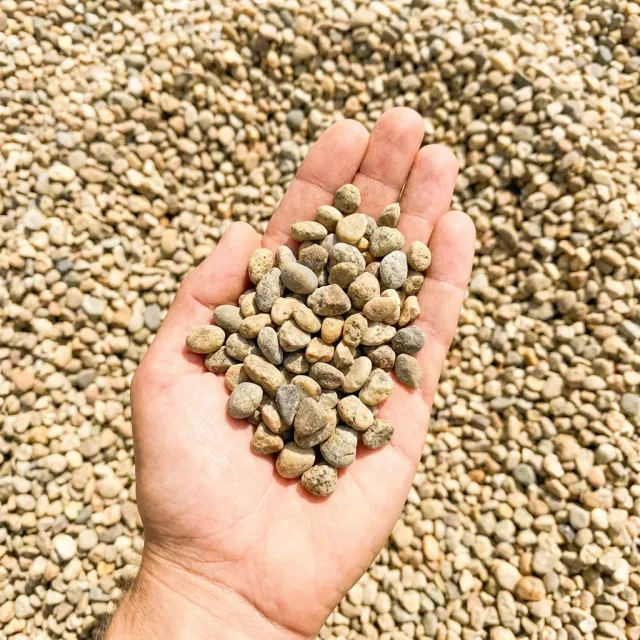
Pea Gravel Calculator
Pea gravel calculator — enter your project dimensions to estimate volume in cubic yards, tons, and bags. Ideal for pathways, patios, and ground cover.
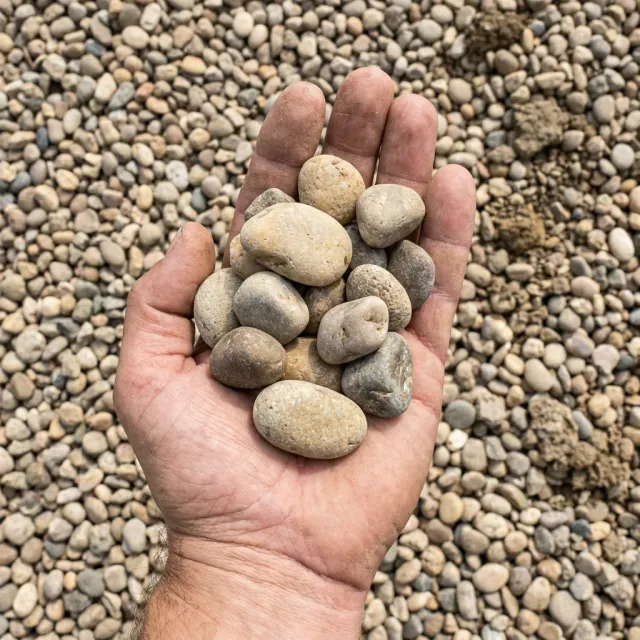
River Rock Calculator
This calculator estimates river rock by the ton for flowerbeds, dry creek beds, and borders. Adjusts for rock size — larger stones cover less per ton.
Frequently Asked Questions
What is a fire pit ring, and what is it used for?
A fire pit ring is the circular area of gravel or crushed stone laid around and underneath a fire pit. It creates a defined, non-combustible zone that catches stray embers and sparks before they can reach grass, mulch, or other surfaces nearby. Beyond safety, a gravel ring gives your outdoor fire area a clean, intentional look and improves drainage so water does not pool around the base of the fire pit after rain. Most homeowners build a fire pit ring by placing a fire bowl, steel insert, or stone fire pit at the center and then extending a generous layer of gravel several feet in all directions. It is one of the most practical and affordable ways to set up a functional outdoor fire space.
Do you actually need a gravel ring around your fire pit?
You are not required to have one, but the difference it makes is hard to overstate. Without a gravel ring, you are essentially placing an open fire directly over grass, bare soil, or whatever ground cover surrounds it. Grass scorches and dies back, bare soil turns muddy after rain, and loose organic material like mulch or wood chips is a real ember hazard. A gravel ring solves all three of those problems at once. It protects the surrounding yard, keeps the area passable in wet weather, and gives sparks a safe landing zone rather than combustible ground. For a permanent fire pit setup, a gravel ring is one of the simplest improvements you can make for both safety and long-term appearance.
What type of gravel works best for a fire pit ring?
The best materials for a fire pit ring are non-combustible, heat-tolerant, and free of trapped moisture. Pea gravel and crushed stone are the most widely used options. Crushed stone tends to stay put better because its angular edges interlock, while pea gravel has a softer, more polished look but can shift underfoot. Both drain well and hold up through repeated heat and weather cycles without breaking down. One thing to keep in mind is that dense, porous stones that trap moisture can crack or pop near intense heat when that moisture turns to steam rapidly. That is why you want to stick with clean, dry aggregate rather than very dense or wet stone. When you order through Hello Gravel, the team can walk you through which material makes the most sense for your specific setup and region.
What goes under a fire pit ring?
A solid base layer is what keeps your fire pit ring stable, level, and well-drained over time. Most installations start with a compacted layer of crushed stone or gravel worked into the soil before the surface material goes down. This base layer promotes drainage so water does not collect beneath the ring, and it prevents the surface gravel from slowly sinking into soft or loose soil with each passing season. If you are building a heavier structure around the fire pit using stone or pavers, a properly compacted base layer becomes even more important to prevent shifting and settling. Landscape fabric is sometimes placed between the soil and the base material to slow weed growth, though it is not a requirement. Hello Gravel carries the base aggregate you need alongside the surface material, so you can sort out both layers in a single order.
Do fire pit rings rust or break down over time?
Gravel and crushed stone do not rust, which is one of the reasons they make such a durable choice for fire pit areas. The metal bowl, insert, or steel edging at the center of your setup is what tends to show rust over time from repeated heating and exposure to moisture, but the gravel surrounding it is completely unaffected by corrosion. Heat and weather do not break down stone aggregate the way they degrade wood, metal, or organic mulch. Over time you may notice the surface layer settling slightly or spreading out from foot traffic around the fire, but a simple top-dress with fresh material brings it right back. If you order through Hello Gravel, refreshing your fire pit ring down the road is as easy as placing another order.
More Project Calculators
Playground Calculator
This calculator estimates mulch, rubber, or wood fiber surfacing for playgrounds. Enter area and recommended depth to get cubic yards and tons.
Chicken Coop Calculator
Use this calculator to estimate how much gravel your coop base requires. Input dimensions and depth for volume in cubic yards and stone type guidance.
Basketball Court Calculator
Court base calculator — estimate gravel, sand, and sub-base quantities for backyard or regulation basketball courts. Input court size for material totals.
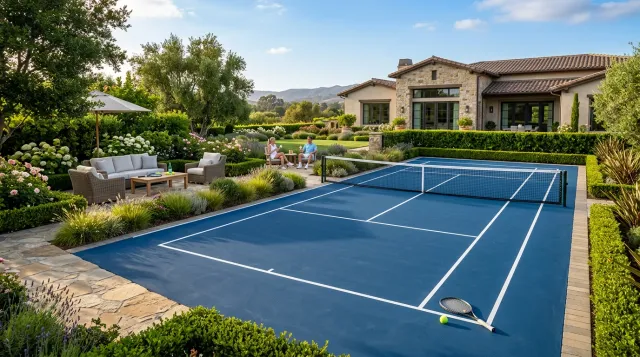
Tennis Court Calculator
Use this calculator to estimate the crushed stone base for a new or resurfaced tennis court. Enter dimensions and depth for volume and tonnage.
Delivery Logistics & Truck Info
Know your delivery options and access requirements before scheduling your order.
Truck Capacities
- Standard Dump Truck10–14 tons
- Tandem Axle14–18 tons
- Semi End Dump20–25 tons
A standard cubic yard weighs approximately 2,000–2,700 lbs depending on material and moisture.
Site Access Requirements
- Trucks require a minimum 12-ft wide, overhead-clear access path
- Soft ground or slopes over 10% may limit truck access — contact us before ordering
- Ensure no underground utilities or irrigation lines are in the drop zone
- Mark your desired drop location clearly before delivery
Important Notes
- Delivery estimates are based on available inventory and route proximity
- Minimum order quantities apply — typically 5 cubic yards or 1 truckload
- Material certification is available upon request for permitted projects
- Always confirm local ordinances before major material placement