
Fence Post Calculator
— How Much Do You Need?
Estimate concrete, gravel, and backfill per fence post — order truckloads of aggregates with ease.
How to Use This Fence Post Calculator
Planning a fence post requires precise measurements to ensure you order enough material without overspending.
- 1 Measure Area: Measure the length and width of your planned fence post area in feet.
- 2 Determine Depth: For most fence post projects, a depth of 4 to 6 inches is recommended for stability.
- 3 Review Results: The calculator provides both cubic yards (for bulk volume) and tons (for ordering weight).
Common Materials for Fence Posts
Choosing the right fill material ensures proper drainage, frost resistance, and long-term structural stability of fence posts.
| Material | Description | Best For | Est. Cost |
|---|---|---|---|
| Ready-Mix Concrete | Pre-batched Portland cement mixture of cement, sand, and coarse aggregate delivered in a plastic (unhardened) state by truck. | Setting Terminal Posts, Setting Line Posts, Corner & Gate Posts, Permanent Installations | $$ |
| #57 Crushed Stone | Angular, 3/4-inch nominal crushed stone with excellent void space for drainage and load distribution. | Post Hole Drainage Base, Wet & Clay Soils, Base Layer Under Concrete | $ |
| Pea Gravel | Smooth, rounded stone typically 3/8-inch in size, naturally worn with minimal angular edges. | Post Hole Drainage Base, Sandy Soil Conditions, Limited Use | $ |
| Fill Dirt | Native or imported soil material, typically subsoil free of organic matter, used for backfilling excavated areas. | Temporary Fencing, Low-Load Applications, rarely recommended | $ |
Understanding the Cost
Several factors influence the final price of your fence post project.
Material Volume
The dimensions of your project directly dictate the tonnage needed. Deeper bases require significantly more material.
Delivery Distance
Transport logistics play a major role. Being closer to the quarry or depot reduces delivery fees significantly.
Material Type
Decorative stones cost more than utility grades. Choose based on your project's functional and aesthetic requirements.
Recommended Products for Your Fence Post
Gravel Calculator
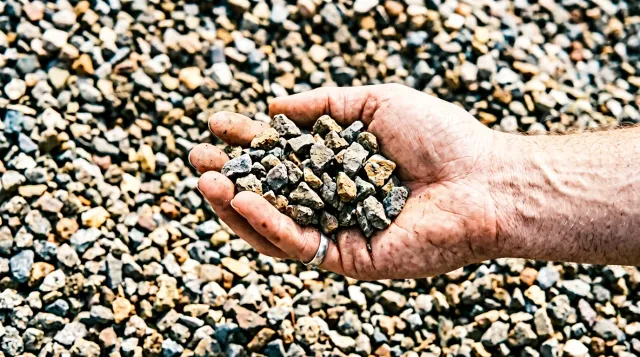
This gravel calculator estimates cubic yards, tons, and coverage for any area. Enter dimensions and depth for driveways, patios, paths, and landscaping.
Fill Dirt Calculator
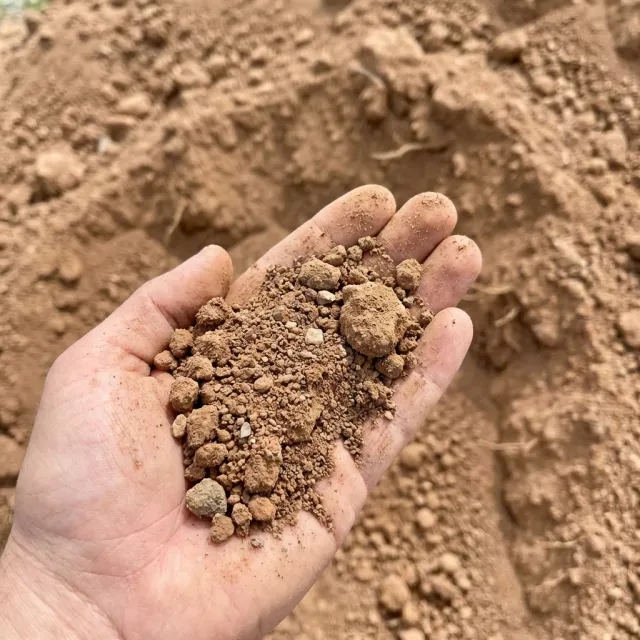
This calculator estimates fill dirt volume with a built-in compaction factor so you order enough. Works for grading, foundations, and backfill projects.
Crushed Stone Calculator
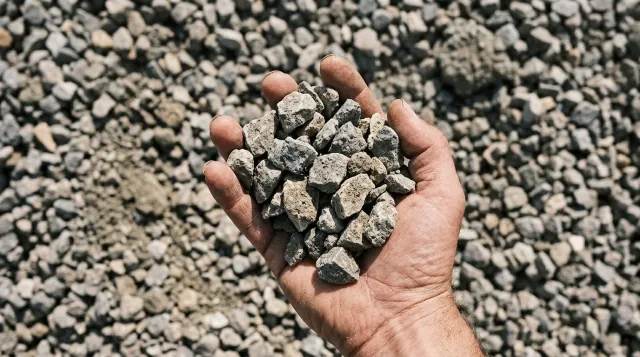
This calculator estimates crushed stone quantity and weight. Enter dimensions for results in cubic feet, cubic yards, and tons with density factored in.
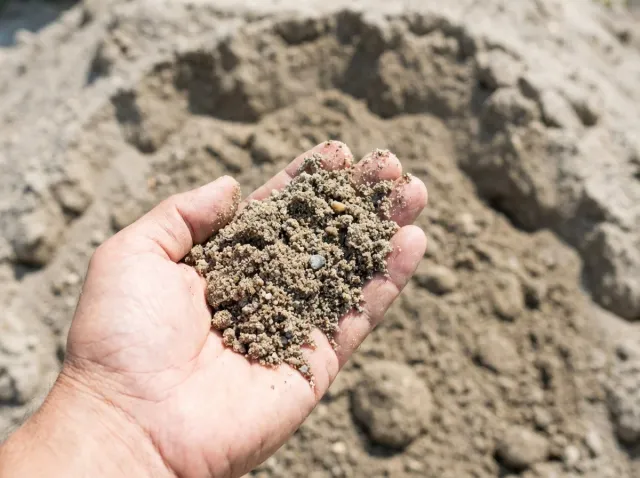
Concrete Sand Calculator
Concrete sand calculator — estimate volume and weight based on your project's length, width, and depth. Results in cubic yards and tons, ready for ordering.
Frequently Asked Questions
Should I use gravel or concrete to set fence posts?
This is one of the most common questions homeowners ask before starting a fencing project, and the answer depends on your fence type, your soil, and how long you want your posts to hold up. Concrete gives posts a rigid hold, which makes it a reasonable choice for gate posts or any post that will take heavy lateral stress from a swinging gate or tensioned fence line. However, concrete has a serious downside when it comes to wood posts. It traps moisture right at the soil line, which is exactly where rot begins. When water collects around the base of a wooden post and has nowhere to drain, the post can degrade from the inside out in just a few years. Gravel solves that problem. When you pack clean crushed stone around your posts, water drains through the material rather than pooling against the wood. This keeps the base of the post drier and dramatically extends its lifespan. Many experienced fence builders use a combination approach: a layer of gravel at the bottom of each hole for drainage, concrete fill for structural strength, and a gravel cap at the top to channel surface water away from the post. For lighter fences, like garden fencing or decorative picket fences, well-compacted gravel alone can be enough to hold a post firmly. If you are working on a longer fence line or a full property boundary, Hello Gravel can deliver the bulk crushed stone you need right to your site.
How deep should fence posts be buried, and why does it matter?
The standard rule of thumb is to bury one-third of the post's total length underground. For a fence with 6-foot panels above ground, that means setting your posts at least 2 feet deep. For an 8-foot fence, plan on at least 2.5 to 3 feet below grade. If you live somewhere with cold winters, depth matters for another reason entirely. When the ground freezes and thaws repeatedly, it can push shallow posts right out of the ground over time. This is called frost heave, and it is one of the most common causes of fence failure in northern climates. Burying your posts below your local frost line prevents it. Frost depths range from just a few inches in the South to 4 feet or more in parts of the upper Midwest and New England, so check what your local frost depth is before you start digging. Going too shallow is the single most common fence installation mistake. A post without enough ground contact cannot resist the lateral pressure that wind, soil movement, and the weight of fence panels put on it over time. Getting the depth right from the start saves you from dealing with a leaning or failing fence just a few years down the road. Depth also directly affects how much gravel you need. Every extra inch of depth adds volume to each hole you need to fill. The Hello Gravel calculator lets you plug in your hole diameter, depth, and post count to get an accurate material estimate before you order.
What type of gravel works best for setting fence posts?
Not all gravel behaves the same way in a post hole, and the type you choose makes a real difference in how well your posts hold up. Clean crushed stone is one of the best options for fence post installation. Because the pieces are angular and irregular, they lock together when you compact them, which gives the material good lateral stability around the post. Crushed stone also drains freely, keeping moisture away from the wood and reducing the conditions that lead to rot. Pea gravel is another solid choice. It is smooth and easy to work into tight spaces around a post, and the rounded stones create natural void space that lets water drain through quickly. The tradeoff is that pea gravel does not interlock the way angular stone does, so it provides less structural support on its own. It is an excellent drainage material but is better used at the bottom of the hole or as a top layer rather than as the primary fill. What you want to avoid is any gravel with a high proportion of fine material, like stone dust or heavy screenings. Those fines compact into a dense layer that holds moisture rather than releasing it, which defeats the whole purpose of using gravel in the first place. For most fence post applications, clean crushed stone gives you the best combination of drainage and stability. If you are not sure which product fits your project, reach out to the Hello Gravel team and we can point you in the right direction.
How much gravel do I need for a fence post project?
Your total quantity depends on three things: the number of posts you are setting, the diameter of your post holes, and how deep you are digging. Here is a practical way to think about it. A standard post hole is about 8 to 10 inches in diameter. At a burial depth of 2.5 feet, each hole holds approximately 1.1 to 1.4 cubic feet of space after accounting for the post itself. That does not sound like much per hole, but it adds up fast across a full fence line. For a 100-foot fence with posts spaced 8 feet apart, you are working with roughly 13 to 14 posts. At about 1.2 cubic feet of gravel per hole, using a 10-inch diameter hole at 2.5 feet of depth as the baseline, you would need around 16 to 17 cubic feet of gravel for the post holes alone. For a 400-foot fence line, that figure multiplies to roughly 65 to 70 cubic feet, or just over 2 cubic yards. Keep in mind that many fence projects use gravel for more than just the post holes. Running a drainage layer along the base of the fence line, creating a clean gravel border around the perimeter, or prepping a gate area all add to your total. Ordering a truckload covers your post holes and gives you material for those other uses without making multiple trips. The Hello Gravel calculator is the fastest and most accurate way to determine how much to order for your specific project. Plug in your dimensions and it will give you a clear quantity recommendation.
Can I set fence posts with gravel alone, without any concrete?
Yes, and in many situations, gravel-set posts actually hold up better over time than posts set in concrete. The key is proper compaction. You cannot simply pour gravel into a hole and move on. The right method is to add gravel in 4 to 6 inch layers, tamping each layer firmly before adding the next. Using clean crushed stone rather than smooth rounded stone gives you better compaction and more resistance to lateral movement. Done correctly, this creates a firm, well-draining base that holds the post securely. Gravel-set posts are especially practical in two situations. First, if your soil is naturally well-draining, the compacted gravel locks into the surrounding ground and provides solid support. Second, and this is a real practical benefit, gravel-set posts are much easier to remove or replace if you ever need to. There is no concrete to break out. You can pull the post and clear the hole in a fraction of the time it would take with a concrete-set post. That said, certain posts should still be set in concrete. Gate posts carry repeated swinging force that gravel alone may not handle as reliably over many years. Corner posts on tensioned wire fences also benefit from the rigidity concrete provides. For standard line posts on privacy fences, wood panel fences, or picket fences, well-compacted gravel is a proven, long-lasting option that many professional fence builders prefer for exactly the drainage and serviceability reasons described above.
More Project Calculators
Playground Calculator
This calculator estimates mulch, rubber, or wood fiber surfacing for playgrounds. Enter area and recommended depth to get cubic yards and tons.
Chicken Coop Calculator
Use this calculator to estimate how much gravel your coop base requires. Input dimensions and depth for volume in cubic yards and stone type guidance.
Basketball Court Calculator
Court base calculator — estimate gravel, sand, and sub-base quantities for backyard or regulation basketball courts. Input court size for material totals.
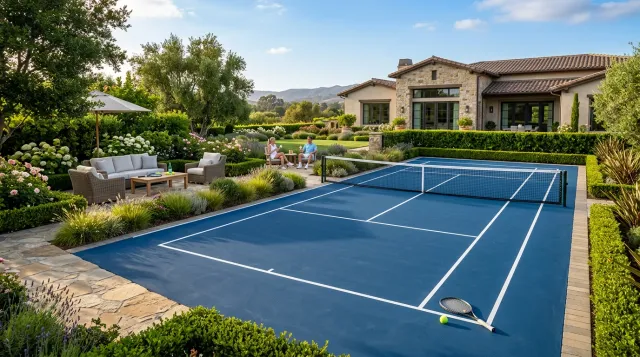
Tennis Court Calculator
Use this calculator to estimate the crushed stone base for a new or resurfaced tennis court. Enter dimensions and depth for volume and tonnage.
Delivery Logistics & Truck Info
Know your delivery options and access requirements before scheduling your order.
Truck Capacities
- Standard Dump Truck10–14 tons
- Tandem Axle14–18 tons
- Semi End Dump20–25 tons
A standard cubic yard weighs approximately 2,000–2,700 lbs depending on material and moisture.
Site Access Requirements
- Trucks require a minimum 12-ft wide, overhead-clear access path
- Soft ground or slopes over 10% may limit truck access — contact us before ordering
- Ensure no underground utilities or irrigation lines are in the drop zone
- Mark your desired drop location clearly before delivery
Important Notes
- Delivery estimates are based on available inventory and route proximity
- Minimum order quantities apply — typically 5 cubic yards or 1 truckload
- Material certification is available upon request for permitted projects
- Always confirm local ordinances before major material placement