
Erosion Control Calculator
— How Much Do You Need?
Calculate quantities and truckloads for erosion control materials — wattles, blankets, riprap, mulch.
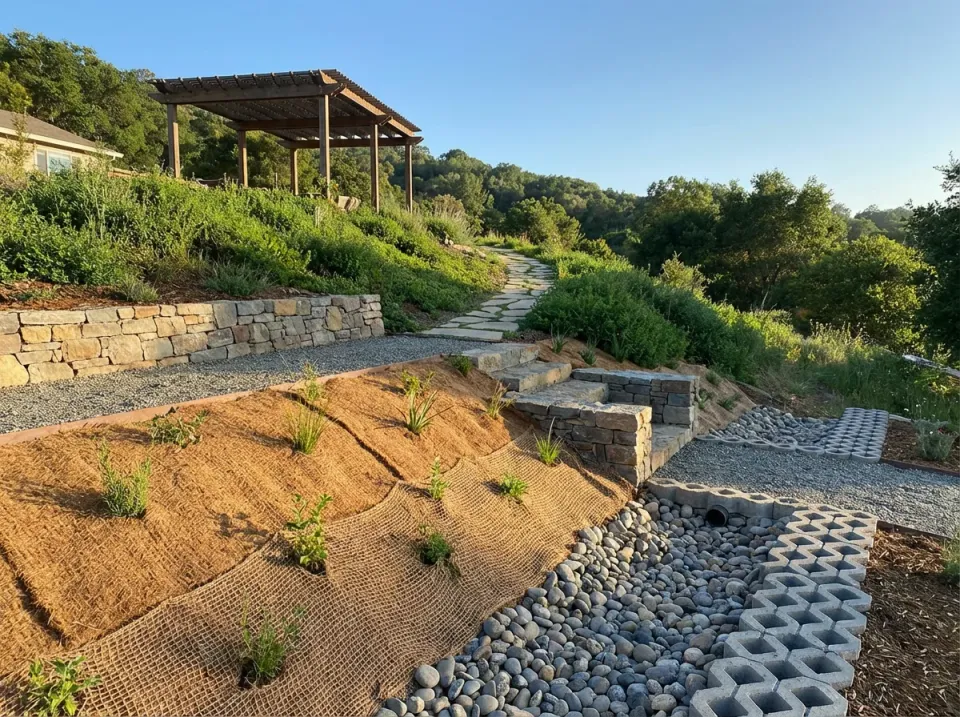
How to Use This Erosion Control Calculator
Planning a erosion control requires precise measurements to ensure you order enough material without overspending.
- 1 Measure Area: Measure the length and width of your planned erosion control area in feet.
- 2 Determine Depth: For most erosion control projects, a depth of 4 to 6 inches is recommended for stability.
- 3 Review Results: The calculator provides both cubic yards (for bulk volume) and tons (for ordering weight).
Common Materials for Erosion Controls
Selecting the right material for erosion control directly impacts slope stability, sediment containment, and long-term site protection against water and wind damage.
| Material | Description | Best For | Est. Cost |
|---|---|---|---|
| Riprap | Large, angular crushed stone ranging from 2 to 6 inches, valued for its interlocking, non-erodible character. | Slope Stabilization, Channel Lining, Rock Outlet Protection | $$ |
| #57 Crushed Stone | Clean, angular crushed stone nominally 3/4 inch in size with minimal fines, providing good drainage and interlock. | Stabilized Construction Entrances, Check Dams, Gravel Access Pads | $$ |
| Crusher Run (QP) | Crushed stone blend of angular particles from 3/4 inch down to fine dust, compacting into a dense, stable layer. | Construction Entrance Base, Stabilized Access Routes, Not Drainage Layers | $ |
| Pea Gravel | Small, smooth, rounded gravel typically 3/8 inch in diameter with a naturally weathered surface. | Filter Layers, Sediment Control, Limited Use | $$ |
Understanding the Cost
Several factors influence the final price of your erosion control project.
Material Volume
The dimensions of your project directly dictate the tonnage needed. Deeper bases require significantly more material.
Delivery Distance
Transport logistics play a major role. Being closer to the quarry or depot reduces delivery fees significantly.
Material Type
Decorative stones cost more than utility grades. Choose based on your project's functional and aesthetic requirements.
Recommended Products for Your Erosion Control
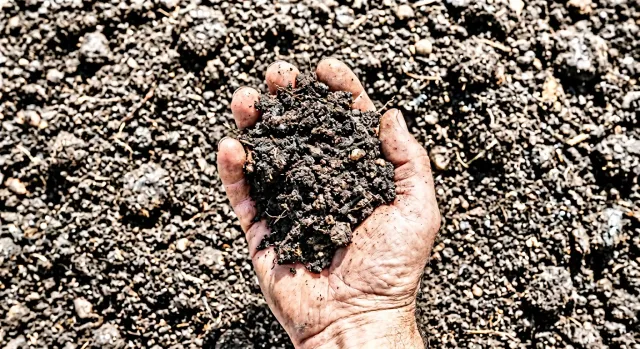
Topsoil Calculator
Topsoil calculator that estimates cubic yards and tons from your area and depth. Supports raised beds, gardens, new lawns, and grading projects.
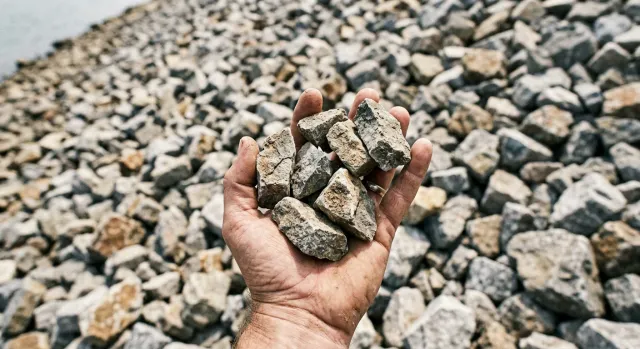
Rip Rap Calculator
Rip rap calculator — estimate tonnage based on your slope or shoreline dimensions. Converts between cubic yards, cubic feet, and tons for erosion control.
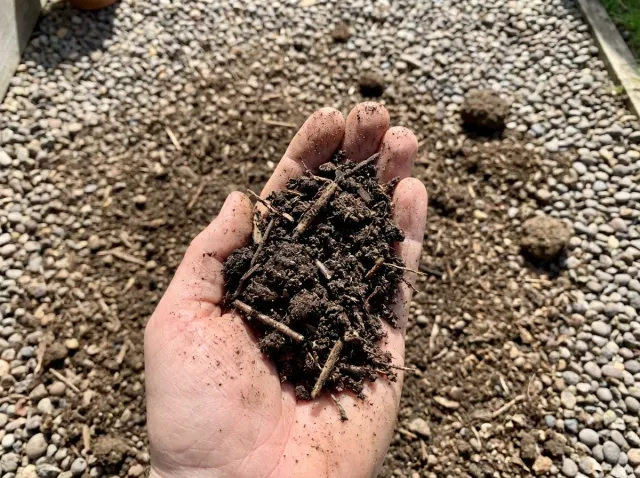
Compost Calculator
Estimate compost volume with this calculator for top-dressing, soil amendment, or new beds. Enter your square footage and desired depth for cubic yards.
Mulch Calculator
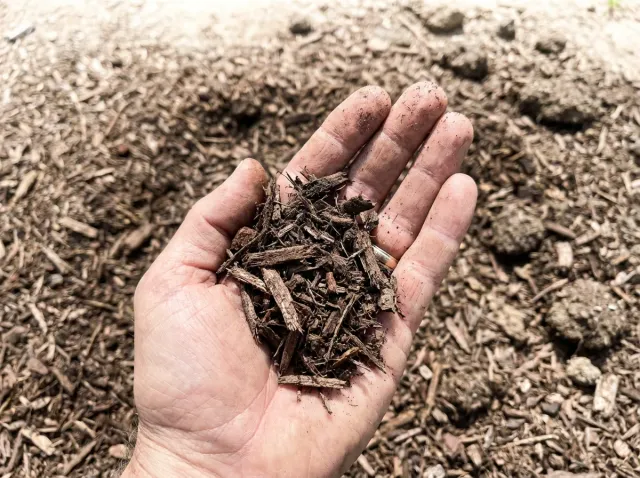
Mulch calculator — enter bed dimensions and depth to estimate how many cubic yards or bags your landscaping project requires. Results update instantly.
Frequently Asked Questions
What is erosion control, and why does it matter for your property?
Erosion control refers to the methods and materials used to stop soil from being carried away by water, wind, or foot traffic. When soil erodes unchecked, the consequences can be serious. Slopes lose their stability, drainage channels get clogged, driveways wash out after every heavy rain, and foundations can become undermined over time. Left unaddressed, even minor erosion tends to get worse with each storm. Bulk aggregates like riprap, river rock, crushed stone, drainage stone, fill dirt, and topsoil are among the most reliable long-term solutions available. Unlike temporary measures, stone and gravel do not decompose, they do not need to be reapplied after rain, and they can handle significant water flow when properly sized and installed. Whether you are dealing with a slope in your backyard, a drainage swale along your driveway, or a creek bank on your property, the right aggregate material gives you a durable fix that holds up for years.
What aggregate materials work best for erosion control?
The best material depends on where the erosion is happening and how severe the water flow is. Here is how the most common options break down. Riprap is large, angular stone, typically ranging from fist-sized to near-boulder-sized. Its weight and jagged shape make it the strongest choice for areas with fast-moving or high-volume water, like stream banks, steep slopes, and culvert outlets. River rock is smooth and rounded, which makes it visually appealing and a good fit for gentler drainage swales and landscaped areas where looks matter. Keep in mind that its smooth surface means it does not interlock as tightly as riprap, so it is better suited for lower-flow situations. Crushed stone and gravel stabilize driveways, paths, and flat areas prone to surface wash. They compact well and shed water effectively. Drainage stone, sometimes called clean stone or washed stone, is a smaller rounded aggregate with very little fine material mixed in. It is primarily used to manage water movement below the surface in French drains and gravel trenches, reducing the underground pressure that causes soil to give way. Fill dirt and topsoil are used to reshape the land, fill in eroded spots, and establish a base for vegetation, which provides its own long-term protection by binding soil with roots. Many erosion control projects call for more than one material, so do not hesitate to reach out to the Hello Gravel team if you want help choosing the right combination for your situation.
How does riprap actually stop erosion on slopes and banks?
Riprap works by absorbing the energy of moving water before it can tear into the soil beneath. When fast-moving water hits a layer of heavy stone, it slows down dramatically. That slowdown is what prevents soil particles from being picked up and carried away. The angular, irregular shape of riprap is a key part of why it works so well. The stones lock together like puzzle pieces, creating a stable armor layer that resists shifting even under heavy flow. For most residential and light commercial applications, riprap is placed at a depth of 12 to 18 inches. Steeper slopes and channels with faster water flow typically need larger stone and greater coverage depth. Before placing riprap, it is often a good idea to lay down a base of drainage stone or install filter fabric underneath. This prevents a process called piping, where fine soil particles get drawn up through the stone layer and gradually undermine the riprap from below. If you are sizing a riprap project, use the Hello Gravel calculator to get a material estimate based on your specific dimensions. The team can also help you think through depth requirements for your site.
What is the difference between riprap, river rock, and drainage stone for erosion control purposes?
These three materials are sometimes used interchangeably in casual conversation, but they each do something different, and choosing the wrong one for your project can lead to disappointing results. Riprap is angular and jagged. That rough texture is what makes it interlock and hold firm against strong water forces. It is the right call for stream banks, steep embankments, culvert inlets and outlets, and anywhere water moves quickly or in large volume. River rock is smooth and rounded from years of natural water movement. It is attractive and works well in landscaped drainage swales and decorative channels where the water flow is relatively gentle. Because it does not interlock, it can shift under heavy current, so it is not the best choice for high-velocity situations. Drainage stone is a smaller, clean aggregate with minimal fines or dust. It is primarily a subsurface material. You would use it inside a French drain trench, around drainage pipes, or as a base layer beneath other stone to allow water to move freely through the ground. It prevents the underground buildup of water pressure that causes soil to collapse or erode from below. Think of it this way: riprap armors the surface, river rock beautifies gentler channels, and drainage stone manages what is happening underground. A well-designed erosion control system often uses all three in different parts of the same project.
How much erosion control material do I need for my project?
The quantity you need depends on the size of the area you are covering, the depth of material required, and the type of stone you choose. As a general starting point, one ton of riprap covers roughly 15 to 20 square feet at a 12-inch installation depth. One ton of smaller crushed stone or gravel covers approximately 100 square feet at a 4-inch depth. These are ballpark figures because actual coverage varies based on stone size, shape, and density. For a more precise estimate, the Hello Gravel online calculator is your best tool. Enter the length, width, and depth for your project and it will give you a tonnage estimate tailored to your specific dimensions. Getting this right before you order means you avoid either running short in the middle of a project or ordering significantly more than you need. If your project involves multiple areas with different materials or depths, you can run the calculator separately for each section. And if you want a second set of eyes on your estimate, the Hello Gravel team is easy to reach and happy to help you work through the numbers.
More Project Calculators
Playground Calculator
This calculator estimates mulch, rubber, or wood fiber surfacing for playgrounds. Enter area and recommended depth to get cubic yards and tons.
Chicken Coop Calculator
Use this calculator to estimate how much gravel your coop base requires. Input dimensions and depth for volume in cubic yards and stone type guidance.
Basketball Court Calculator
Court base calculator — estimate gravel, sand, and sub-base quantities for backyard or regulation basketball courts. Input court size for material totals.
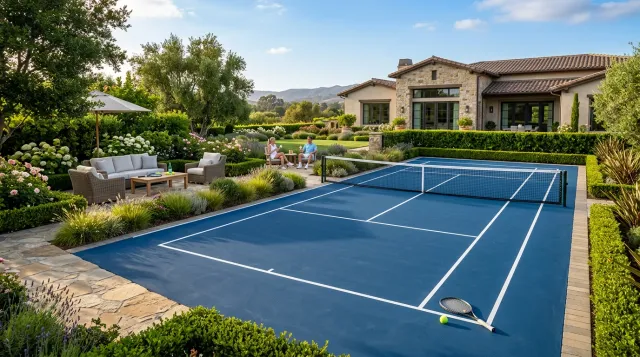
Tennis Court Calculator
Use this calculator to estimate the crushed stone base for a new or resurfaced tennis court. Enter dimensions and depth for volume and tonnage.
Delivery Logistics & Truck Info
Know your delivery options and access requirements before scheduling your order.
Truck Capacities
- Standard Dump Truck10–14 tons
- Tandem Axle14–18 tons
- Semi End Dump20–25 tons
A standard cubic yard weighs approximately 2,000–2,700 lbs depending on material and moisture.
Site Access Requirements
- Trucks require a minimum 12-ft wide, overhead-clear access path
- Soft ground or slopes over 10% may limit truck access — contact us before ordering
- Ensure no underground utilities or irrigation lines are in the drop zone
- Mark your desired drop location clearly before delivery
Important Notes
- Delivery estimates are based on available inventory and route proximity
- Minimum order quantities apply — typically 5 cubic yards or 1 truckload
- Material certification is available upon request for permitted projects
- Always confirm local ordinances before major material placement