
Dry Well Calculator
— How Much Do You Need?
Estimate gravel and stone for your dry well — precise volumes and quick truckload delivery pricing.
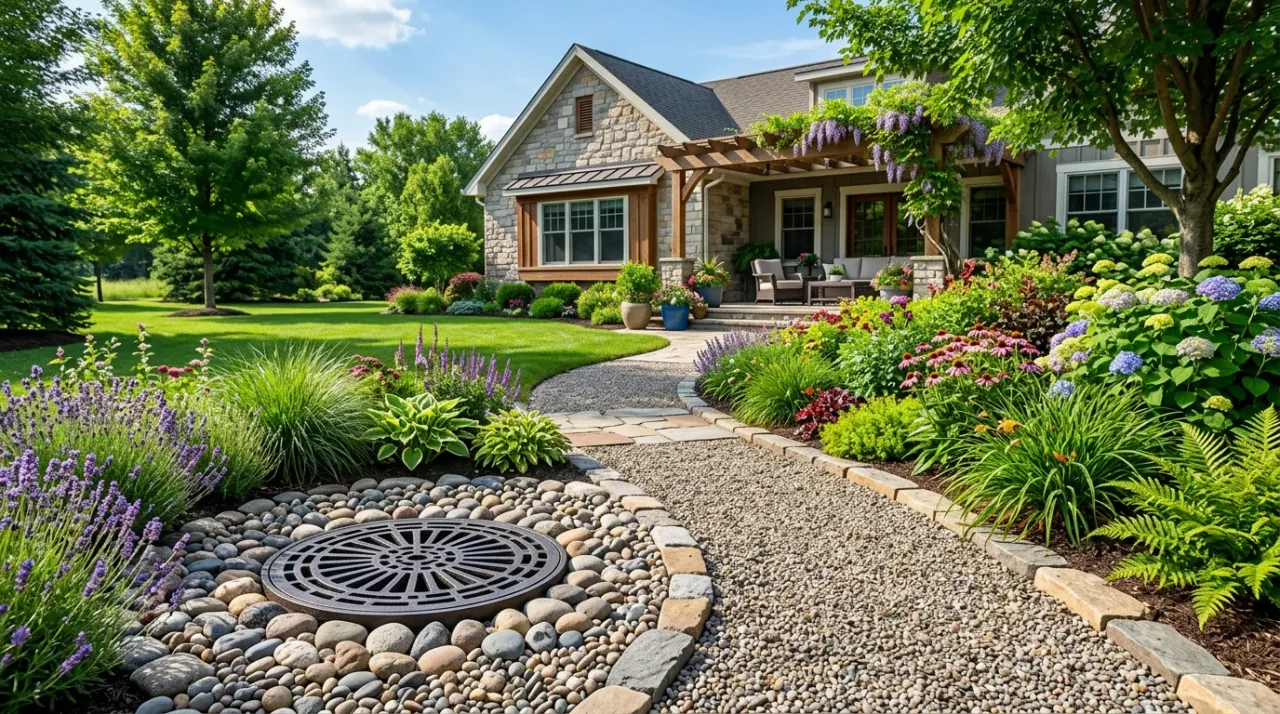
How to Use This Dry Well Calculator
Planning a dry well requires precise measurements to ensure you order enough material without overspending.
- 1 Measure Area: Measure the length and width of your planned dry well area in feet.
- 2 Determine Depth: For most dry well projects, a depth of 4 to 6 inches is recommended for stability.
- 3 Review Results: The calculator provides both cubic yards (for bulk volume) and tons (for ordering weight).
Common Materials for Dry Wells
Choosing the right aggregate maximizes void space, infiltration rate, and structural integrity while preventing soil intrusion and long-term clogging in a dry well.
| Material | Description | Best For | Est. Cost |
|---|---|---|---|
| #57 Crushed Stone | Washed, angular crushed stone ranging from 3/4 to 1 inch in diameter with high void space and excellent drainage characteristics. | Primary Pit Backfill, High Porosity Fill, Residential & Commercial Wells | $$ |
| #2 Crushed Stone | Large, angular crushed stone measuring 2 to 3 inches in diameter, providing maximum structural support and void volume. | Base Layer Fill, High-Volume Storage, Commercial-Scale Wells | $$ |
| Pea Gravel | Smooth, rounded washed gravel typically 3/8 inch in diameter with moderate void space and consistent particle sizing. | Inlet Filter Layer, Upper Zone Filtration, Limited Use | $ |
| Geotextile Fabric | Non-woven or woven permeable synthetic fabric engineered to separate, filter, and reinforce aggregate layers while allowing water passage. | Pit Liner, Soil Intrusion Prevention, All Well Sizes | $$ |
Understanding the Cost
Several factors influence the final price of your dry well project.
Material Volume
The dimensions of your project directly dictate the tonnage needed. Deeper bases require significantly more material.
Delivery Distance
Transport logistics play a major role. Being closer to the quarry or depot reduces delivery fees significantly.
Material Type
Decorative stones cost more than utility grades. Choose based on your project's functional and aesthetic requirements.
Recommended Products for Your Dry Well
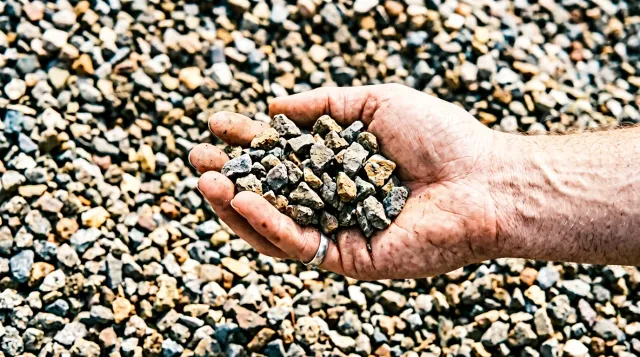
Gravel Calculator
This gravel calculator estimates cubic yards, tons, and coverage for any area. Enter dimensions and depth for driveways, patios, paths, and landscaping.
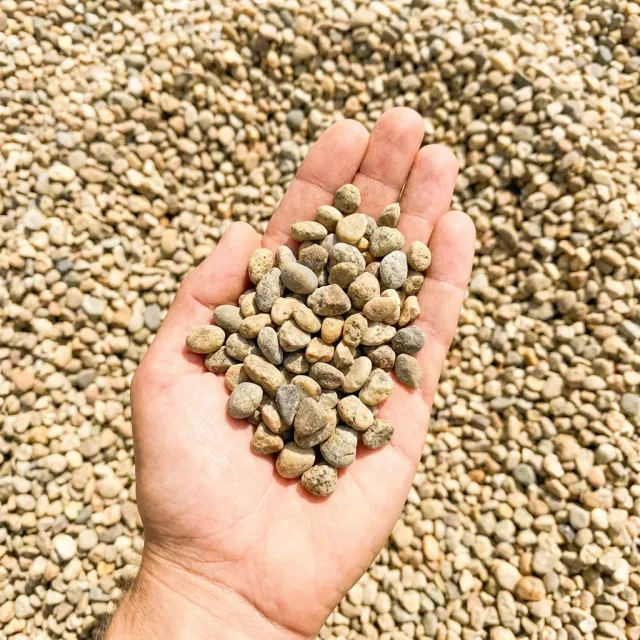
Pea Gravel Calculator
Pea gravel calculator — enter your project dimensions to estimate volume in cubic yards, tons, and bags. Ideal for pathways, patios, and ground cover.
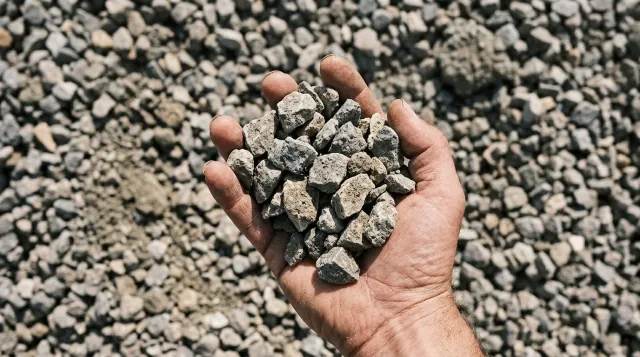
Crushed Stone Calculator
This calculator estimates crushed stone quantity and weight. Enter dimensions for results in cubic feet, cubic yards, and tons with density factored in.
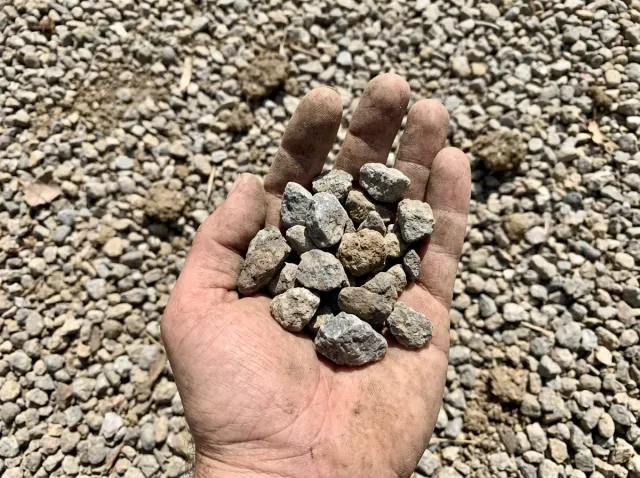
Drainage Rock Calculator
This calculator estimates drainage gravel for French drains, yard drainage, and erosion control. Factors in the 4-6 inch depth most systems need.
Frequently Asked Questions
Is a dry well a good idea for managing water on my property?
For most homeowners dealing with excess water from downspouts, sump pump discharge, or low spots that tend to pool after rain, a dry well is one of the most practical and cost-effective drainage solutions available. Instead of letting water sheet across your yard, erode your lawn, or push toward a foundation, a dry well channels it underground and lets it slowly percolate back into the soil where it belongs. Dry wells work best in areas with good soil permeability. Sandy loam and gravelly subsoils absorb water quickly, so a properly sized dry well can handle even heavy rain events without backing up. In clay-heavy soils, a dry well still provides real benefit, though it will drain more slowly and may need to be larger to compensate. If you have persistent standing water after rain, a single downspout that dumps into a soggy corner of the yard, or a sump pump with nowhere efficient to discharge, a dry well is often the most direct fix. It is also a common first step before investing in a full French drain system or significant regrading. The key is sizing it correctly for your drainage volume and making sure the gravel fill is clean and properly chosen so the well drains efficiently from day one.
How deep does a dry well need to be?
Most residential dry wells are installed at a depth of 4 to 6 feet, though the right depth for your project depends on a few important factors. The most critical rule is that the bottom of your dry well should sit at least 2 feet above the seasonal high water table. If the well reaches too close to the water table, the surrounding soil is already saturated and has no capacity to absorb more water, which means your well will back up and stop working exactly when you need it most. Beyond the water table, you want the bottom of your pit to reach permeable soil. If you hit sandy loam, gravelly subsoil, or loose subsoil, you are in good shape. If you are digging through dense clay the entire way down, a dry well alone may not be enough, and you might need to consider alternative drainage strategies or combine your dry well with other solutions. Before you break ground, check with your local building department. Many municipalities require a permit for dry well installations, and some have minimum depth requirements or setback rules from property lines, septic systems, and wells. Confirming those details before you dig also helps you nail down the exact dimensions of your pit, which is what you will plug into the Hello Gravel calculator to get your gravel quantity estimate.
Do you fill a dry well with gravel?
Yes, gravel is the essential fill material for a dry well, and choosing the right kind makes a significant difference in how well your system performs over time. The gravel creates open void space inside the pit that temporarily holds water while it seeps into the surrounding soil. Without that void space, water has nowhere to go and the well backs up quickly. The most important characteristic to look for is cleanliness. You want washed crushed stone with minimal fines, meaning little to no clay, silt, or sandy particles mixed in. Those fine materials migrate into the gravel voids over time, clog them, and dramatically reduce drainage capacity. A clean stone maintains its permeability for years. For a traditional all-gravel pit, the gravel itself serves as both the drainage medium and the structural fill that supports the surrounding soil. For installations that use a prefabricated plastic chamber or barrel, gravel is packed around the chamber to hold it in place and extend the drainage area beyond the chamber walls. Either way, the quality and volume of gravel you use directly determines how well your dry well performs and how long it lasts. Hello Gravel delivers bulk gravel by the truckload, which makes it straightforward to get the right amount of clean stone delivered right to your site on the day that works best for your project schedule.
What type of gravel is best for a dry well?
Clean, washed crushed stone in the 1.5-inch to 2.5-inch size range is the most widely used and recommended gravel for dry well fill. The angular shape of crushed stone creates more consistent void space than round stones because the irregular edges lock together without fully nesting, which means more room for water to move through and temporarily collect. The single most important quality to look for is that the stone is washed and free of fines. Fines are the small particles, dust, clay, and silt that can be present in unprocessed or poorly screened aggregate. Even a relatively small percentage of fines can migrate into the void spaces over time and reduce your dry well's drainage capacity. A clean stone that has been washed and screened holds its permeability far longer. Some installers use larger clean stone for deeper fill areas where structural support matters most, and a slightly smaller clean gravel near the top of the pit. What you want to avoid is any material that is blended with soil, contains significant clay content, or has not been properly washed. If you are unsure which product is the right fit for your drainage conditions, reach out to the Hello Gravel team and we can point you toward the right material for your project.
How much gravel do I need for a dry well?
The amount of gravel you need depends on the dimensions of your pit and whether you are building a traditional all-gravel dry well or surrounding a prefabricated chamber. For a traditional gravel-filled pit that is 4 feet in diameter and 4 feet deep, you are looking at roughly 2 cubic yards of clean stone to fill it. A deeper pit at the same diameter, say 6 feet deep, pushes that closer to 3 cubic yards. If your design calls for gravel backfill around a chamber and a layer of stone across the top before you replace the soil, add another half to full cubic yard depending on the chamber size. Keep in mind that dry well projects sometimes include connecting trench runs back to downspouts or a sump pump discharge point, and those trenches also need to be filled with clean gravel around the pipe. If you are running a 50-foot trench at 12 inches wide and 18 inches deep, that adds another cubic yard or more to your total. Because the specific dimensions of your pit and any connected trench work vary from project to project, the Hello Gravel calculator is the most reliable way to get a precise estimate. Plug in your dimensions and get a number you can order with confidence. If your project involves multiple dry wells or a larger drainage layout, our team is happy to help you think through the quantities before you place your order.
More Project Calculators
Playground Calculator
This calculator estimates mulch, rubber, or wood fiber surfacing for playgrounds. Enter area and recommended depth to get cubic yards and tons.
Chicken Coop Calculator
Use this calculator to estimate how much gravel your coop base requires. Input dimensions and depth for volume in cubic yards and stone type guidance.
Basketball Court Calculator
Court base calculator — estimate gravel, sand, and sub-base quantities for backyard or regulation basketball courts. Input court size for material totals.
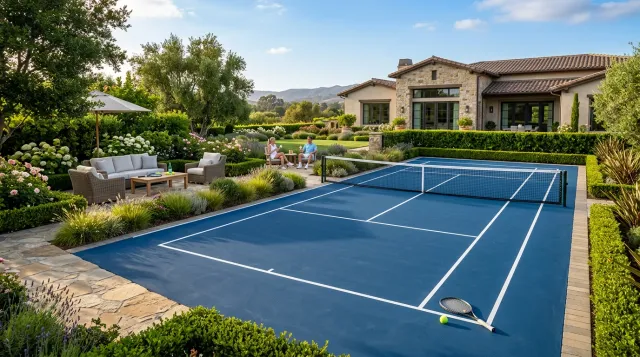
Tennis Court Calculator
Use this calculator to estimate the crushed stone base for a new or resurfaced tennis court. Enter dimensions and depth for volume and tonnage.
Delivery Logistics & Truck Info
Know your delivery options and access requirements before scheduling your order.
Truck Capacities
- Standard Dump Truck10–14 tons
- Tandem Axle14–18 tons
- Semi End Dump20–25 tons
A standard cubic yard weighs approximately 2,000–2,700 lbs depending on material and moisture.
Site Access Requirements
- Trucks require a minimum 12-ft wide, overhead-clear access path
- Soft ground or slopes over 10% may limit truck access — contact us before ordering
- Ensure no underground utilities or irrigation lines are in the drop zone
- Mark your desired drop location clearly before delivery
Important Notes
- Delivery estimates are based on available inventory and route proximity
- Minimum order quantities apply — typically 5 cubic yards or 1 truckload
- Material certification is available upon request for permitted projects
- Always confirm local ordinances before major material placement