
Driveway Calculator
— How Much Do You Need?
Calculate cubic yards or tons of gravel, sand, or base for your driveway - get truckload delivery.
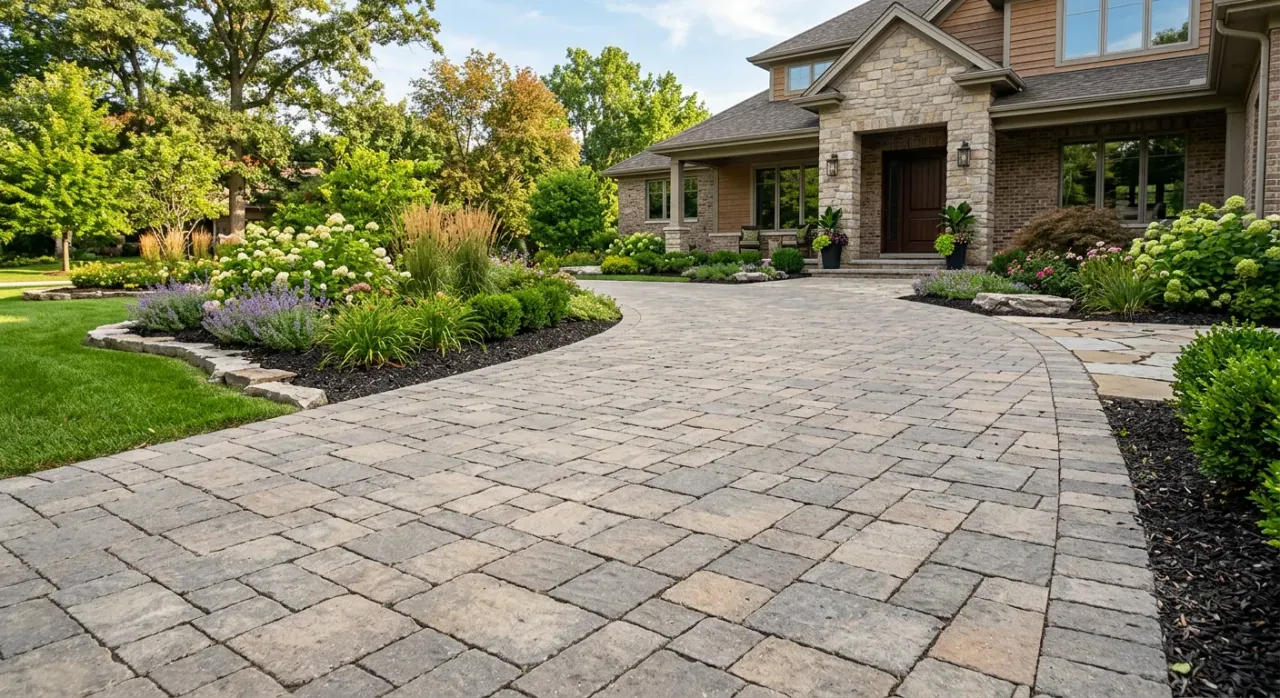
How to Use This Driveway Calculator
Planning a driveway requires precise measurements to ensure you order enough material without overspending.
- 1 Measure Area: Measure the length and width of your planned driveway area in feet.
- 2 Determine Depth: For most driveway projects, a depth of 4 to 6 inches is recommended for stability.
- 3 Review Results: The calculator provides both cubic yards (for bulk volume) and tons (for ordering weight).
Common Materials for Driveways
Choosing the right base and surface material directly affects your driveway's load-bearing capacity, drainage performance, and long-term durability.
| Material | Description | Best For | Est. Cost |
|---|---|---|---|
| Crusher Run (QP) | A compacted blend of crushed stone angular particles and fines ranging from 3/4-inch down to dust, designed to bind and lock together under compaction. | Base Layer, Compacted Base Course, High-Traffic Driveways | $ |
| #57 Crushed Stone | Clean, angular, 3/4-inch to 1-inch quarried and mechanically crushed stone with no fines, providing excellent drainage and load distribution. | Drainage Base, Base Layer, Permeable Sub-Base | $$ |
| Hot Mix Asphalt (HMA) | A heated mixture of aggregates and bituminous binder delivered and compacted hot to form a dense, smooth wearing surface. | Surface Course, Residential Driveways, Cost-Effective Paving | $$$ |
| Recycled Asphalt Pavement (RAP) | Milled fragments of reclaimed asphalt pavement that re-bond under compaction and heat to form a semi-bound, stable surface layer. | Budget Base Layer, Rural Driveways, Limited Use | $ |
Understanding the Cost
Several factors influence the final price of your driveway project.
Material Volume
The dimensions of your project directly dictate the tonnage needed. Deeper bases require significantly more material.
Delivery Distance
Transport logistics play a major role. Being closer to the quarry or depot reduces delivery fees significantly.
Material Type
Decorative stones cost more than utility grades. Choose based on your project's functional and aesthetic requirements.
Recommended Products for Your Driveway
Gravel Calculator
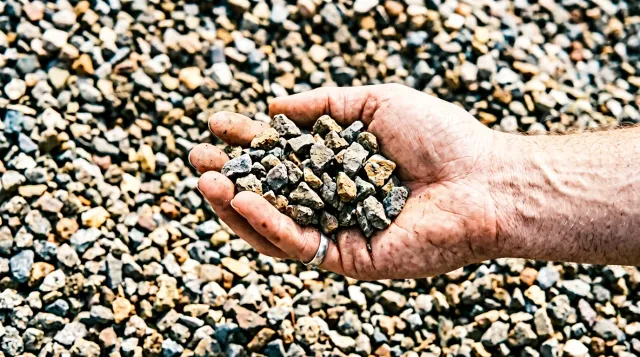
This gravel calculator estimates cubic yards, tons, and coverage for any area. Enter dimensions and depth for driveways, patios, paths, and landscaping.
Road Base Calculator
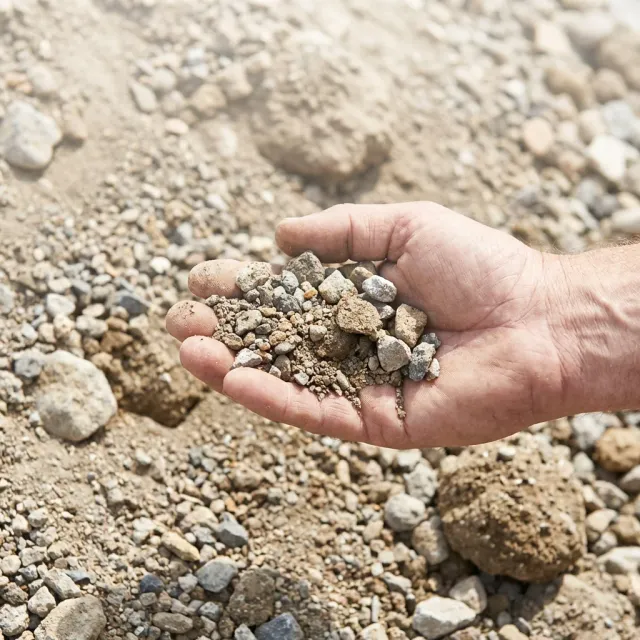
Road base calculator — enter length, width, and depth to estimate volume and tonnage for crushed limestone, recycled concrete, and aggregate base.
Crusher Run Calculator
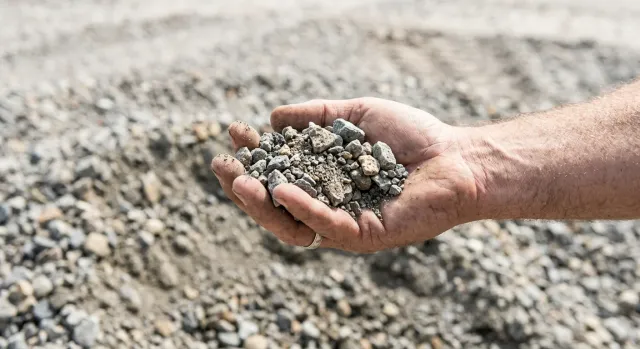
Crusher run calculator — enter width, length, and thickness to estimate cubic yards and tons for a solid, compactable driveway or parking pad base.
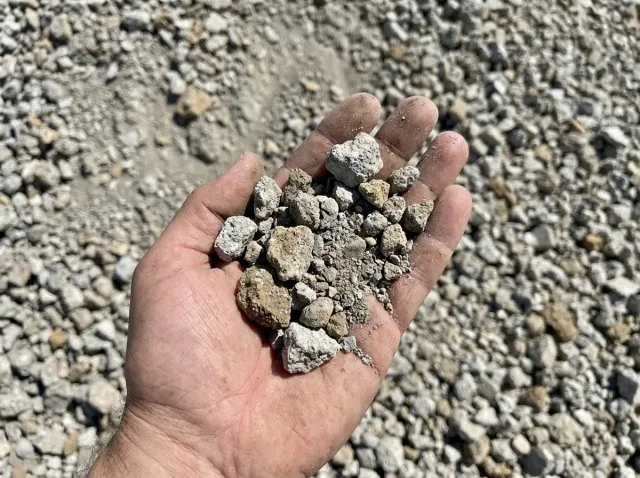
Recycled Concrete Calculator
Estimate crushed concrete with this calculator for driveways, road base, or backfill. Get cubic yards and tons with compaction factored in.
Frequently Asked Questions
What type of aggregate works best for a gravel driveway?
The most popular choice for a gravel driveway is crusher run, which is also called road base or dense-graded aggregate. Crusher run is a blend of crushed stone and stone dust that compacts tightly under traffic, creating a firm, stable surface that resists rutting and shifting. It is especially effective as a base layer because the mix of particle sizes interlocks and stays put. For a top dressing layer, many homeowners go with a clean crushed stone such as #57 or #411. These coarser stones provide excellent drainage and give the surface a polished, finished appearance. Angular stone is generally the better pick over round river rock because the jagged edges lock together under vehicle tires rather than rolling out of place. If budget is your priority, crushed concrete is another strong option. It behaves much like crusher run, compacts well, and holds up under regular vehicle use. Many customers use it as a base layer, as the full driveway surface, or both. Hello Gravel carries gravel, crushed stone, crushed concrete, and other driveway aggregates in bulk truckload quantities. If you are not sure which material is the right fit for your project, the Hello Gravel team is happy to point you in the right direction.
How much gravel do I need for my driveway?
The amount of material you need comes down to three things: the length of your driveway, the width, and the depth you plan to install. At 4 inches of compacted depth, you need roughly 1.2 cubic yards of material for every 100 square feet of driveway. If you plan a two-layer installation with a 4-inch base and a 2-inch top layer, you would be looking at closer to 1.8 cubic yards per 100 square feet. To put that in real-world terms, a driveway that is 200 feet long and 12 feet wide covers 2,400 square feet. At 4 inches of compacted depth, that comes out to around 30 cubic yards, or roughly 40 to 45 tons depending on the material. A shorter single-car driveway at 10 feet wide and 60 feet long would need considerably less. Rather than working through the math by hand, the Hello Gravel calculator makes this quick and straightforward. Just enter your driveway dimensions and your target depth, and it will give you a solid quantity estimate. From there, you can place your order and choose a delivery date that works for your schedule.
How deep should driveway gravel be installed?
For a new gravel driveway, a total installed depth of 6 to 8 inches gives you a durable surface that holds up under regular vehicle use. Most experienced installers split this into two layers. The base layer, typically crusher run or road base, is laid at 4 inches of compacted depth. This is the structural layer that prevents the driveway from sinking or rutting over time. A top dressing layer of clean crushed stone, at 2 to 3 inches, then goes on top for drainage and surface quality. If you are refreshing an existing driveway that has worn down or developed thin spots, a 2 to 3 inch top-up layer is usually enough to bring it back to life without a full rebuild. The depth you choose directly affects how much material you will need to order, so it is worth settling on your installation plan before you run your numbers through the Hello Gravel calculator.
Is a gravel driveway really the most affordable driveway option?
Among all common driveway types, gravel is consistently the lowest-cost option to install. Asphalt and poured concrete both require professional installation, specialized equipment, and significantly higher material costs. Decorative pavers and natural stone can cost even more. A gravel driveway, by contrast, can be installed by a homeowner with basic tools, and the material is delivered right to your property by the truckload. The savings do not stop at installation. Gravel driveways are also inexpensive to maintain over time. If a section develops ruts or washes out after a heavy rain, you simply order a fresh truckload and regrade the affected area. There is no cracking, no repaving, and no need to hire a specialist. That kind of low-cost upkeep is one of the biggest reasons so many homeowners and property owners keep coming back to gravel. For current material pricing on your specific project, use the Hello Gravel calculator or reach out to the team for a quote.
What are the different types of driveways, and where does gravel fit in?
Driveways are most commonly built from gravel, asphalt, concrete, or pavers, and each option comes with its own trade-offs in cost, maintenance, and installation. Gravel driveways are the most affordable to install and the easiest to maintain. They drain well naturally, handle heavy vehicles effectively, and can be refreshed with a new truckload of material whenever they start to look worn. The main trade-off is that they require occasional regrading and some material replenishment over the years. Asphalt offers a smooth, sealed surface that performs well in cold climates, but it requires professional installation and periodic resealing to prevent cracking and deterioration. Concrete is long-lasting but comes with high upfront costs and can be prone to cracking in freeze-thaw climates, making repairs costly. Pavers offer the most visual appeal but are generally the most expensive option of all. Hello Gravel specializes in the aggregate materials used to build and surface gravel driveways, including crusher run, crushed stone, and crushed concrete. Whether you want a complete gravel surface or need a solid base layer under another type of finished surface, Hello Gravel can supply it in bulk, delivered by dump truck to your property.
More Project Calculators
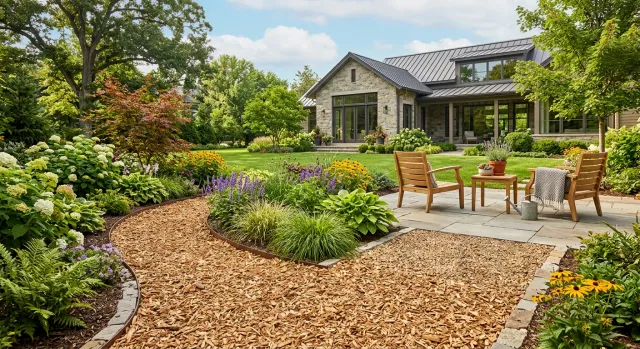
Playground Calculator
This calculator estimates mulch, rubber, or wood fiber surfacing for playgrounds. Enter area and recommended depth to get cubic yards and tons.
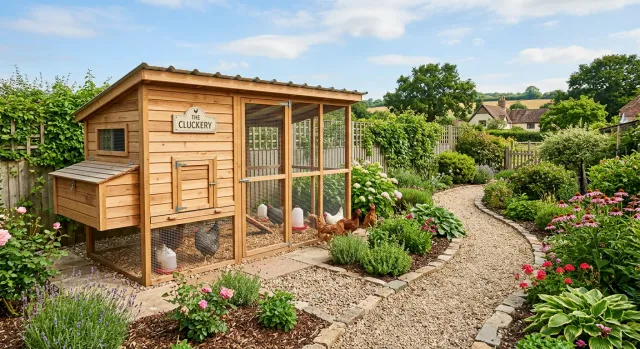
Chicken Coop Calculator
Use this calculator to estimate how much gravel your coop base requires. Input dimensions and depth for volume in cubic yards and stone type guidance.
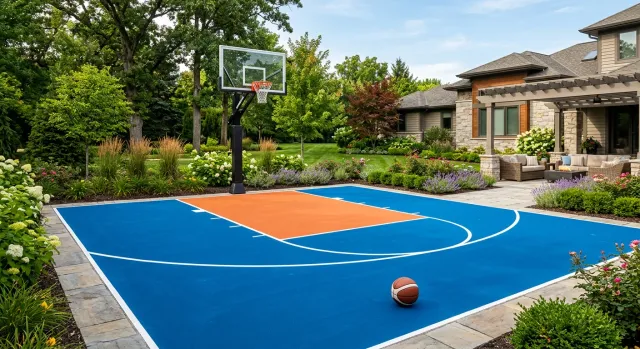
Basketball Court Calculator
Court base calculator — estimate gravel, sand, and sub-base quantities for backyard or regulation basketball courts. Input court size for material totals.
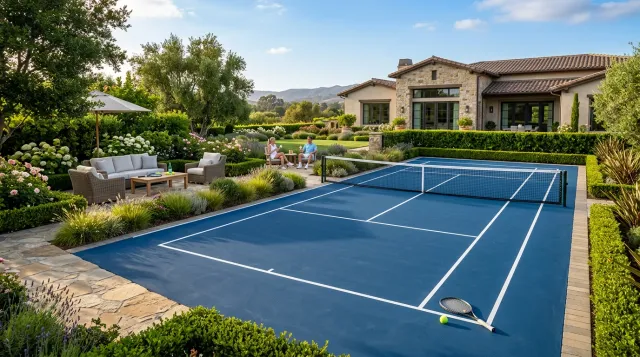
Tennis Court Calculator
Use this calculator to estimate the crushed stone base for a new or resurfaced tennis court. Enter dimensions and depth for volume and tonnage.
Delivery Logistics & Truck Info
Know your delivery options and access requirements before scheduling your order.
Truck Capacities
- Standard Dump Truck10–14 tons
- Tandem Axle14–18 tons
- Semi End Dump20–25 tons
A standard cubic yard weighs approximately 2,000–2,700 lbs depending on material and moisture.
Site Access Requirements
- Trucks require a minimum 12-ft wide, overhead-clear access path
- Soft ground or slopes over 10% may limit truck access — contact us before ordering
- Ensure no underground utilities or irrigation lines are in the drop zone
- Mark your desired drop location clearly before delivery
Important Notes
- Delivery estimates are based on available inventory and route proximity
- Minimum order quantities apply — typically 5 cubic yards or 1 truckload
- Material certification is available upon request for permitted projects
- Always confirm local ordinances before major material placement