
Drainage Calculator
— How Much Do You Need?
Size French drains, swales, and dry creek beds — get gravel, drain rock, and truckload delivery.
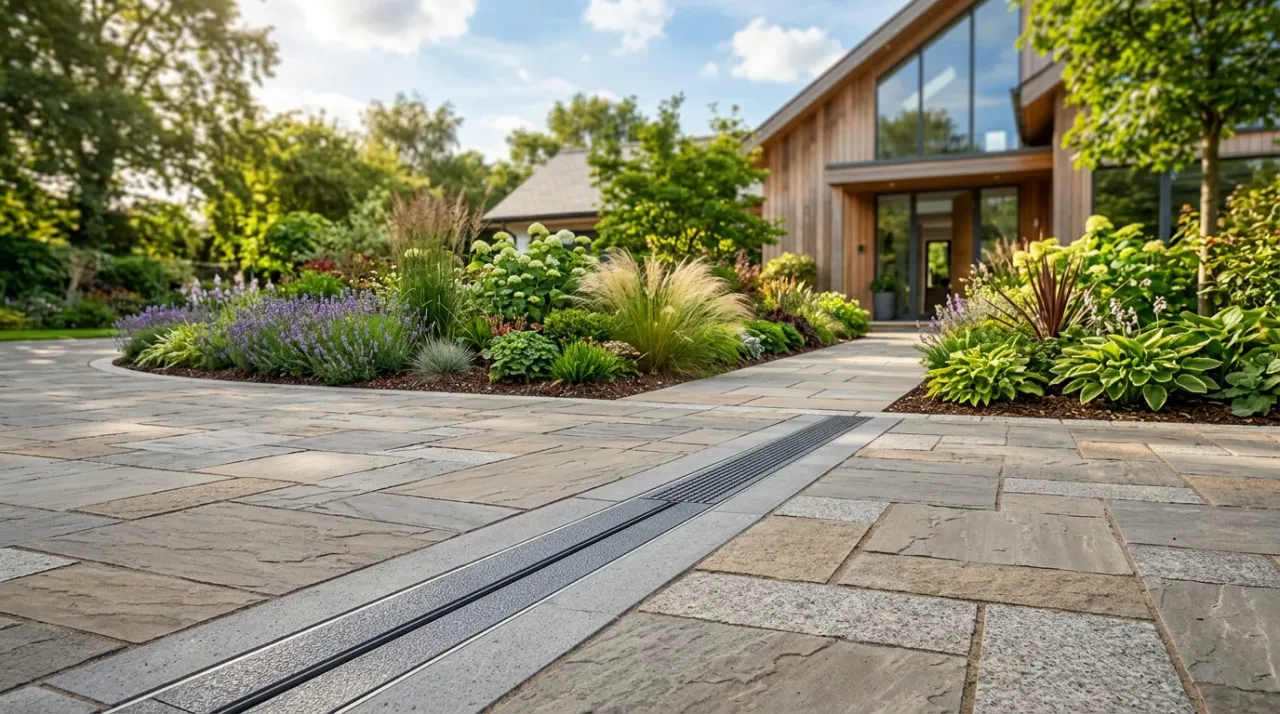
How to Use This Drainage Calculator
Planning a drainage requires precise measurements to ensure you order enough material without overspending.
- 1 Measure Area: Measure the length and width of your planned drainage area in feet.
- 2 Determine Depth: For most drainage projects, a depth of 4 to 6 inches is recommended for stability.
- 3 Review Results: The calculator provides both cubic yards (for bulk volume) and tons (for ordering weight).
Common Materials for Drainages
Choosing the right aggregate ensures adequate permeability, prevents sediment migration, and maintains long-term flow capacity in drainage systems.
| Material | Description | Best For | Est. Cost |
|---|---|---|---|
| #57 Crushed Stone | Angular, 3/4-inch to 1-inch washed crushed stone with minimal fines. | French Drains, Pipe Surround, Trench Backfill, Culvert Bedding | $$ |
| Drain Rock (1.5" - 3" Washed Gravel) | Large, clean, rounded to sub-angular washed stone ranging from 1-1/2 to 3 inches in diameter. | French Drains, Pipe Surround, High-Flow Trenches | $$ |
| Pea Gravel | Small, smooth, rounded gravel typically 3/8 to 1/2 inch in diameter. | Filter Layer Over Pipe, Top Layer Drainage Trenches, Limited Use | $ |
| Coarse Sand | Gritty, angular to sub-rounded sand particles ranging from 0.5 to 2 mm in diameter with moderate permeability. | Pipe Bedding, Low-Permeability Backfill, Limited Use | $ |
Understanding the Cost
Several factors influence the final price of your drainage project.
Material Volume
The dimensions of your project directly dictate the tonnage needed. Deeper bases require significantly more material.
Delivery Distance
Transport logistics play a major role. Being closer to the quarry or depot reduces delivery fees significantly.
Material Type
Decorative stones cost more than utility grades. Choose based on your project's functional and aesthetic requirements.
Recommended Products for Your Drainage
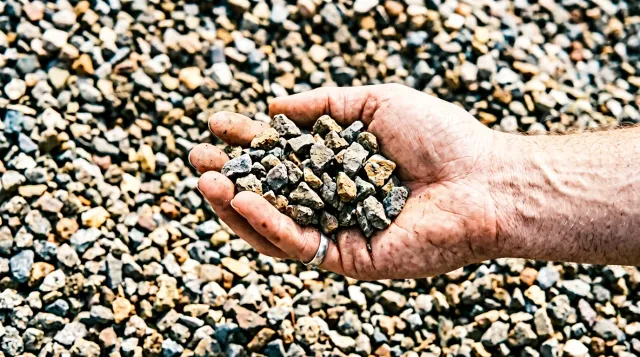
Gravel Calculator
This gravel calculator estimates cubic yards, tons, and coverage for any area. Enter dimensions and depth for driveways, patios, paths, and landscaping.
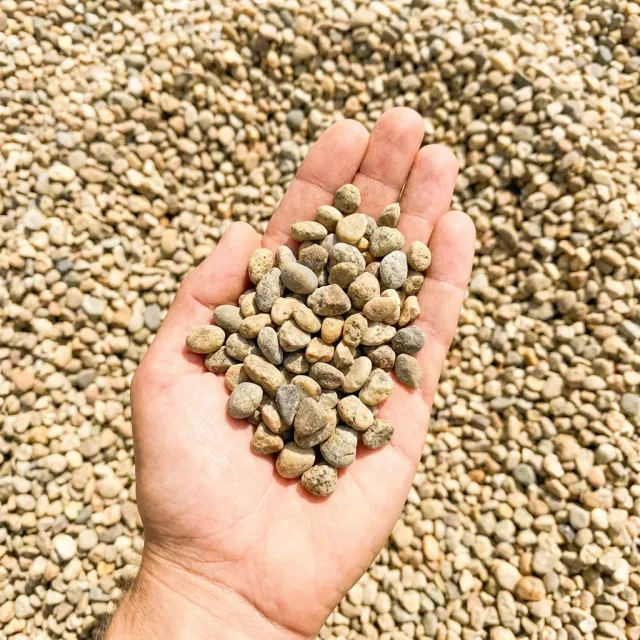
Pea Gravel Calculator
Pea gravel calculator — enter your project dimensions to estimate volume in cubic yards, tons, and bags. Ideal for pathways, patios, and ground cover.
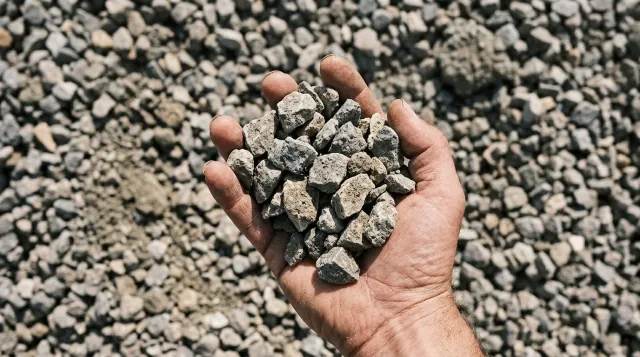
Crushed Stone Calculator
This calculator estimates crushed stone quantity and weight. Enter dimensions for results in cubic feet, cubic yards, and tons with density factored in.
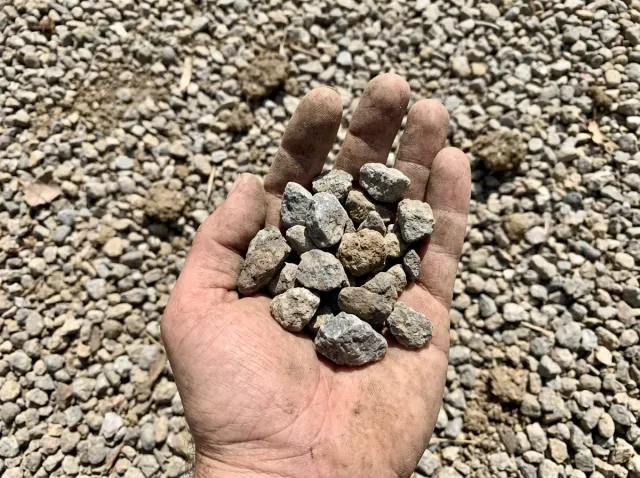
Drainage Rock Calculator
This calculator estimates drainage gravel for French drains, yard drainage, and erosion control. Factors in the 4-6 inch depth most systems need.
Frequently Asked Questions
What is drainage gravel, and what makes it different from regular gravel?
Drainage gravel is a clean, washed stone with no fine particles, dust, or clay mixed in. That single distinction separates it from most other aggregates. Base gravels and compactable fills are designed to pack tightly; fines fill the voids and help them harden. Drainage gravel stays loose and porous, so water moves through the gaps between the stones quickly. Common options include #57 crushed stone (about 3/4 inch to 1 inch), #89 stone (around 3/8 inch), and washed pea gravel. The right choice depends on how fast you need water to move, how deep the system runs, and whether it needs to support weight above it. Using the wrong material can make a drainage system slow or ineffective. Choose the right stone from the start for decades of reliable performance.
What are the signs that your property has a drainage problem?
The most obvious sign is standing water. Puddles that last more than 24 hours after a rain indicate your soil is not draining quickly enough. Ground that stays soft or soggy between rain events is another indicator. Water stains or damp spots on basement walls suggest water is pooling against the home rather than draining away. Erosion channels or gullies in the yard show where runoff is moving too fast. Mulch washing out of beds and soil pulling away from the foundation are also signs. If you see these, a drainage fix with bulk gravel can help redirect water where it belongs.
What types of drainage systems rely on bulk gravel?
Several effective systems depend on clean bulk aggregate. A French drain uses a perforated pipe surrounded by gravel buried in a sloped trench. Water filters through the gravel into the pipe and flows to a safe outlet. A gravel swale is a shallow, sloped channel filled with stone that guides runoff to a lower outlet. A dry creek bed channels water across a yard with rounded gravel for a natural look. Downspout drainage systems use gravel filled trenches or dry wells to absorb roof runoff. Perimeter drains around foundations also rely on coarse drainage stone. All of these require clean, washed aggregate to function well.
How do you use gravel to divert water away from your house?
Move water away from the foundation by intercepting it before it reaches the building. A common approach is a sloped gravel trench drain along the house, lined with filter fabric, and filled with drainage stone. Water then flows into the trench and away from the foundation. For downspouts, bury a perforated pipe underground, surround it with drainage gravel, and direct water to a yard outlet or dry well. Swales or dry creek beds can carry runoff across the yard, but slope is key. Aim for at least a 1 percent grade, which is about 1 inch of drop per 8 feet of run, so water keeps moving.
What is a French drain, and how much gravel does it take to build one?
A French drain is a buried, sloped trench that carries water away from a problem area. It uses a perforated pipe at the bottom, surrounded by clean drainage gravel, and wrapped in filter fabric to keep soil out. Water seeps into the trench, enters the pipe, and moves downhill to a daylight outlet or other discharge. Typical residential trench is 12 inches wide and 18 to 24 inches deep. For a 100-foot run, expect roughly 4 to 6 tons of clean 3/4-inch crushed stone, depending on pipe space. Longer runs or deeper trenches require more material. The standard choice for most French drains is #57 stone, which is 3/4 to 1 inch and stays open for water flow.
More Project Calculators
Playground Calculator
This calculator estimates mulch, rubber, or wood fiber surfacing for playgrounds. Enter area and recommended depth to get cubic yards and tons.
Chicken Coop Calculator
Use this calculator to estimate how much gravel your coop base requires. Input dimensions and depth for volume in cubic yards and stone type guidance.
Basketball Court Calculator
Court base calculator — estimate gravel, sand, and sub-base quantities for backyard or regulation basketball courts. Input court size for material totals.

Tennis Court Calculator
Use this calculator to estimate the crushed stone base for a new or resurfaced tennis court. Enter dimensions and depth for volume and tonnage.
Delivery Logistics & Truck Info
Know your delivery options and access requirements before scheduling your order.
Truck Capacities
- Standard Dump Truck10–14 tons
- Tandem Axle14–18 tons
- Semi End Dump20–25 tons
A standard cubic yard weighs approximately 2,000–2,700 lbs depending on material and moisture.
Site Access Requirements
- Trucks require a minimum 12-ft wide, overhead-clear access path
- Soft ground or slopes over 10% may limit truck access — contact us before ordering
- Ensure no underground utilities or irrigation lines are in the drop zone
- Mark your desired drop location clearly before delivery
Important Notes
- Delivery estimates are based on available inventory and route proximity
- Minimum order quantities apply — typically 5 cubic yards or 1 truckload
- Material certification is available upon request for permitted projects
- Always confirm local ordinances before major material placement