
Dog Run Calculator
— How Much Do You Need?
Quickly estimate cubic yards and truckloads of gravel, DG, sand, or topsoil for your dog run.
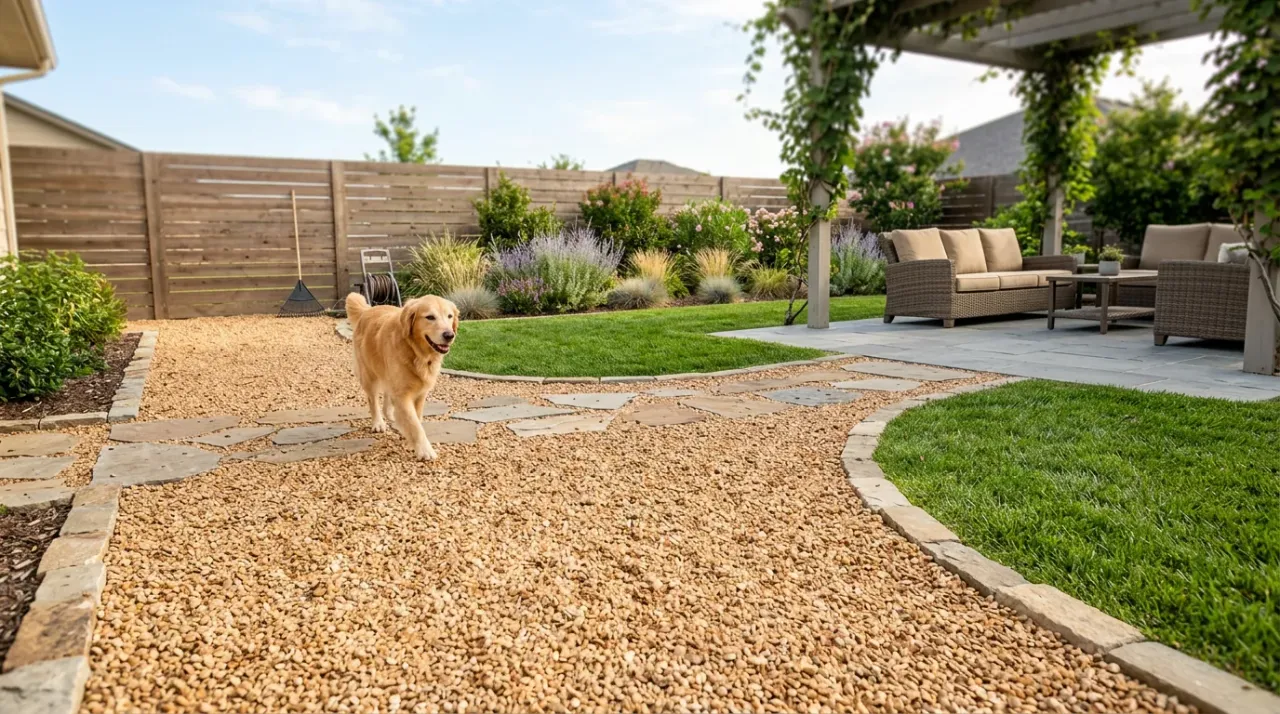
How to Use This Dog Run Calculator
Planning a dog run requires precise measurements to ensure you order enough material without overspending.
- 1 Measure Area: Measure the length and width of your planned dog run area in feet.
- 2 Determine Depth: For most dog run projects, a depth of 4 to 6 inches is recommended for stability.
- 3 Review Results: The calculator provides both cubic yards (for bulk volume) and tons (for ordering weight).
Common Materials for Dog Runs
Choosing the right surface material ensures proper drainage, pet comfort, and long-term durability under heavy paw traffic and urine exposure.
| Material | Description | Best For | Est. Cost |
|---|---|---|---|
| Pea Gravel | Small, smooth, rounded stones typically 3/8-inch in diameter, naturally worn with a uniform, polished appearance. | Top Surface Layer, Pet Comfort, Residential Runs, Drainage | $$ |
| #57 Crushed Stone | Angular, 3/4-inch crushed stone with irregular facets that interlock under compaction for a stable surface. | Base Layer, Commercial Kennels, High-Traffic Runs, Compacted Sub-Base | $$ |
| Crusher Run (QP) | A blend of crushed stone and stone dust ranging from 3/4-inch particles down to fines that compact into a firm, dense layer. | Compacted Base Course, Grade Stabilization, Commercial Kennels | $ |
| Decomposed Granite (DG) | Naturally weathered granite broken down into fine, gritty particles typically 3/8-inch and smaller with a sandy texture. | Top Surface Layer, Residential Runs, Limited Use | $$ |
Understanding the Cost
Several factors influence the final price of your dog run project.
Material Volume
The dimensions of your project directly dictate the tonnage needed. Deeper bases require significantly more material.
Delivery Distance
Transport logistics play a major role. Being closer to the quarry or depot reduces delivery fees significantly.
Material Type
Decorative stones cost more than utility grades. Choose based on your project's functional and aesthetic requirements.
Recommended Products for Your Dog Run
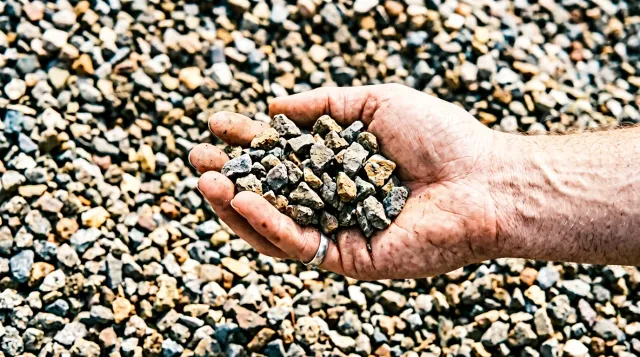
Gravel Calculator
This gravel calculator estimates cubic yards, tons, and coverage for any area. Enter dimensions and depth for driveways, patios, paths, and landscaping.
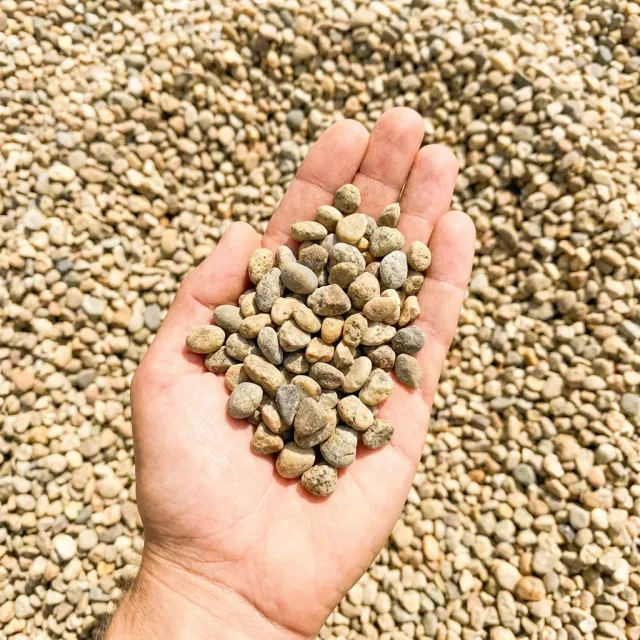
Pea Gravel Calculator
Pea gravel calculator — enter your project dimensions to estimate volume in cubic yards, tons, and bags. Ideal for pathways, patios, and ground cover.
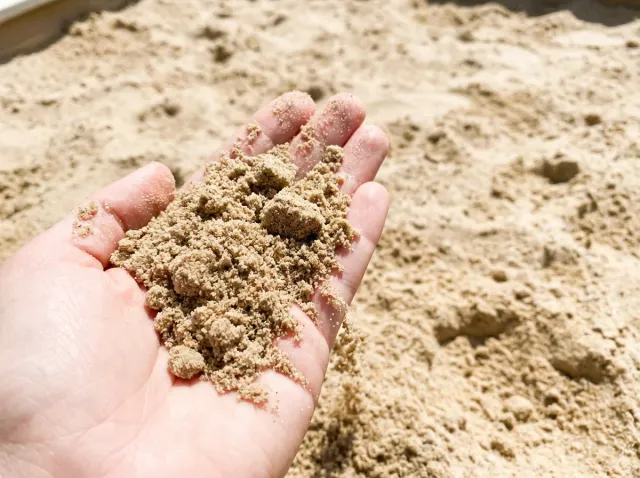
Play Sand Calculator
Play sand calculator — estimate exactly how many pounds or bags will fill your sandbox or sand table. Supports rectangular and circular shapes at any depth.
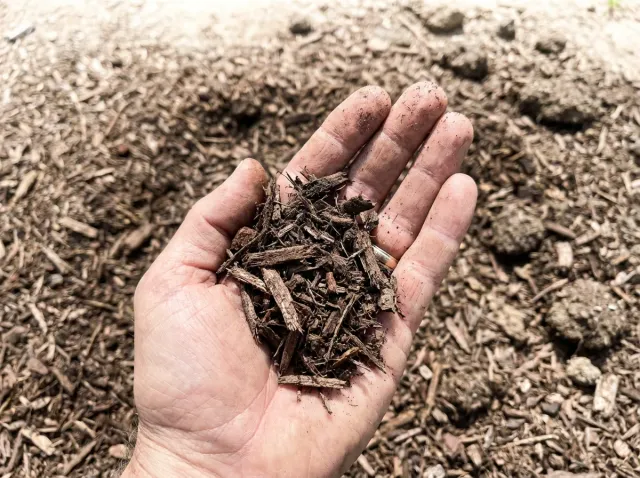
Mulch Calculator
Mulch calculator — enter bed dimensions and depth to estimate how many cubic yards or bags your landscaping project requires. Results update instantly.
Frequently Asked Questions
What is a dog run, and what makes gravel the ideal surface material for one?
A dog run is a fenced outdoor area specifically designed to give your dog a safe, contained space to exercise, play, and spend time outside without supervision. It can be a simple strip of yard along the side of your house or a larger dedicated enclosure in your backyard. When it comes to surface material, gravel is widely considered the best option for most dog runs. Bare dirt turns into a muddy mess after rain and becomes a digging invitation for most dogs. Grass gets destroyed quickly under heavy paw traffic. Concrete and pavers can be hard on joints and get dangerously hot in the summer sun. Gravel, particularly smooth pea gravel, solves all of those problems at once. It drains quickly after rain so the run stays dry and firm. It does not compact into mud, and it discourages most dogs from digging because loose stone is less satisfying to excavate than soil. It is also easy to clean since waste either rinses through or can be scooped off the surface without hunting through grass. For most homeowners and dog owners, a properly installed gravel dog run is the lowest-maintenance, most durable outdoor surface option available.
Are dog runs good for dogs?
Yes, a well-designed dog run is genuinely good for your dog's physical and mental health. Dogs need regular exercise and mental stimulation, and a dedicated run gives them a space to move freely and burn off energy even when you cannot take them on a walk. This is especially valuable for high-energy breeds or dogs that are left home during work hours. From a health standpoint, the surface you choose matters a great deal. A gravel surface keeps your dog's paws dry and clean between uses. Standing water and soggy dirt can lead to bacterial infections on paw pads, while a well-draining gravel base minimizes that risk. Smooth pea gravel is also gentle enough to walk and run on without causing abrasion or discomfort. The key is sizing the run appropriately for your dog's breed and energy level, keeping it clean on a regular schedule, and providing shade, fresh water, and enrichment items. A gravel surface makes the cleaning and maintenance side of that equation significantly easier, which means your dog is more likely to actually enjoy a consistently well-kept space.
What type or grade of gravel works best for a dog run?
Pea gravel is the most popular and widely recommended gravel for dog runs, and for good reason. It consists of small, naturally smooth, rounded stones typically ranging from about 3/8 inch to 1/2 inch in size. Because the edges are naturally worn smooth, pea gravel is gentle on paw pads and comfortable for dogs to walk, run, and lie down on. Its small, uniform size also makes it pack loosely enough to drain well while still feeling stable underfoot. You want to avoid angular crushed stone as your primary surface material in a dog run. Crushed stone has sharp, irregular edges that can be tough on paw pads over time, especially for dogs that spend extended time in the run. It works well as a base layer beneath the surface gravel, but it is not the right choice for the top layer where your dog will be directly in contact. River rock can work for larger dogs but tends to be too bulky and uneven for small breeds. Pea gravel hits the right balance of comfort, drainage, and ease of cleaning for the widest range of dogs and project types. When you are ready to order, the Hello Gravel team can help you confirm you are selecting the right product for your specific project.
How deep should the gravel be in a dog run?
For a functional, long-lasting dog run, you want a gravel depth of at least 3 to 4 inches. That depth gives you three important things: enough loose material to absorb and drain moisture effectively, enough volume that the gravel does not shift entirely out of place under regular use, and enough of a physical barrier to discourage digging. If your yard has naturally poor drainage or you live in a region with heavy rainfall, going slightly deeper, around 4 to 6 inches, is worth it. Some homeowners also opt to place a 2 to 3 inch base layer of a coarser crushed stone beneath the pea gravel surface. That base improves drainage from the bottom up and helps the top layer stay in place longer. When using a two-layer approach, you are still looking at 4 to 6 inches of total material depth combined. Going shallower than 3 inches is a common mistake. Thin gravel shifts and migrates quickly, leaving bare patches of soil that get muddy and undermine the whole purpose of using gravel in the first place. Investing in adequate depth from the start saves you from having to top up the run more frequently down the line.
How much gravel do I need for my dog run?
The amount of gravel you need depends on the length, width, and target depth of your dog run. As a general reference, at a depth of 4 inches, one ton of pea gravel covers roughly 55 to 65 square feet, depending on the material's specific density. That means a 10 by 20 foot dog run, which equals 200 square feet, would require approximately 3 to 4 tons at that depth. Here are a few quick examples to give you a starting point, all based on a 4-inch surface depth: A small 6 by 10 foot run, which is 60 square feet, would take roughly 1 ton. A mid-size 10 by 20 foot run at 200 square feet would take around 3 to 4 tons. A larger 12 by 30 foot run at 360 square feet would take approximately 5 to 6 tons. These are estimates meant to give you a ballpark, not a final order quantity. Your actual needs will vary based on your exact dimensions, whether you plan to use a base layer beneath the surface gravel, and your target depth. The Hello Gravel online calculator makes it easy to input your measurements and get a more precise estimate before you order. Use it as your starting point, and if you have questions about what the right amount looks like for your specific run, the Hello Gravel team is glad to help.
More Project Calculators
Playground Calculator
This calculator estimates mulch, rubber, or wood fiber surfacing for playgrounds. Enter area and recommended depth to get cubic yards and tons.
Chicken Coop Calculator
Use this calculator to estimate how much gravel your coop base requires. Input dimensions and depth for volume in cubic yards and stone type guidance.
Basketball Court Calculator
Court base calculator — estimate gravel, sand, and sub-base quantities for backyard or regulation basketball courts. Input court size for material totals.
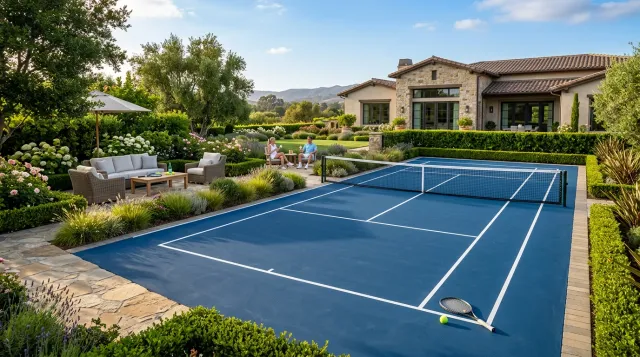
Tennis Court Calculator
Use this calculator to estimate the crushed stone base for a new or resurfaced tennis court. Enter dimensions and depth for volume and tonnage.
Delivery Logistics & Truck Info
Know your delivery options and access requirements before scheduling your order.
Truck Capacities
- Standard Dump Truck10–14 tons
- Tandem Axle14–18 tons
- Semi End Dump20–25 tons
A standard cubic yard weighs approximately 2,000–2,700 lbs depending on material and moisture.
Site Access Requirements
- Trucks require a minimum 12-ft wide, overhead-clear access path
- Soft ground or slopes over 10% may limit truck access — contact us before ordering
- Ensure no underground utilities or irrigation lines are in the drop zone
- Mark your desired drop location clearly before delivery
Important Notes
- Delivery estimates are based on available inventory and route proximity
- Minimum order quantities apply — typically 5 cubic yards or 1 truckload
- Material certification is available upon request for permitted projects
- Always confirm local ordinances before major material placement