
Catch Basin Calculator
— How Much Do You Need?
Instant catch basin material calculator — get gravel, sand, and backfill quantities and truckload costs.
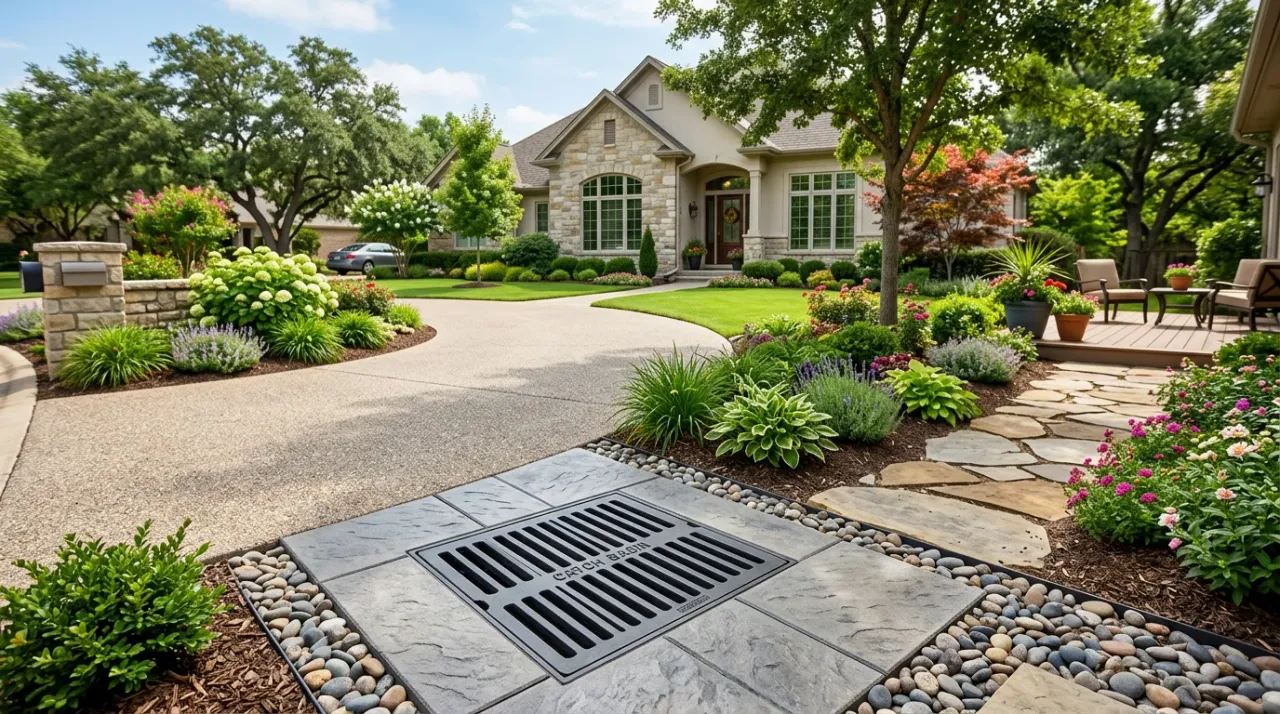
How to Use This Catch Basin Calculator
Planning a catch basin requires precise measurements to ensure you order enough material without overspending.
- 1 Measure Area: Measure the length and width of your planned catch basin area in feet.
- 2 Determine Depth: For most catch basin projects, a depth of 4 to 6 inches is recommended for stability.
- 3 Review Results: The calculator provides both cubic yards (for bulk volume) and tons (for ordering weight).
Common Materials for Catch Basins
Selecting the right aggregate for bedding, backfill, and fill ensures proper drainage, basin stability, and long-term resistance to settling or sinkhole formation.
| Material | Description | Best For | Est. Cost |
|---|---|---|---|
| #57 Crushed Stone | Angular, 3/4-inch to 1-inch uniformly sized crushed limestone or granite with high void space and excellent drainage properties. | Leaching Basin Fill, Backfill Around Basin, Drainage Layer | $$ |
| Crusher Run (QP) | Blend of crushed stone fines and angular aggregate ranging from 3/4-inch down to dust, compacting into a dense, stable layer. | Trench Backfill, Structural Compaction, Basin Stabilization | $ |
| Coarse Sand | Granular, loosely packed sand with particle sizes typically between 0.5mm and 2mm, providing a workable, level surface. | Basin Bedding, Fine Leveling, Pipe Alignment | $ |
| #2 Crushed Stone | Large, angular crushed stone pieces ranging from 1.5 to 2.5 inches in diameter with high porosity and void storage capacity. | High-Volume Leaching Fill, Deep Backfill Zones, Limited Use | $$ |
Understanding the Cost
Several factors influence the final price of your catch basin project.
Material Volume
The dimensions of your project directly dictate the tonnage needed. Deeper bases require significantly more material.
Delivery Distance
Transport logistics play a major role. Being closer to the quarry or depot reduces delivery fees significantly.
Material Type
Decorative stones cost more than utility grades. Choose based on your project's functional and aesthetic requirements.
Recommended Products for Your Catch Basin
Gravel Calculator
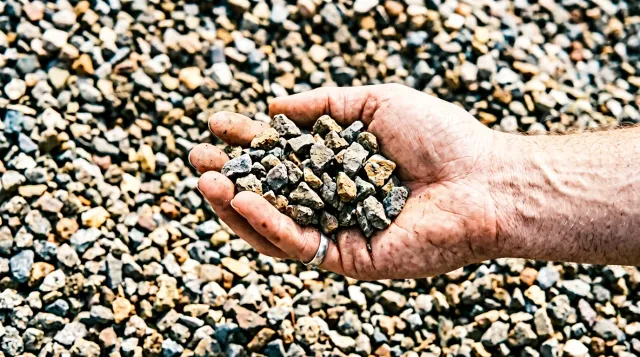
This gravel calculator estimates cubic yards, tons, and coverage for any area. Enter dimensions and depth for driveways, patios, paths, and landscaping.
Pea Gravel Calculator
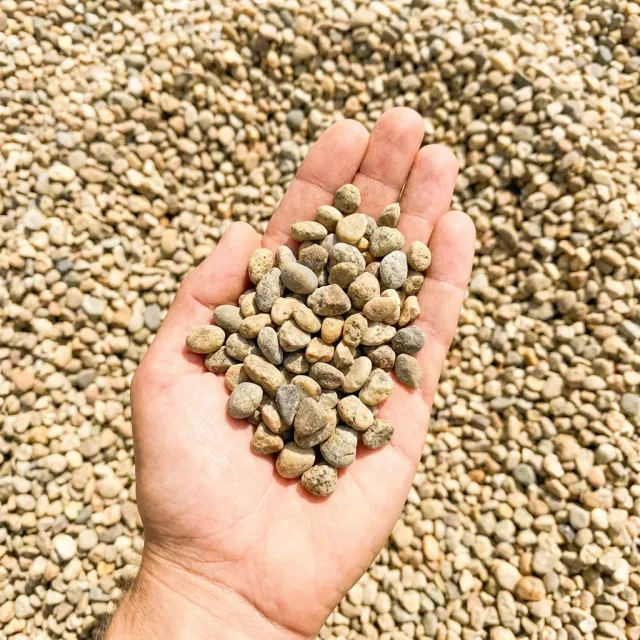
Pea gravel calculator — enter your project dimensions to estimate volume in cubic yards, tons, and bags. Ideal for pathways, patios, and ground cover.
Crushed Stone Calculator
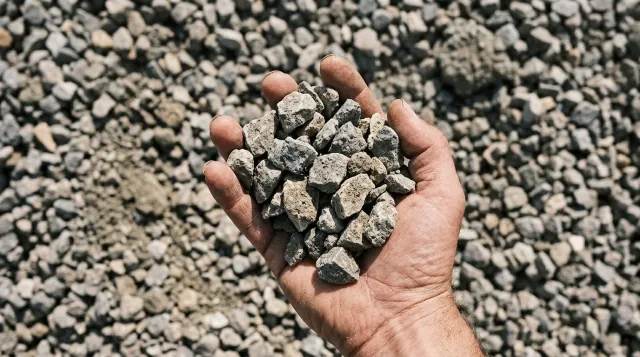
This calculator estimates crushed stone quantity and weight. Enter dimensions for results in cubic feet, cubic yards, and tons with density factored in.
Drainage Rock Calculator
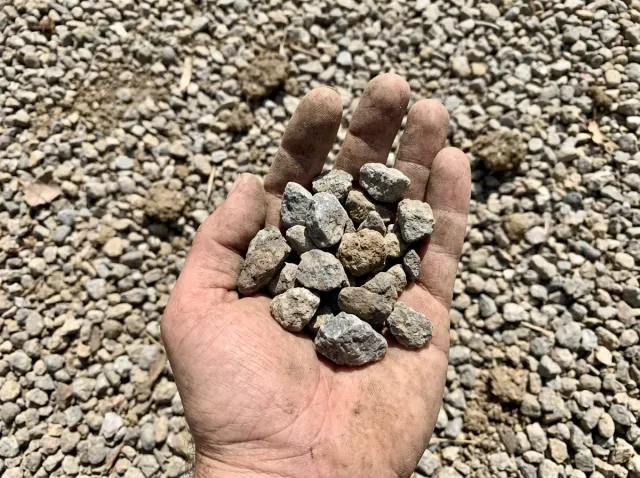
This calculator estimates drainage gravel for French drains, yard drainage, and erosion control. Factors in the 4-6 inch depth most systems need.
Frequently Asked Questions
What is a catch basin, and what is it used for?
A catch basin is an underground drainage structure designed to collect surface water and direct it away from areas where standing water can cause serious damage. You will typically find one at the low point of a driveway, yard, parking lot, or roadway where water naturally pools after a heavy rain. The structure has three main parts working together. First, there is a grated surface inlet that lets water in while blocking large debris like leaves and sticks. Below that sits the basin itself, essentially a box or pit that holds water temporarily and allows sediment to settle to the bottom. Finally, an outlet pipe carries the cleaner water away toward a storm sewer, drainage ditch, or dry well. The sump at the bottom of the basin is what makes this structure so effective. Dirt, sand, and debris settle there instead of flowing into your drainage pipes, which protects the entire downstream system from clogging. That sump is also why getting the gravel base and backfill right during installation matters so much. A properly bedded catch basin with the right drainage stone around it will last for many years with only routine maintenance.
What is the difference between a catch basin and a storm drain?
The two terms get used interchangeably all the time, but there is a meaningful distinction worth understanding before you plan your drainage project. A storm drain refers broadly to any system built to move stormwater away from a surface. That includes pipes, channels, roadside gutters, and various inlet structures. A catch basin is a specific type of stormwater structure that adds a sump below the outlet pipe opening. That sump is the defining feature. It gives sediment, sand, and debris a place to collect before water exits through the outlet, which protects the pipes downstream from gradual clogging. Here is a simple way to think about it: all catch basins are part of a storm drain system, but not all storm drains include a catch basin. If you are installing drainage on your property and want a system that holds up over time with less maintenance on the pipes, a catch basin is the better choice. The gravel base and backfill around the basin play a big role in how well and how long the whole system performs.
What are the two main types of catch basins?
The two types most commonly referenced in construction are Type 1 and Type 2, and the difference comes down to size and the load they are designed to handle. A Type 1 catch basin is the smaller of the two, typically up to 48 inches in diameter or internal width. It is built for residential and light commercial drainage situations, things like a backyard drainage system, a residential driveway, or a small parking area where foot traffic and light vehicles are the norm. A Type 2 catch basin is larger and engineered to handle higher volumes of water and heavier surface loads, including heavy trucks and equipment. You will see Type 2 structures used in municipal, commercial, and industrial drainage systems where the demands are simply greater. For most homeowners reading this, a Type 1 catch basin is going to be the right fit. The important thing to know is that both types depend on a solid gravel foundation and clean stone backfill to stay stable, drain properly, and avoid settling over time. That is the part of the project where getting the right bulk aggregate makes all the difference.
Do you need gravel under and around a catch basin?
Yes, and skipping it is one of the most common reasons a catch basin fails within a few years of installation. Gravel serves two distinct and critical functions in this application, one beneath the basin and one around it. Below the catch basin, a compacted gravel bed, typically 6 to 12 inches deep depending on your site conditions, gives the structure a stable and level foundation. Without that base, the basin is resting on native soil that can shift, compress, or wash out over time. When that happens, the basin can tilt, the grate can separate from the inlet frame, and the outlet pipe connection can crack or come apart entirely. Around the sides of the basin, gravel backfill allows water to drain freely through the surrounding area rather than building up pressure against the basin walls. That drainage also reduces soil saturation around the structure, which helps it stay put. The right material for both of these uses is clean, coarse crushed stone with little to no fine particles. The open voids between the stones are what make it work. If you fill those voids with fine material, water has nowhere to go, and you end up with a drainage structure that does not drain.
What type of gravel works best for a catch basin installation?
For a catch basin installation, you want clean, open-graded crushed stone. That means angular crushed rock that has been screened or washed to remove fine particles, dust, and small material. Because there are very few fines present, the spaces between the stones stay open and water moves through freely. That is exactly what you need in a drainage application. The angular shape of crushed stone also matters. Angular pieces interlock and stay in place under load, which keeps your gravel bed stable even as the basin above it settles and the soil around it shifts with seasonal changes. Smooth or rounded stones, like pea gravel or river rock, tend to shift more easily and are not the best choice for a structural base under a heavy drainage box. If you are not sure which specific product is the right call for your project, reach out to the Hello Gravel team before you order. We can help you identify the right aggregate for your drainage setup and make sure you are not ordering material that will underperform once it is in the ground.
More Project Calculators

Playground Calculator
This calculator estimates mulch, rubber, or wood fiber surfacing for playgrounds. Enter area and recommended depth to get cubic yards and tons.
Chicken Coop Calculator
Use this calculator to estimate how much gravel your coop base requires. Input dimensions and depth for volume in cubic yards and stone type guidance.
Basketball Court Calculator
Court base calculator — estimate gravel, sand, and sub-base quantities for backyard or regulation basketball courts. Input court size for material totals.

Tennis Court Calculator
Use this calculator to estimate the crushed stone base for a new or resurfaced tennis court. Enter dimensions and depth for volume and tonnage.
Delivery Logistics & Truck Info
Know your delivery options and access requirements before scheduling your order.
Truck Capacities
- Standard Dump Truck10–14 tons
- Tandem Axle14–18 tons
- Semi End Dump20–25 tons
A standard cubic yard weighs approximately 2,000–2,700 lbs depending on material and moisture.
Site Access Requirements
- Trucks require a minimum 12-ft wide, overhead-clear access path
- Soft ground or slopes over 10% may limit truck access — contact us before ordering
- Ensure no underground utilities or irrigation lines are in the drop zone
- Mark your desired drop location clearly before delivery
Important Notes
- Delivery estimates are based on available inventory and route proximity
- Minimum order quantities apply — typically 5 cubic yards or 1 truckload
- Material certification is available upon request for permitted projects
- Always confirm local ordinances before major material placement