
Carport Calculator
— How Much Do You Need?
Estimate truckload quantities of gravel, base stone, and sand for sturdy, well-drained carport base.
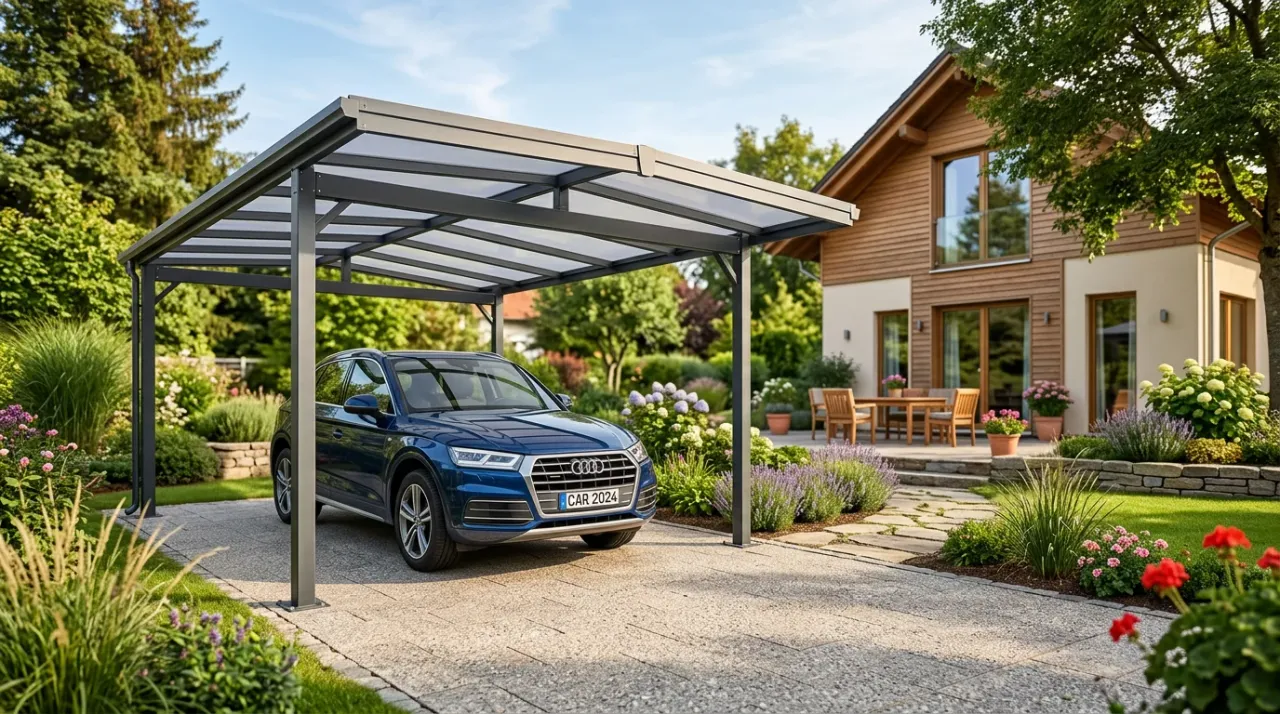
How to Use This Carport Calculator
Planning a carport requires precise measurements to ensure you order enough material without overspending.
- 1 Measure Area: Measure the length and width of your planned carport area in feet.
- 2 Determine Depth: For most carport projects, a depth of 4 to 6 inches is recommended for stability.
- 3 Review Results: The calculator provides both cubic yards (for bulk volume) and tons (for ordering weight).
Common Materials for Carports
Proper material selection for a carport foundation ensures adequate load-bearing capacity, compaction stability, and drainage slope to protect the slab and structure from settlement or water intrusion.
| Material | Description | Best For | Est. Cost |
|---|---|---|---|
| Crusher Run (QP) | A blend of crushed stone and stone dust ranging from 3/4-inch down to fines, producing a self-compacting, densely packed base. | Sub-Base Compaction, Load Distribution, Slab Base Prep | $ |
| #57 Crushed Stone | Clean, angular 3/4-inch crushed stone with minimal fines that locks together under compaction and drains freely. | Base Layer, Drainage, Slab Foundation | $$ |
| Coarse Sand (Mason Sand) | Washed, fine-to-medium angular sand particles used as a uniform, screeable leveling layer. | Leveling Layer, Slab Bedding, Fine Grade | $ |
| Fill Dirt | Unscreened native or imported soil used in bulk to raise or re-grade a site before aggregate base installation. | Site Elevation, Bulk Grading, Limited Use | $ |
Understanding the Cost
Several factors influence the final price of your carport project.
Material Volume
The dimensions of your project directly dictate the tonnage needed. Deeper bases require significantly more material.
Delivery Distance
Transport logistics play a major role. Being closer to the quarry or depot reduces delivery fees significantly.
Material Type
Decorative stones cost more than utility grades. Choose based on your project's functional and aesthetic requirements.
Recommended Products for Your Carport

Gravel Calculator
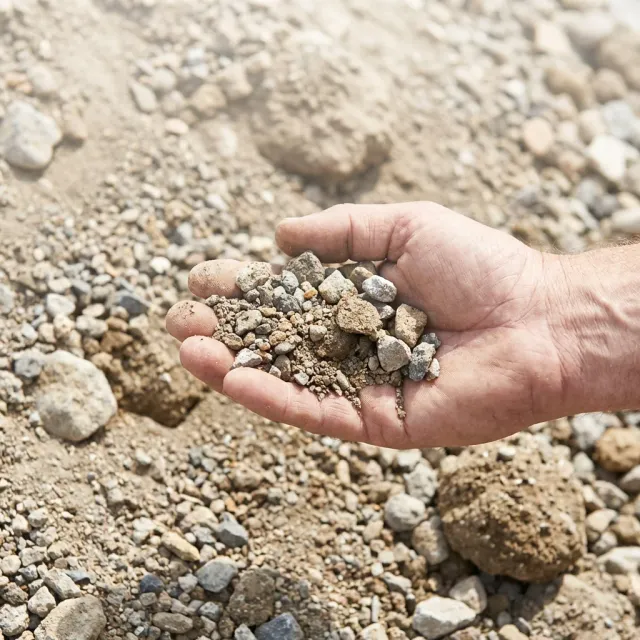
This gravel calculator estimates cubic yards, tons, and coverage for any area. Enter dimensions and depth for driveways, patios, paths, and landscaping.
Road Base Calculator
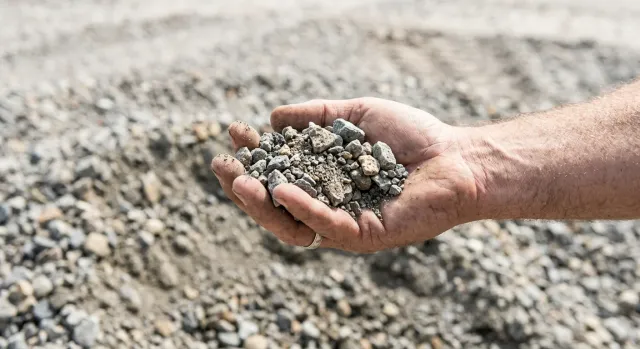
Road base calculator — enter length, width, and depth to estimate volume and tonnage for crushed limestone, recycled concrete, and aggregate base.
Crusher Run Calculator
Crusher run calculator — enter width, length, and thickness to estimate cubic yards and tons for a solid, compactable driveway or parking pad base.
Concrete Sand Calculator
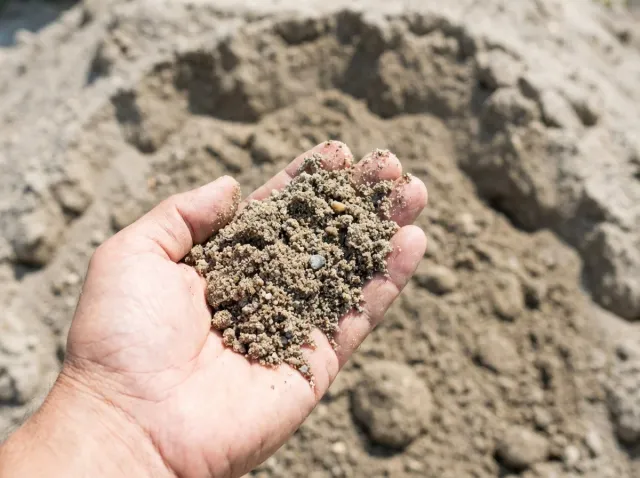
Concrete sand calculator — estimate volume and weight based on your project's length, width, and depth. Results in cubic yards and tons, ready for ordering.
Frequently Asked Questions
What gravel or aggregate do I need for a carport project?
The right material depends on what you want your carport floor to look like when the project is done. You have two main paths. If you are pouring a concrete pad under your carport, you need a compacted base layer underneath it first. Crusher run, also called dense-graded aggregate or road base, is the go-to choice for this. It packs down tightly, locks in place, and gives your concrete a stable, well-drained foundation. Without a solid base, concrete can crack and shift over time, especially in climates with freeze-thaw cycles. If you want a gravel surface and skip the concrete entirely, crushed stone or compacted gravel works very well. A gravel carport floor drains naturally, handles vehicle traffic without issue, and costs significantly less than a poured slab. Many homeowners choose this route for a standalone carport and are happy with the results. In either case, Hello Gravel can deliver the base or surface material you need by the truckload, directly to your property. If you are also grading or filling around the carport footprint, we carry fill dirt and topsoil for those surrounding areas too. Use the Hello Gravel calculator to figure out how much material your specific project requires, or reach out to the team and we will help you sort it out.
How much gravel or base material do I need for a carport pad?
The amount you need depends on the size of your carport and how deep you want to go. Here are two common sizes to give you a practical starting point. A standard single-car carport is typically around 12 feet wide by 20 feet long, which gives you 240 square feet of surface area. At 4 inches of compacted depth, that comes out to roughly 4 to 5 tons of crusher run or compacted gravel. If you want a more robust 6-inch base, plan on closer to 6 to 7 tons for the same footprint. A double-car carport usually runs about 20 feet wide by 20 feet long, or 400 square feet. At 4 inches deep, you are looking at approximately 7 to 8 tons of material. At 6 inches, budget for around 10 to 11 tons. These are estimates at standard compacted depths, and your actual project may vary based on your soil conditions, whether you are adding a sub-base layer, and the exact dimensions of your structure. The Hello Gravel calculator is the fastest way to get a precise number for your specific measurements. Plug in your length, width, and depth, and it will give you a reliable tonnage estimate so you order what you need and nothing more.
Is a gravel surface a practical choice for a carport floor?
Yes, and it is one of the most popular choices for good reason. A gravel carport floor is less expensive than a poured concrete slab, easier and faster to install, and it drains naturally so you do not have to worry about water pooling under your vehicle. For the best result, you want a material that will stay compact under repeated vehicle traffic. Crusher run is the top performer here because it contains a mix of crushed stone and fine particles that bind together when compacted. Once it settles, it holds firm and does not shift or scatter the way loose pea gravel might under tire pressure. If you want a cleaner finished look on the surface, some homeowners do a two-layer approach: a compacted crusher run base layer topped with a few inches of clean crushed stone. This gives you both stability underneath and a neat, attractive surface on top. The main practical consideration is that a gravel surface does require occasional topping off as material naturally disperses or settles over time. That said, ordering a truckload through Hello Gravel is a straightforward process, so maintaining your carport floor down the road is easy and affordable. Check the calculator or contact the Hello Gravel team to see how much material makes sense for your setup.
What depth of base material should I use under a carport?
The right depth depends on what is going on top of it and what your soil is like beneath it. If you are laying a gravel surface that will be driven on regularly, a minimum of 4 inches of compacted base material is a good starting point. For heavier vehicles like trucks or SUVs, or if your soil is soft and prone to shifting, stepping up to 6 inches will give you noticeably better long-term performance. If you are pouring a concrete slab on top of your base, most concrete contractors recommend at least 4 inches of compacted aggregate underneath. In areas with cold winters and freeze-thaw ground movement, some builders prefer 6 inches to reduce the risk of the slab heaving or cracking over time. If your native soil is particularly soft, clay-heavy, or poorly drained, you may want to excavate a few extra inches and start with a coarser sub-base layer before adding your finish base material. This adds a little to the overall quantity but pays off in durability. When you use the Hello Gravel calculator, enter the depth you have decided on along with your pad dimensions, and it will calculate the tonnage automatically. If you are unsure what depth makes sense for your soil and project, the Hello Gravel team is happy to talk through the details with you.
Do I need a permit to build a carport?
It depends on where you live and what you are building. Permit requirements for carports vary widely from one municipality to another, so there is no single national rule that applies to everyone. In general, smaller open-sided structures are less likely to trigger a permit requirement than a full enclosed garage. Many local codes set a size threshold, such as 200 square feet, below which a simple carport might not require a permit. However, if you are attaching the carport to your house, adding electrical, or building in a neighborhood with a homeowners association, the rules often become more involved. The safest move is to check with your local building department before you start ordering materials or breaking ground. A quick call or a look at your city or county's website can tell you exactly where you stand. Some jurisdictions make this very easy and can approve a simple carport quickly. Others require a formal review process with drawings and inspections. Getting the permit question answered early means you can move forward with confidence, and knowing your approved footprint helps you order the right amount of base material from Hello Gravel without guessing. Once you know your dimensions, the calculator will handle the math.
More Project Calculators
Playground Calculator
This calculator estimates mulch, rubber, or wood fiber surfacing for playgrounds. Enter area and recommended depth to get cubic yards and tons.
Chicken Coop Calculator
Use this calculator to estimate how much gravel your coop base requires. Input dimensions and depth for volume in cubic yards and stone type guidance.
Basketball Court Calculator
Court base calculator — estimate gravel, sand, and sub-base quantities for backyard or regulation basketball courts. Input court size for material totals.
Tennis Court Calculator
Use this calculator to estimate the crushed stone base for a new or resurfaced tennis court. Enter dimensions and depth for volume and tonnage.
Delivery Logistics & Truck Info
Know your delivery options and access requirements before scheduling your order.
Truck Capacities
- Standard Dump Truck10–14 tons
- Tandem Axle14–18 tons
- Semi End Dump20–25 tons
A standard cubic yard weighs approximately 2,000–2,700 lbs depending on material and moisture.
Site Access Requirements
- Trucks require a minimum 12-ft wide, overhead-clear access path
- Soft ground or slopes over 10% may limit truck access — contact us before ordering
- Ensure no underground utilities or irrigation lines are in the drop zone
- Mark your desired drop location clearly before delivery
Important Notes
- Delivery estimates are based on available inventory and route proximity
- Minimum order quantities apply — typically 5 cubic yards or 1 truckload
- Material certification is available upon request for permitted projects
- Always confirm local ordinances before major material placement