
Bioswale Calculator
— How Much Do You Need?
Easily estimate topsoil, drainage rock, sand, and mulch needed for your bioswale — bulk delivery.
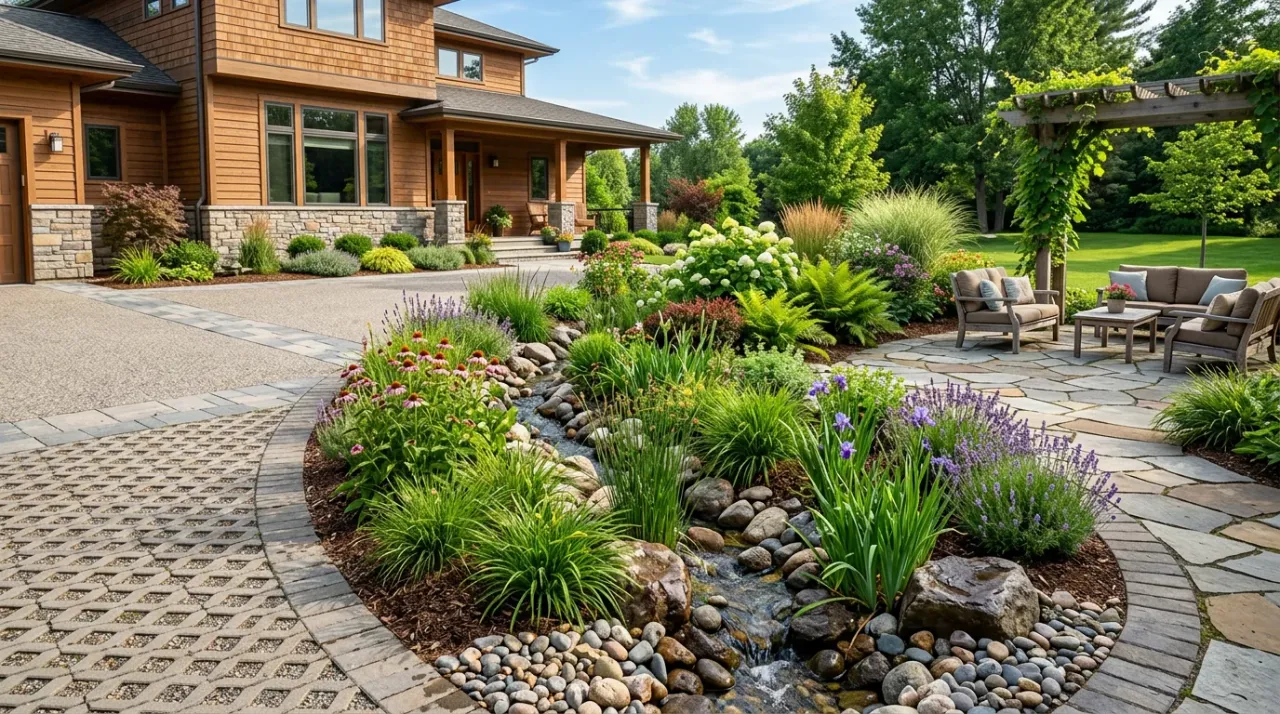
How to Use This Bioswale Calculator
Planning a bioswale requires precise measurements to ensure you order enough material without overspending.
- 1 Measure Area: Measure the length and width of your planned bioswale area in feet.
- 2 Determine Depth: For most bioswale projects, a depth of 4 to 6 inches is recommended for stability.
- 3 Review Results: The calculator provides both cubic yards (for bulk volume) and tons (for ordering weight).
Common Materials for Bioswales
Selecting the right filtration and soil materials is critical to a bioswale's ability to drain efficiently, remove pollutants, and sustain vegetation without clogging over time.
| Material | Description | Best For | Est. Cost |
|---|---|---|---|
| #57 Crushed Stone | Angular, ¾-inch crushed stone with open voids that allow rapid water movement and resist compaction. | Subsurface Filtration Layer, Underdrain Pipe Bedding, Gravel Filter Bed | $ |
| Scoria (Volcanic Rock) | Lightweight, highly porous volcanic rock typically ½ to ¾ inch in diameter with a rough, vesiculated surface. | Subsurface Filtration Layer, High-Drainage Zones, Alternative to Crushed Stone | $$ |
| Engineered Soil Mix | A blended growing medium of loamy soil, sand, and compost or organic amendments formulated for balanced infiltration and plant support. | Top Vegetation Layer, Plant Establishment, Infiltration Support | $$ |
| Coarse Sand | Clean, angular to sub-rounded sand particles typically 0.5–2 mm in diameter with minimal fines content. | Soil Mix Amendment, Infiltration Improvement, Limited Use as Stand-Alone Layer | $ |
Understanding the Cost
Several factors influence the final price of your bioswale project.
Material Volume
The dimensions of your project directly dictate the tonnage needed. Deeper bases require significantly more material.
Delivery Distance
Transport logistics play a major role. Being closer to the quarry or depot reduces delivery fees significantly.
Material Type
Decorative stones cost more than utility grades. Choose based on your project's functional and aesthetic requirements.
Recommended Products for Your Bioswale
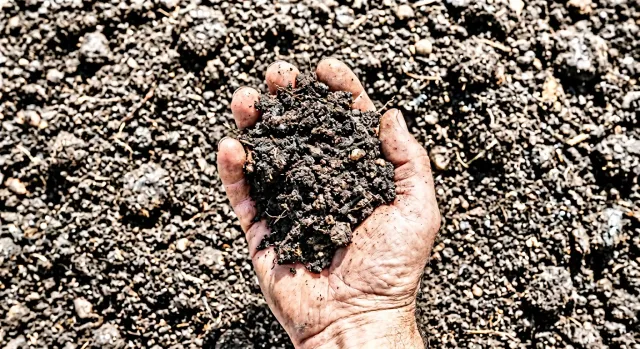
Topsoil Calculator
Topsoil calculator that estimates cubic yards and tons from your area and depth. Supports raised beds, gardens, new lawns, and grading projects.
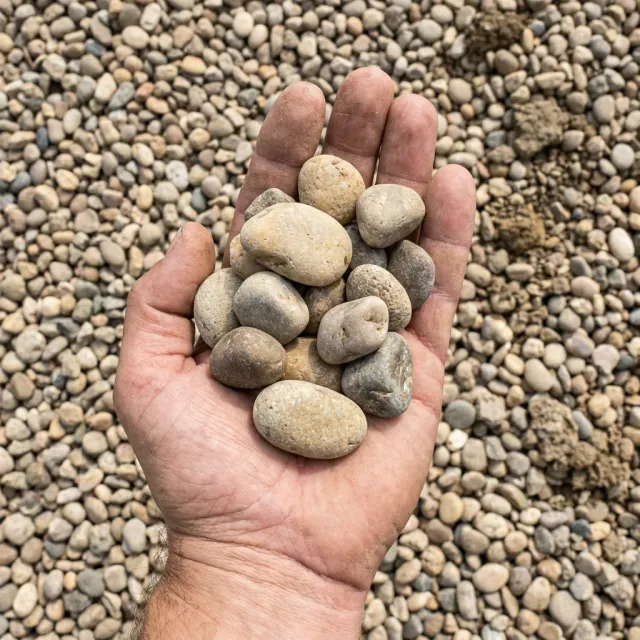
River Rock Calculator
This calculator estimates river rock by the ton for flowerbeds, dry creek beds, and borders. Adjusts for rock size — larger stones cover less per ton.
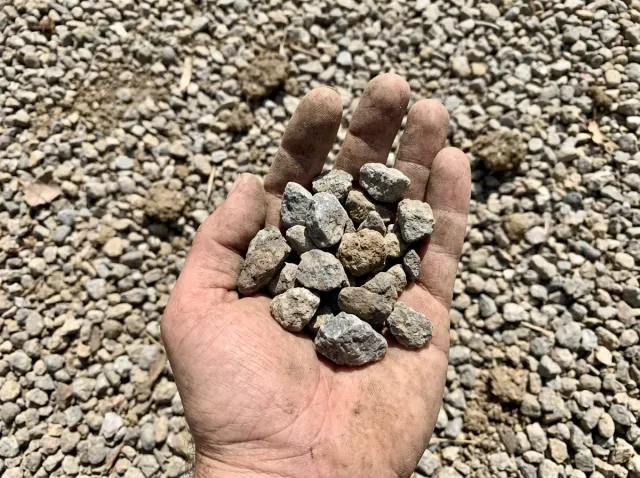
Drainage Rock Calculator
This calculator estimates drainage gravel for French drains, yard drainage, and erosion control. Factors in the 4-6 inch depth most systems need.
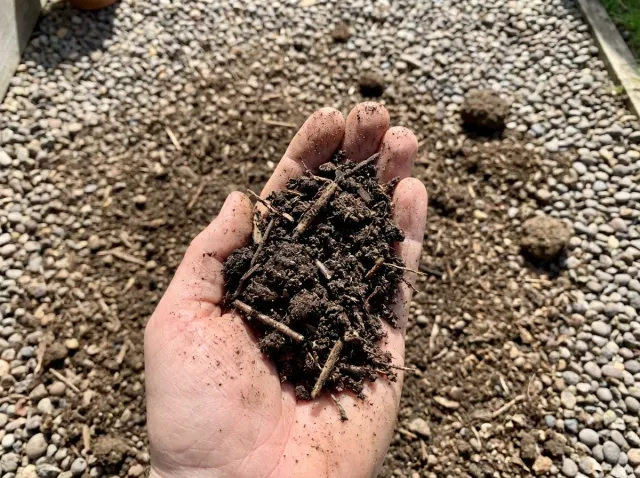
Compost Calculator
Estimate compost volume with this calculator for top-dressing, soil amendment, or new beds. Enter your square footage and desired depth for cubic yards.
Frequently Asked Questions
What is a bioswale and what is it used for?
A bioswale is a shallow, vegetated channel designed to manage stormwater runoff. When rain falls on hard surfaces like driveways, parking lots, or rooftops, water picks up speed and carries pollutants like oil, fertilizer, and sediment along with it. A bioswale intercepts that runoff, slows it down, filters out contaminants through engineered layers of aggregate and soil, and allows the cleaner water to soak back into the ground. You will find bioswales along roadsides, at the edges of parking lots, around commercial buildings, and in residential yards where drainage is a recurring problem. They are one of the most practical tools in stormwater management because they work with the natural water cycle rather than fighting it. If your property deals with pooling water, runoff erosion, or water quality concerns, a bioswale is worth serious consideration.
What is the difference between a swale and a bioswale?
A standard swale is simply a shallow, graded channel that redirects water from one location to another. It might just be shaped earth or a strip of turf. A bioswale does the same job but adds layers of engineered aggregate and carefully selected vegetation that actively filter pollutants and encourage water to infiltrate the soil rather than just move along the surface. Think of a swale as a graded path for water, and a bioswale as a graded path that also acts as a natural filtration system. If you are dealing with runoff that carries sediment or pollutants, or if you want the water to soak in rather than simply redirect somewhere else, a bioswale is the better-performing choice. The aggregate layers are what make the real difference in how well it works.
What is the difference between a bioswale and a rain garden?
Both features manage stormwater and improve water quality, but they function differently. A bioswale is a linear channel meant to carry water from one area to another while filtering it as it moves. A rain garden is a planted depression that collects water from a single point and holds it in place until it soaks into the ground. If you need to manage runoff across a long stretch of landscape, like along a driveway or the edge of a property, a bioswale is typically the right fit. If you have a single downspout or a concentrated low spot where water collects, a rain garden may serve you better. Many larger stormwater systems use both together, with a bioswale feeding into a rain garden at the end of the drainage path.
What aggregate materials does a bioswale require?
A properly built bioswale relies on multiple layers of aggregate working together. The bottom layer is usually a drainage zone filled with clean, washed crushed stone, typically in the 3/4 inch to 1.5 inch range, which allows water to move freely toward a perforated underdrain pipe. Above that sits a filtration layer of coarse sand or sandy growing media that filters fine particles while supporting plant root systems. At the inlet and outlet points where water enters and exits fastest, riprap, river rock, or larger crushed stone prevents erosion and scour from damaging the channel walls. Each layer has a specific job, so using the right aggregate in the right place matters more than most people expect. Hello Gravel can deliver all of these aggregate materials in bulk by the truckload, so you can get everything your project needs without dealing with multiple suppliers.
How much gravel or stone do I need for a bioswale?
The quantity depends on the dimensions of your bioswale and how deep each aggregate layer is designed to be. As a rough starting point, a bioswale that is 50 feet long, 4 feet wide, and 18 inches deep would require approximately 2 to 4 tons of drainage stone for the underdrain layer alone, with additional material needed for the sand filtration layer and any inlet or outlet protection stone. Keep in mind that bioswale depths and layer thicknesses vary based on your site's drainage requirements and local design standards, so those numbers can shift significantly from one project to the next. The best way to get an accurate number is to use the Hello Gravel online calculator with your specific measurements. If you are not sure where to start, the Hello Gravel team is happy to help you work through the quantities for each layer of your build.
More Project Calculators
Playground Calculator
This calculator estimates mulch, rubber, or wood fiber surfacing for playgrounds. Enter area and recommended depth to get cubic yards and tons.
Chicken Coop Calculator
Use this calculator to estimate how much gravel your coop base requires. Input dimensions and depth for volume in cubic yards and stone type guidance.
Basketball Court Calculator
Court base calculator — estimate gravel, sand, and sub-base quantities for backyard or regulation basketball courts. Input court size for material totals.
Tennis Court Calculator
Use this calculator to estimate the crushed stone base for a new or resurfaced tennis court. Enter dimensions and depth for volume and tonnage.
Delivery Logistics & Truck Info
Know your delivery options and access requirements before scheduling your order.
Truck Capacities
- Standard Dump Truck10–14 tons
- Tandem Axle14–18 tons
- Semi End Dump20–25 tons
A standard cubic yard weighs approximately 2,000–2,700 lbs depending on material and moisture.
Site Access Requirements
- Trucks require a minimum 12-ft wide, overhead-clear access path
- Soft ground or slopes over 10% may limit truck access — contact us before ordering
- Ensure no underground utilities or irrigation lines are in the drop zone
- Mark your desired drop location clearly before delivery
Important Notes
- Delivery estimates are based on available inventory and route proximity
- Minimum order quantities apply — typically 5 cubic yards or 1 truckload
- Material certification is available upon request for permitted projects
- Always confirm local ordinances before major material placement