
AC Pad Calculator
— How Much Do You Need?
Estimate concrete, gravel, or base rock quickly for a stable HVAC condenser pad with fast delivery.
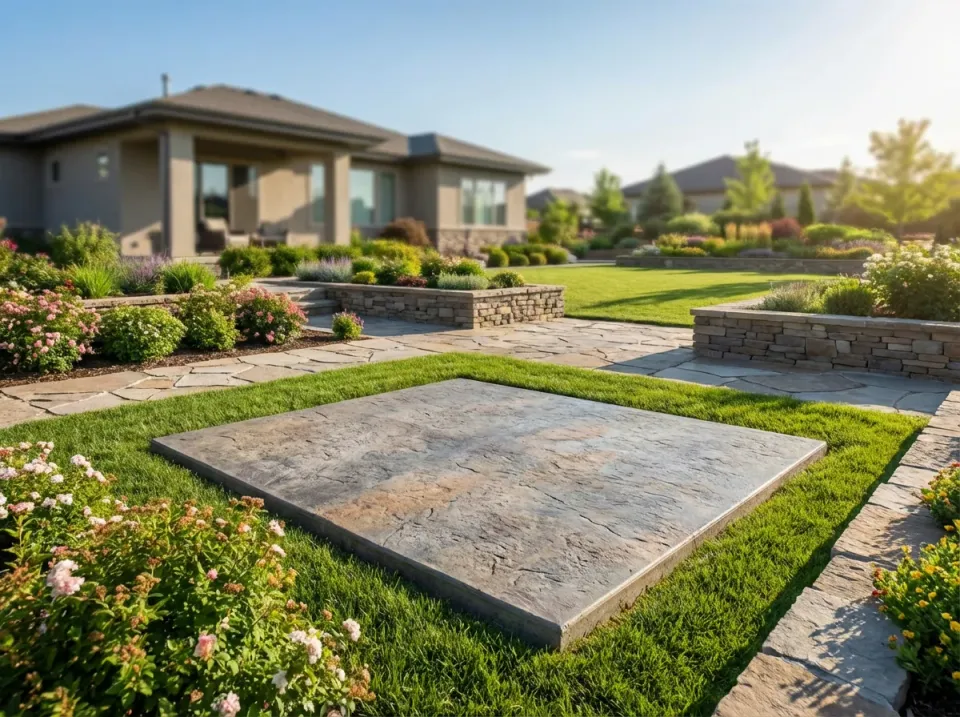
How to Use This AC Pad Calculator
Planning a ac pad requires precise measurements to ensure you order enough material without overspending.
- 1 Measure Area: Measure the length and width of your planned ac pad area in feet.
- 2 Determine Depth: For most ac pad projects, a depth of 4 to 6 inches is recommended for stability.
- 3 Review Results: The calculator provides both cubic yards (for bulk volume) and tons (for ordering weight).
Common Materials for AC Pads
Choosing the right pad material ensures long-term stability, adequate load-bearing capacity, and proper drainage to protect the condenser unit from settling, vibration, and moisture damage.
| Material | Description | Best For | Est. Cost |
|---|---|---|---|
| Pre-Cast Concrete Pad | Factory-formed solid concrete slab, typically 2–4 inches thick, with a dense, smooth or textured surface for grip and durability. | Heavy-Duty Installations, Permanent Placement, Commercial Units, High Load-Bearing | $$ |
| Composite Polymer Pad | Pre-formed slab made from fiberglass or recycled plastic blends, lightweight (20–50 lbs), and resistant to cracking and moisture. | Residential Units, Easy Handling, Crack Resistance, Retrofit Installs | $$ |
| Ready-Mix Concrete | Bulk-delivered Portland cement concrete mix poured in place, yielding a high-strength, monolithic slab when cured. | Custom-Size Pads, Multi-Unit Commercial Sites, Permanent Poured Slabs | $$$ |
| Crusher Run (QP) | Angular crushed stone blended with fines that compacts into a dense, stable sub-base layer. | Sub-Base Leveling, Soft Soil Sites, Not a Finished Pad Surface | $ |
Understanding the Cost
Several factors influence the final price of your ac pad project.
Material Volume
The dimensions of your project directly dictate the tonnage needed. Deeper bases require significantly more material.
Delivery Distance
Transport logistics play a major role. Being closer to the quarry or depot reduces delivery fees significantly.
Material Type
Decorative stones cost more than utility grades. Choose based on your project's functional and aesthetic requirements.
Recommended Products for Your AC Pad
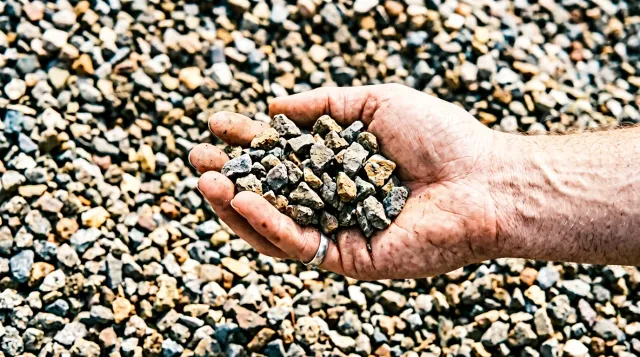
Gravel Calculator
This gravel calculator estimates cubic yards, tons, and coverage for any area. Enter dimensions and depth for driveways, patios, paths, and landscaping.
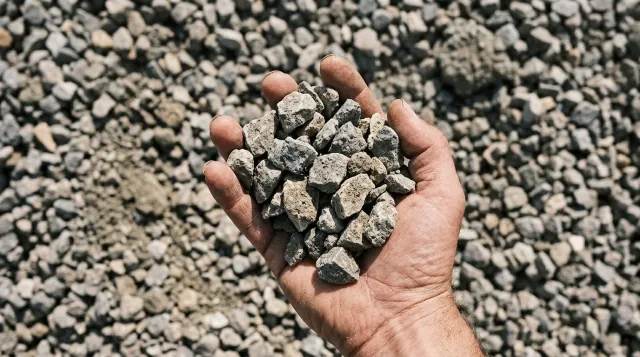
Crushed Stone Calculator
This calculator estimates crushed stone quantity and weight. Enter dimensions for results in cubic feet, cubic yards, and tons with density factored in.
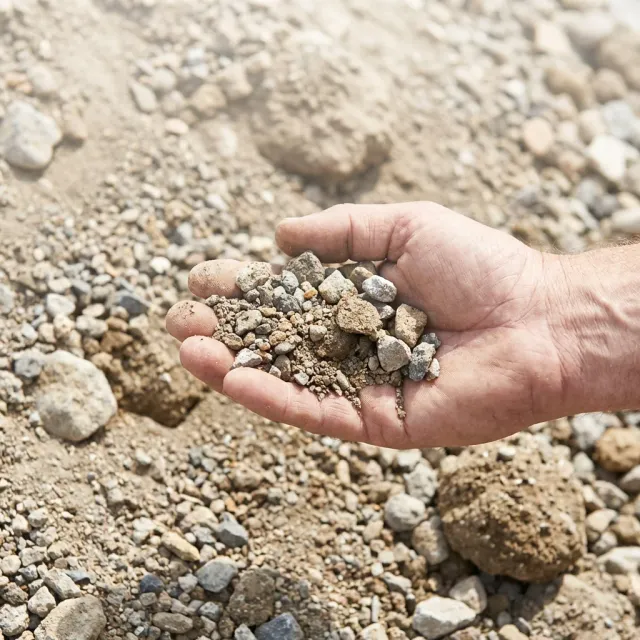
Road Base Calculator
Road base calculator — enter length, width, and depth to estimate volume and tonnage for crushed limestone, recycled concrete, and aggregate base.
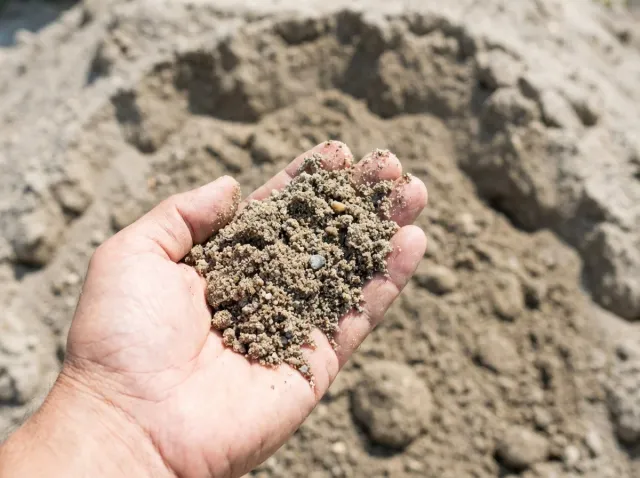
Concrete Sand Calculator
Concrete sand calculator — estimate volume and weight based on your project's length, width, and depth. Results in cubic yards and tons, ready for ordering.
Frequently Asked Questions
What is an AC pad, and why does my outdoor AC unit need one?
An AC pad is a flat, stable base that sits beneath your outdoor air conditioner condenser unit. Its job is to keep the unit level, supported, and protected from the ground beneath it. Your condenser is heavy. Most residential units weigh between 100 and 300 pounds, and they sit outside year-round through rain, frost, and heat. Without a proper base, the soil under the unit can erode or shift, causing the unit to tilt. Even a slight tilt puts stress on the refrigerant lines and the internal components, which can lead to premature wear or a costly repair. Gravel is one of the most popular materials for an AC pad because it compacts firmly, drains water away naturally, and holds its shape for years with minimal upkeep. Unlike bare soil, a well-built gravel pad will not wash out after a heavy rain or heave during a freeze-thaw cycle. It gives your equipment a reliable foundation and helps it run the way it was designed to.
What type of gravel works best for an AC pad?
Crushed stone is the go-to choice for most AC pad projects. Angular crushed gravel, such as 3/4-inch crushed stone, has edges that lock together when compacted. That interlocking action creates a firm, stable surface that resists shifting under the weight of the unit and holds up well through wet and freezing conditions. Pea gravel is another option if you prefer a rounder, cleaner look around the base of your unit. It drains exceptionally well and is easy to work with. The tradeoff is that pea gravel does not compact as tightly as crushed stone, so it works best under lighter units on ground that is already fairly stable. For most homeowners, crushed stone is the stronger long-term choice. If you are unsure which material fits your specific unit size and soil conditions, reach out to the Hello Gravel team and we can point you in the right direction.
How much gravel do I need to build an AC pad?
A standard residential AC pad runs about 3 feet wide by 3 feet long, with a gravel depth of 4 to 6 inches once compacted. At 4 inches deep, that footprint requires roughly 0.3 cubic yards, or just under 500 pounds of gravel. At 6 inches deep, you are looking at closer to 0.5 cubic yards. These are small amounts on their own, and Hello Gravel delivers material by the truckload. Most customers who order for an AC pad roll it into a larger project so they get the most out of a single delivery. If you are planning a driveway refresh, a drainage channel, a garden path, or any other gravel work around your property, it makes good sense to calculate all of it together and place one order. Use the Hello Gravel calculator to enter your pad dimensions alongside any other projects you have in mind. It will give you a precise quantity estimate so you know exactly how much to order. If the numbers raise any questions, the Hello Gravel team is happy to walk through it with you.
How do I build a gravel AC pad?
Building a gravel AC pad is a manageable DIY project that most homeowners can finish in a single afternoon. Start by marking out the pad area. It should extend a few inches beyond the footprint of your condenser unit on all sides, so a 36-inch by 36-inch square is a common target. Then excavate the area to a depth of 4 to 6 inches, removing all grass, roots, and soft or loose soil until you reach firm ground. Once the area is dug out, you can lay a sheet of landscaping fabric across the bottom to keep fine soil from working its way up into your gravel layer over time and to discourage weed growth. This step is optional, but it helps the pad stay cleaner and more stable over the long run. Next, fill the excavated area with your crushed stone in layers of about 2 inches at a time, tamping each layer down firmly before adding the next. A hand tamper works fine for a pad this size, though a plate compactor will give you a more uniform result if you have access to one. Your finished surface should be level and solid with no soft or spongy spots. Set your condenser unit on the completed pad and check that it sits level. Most manufacturers recommend the unit be within a degree or two of level for the system to operate correctly, so take a moment to adjust the gravel beneath it if needed before the unit is fully connected.
How far from my house should I place my outdoor AC unit?
Most HVAC manufacturers recommend at least 18 to 24 inches of clearance between the condenser unit and any wall, fence, or structure. Your condenser pulls air in from the sides and exhausts heat upward, so it needs open space around it to breathe. When airflow is restricted, the unit has to work harder to do the same job, which drives up your energy bills and puts extra strain on the compressor over time. Beyond clearance, think about where water tends to run around your home. You want your gravel pad in a spot that drains well and does not collect runoff from your roof or downspouts. Placing the pad in a low spot or directly under a drip edge will cause water to pool around the unit, which is hard on the equipment regardless of how good your pad material is. Your unit's installation manual will have the manufacturer's specific clearance requirements, and those numbers take priority over general guidelines. When in doubt, give the unit more space rather than less.
More Project Calculators
Playground Calculator
This calculator estimates mulch, rubber, or wood fiber surfacing for playgrounds. Enter area and recommended depth to get cubic yards and tons.
Chicken Coop Calculator
Use this calculator to estimate how much gravel your coop base requires. Input dimensions and depth for volume in cubic yards and stone type guidance.
Basketball Court Calculator
Court base calculator — estimate gravel, sand, and sub-base quantities for backyard or regulation basketball courts. Input court size for material totals.
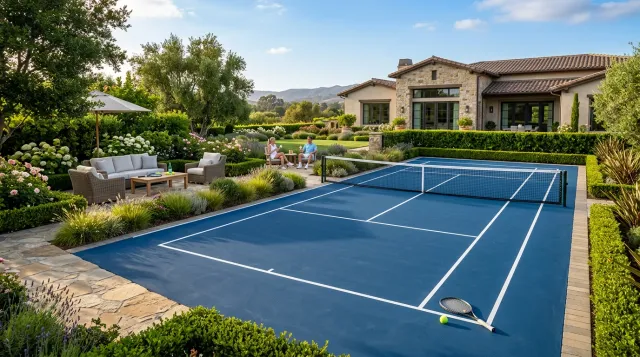
Tennis Court Calculator
Use this calculator to estimate the crushed stone base for a new or resurfaced tennis court. Enter dimensions and depth for volume and tonnage.
Delivery Logistics & Truck Info
Know your delivery options and access requirements before scheduling your order.
Truck Capacities
- Standard Dump Truck10–14 tons
- Tandem Axle14–18 tons
- Semi End Dump20–25 tons
A standard cubic yard weighs approximately 2,000–2,700 lbs depending on material and moisture.
Site Access Requirements
- Trucks require a minimum 12-ft wide, overhead-clear access path
- Soft ground or slopes over 10% may limit truck access — contact us before ordering
- Ensure no underground utilities or irrigation lines are in the drop zone
- Mark your desired drop location clearly before delivery
Important Notes
- Delivery estimates are based on available inventory and route proximity
- Minimum order quantities apply — typically 5 cubic yards or 1 truckload
- Material certification is available upon request for permitted projects
- Always confirm local ordinances before major material placement