Can You Use River Rock for a Fire Pit? Safety Guide and Design Ideas

Published on: December 12, 2025

Get an estimate for your project in 60 seconds

This field is hidden when viewing the form
Security lock iconYour information is secure


Modern fire pit area with river rock surround and comfortable seating

You should not place river rock directly inside your fire pit because it can crack or explode when heated. However, river rock makes an excellent decorative material around your fire pit area for pathways, seating zones, and ground cover. The key is understanding where river rock belongs in your project and which materials work safely inside the actual fire ring.

Safety First: River rock retains moisture and can experience thermal shock when exposed to high heat, potentially causing dangerous cracking or explosive failure. Always use fire-rated materials inside your fire pit.

Here’s what you need to know about using river rock safely in your fire pit project. River rock works beautifully as a decorative surround when installed at least 3 feet from the flame source. For the fire pit interior, stick with fire bricks, lava rock, or fire-rated pavers that can handle extreme temperatures without failing.

Are river rocks safe in a fire pit?

River rocks pose serious safety risks when placed inside fire pits due to their composition and how they react to heat. Understanding these risks helps you make smart choices for your outdoor space.

Why some rocks explode in fire

River rocks naturally absorb and retain moisture from their environment. When this trapped water heats rapidly, it turns to steam and expands quickly inside the rock. This creates internal pressure that can cause the rock to crack violently or even explode, sending hot fragments flying.

The smooth, dense surface of river rock also makes it prone to thermal shock. Unlike porous materials that can gradually release heat, river rock experiences sudden temperature changes that stress its structure. This combination of moisture retention and thermal shock makes river rock unsuitable for direct fire exposure. Similar safety concerns apply to other materials like limestone for fire pit areas and marble chips in fire pit projects.

When river rock becomes dangerous

Never place river rock inside your fire ring, as the base layer, or within 2-3 feet of active flames. Even “dry” river rock can contain hidden moisture that becomes dangerous when heated. Concrete blocks and wet fieldstone present similar risks and should also be avoided in fire pit construction.

Cross-section diagram showing safe vs unsafe zones for river rock around fire pit

Where river rock works perfectly

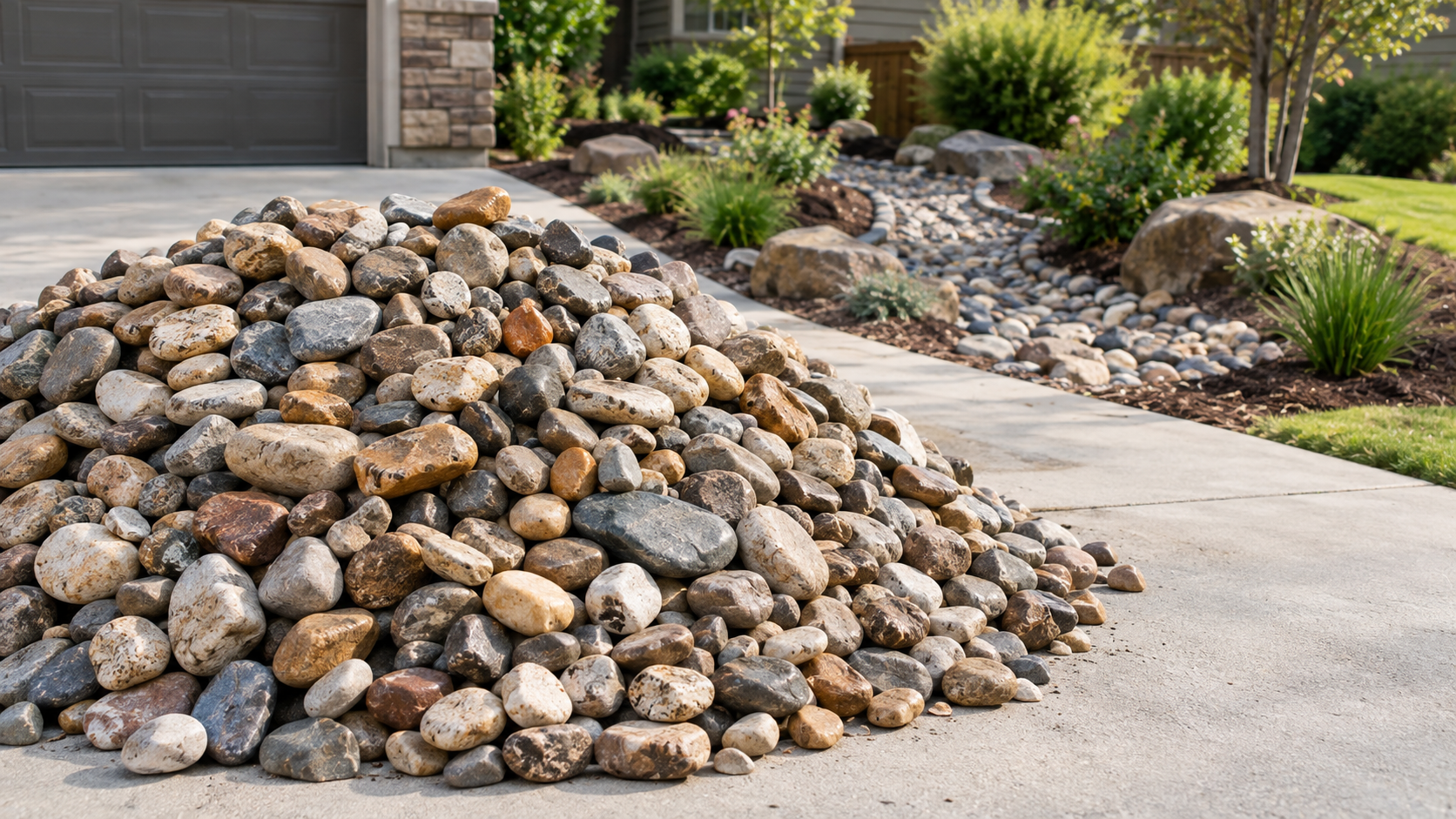
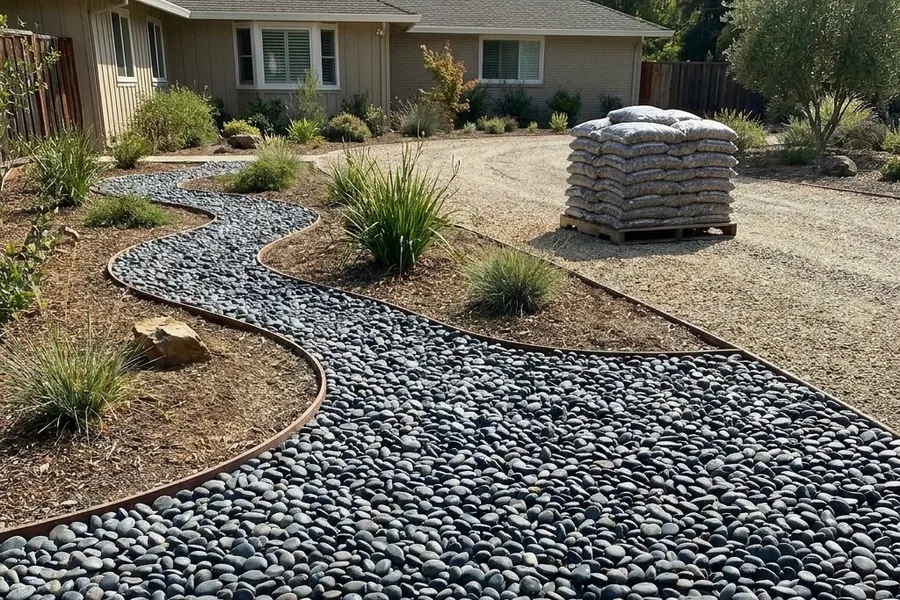
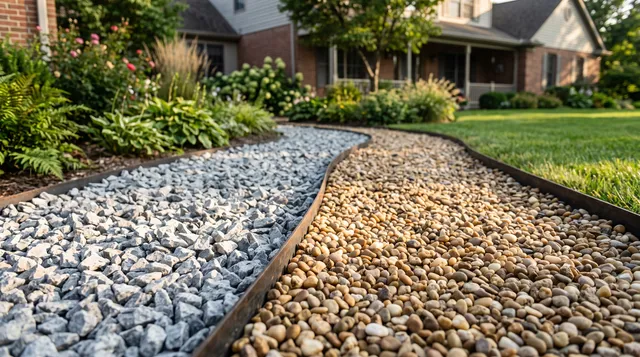
River rock excels in the surrounding area where temperatures remain moderate. Use it for decorative borders, walkways leading to your fire pit, and seating area ground cover. These applications let you enjoy river rock’s natural beauty while maintaining safety standards. If you’re looking for alternatives, consider pea gravel for fire pit surrounds, which offers similar aesthetic appeal with better drainage properties.

Best rocks to use inside a fire pit

Choosing the right materials for your fire pit interior ensures safety and longevity. Fire-rated materials handle extreme heat without cracking or releasing dangerous fragments.

Recommended fire-safe materials

Fire bricks top the list for fire pit construction because they’re specifically designed to withstand high temperatures. Lava rock works excellently as both decoration and heat distribution, while fire-rated pavers provide a clean, finished look. Crushed granite offers good drainage and heat resistance for base layers. For those exploring volcanic options, volcanic rock for fire pit areas provides excellent heat resistance and natural aesthetics.

Pro Tip: Always check that materials are specifically rated for fire pit use. Generic concrete blocks and natural stones may look similar but lack the thermal properties needed for safe operation.

Materials to avoid completely

Stay away from river rock, regular concrete blocks, and any stone that feels heavy or dense. Wet fieldstone, sandstone, and limestone can all retain moisture and fail under heat. If you’re unsure about a material’s fire rating, choose something explicitly designed for high-temperature applications.

How to use river rock around your fire pit

Creating a beautiful river rock surround requires proper planning and installation techniques. Follow these steps to build a safe and attractive fire pit area.

Planning your layout and clearances

Start by marking a circle at least 6 feet wider than your fire pit on all sides. This creates your river rock zone while maintaining safe clearances from flames. Consider traffic flow, seating placement, and how the area connects to existing landscaping.

Choose river rock sizes between 1-3 inches for the best balance of stability and appearance. Smaller rocks can shift underfoot, while larger stones may create uneven surfaces. Plan for a 2-3 inch depth of river rock over your prepared base.

Preparing the foundation

Clear all vegetation and debris from your marked area, then level the ground with a rake. Install landscape fabric to prevent weeds from growing through your river rock. This barrier also helps maintain clean lines between different materials.

Add a 1-2 inch base layer of compacted gravel or sand for drainage and stability. This foundation prevents river rock from sinking into soft soil and creates a more permanent installation. For comprehensive guidance on base preparation, check out using crushed stone as a base for outdoor projects.

Installing your river rock surround

Spread river rock evenly across your prepared area, working from the outside edges toward the fire pit. Use a rake to achieve consistent depth and smooth any high or low spots. Walk across the area to test for stability and add more rock where needed.

Install edging materials like steel strips or stone borders to keep river rock contained. This prevents migration into lawn areas and maintains clean, defined edges around your fire pit space.

Step-by-step installation process showing ground prep fabric and river rock placement

Design ideas for river rock fire pit areas

River rock offers versatility for creating different styles and atmospheres around your fire pit. These design approaches help you match your outdoor space’s existing character.

Modern minimalist approach

Combine river rock with concrete pavers in geometric patterns for a contemporary look. Use larger, uniform river rock in neutral grays or blacks, and incorporate steel fire rings with clean lines. Add built-in seating with river rock surrounds for a cohesive, upscale appearance.

Rustic natural style

Mix different sizes of river rock to create a more organic, creek-bed appearance. Pair with natural stone fire rings and wooden seating for an authentic outdoor feel. Include native plants around the edges to blend your fire pit area with the surrounding landscape. For additional natural stone options, explore bluestone for fire pit area projects.

Family-friendly safety zone

Create a wide river rock area extending 8-10 feet from your fire pit for active families. This generous safety buffer accommodates children playing while providing stable footing for adults. Use medium-sized river rock that won’t shift easily under foot traffic.

Getting the right amount of river rock

Calculating your river rock needs accurately saves money and ensures you have enough material to complete your project properly.

Area Size Rock Depth Approximate Tons Needed
10×10 feet 2 inches 1.5 tons
15×15 feet 2 inches 3.5 tons
20×20 feet 3 inches 7.5 tons

Use this simple formula for custom calculations: multiply length × width × depth (in feet), then divide by 12 to get cubic yards. One cubic yard of river rock typically weighs 1.3-1.7 tons, depending on rock density and size.

Budget Smart: Order 10% extra river rock to account for settling and future touch-ups. Having matching material on hand makes maintenance much easier.

For most fire pit surrounds, plan on 2-3 inches of depth for good coverage and stability. Deeper installations work better for high-traffic areas but require more material and cost. If you’re planning multiple outdoor projects, consider how river rock works for patio bases or river rock for walkway foundations to maximize your material investment.

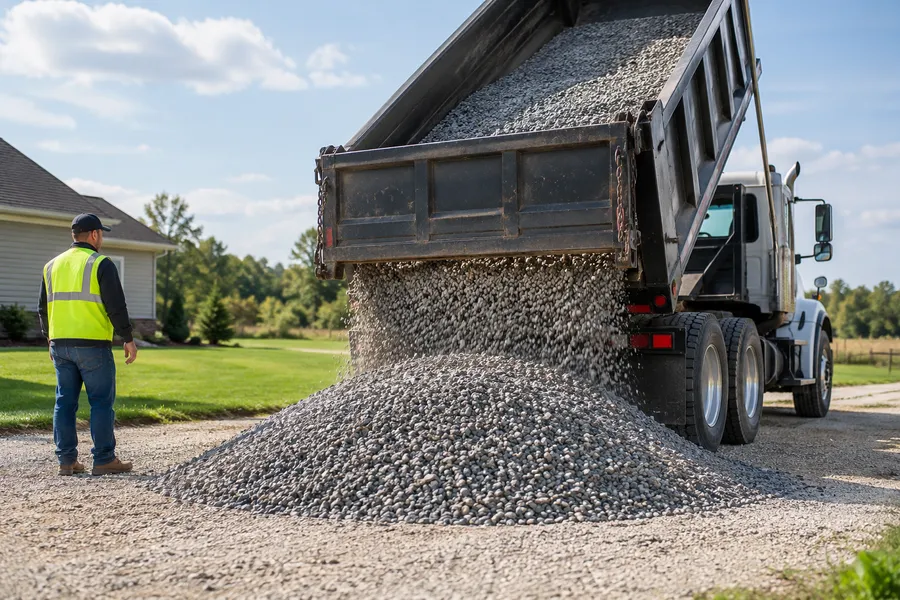
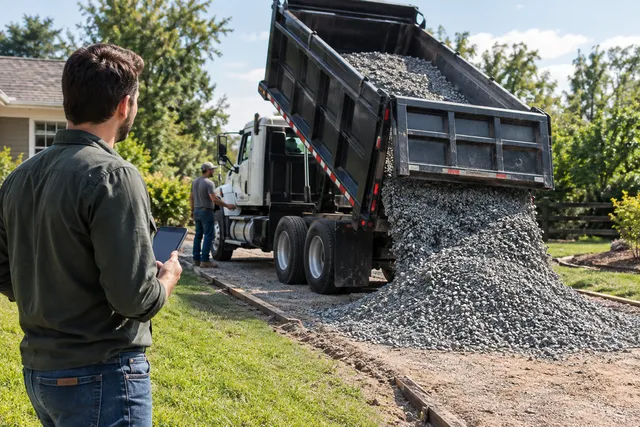
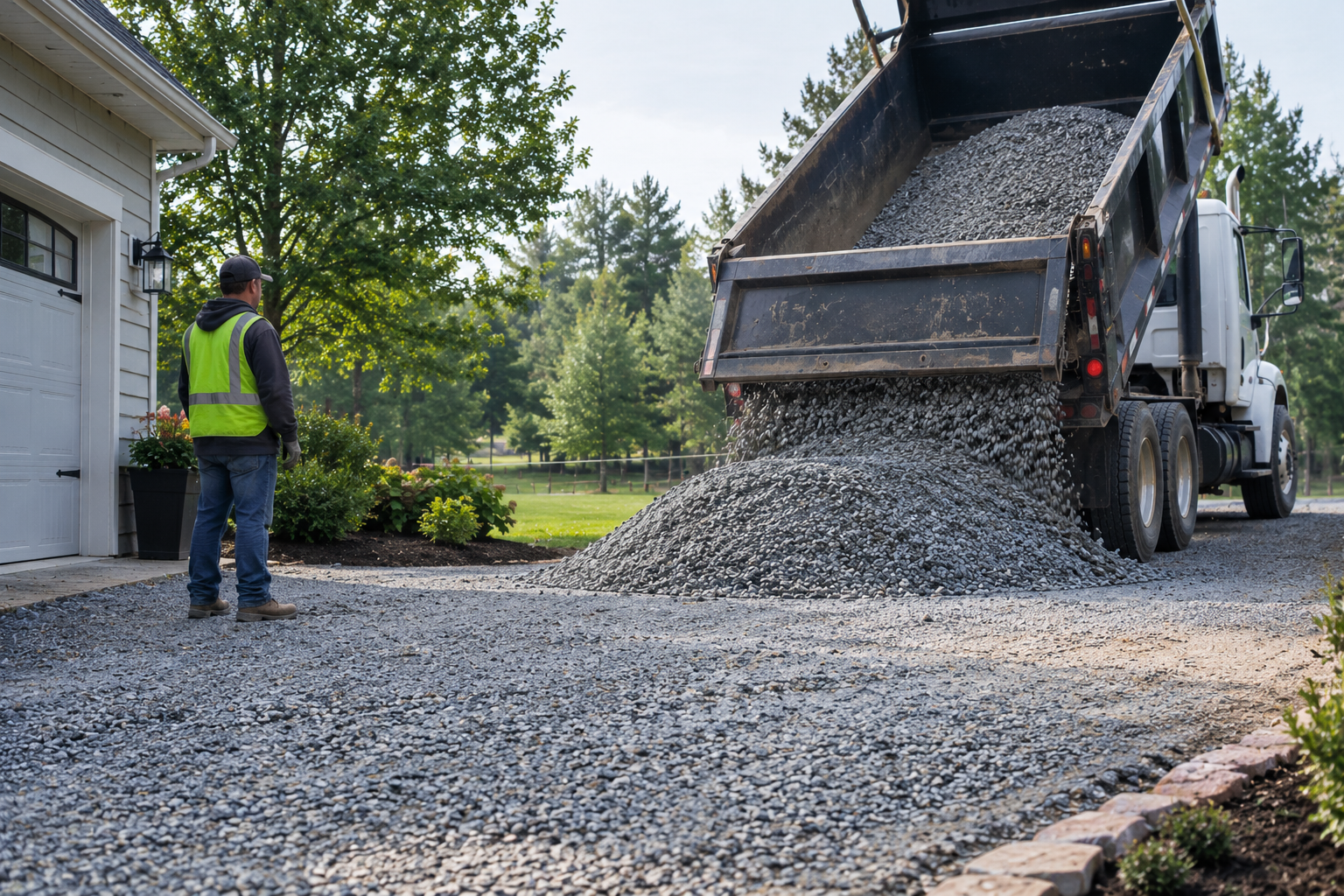
Hello Gravel offers bulk river rock delivery with various size options to match your project needs. Their online quote system helps you calculate exact quantities and delivery costs for your specific area.

River rock transforms ordinary fire pit areas into attractive outdoor gathering spaces when used correctly. Remember to keep river rock away from direct flame exposure while taking advantage of its beauty in surrounding areas. With proper planning and installation, your river rock fire pit surround will provide years of safe enjoyment for family and friends.

Start planning your river rock fire pit project today by measuring your space and exploring design options that match your outdoor living goals.

Frequently Asked Questions About River Rock Fire Pits

Will river rocks explode in a fire?

Yes, river rocks can crack or explode when exposed to high heat because they naturally absorb and retain moisture from their environment. When this trapped water heats rapidly, it turns to steam and expands quickly inside the rock, creating internal pressure that can cause violent cracking or explosive failure. This is why river rocks should never be placed directly inside your fire pit or within the flame zone.

What rocks are safe to use inside a fire pit?

Fire bricks, lava rock, and fire-rated pavers are the safest materials for inside your fire pit because they’re specifically designed to withstand extreme temperatures without cracking. Crushed granite also works well for base layers due to its heat resistance and drainage properties. Always avoid river rock, regular concrete blocks, sandstone, and limestone inside the fire ring as these materials can retain moisture and fail under high heat.

How much river rock do I need for my fire pit area?

To calculate river rock needs, multiply your area’s length × width × depth (in feet), then divide by 12 to get cubic yards. For most fire pit surrounds, plan on 2-3 inches of depth. As a general guide: a 10×10 foot area needs about 1.5 tons, a 15×15 foot area needs 3.5 tons, and a 20×20 foot area needs 7.5 tons. Order 10% extra to account for settling and future maintenance.

Can I use river rock with a gas fire pit?

River rock works excellently around gas fire pits as decorative ground cover, but should never be placed inside the fire bowl or over gas burner ports. Gas fire pits require specific fire-rated media like lava rock or fire glass inside the burner area. Use river rock in the surrounding seating area, maintaining at least 3 feet clearance from the gas flames for safety and optimal performance.

Author: igor