What Is Loamy Sand Soil: Definition, Characteristics, and Best Uses
Published on: December 10, 2025
Get an estimate for your project in 60 seconds
 Your information is secure
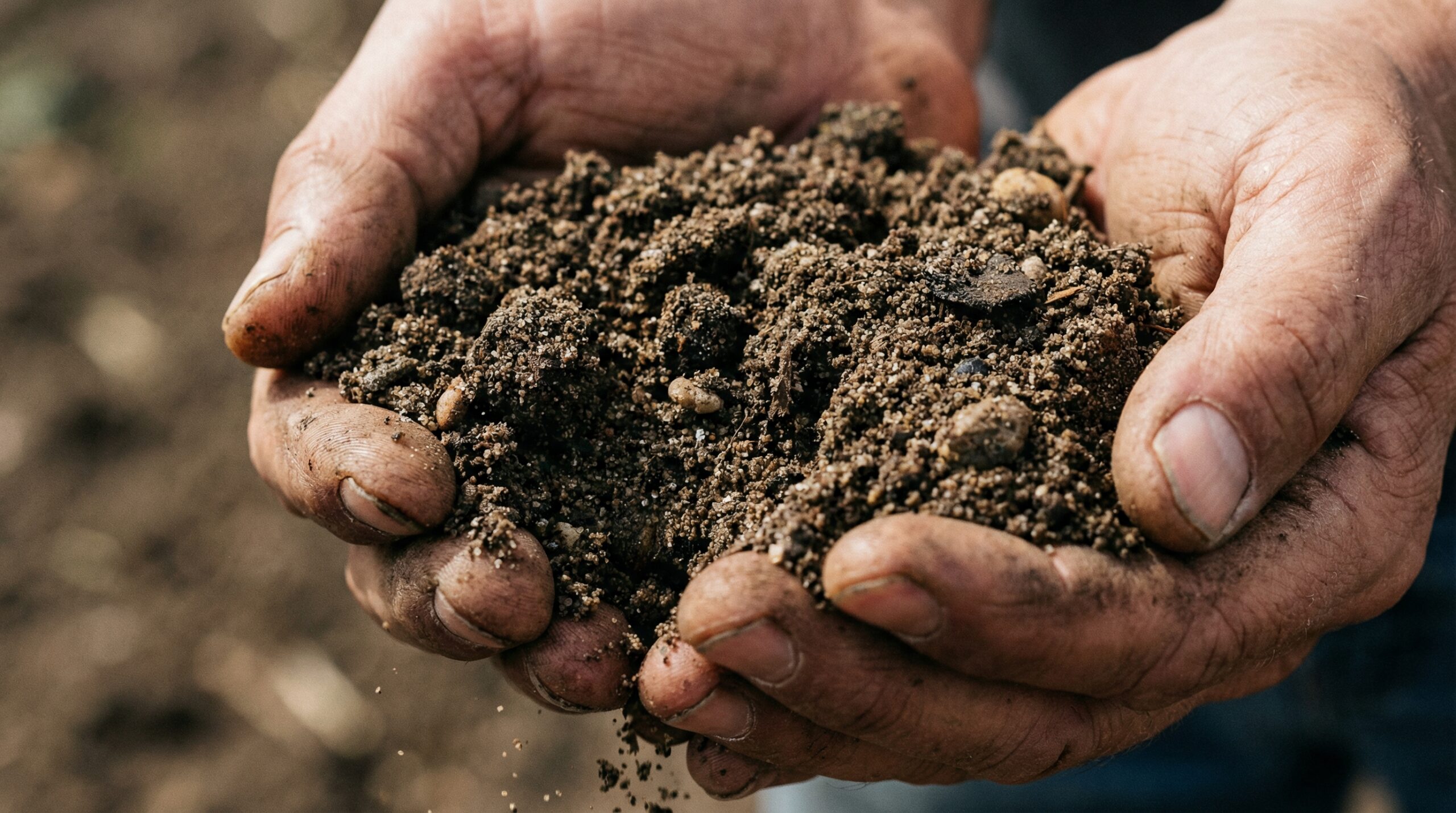
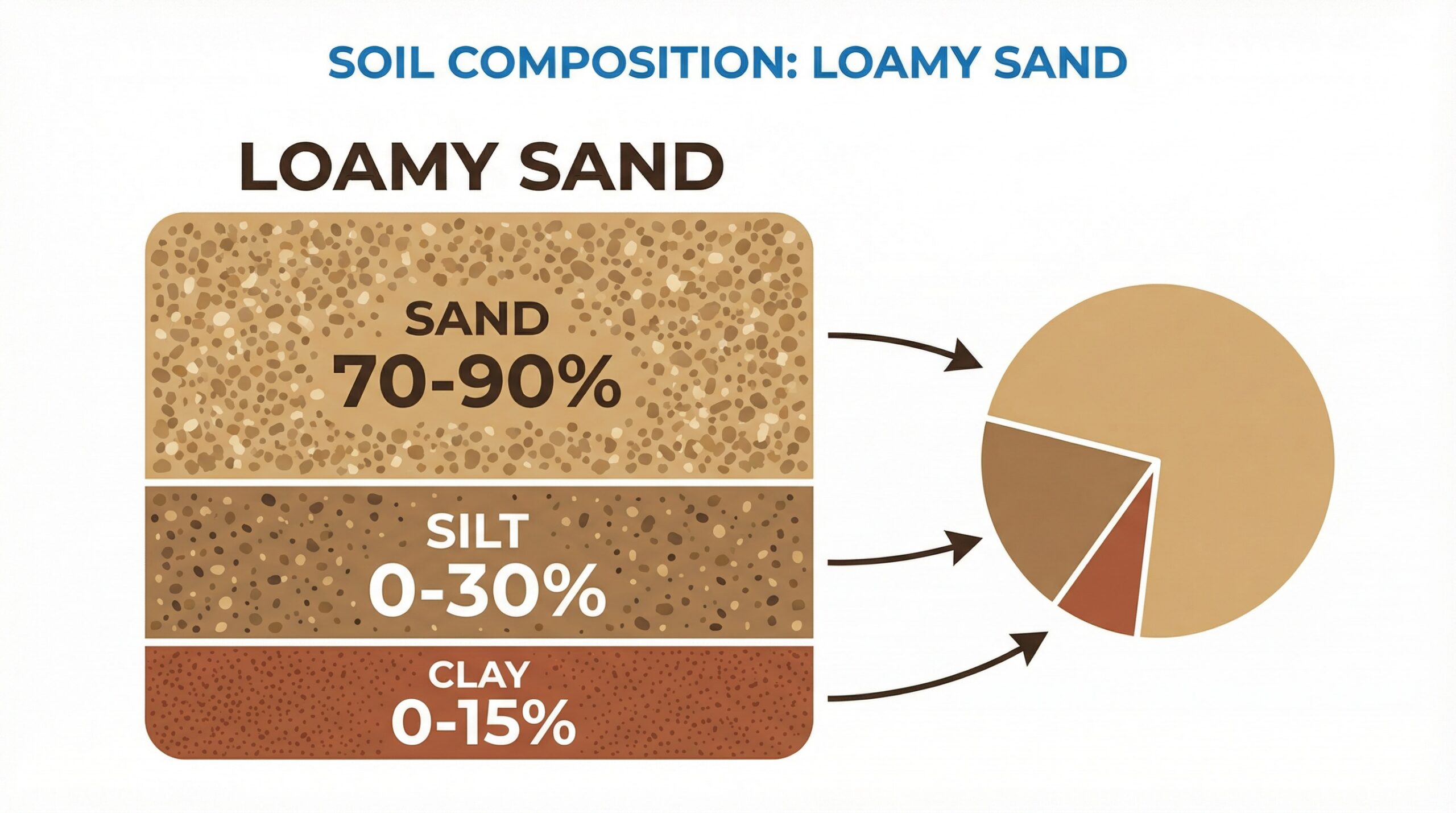
Loamy sand soil is a specific soil type where sand particles make up 70-90% of the mineral content, with the remaining portion consisting of silt and clay that help retain nutrients and moisture. This soil feels gritty and crumbly when you handle it, drains quickly after rain, and is remarkably easy to dig and work with compared to heavy clay soils.
Understanding loamy sand soil matters whether you’re planning a garden, choosing soil for landscaping, or working on construction projects. This soil type offers excellent drainage and aeration, making it ideal for plants that dislike waterlogged conditions, yet it retains enough nutrients to support healthy plant growth when properly managed.
Quick fact: Loamy sand soil warms up faster in spring than heavier soils, giving you an extended growing season and earlier planting opportunities.
In this guide, you’ll discover exactly what makes loamy sand soil unique, how to identify it on your property, when to choose it for your projects, and what it typically costs. We’ll also cover practical tips for improving its performance and help you decide if it’s the right choice for your specific needs.
What does loamy mean and how does it apply to sand soil
The term “loamy” describes soil that has the beneficial qualities of loam – a balanced mixture of sand, silt, and clay particles that creates fertile, well-structured growing medium. Traditional loam contains roughly equal parts of these three components, typically around 40% sand, 40% silt, and 20% clay.
When we say “loamy sand soil,” we’re describing soil that maintains some loam-like qualities but with sand as the dominant component. Think of it as soil that’s sandy enough to drain well and stay loose, but has just enough silt and clay to hold onto water and nutrients better than pure sand.
You can use “loamy” in everyday language to mean rich, crumbly, and fertile soil. For example: “The tomatoes thrived in the deep, loamy soil that drained well after heavy rains.” Synonyms for loamy include fertile, rich, crumbly, and well-structured when describing soil quality.
The key difference between loamy sand and regular sand is that loamy sand retains enough fine particles to support plant life effectively, while pure sand lacks the structure to hold nutrients and moisture that plants need to thrive.
Key characteristics that make loamy sand soil unique
Loamy sand soil has several distinctive features that set it apart from other soil types. When you pick up a handful of moist loamy sand soil, it feels gritty and will form a loose ball that crumbles easily when you squeeze it. The color typically ranges from pale yellow to light brown, depending on the organic matter content and mineral composition.
The texture comes from large sand particles that create generous pore spaces between them. These spaces allow water to move through quickly, preventing the waterlogging that kills many plants. At the same time, air can circulate freely through these spaces, providing the oxygen that plant roots and beneficial soil microbes need to stay healthy.
Drainage advantage: Water moves through loamy sand soil so efficiently that you can often work in your garden just hours after heavy rain, unlike clay soils that stay muddy for days.
What makes loamy sand special is its ability to warm up quickly in spring. The large particles and good air circulation mean soil temperatures rise faster when the weather warms, giving you a head start on the growing season. This characteristic makes it particularly valuable in cooler climates where every extra week of growing time matters.
The silt and clay components, though present in smaller amounts, play a crucial role in holding onto nutrients and moisture. Without these fine particles, you’d essentially have beach sand that plants struggle to grow in.
Advantages and limitations you should know about
Loamy sand soil offers several compelling benefits for gardeners and landscapers. The excellent drainage means you’ll rarely deal with waterlogged plants or root rot issues that plague heavier soils. You can work this soil even when it’s slightly damp without creating harmful compaction, making garden maintenance much easier.
The loose, airy structure allows plant roots to penetrate deeply and spread easily, supporting strong root systems. Many gardeners appreciate how simple it is to dig planting holes, install plants, and perform routine maintenance tasks compared to wrestling with dense clay soil.
However, loamy sand soil does have some limitations you need to consider. It dries out faster than heavier soils, especially during hot, windy weather, which means you’ll need to water more frequently. The quick drainage that prevents waterlogging also means nutrients can wash away more easily, requiring more attention to fertilization and organic matter additions.
| Soil Type | Drainage | Nutrient Retention | Workability | Relative Cost |
|---|---|---|---|---|
| Loamy Sand | Excellent | Moderate | Very Easy | Medium-High |
| Clay | Poor | Excellent | Difficult | Low |
| Pure Sand | Too Fast | Poor | Easy | Low |
| Garden Loam | Good | Good | Moderate | High |
In windy areas or on slopes, loamy sand can be more prone to erosion than heavier soils, particularly if left bare without plant cover or mulch protection.
Best uses for loamy sand soil in your projects
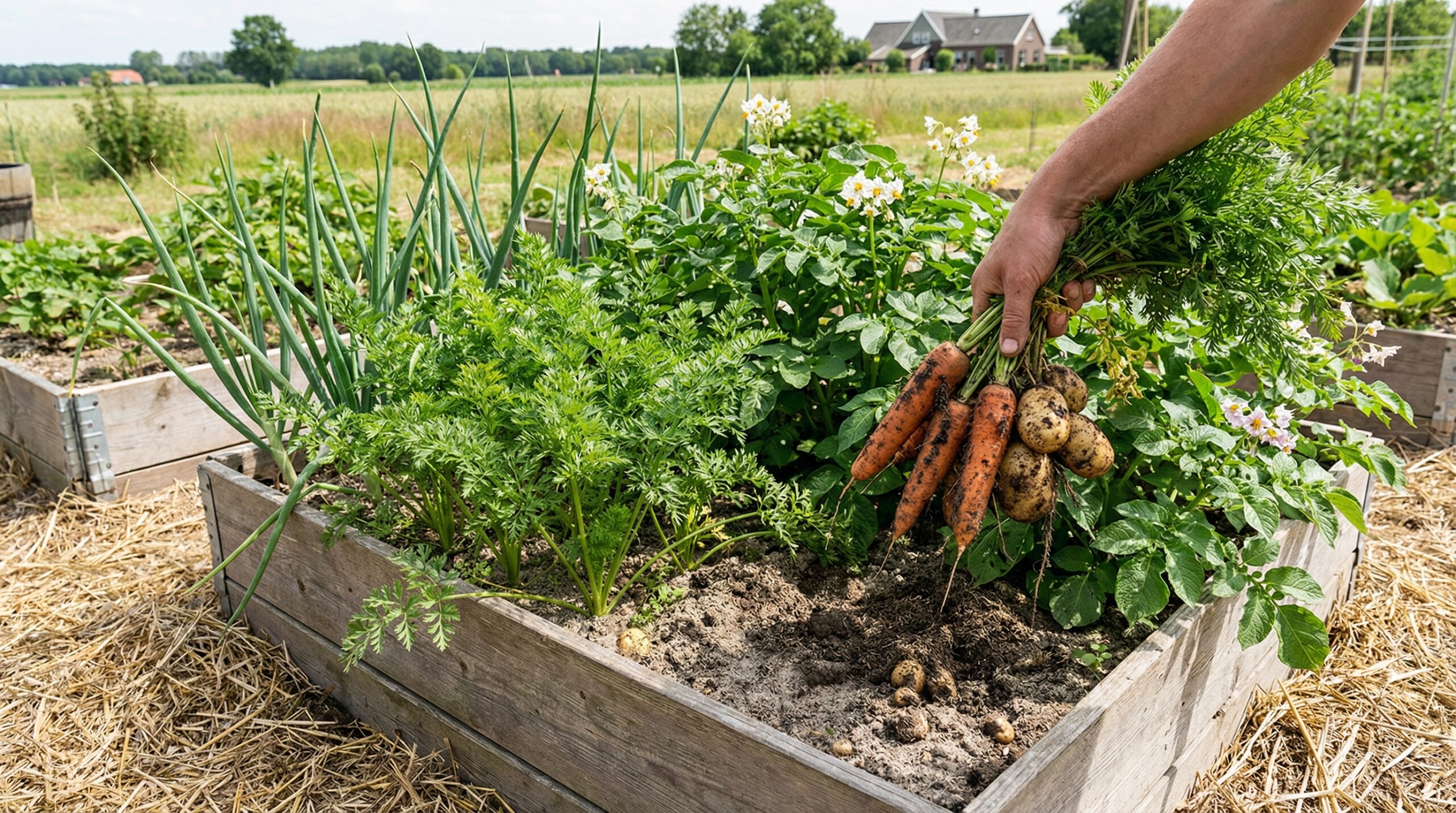
Loamy sand soil excels in situations where drainage is critical. If you’re growing Mediterranean herbs like rosemary, thyme, and lavender, this soil type provides the fast-draining conditions these plants prefer. Root vegetables such as carrots, potatoes, and onions also thrive because they can develop properly in the loose, well-aerated environment.
For landscaping projects, loamy sand works well in raised beds, rock gardens, and foundation plantings where you want to ensure water doesn’t pool around structures. Many ornamental grasses and drought-tolerant perennials perform beautifully in this soil type, especially when you add some compost to boost moisture retention.
Sports field managers and golf course superintendents often choose sandy soil mixes because they provide the drainage needed for playable surfaces that don’t become muddy after rain. However, these applications require consistent maintenance including regular fertilization and irrigation to offset the faster nutrient leaching.
In construction and landscaping, loamy sand serves well for backfill applications where drainage is important, such as around retaining walls or in areas prone to water accumulation. The ease of working with this soil type also makes it popular for projects where manual digging or machine work is involved.
Plant selection tip: While loamy sand supports many plants, avoid using it for moisture-loving species like astilbe or cardinal flower unless you’re prepared to provide supplemental irrigation and organic matter amendments.
For vegetable gardening, you’ll get excellent results with crops that prefer well-drained conditions, but plan to add compost regularly and consider more frequent, lighter fertilizer applications to replace nutrients that leach away.
Cost considerations and how to get quality loamy sand soil
Loamy sand soil typically costs between $25 to $55 per cubic yard, though prices vary significantly based on your location, the quality of the soil blend, and the quantity you order. Higher-quality mixes that include screened materials and added organic matter command premium prices, while basic loamy sand costs less but may require amendments.
Several factors influence the final price you’ll pay. Distance from the source quarry or supplier affects delivery costs, especially for smaller orders. The screening and washing processes that remove debris and create consistent particle sizes add to the cost but improve soil quality. Specialty blends with specific organic matter content or custom gradations typically cost more than standard mixes.
When comparing costs with other soil types, loamy sand falls in the middle range. While it costs more than basic fill dirt or raw sand, it’s often less expensive than premium bagged garden soils or custom topsoil blends. The key advantage is that loamy sand often requires fewer amendments and performs well in its natural state for many applications.
For larger projects like driveways, sports fields, or extensive landscaping, bulk orders become more economical. Many suppliers offer volume discounts that can reduce your per-yard cost significantly. Consider coordinating with neighbors or timing your order with other local projects to take advantage of these savings.
Hello Gravel makes ordering loamy sand soil straightforward with online ordering, transparent pricing, and reliable delivery across the country. Whether you need a few yards for garden beds or larger quantities for commercial projects, you can get quality-controlled soil delivered directly to your site without the hassle of calling multiple suppliers for quotes.
Working with loamy sand soil gives you a versatile foundation for many gardening and landscaping projects. While it requires some attention to watering and nutrition, the excellent drainage, easy workability, and plant-friendly characteristics make it a smart choice for many applications. Understanding its strengths and limitations, especially compared to alternatives like sandy loam or blended soils, helps you use this soil type effectively and achieve the results you want for your specific project needs.
Frequently Asked Questions About Loamy Sand Soil
What is the difference between loamy sand and sandy loam?
Is loamy sand soil good for vegetable gardens?
How can I improve loamy sand soil for better water retention?
How much does loamy sand soil cost per cubic yard?
Author: viewengine