High Clay Content Soil Guide Properties, Applications, and Cost Analysis
Published on: January 5, 2026
Get an estimate for your project in 60 seconds
 Your information is secure
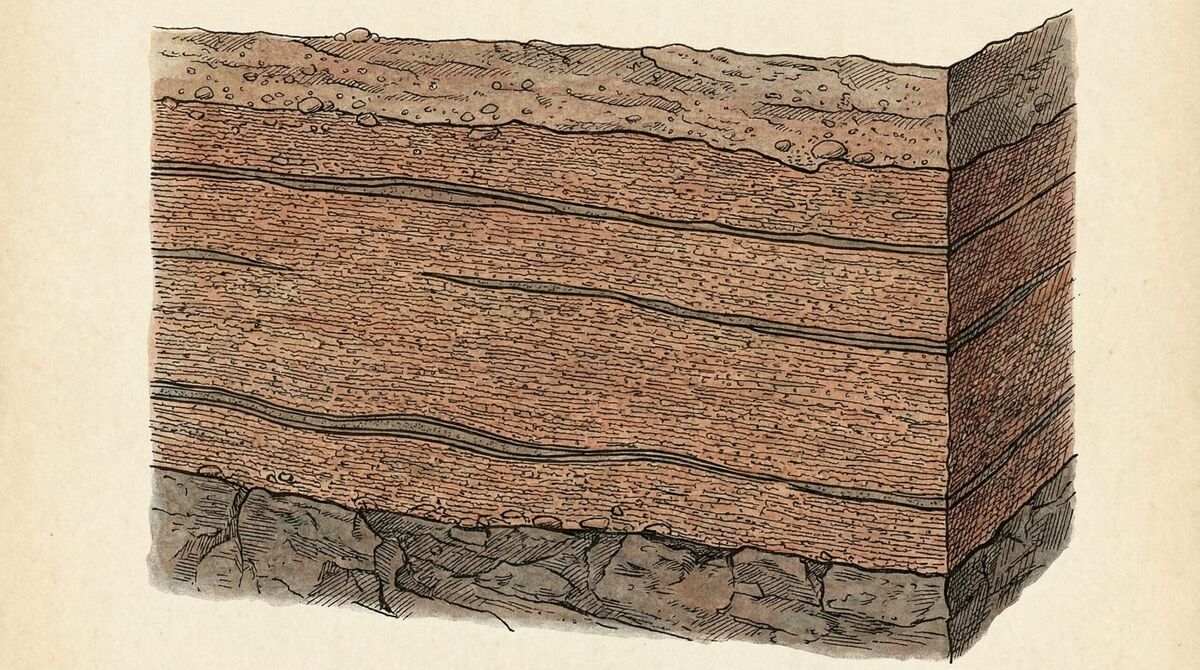
Working with clay-heavy soil can feel like wrestling with nature itself. You know the struggle – that dense, sticky material that clings to your tools when wet and turns rock-hard when dry. Yet this challenging soil type powers some of our most important construction and agricultural projects.
High clay content soil contains over 30% clay particles, making it one of the most nutrient-rich and water-retentive soil types available. While it presents unique handling challenges, understanding its properties unlocks significant advantages for construction foundations, agricultural applications, and specialized projects requiring superior water retention and stability.
Quick Fact: Clay particles are less than 0.002mm in diameter – about 1,000 times smaller than sand grains – which explains their incredible ability to hold water and nutrients.
Understanding high clay content soil composition
High clay content soil gets its name from having more than 30% clay minerals by volume. These microscopic particles create a dense, compact structure that behaves very differently from sandy or loamy soils.
The clay minerals themselves are flat, plate-like particles formed from weathered rock over thousands of years. When you examine this soil type, you’ll notice it feels sticky when wet due to these particles bonding together. As it dries, the same bonding creates an extremely hard, almost concrete-like surface.
What makes clay soil particularly valuable is its high cation exchange capacity. This scientific term simply means the soil can grab onto and store essential nutrients like potassium, calcium, and magnesium. Think of clay particles as tiny magnets that attract and hold nutrients until plants need them.
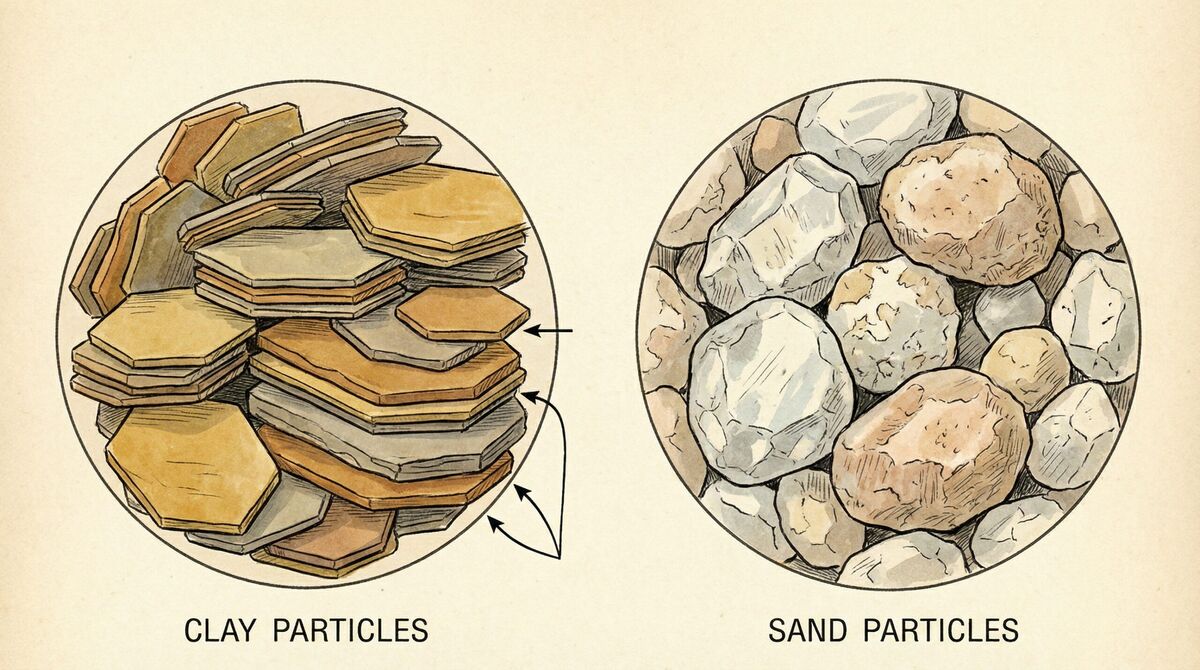
The water retention properties come from the small spaces between these tightly packed particles. While sand allows water to drain quickly through large gaps, clay’s tiny pore spaces hold water like a sponge. This can be either beneficial or problematic depending on your project needs.
Key benefits and challenges you’ll encounter
Working with high clay content soil means embracing both significant advantages and notable challenges. The benefits often outweigh the difficulties when you understand how to manage this soil type properly.
The nutrient density stands out as the primary advantage. Clay soil naturally holds onto fertilizers and organic matter much longer than other soil types. This means less frequent fertilization and better long-term soil health for agricultural applications.
For construction projects, the stability factor becomes crucial. Once properly compacted and managed for moisture content, clay soil provides an incredibly stable foundation. Many highway subgrades and building foundations rely on clay’s load-bearing capacity.
However, the challenges require careful planning. Clay soil becomes nearly impermeable when wet, leading to poor drainage and potential waterlogging. During dry periods, it can crack and shrink, potentially affecting structures built on or with it.
Important Note: Clay soil can expand up to 10% when saturated and shrink significantly when dry, making moisture management critical for any project.
The compaction issue affects both construction and agricultural use. Heavy machinery or foot traffic can compress clay soil so tightly that plant roots struggle to penetrate, and water movement becomes severely restricted.
Practical applications across industries
High clay content soil serves multiple industries, each taking advantage of its unique properties in different ways. Understanding these applications helps you determine if clay soil fits your specific project needs.
In agriculture, clay soil excels for crops requiring consistent moisture and high nutrient availability. Vegetable gardens, fruit trees, and berry bushes thrive in properly managed clay soil. The key lies in amending the soil with organic matter to improve drainage while maintaining the nutrient benefits.
Rice cultivation particularly benefits from clay’s water retention properties. Many rice paddies worldwide rely on clay subsoils to maintain the standing water necessary for optimal rice growth.
Construction applications focus on clay’s stability and density. Road construction teams often use clay soil as subgrade material because it provides excellent load distribution. The material compacts well under controlled conditions, creating a solid foundation for pavement layers.
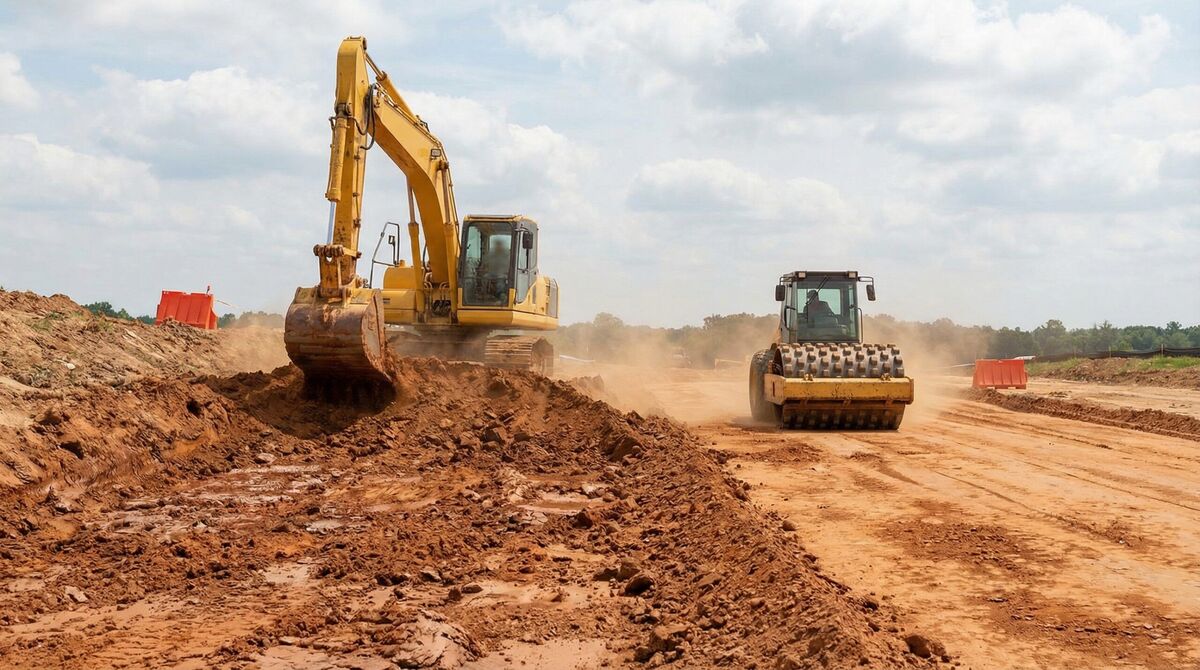
Earthen dam construction represents another major application. Clay’s low permeability makes it ideal for creating water barriers. When properly installed and compacted, clay cores in earthen dams can last decades with minimal maintenance.
The ceramics and brick manufacturing industries also rely heavily on heavy clay. The plasticity when wet and hardness when fired make it perfect for creating durable building materials.
Cost considerations and budget planning
Understanding the financial aspects of high clay content soil helps you make informed decisions for your projects. Pricing varies significantly based on quality, location, and intended use.
According to current market data from hellogravel.com, high clay content soil typically costs between $20 and $50 per cubic yard. This price range reflects the material’s processing requirements and transportation costs.
Several factors influence these costs. Soil quality plays the primary role – clay with higher nutrient content and better structure commands premium pricing. Location matters significantly too. Areas with abundant clay deposits offer lower prices than regions where clay must be transported long distances.
| Soil Type | Average Cost per Cubic Yard | Primary Benefits |
|---|---|---|
| High Clay Content | $20-$50 | Nutrient retention, stability |
| Sandy Soil | $15-$35 | Good drainage, easy to work |
| Loamy Soil | $25-$45 | Balanced properties |
The seasonal demand affects pricing as well. Construction season typically drives prices higher, while winter months may offer better deals. Planning your soil purchases during off-peak periods can result in significant savings.
Budget Tip: While clay soil costs more upfront than sandy alternatives, its nutrient retention can reduce fertilizer costs by 30-40% over time in agricultural applications.
When comparing costs, consider the long-term value. Clay soil’s durability and nutrient retention often provide better value over time despite higher initial costs. For construction projects, the stability can reduce foundation maintenance costs significantly.
Transportation costs can double your total expense if sourcing from distant locations. Hello Gravel’s nationwide delivery network helps minimize these costs by sourcing materials from regional suppliers closest to your project site.
Quality testing before purchase protects your investment. Reputable suppliers provide soil analysis showing clay content, pH levels, and nutrient composition. This information helps you determine if the soil meets your specific project requirements.
High clay content soil offers unique advantages for those willing to understand and work with its properties. While it requires more careful management than other soil types, the benefits of superior nutrient retention, structural stability, and long-term value make it an excellent choice for many applications. Whether you’re planning a construction project or agricultural venture, understanding the differences between fill dirt and clay or exploring options like clay loam ensures you get quality materials delivered efficiently to your site.
FAQ
What percentage of clay defines high clay content soil?
How can I identify if my soil has high clay content?
What are the main advantages and disadvantages of high clay content soil?
How much does high clay content soil typically cost?
Author: