Fill Dirt vs Gravel: Which One Do You Really Need for Your Project
Published on: December 10, 2025
Get an estimate for your project in 60 seconds
 Your information is secure
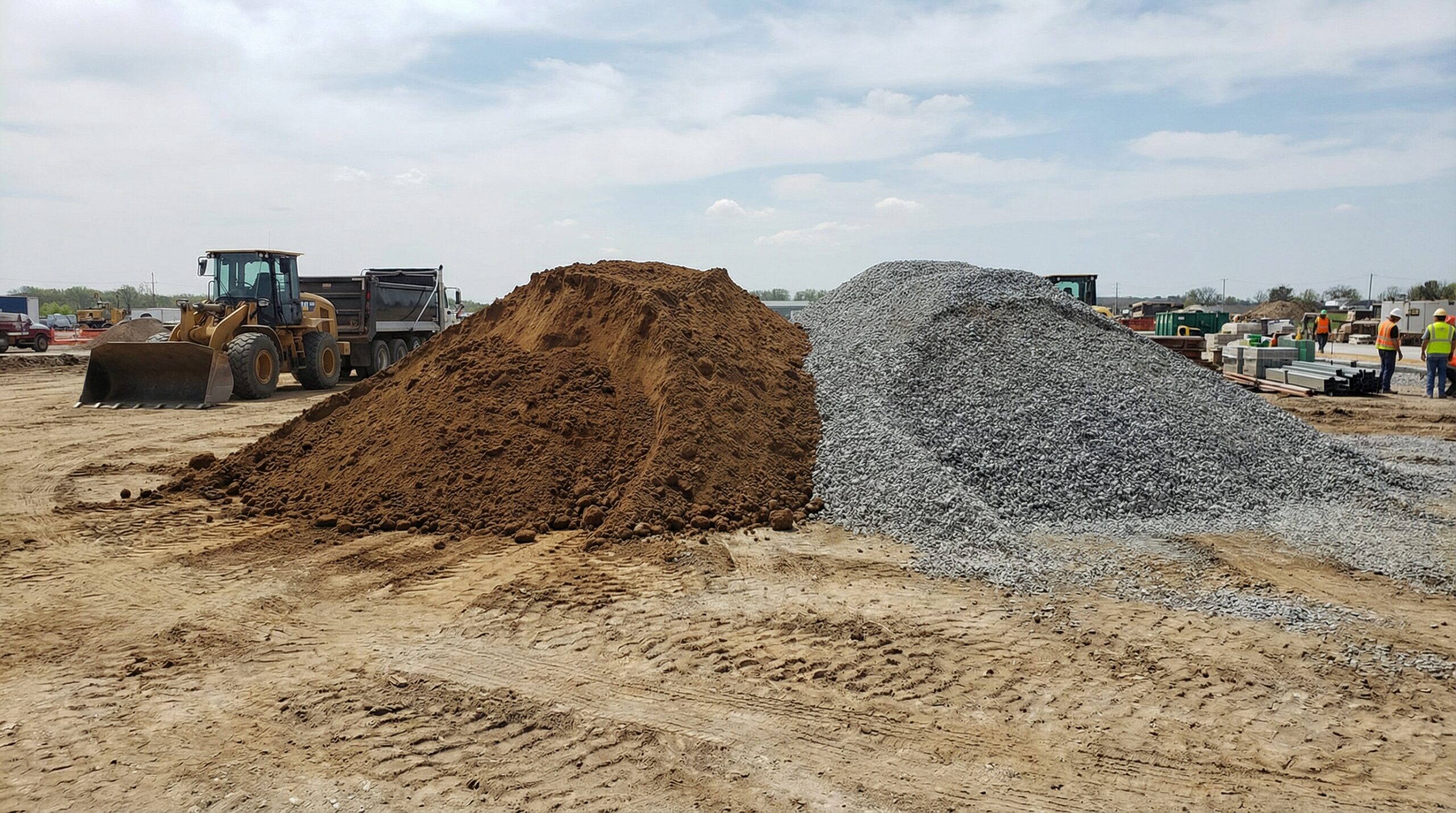
Choosing the wrong fill material can cost you thousands in repairs and headaches down the road. Whether you’re building a driveway, leveling your yard, or laying a foundation, understanding the difference between fill dirt and gravel will save you time, money, and frustration.
Use fill dirt when you need stability and structure; use gravel when you need drainage and a durable surface. This simple rule will guide most of your decisions, but let’s dive deeper into when and why each material works best for your specific project.
Quick Answer: Fill dirt excels at creating stable, compacted bases under structures and for grading work. Gravel shines in drainage applications and as a durable surface material. Most successful projects actually use both materials in different layers.
What makes fill dirt and gravel so different
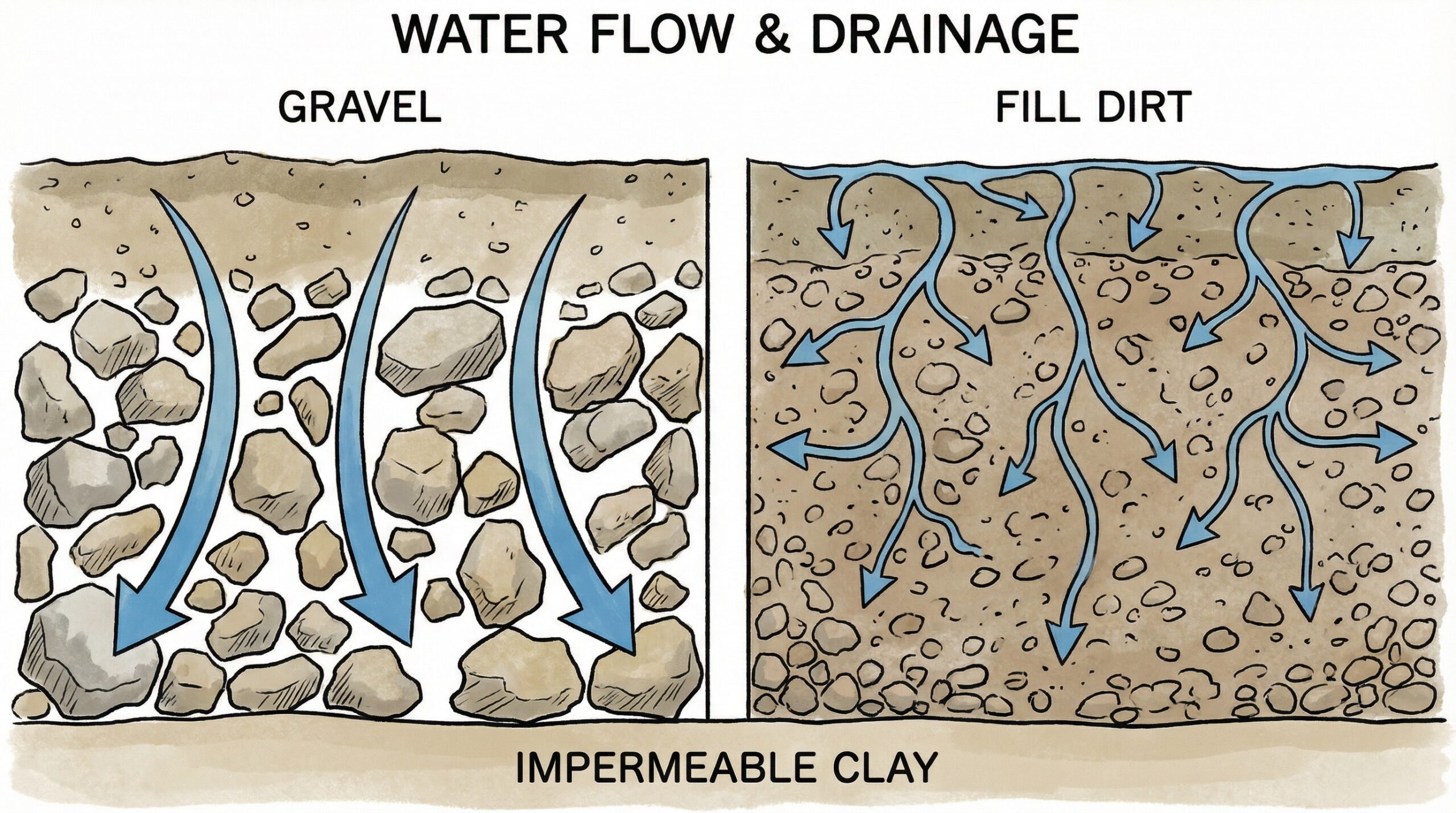
The key differences between these materials come down to composition, drainage, and how they behave under pressure. Fill dirt consists mainly of subsoil, clay, sand, and minimal organic matter. This composition allows it to compact tightly, creating a solid foundation that won’t shift or settle when properly installed.
Gravel, on the other hand, is made up of crushed or natural rock fragments in various sizes. The spaces between these stones create excellent drainage pathways, but this same characteristic means gravel doesn’t compact into a solid mass like fill dirt does.
When you’re dealing with water management, gravel wins every time. Those void spaces between stones allow water to flow through quickly, preventing pooling and water damage. Fill dirt, especially when compacted, creates a barrier that water struggles to penetrate.
When fill dirt is your best choice
Fill dirt becomes essential when you need to create a stable foundation or change the grade of your property. Think of it as the backbone of your project – it provides the structural support that everything else builds upon.
For foundation work, clean fill with low organic content gives you the stability you need. Organic matter decomposes over time, creating voids that lead to settling and structural problems. That’s why contractors specify “clean fill” for critical applications.
Yard leveling projects rely heavily on fill dirt because you can shape and contour it precisely. Unlike gravel, which wants to roll and shift, properly compacted fill dirt holds its shape and creates smooth transitions across your landscape.
Pro Tip: Always place fill dirt in thin layers (6-8 inches) and compact each layer thoroughly. This prevents future settling that could damage structures built on top.
Backfilling around foundations also calls for fill dirt, though you’ll want gravel immediately against the foundation wall for drainage. The fill dirt provides structural support while the gravel handles water management. Understanding the difference between fill soil and backfill is crucial for proper foundation work.
When gravel becomes indispensable
Gravel takes center stage whenever drainage is your primary concern. French drains, for example, depend entirely on gravel’s ability to channel water away from problem areas. No amount of fill dirt can replicate this drainage performance.
Driveway construction typically uses gravel as a base layer over compacted fill dirt. This combination gives you the structural support of fill dirt with the drainage and durability of gravel on top. The gravel also provides a stable surface that can handle vehicle traffic without creating ruts or soft spots.
Around downspouts and in areas prone to water accumulation, gravel prevents the erosion and pooling problems that plague fill dirt installations. The material essentially creates underground highways for water to escape.
Retaining wall projects need gravel behind the wall for drainage, even though fill dirt provides the main structural backfill. Without proper drainage, water pressure can destroy even the strongest retaining walls.
Cost considerations that matter
Fill dirt typically costs less per cubic yard than gravel, especially when sourced locally from construction sites or excavation projects. However, transportation costs can quickly change this equation if you need to haul material from distant locations.
Gravel commands higher prices due to processing costs and the energy required to crush and size the material. The weight of gravel also increases delivery costs compared to lighter fill dirt. However, gravel often serves dual purposes as both base material and finished surface, potentially reducing overall project costs.
| Material | Typical Cost Range | Best For | Key Advantage |
|---|---|---|---|
| Fill Dirt | Lower cost per yard | Structural support, grading | Excellent compaction |
| Gravel | Higher cost per yard | Drainage, surface durability | Superior water management |
Project design significantly impacts your total costs. A well-planned combination of both materials often costs less than trying to use one material for everything. For instance, using fill dirt for the bulk of a foundation backfill and gravel only where drainage is critical can optimize both performance and budget.
Making the right choice for your project
Your specific project requirements should drive your material selection. Drainage needs, load-bearing requirements, and long-term performance expectations all factor into this decision.
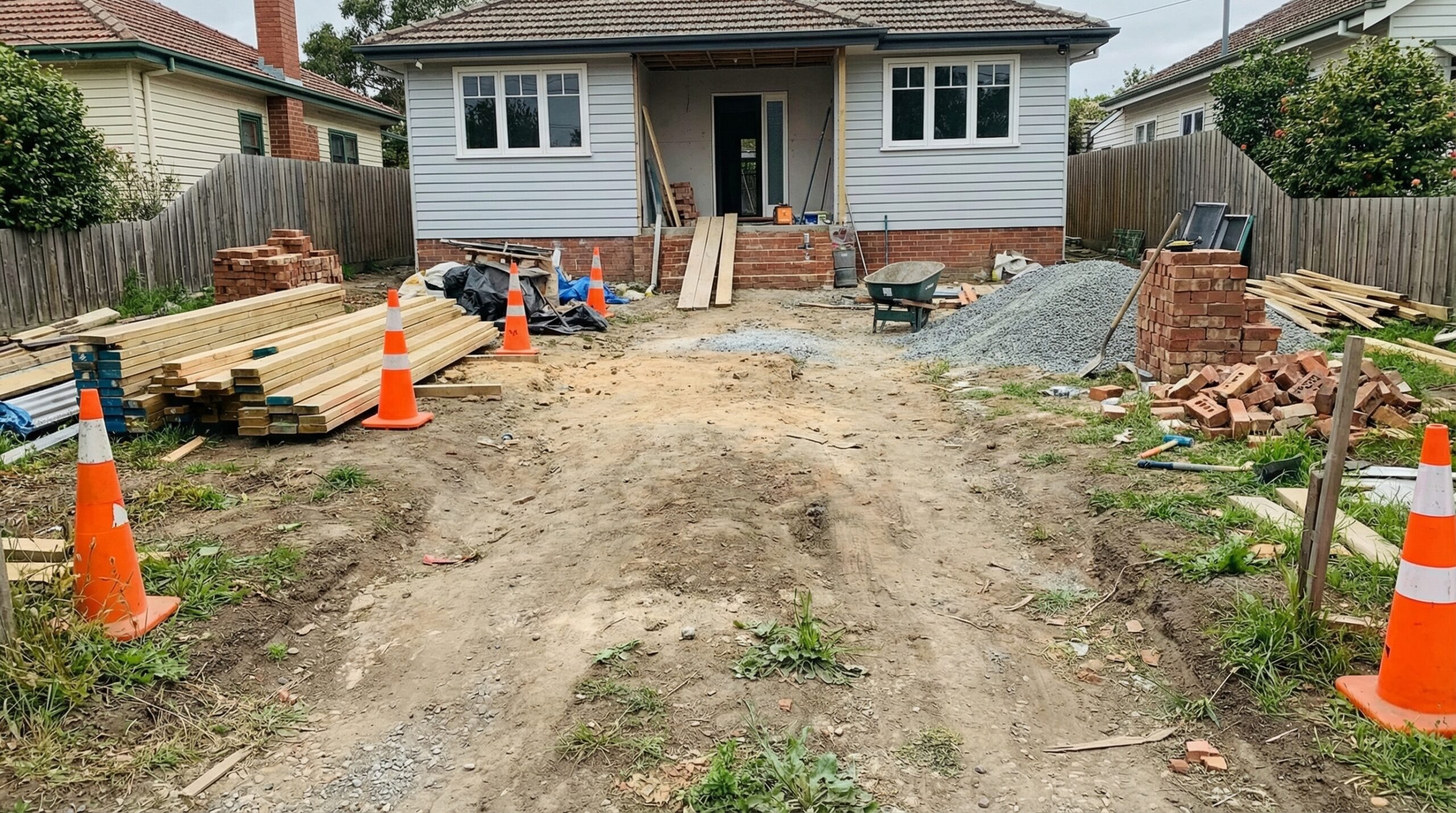
For driveways and parking areas, start with compacted fill dirt to establish proper grade and structural support. Top this with a gravel base for drainage and surface durability. This layered approach gives you the best of both materials.
Foundation work demands clean fill dirt for structural support, with gravel used strategically for drainage around footings and foundation walls. Never compromise on material quality for foundation applications. If you’re working with different soil types, you might also want to compare fill dirt with sandy loam or fill dirt with clay to understand which base material works best for your specific soil conditions.
Landscaping projects often benefit from fill dirt for bulk grading work, with gravel used for pathways, drainage features, and decorative elements. The combination creates both functional and attractive outdoor spaces. For projects requiring finer materials, consider exploring fill dirt versus fill sand options.
Remember: Most successful projects use both materials strategically rather than trying to make one material do everything. Understanding where each material excels helps you create better, longer-lasting results.
The choice between fill dirt and gravel doesn’t have to be complicated. Focus on your primary need – stability or drainage – and select accordingly. When in doubt, consult with local suppliers who understand your area’s soil conditions and can recommend the best approach for your specific project. With the right materials in the right places, your project will perform well for years to come.
FAQ
Is fill dirt cheaper than gravel?
Can you use fill dirt under gravel?
What is the difference between fill dirt and topsoil?
Which material is better for drainage around a foundation?
Author: igor