Crushed Concrete Compaction Guide Process, Benefits & Best Practices

Published on: January 14, 2026

Get an estimate for your project in 60 seconds

This field is hidden when viewing the form
Security lock iconYour information is secure


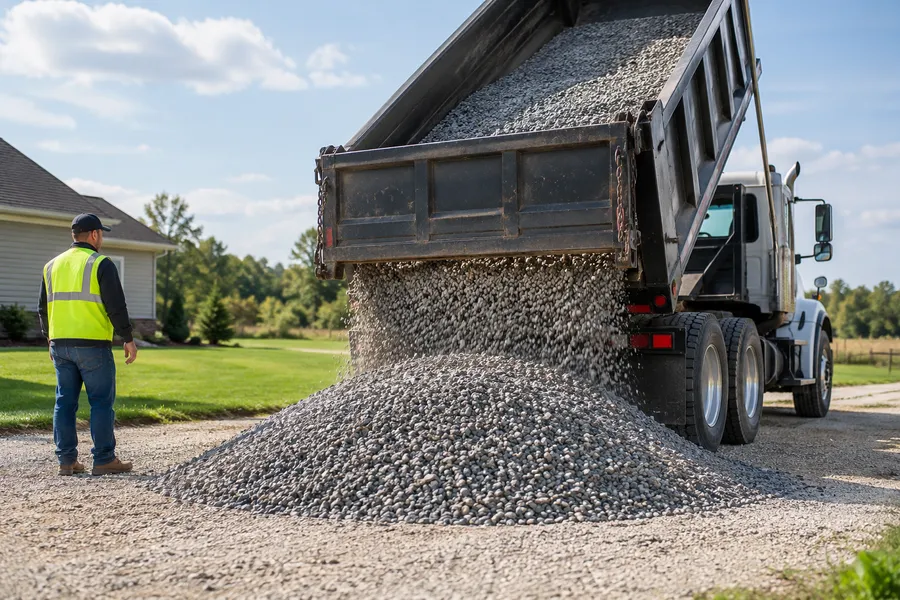
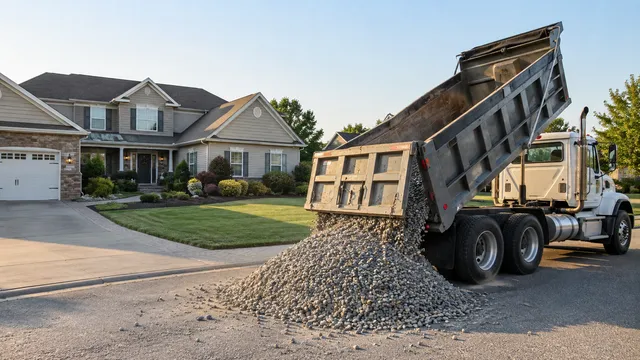
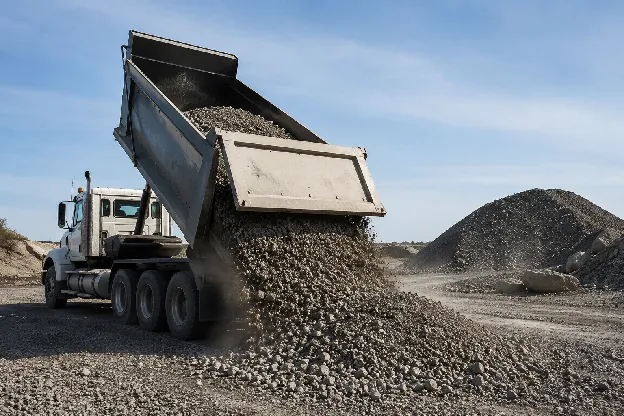
Crushed concrete compaction equipment on construction site

Crushed concrete compaction transforms recycled concrete waste into a stable, durable foundation for construction and landscaping projects. This sustainable process involves crushing old concrete structures and compacting them to create solid bases for driveways, roads, and building foundations. When done correctly, crushed concrete compaction delivers excellent load-bearing capacity while reducing environmental impact and project costs.

Quick Answer: Road Base and #57 Crushed Stone are the most compactable materials available, thanks to their angular shape and presence of fines that lock together tightly under pressure.

Understanding proper compaction techniques helps you achieve maximum density and stability for your project. Whether you’re building a new driveway or preparing a foundation, this guide covers everything you need to know about crushed concrete compaction.

What is crushed concrete and how does it work

Crushed concrete is recycled aggregate material created by breaking down old concrete structures, removing contaminants, and crushing the material into various sizes. This process gives new life to concrete waste that would otherwise end up in landfills.

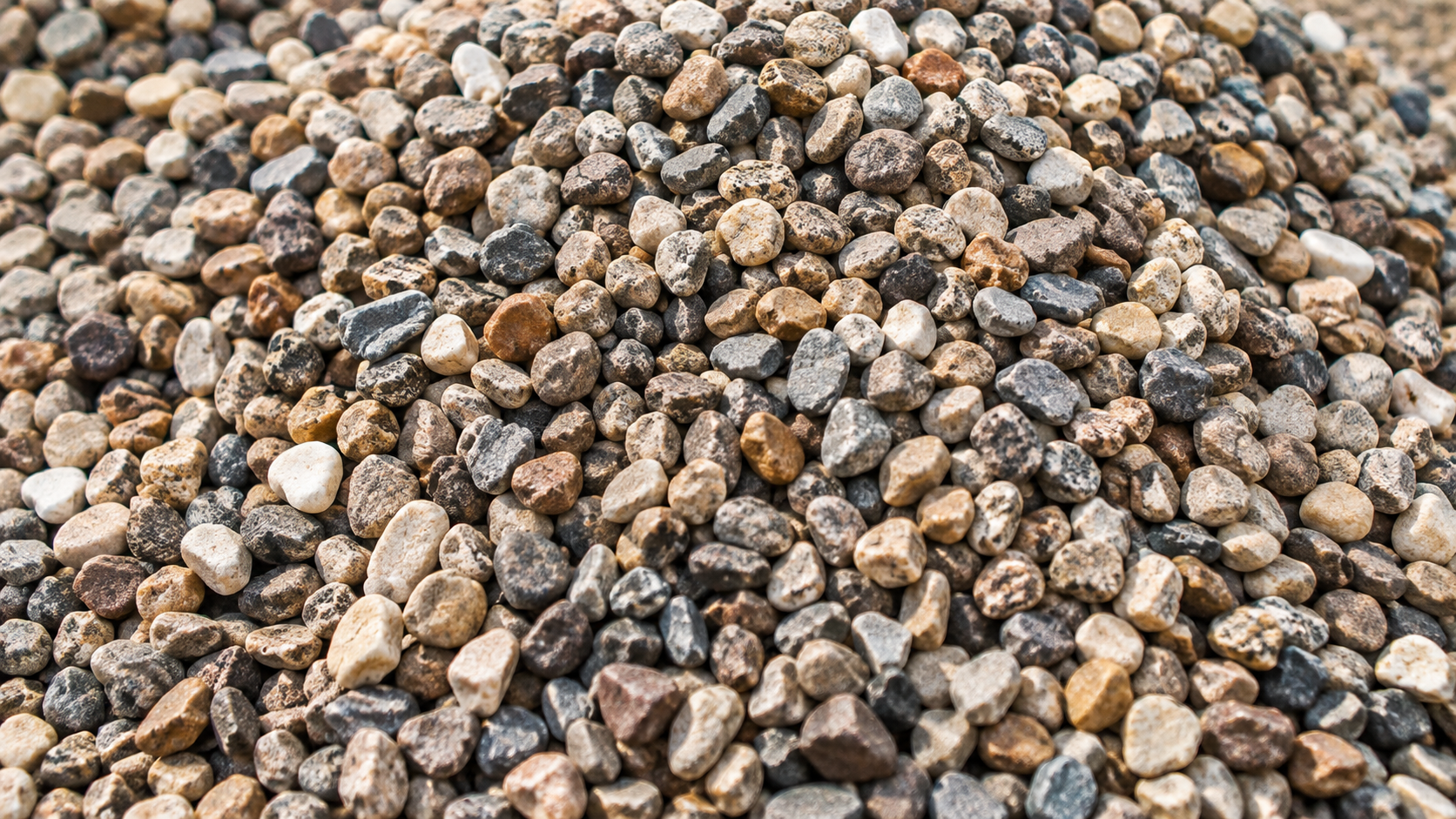
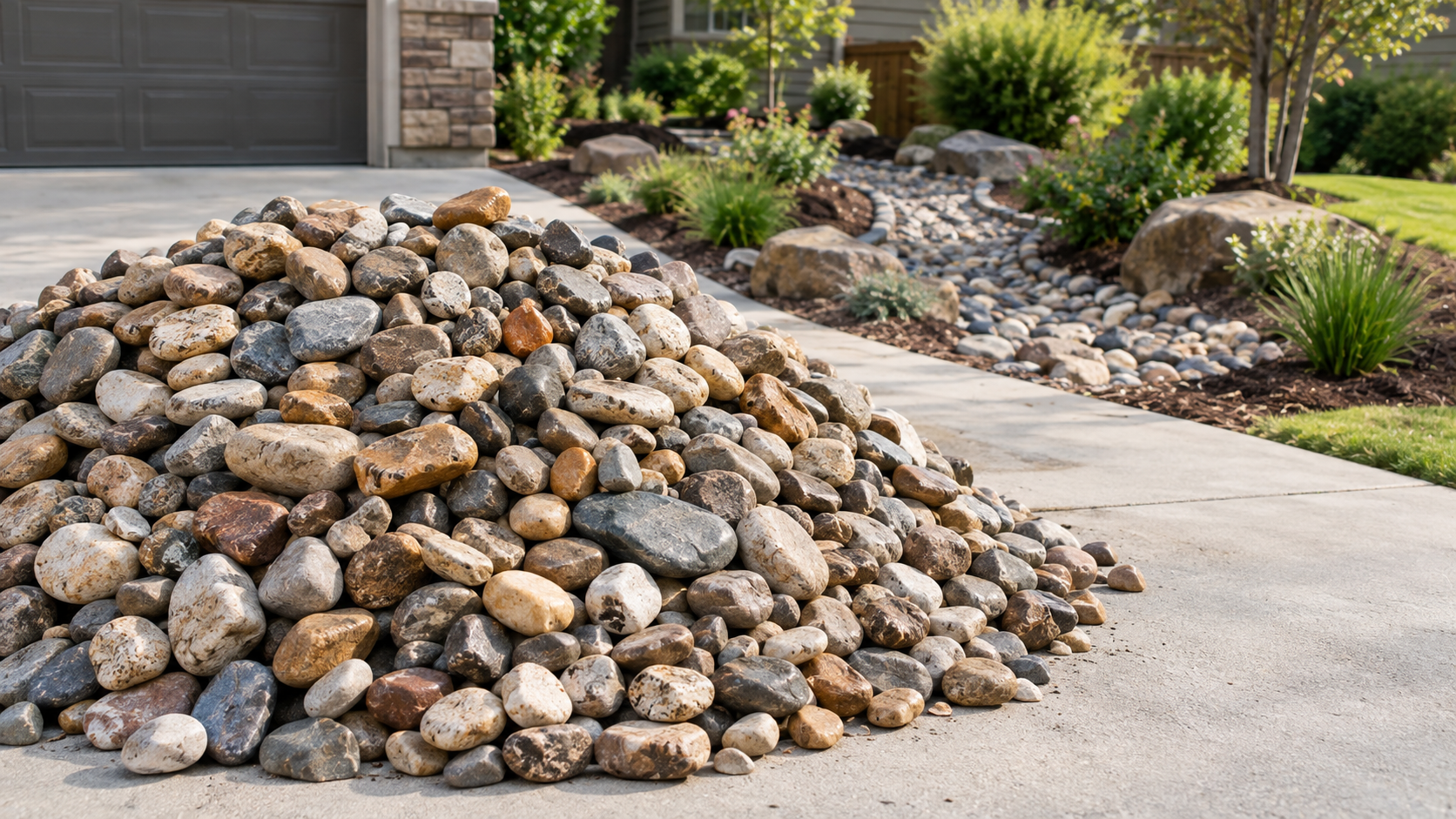
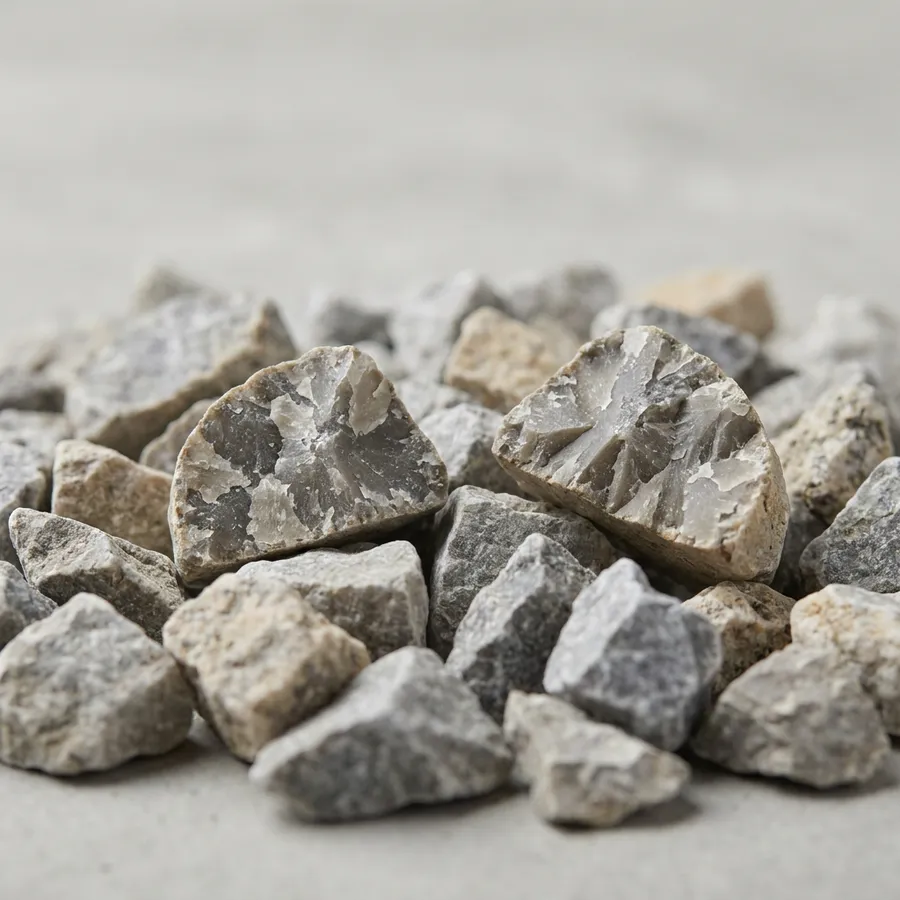
The material works exceptionally well for compaction because of its angular shape and varied particle sizes. When crushed concrete contains both larger pieces and fine particles, these components interlock under pressure to create a dense, stable surface. The angular edges grip together better than rounded materials like river rock, providing superior stability.

According to hellogravel.com, crushed concrete contains particle sizes ranging from 1½ inches down to fines, creating an ideal blend for compaction. This size variation allows smaller particles to fill voids between larger pieces, maximizing density and strength. Understanding the different types of crushed concrete available can help you select the right material for your specific compaction needs.

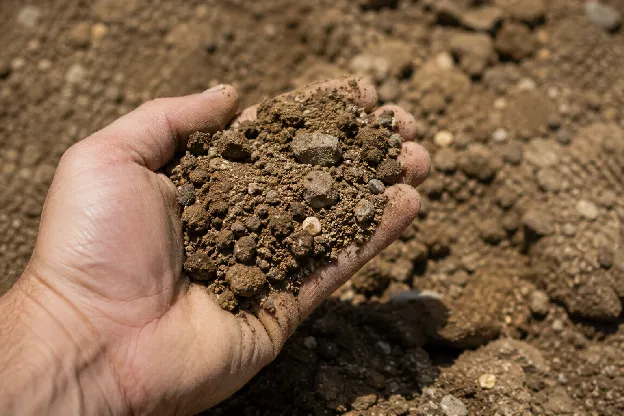
Crushed concrete particles showing angular shapes and size variation

Key benefits of using crushed concrete

Crushed concrete offers several advantages over traditional aggregate materials that make it an attractive choice for many projects.

Environmental sustainability stands out as the primary benefit. Using crushed concrete reduces the need for mining new materials and diverts waste from landfills. This recycling process significantly lowers the environmental footprint of construction projects.

Cost effectiveness provides another major advantage. Crushed concrete typically costs less than virgin aggregates because it utilizes existing materials rather than requiring extraction and processing of new resources. This cost savings can be substantial on larger projects, especially when comparing crushed concrete vs gravel pricing.

Excellent drainage properties help prevent water accumulation and erosion. The angular particles create spaces that allow water to flow through while maintaining structural integrity. This characteristic makes crushed concrete ideal for areas prone to water issues, and you can learn more about how well crushed concrete drains in various applications.

Key Insight: Crushed concrete can withstand heavy loads while providing superior drainage compared to traditional materials, making it perfect for high-traffic applications.

Durability and load-bearing capacity ensure long-term performance. Properly compacted crushed concrete creates surfaces that can handle significant weight and traffic without deteriorating quickly.

Step-by-step compaction process

Successful crushed concrete compaction requires following a systematic approach to achieve optimal results. For a detailed walkthrough, check out our comprehensive guide on how to compact crushed concrete.

Site preparation forms the foundation of good compaction. Clear the area of debris, vegetation, and loose soil. Level the ground and ensure proper drainage to prevent water from undermining the compacted surface. Poor preparation leads to uneven compaction and potential failure.

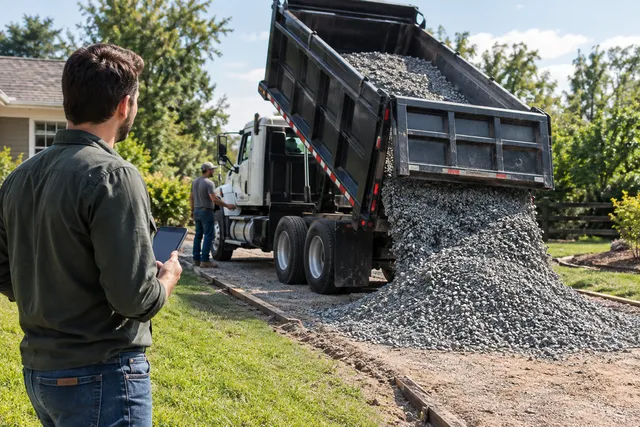
Material placement should be done in layers of 3 to 4 inches thick. Spreading crushed concrete in thin layers allows for better compaction and more uniform density throughout the depth. Thicker layers prevent proper compaction in lower sections. If you’re working on a specific project, our guide on how to spread crushed concrete provides additional tips for even distribution.

Compaction equipment plays a crucial role in achieving proper density. Use a plate compactor for smaller areas or a drum roller for larger projects. The equipment applies vibration and weight to compress the material and eliminate air pockets.

Moisture control affects compaction quality significantly. Lightly water the crushed concrete between layers to help particles bind together. Too much water creates mud, while too little prevents proper binding. The material should feel slightly damp but not wet.

Multiple passes ensure complete compaction. Make several passes with your compaction equipment in overlapping patterns until the surface becomes firm and stable. You’ll notice the material stops settling after sufficient compaction.

Factors affecting compaction quality

Several variables influence how well crushed concrete compacts and the final quality of your surface.

Particle size distribution determines how tightly the material packs together. A good mix of large and small particles creates better compaction than uniform-sized material. The fines fill voids between larger pieces, increasing density and stability. Crushed concrete fines play a particularly important role in achieving maximum density.

Moisture content must be carefully controlled for optimal results. As noted by hellogravel.com, wetter materials require more force to compact properly. The ideal moisture content allows particles to bind without creating a muddy mess.

Equipment type and weight affect the compaction force applied to the material. Heavier equipment provides more compaction force but may be unnecessary for smaller projects. Match your equipment to the project size and material thickness.

Pro Tip: Test compaction by walking on the surface – properly compacted crushed concrete should feel solid underfoot without noticeable settling or movement.

Layer thickness impacts how effectively compaction reaches all material. Layers thicker than 4 inches often result in poor compaction at the bottom, creating weak spots that can fail under load. Understanding the crushed concrete compaction factor helps you calculate the proper depth and density for your project.

Factor Optimal Range Impact on Compaction
Layer Thickness 3-4 inches Ensures complete compaction
Moisture Content 6-8% Improves particle binding
Equipment Passes 4-6 passes Achieves maximum density

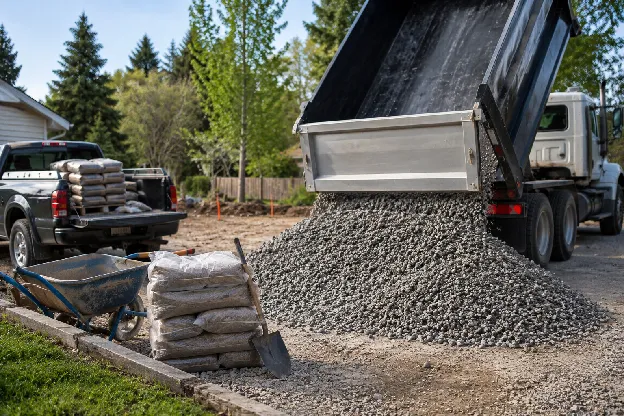
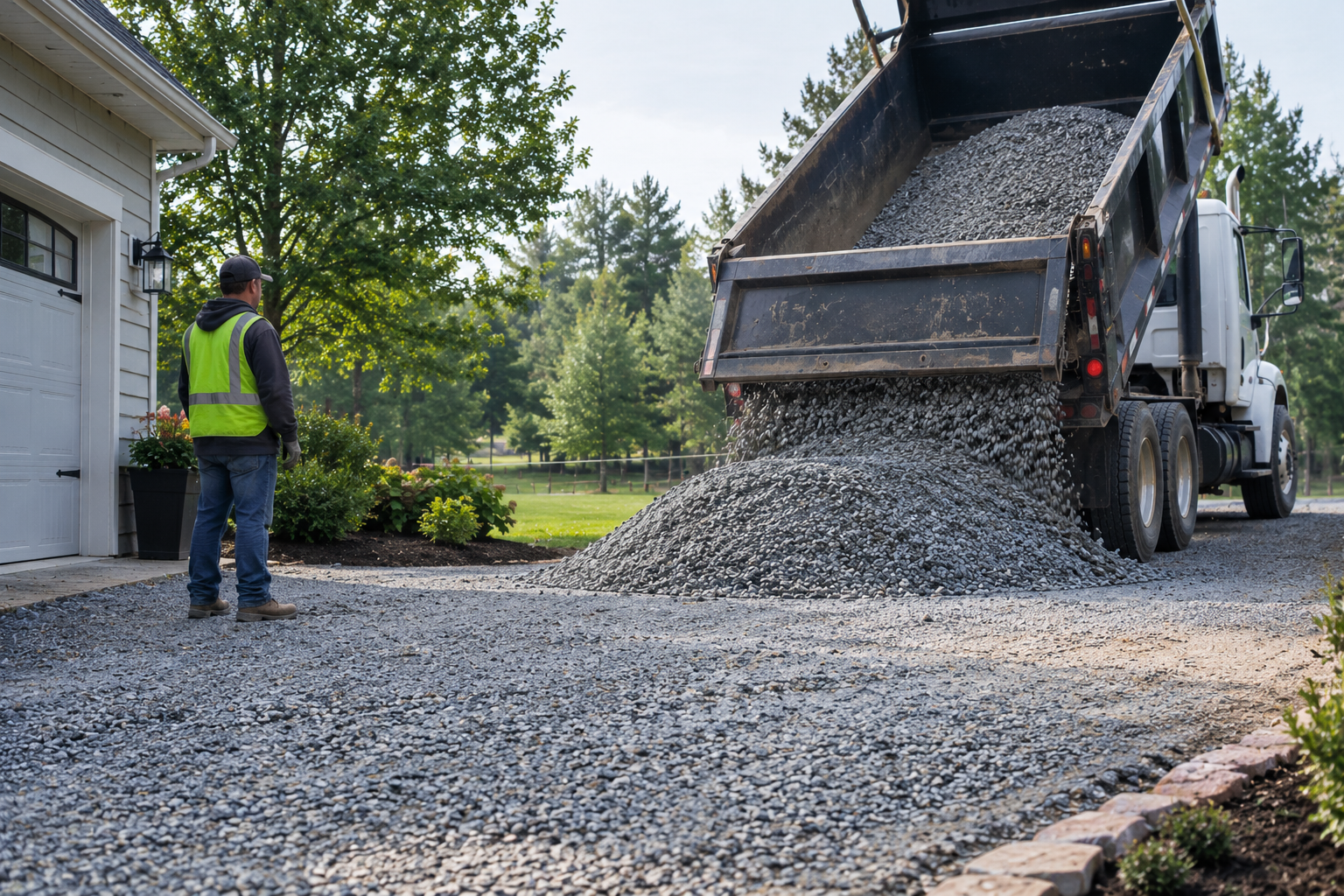
Compaction equipment working on crushed concrete surface

Best applications for compacted crushed concrete

Compacted crushed concrete works well in numerous construction and landscaping applications where stability and drainage matter.

Driveway and parking lot bases benefit from crushed concrete’s load-bearing capacity and drainage properties. The material handles vehicle traffic well while preventing water accumulation that could cause damage over time. See real-world examples in our crushed concrete driveway pictures gallery.

Building foundation preparation uses compacted crushed concrete to create stable, level surfaces for construction. The material provides excellent support for structures while allowing water drainage away from foundations. Learn more about using crushed concrete under slabs for optimal foundation support.

Road construction projects rely on crushed concrete for base layers that support asphalt or concrete surfaces. The compacted material distributes loads effectively and resists settling under heavy traffic. For road construction, understanding the differences between crushed concrete vs road base helps you make the right material choice.

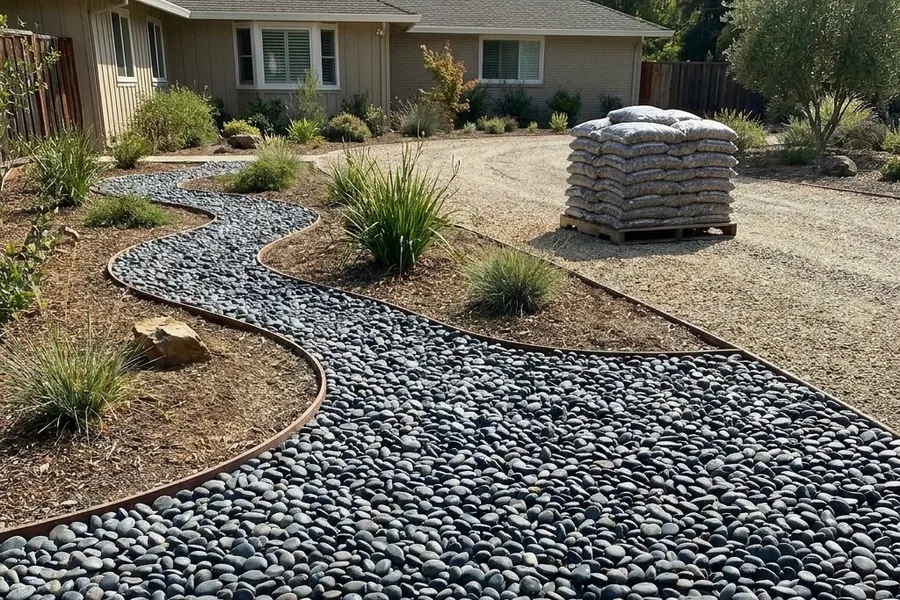
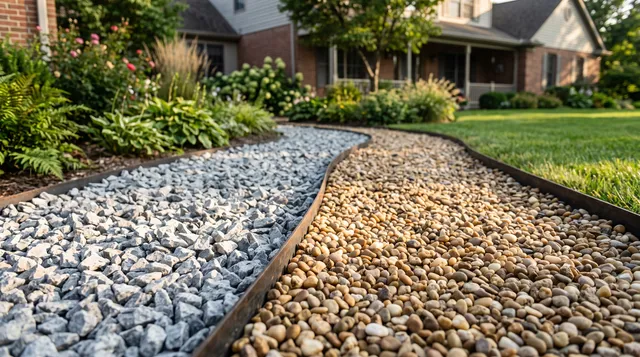
Landscaping applications include walkways, patios, and garden paths where you need stable surfaces that drain well. Crushed concrete creates attractive, functional outdoor spaces that require minimal maintenance.

Retaining wall backfill uses crushed concrete’s drainage properties to prevent water pressure buildup behind walls. The material provides structural support while allowing water to flow through rather than accumulating. Calculate exactly how much crushed concrete you need for a retaining wall to ensure proper backfill depth.

Crushed concrete compaction offers a sustainable, cost-effective solution for creating stable surfaces in various applications. The process requires attention to detail and proper technique, but the results provide long-lasting performance that benefits both your project and the environment. When you need reliable aggregate materials, working with experienced suppliers ensures you get quality crushed concrete that compacts well and meets your project requirements.

FAQ

What is the ideal moisture content for compacting crushed concrete?

The optimal moisture content for compacting crushed concrete is 6-8%, though some sources recommend 11-13% for maximum density. The material should feel slightly damp but not wet. Too much water creates mud and prevents proper compaction, while too little moisture prevents particles from binding together effectively. Test the moisture by squeezing a handful – it should hold together briefly before crumbling apart.

How many passes with compaction equipment are needed?

Make 4-6 passes with your compaction equipment in overlapping patterns for each 3-4 inch layer. Continue compacting until the surface becomes firm and stable, and you notice the material stops settling. For larger projects using vibratory rollers, 6 or more passes may be required depending on the equipment weight and material characteristics.

What type of compaction equipment works best for crushed concrete?

Use a plate compactor for smaller areas or residential projects, and a drum roller or vibratory roller for larger commercial projects. The equipment should provide both weight and vibration to compress the angular particles effectively. Match the equipment size to your project – heavier equipment provides more compaction force but may be unnecessary for smaller applications.

How thick should each layer of crushed concrete be during compaction?

Spread crushed concrete in layers of 3-4 inches thick for optimal compaction results. Layers thicker than 4 inches prevent proper compaction at the bottom, creating weak spots that can fail under load. For projects requiring greater depth, add multiple thin layers rather than one thick layer, compacting each layer fully before adding the next.

Author: