Does Crushed Concrete Drain Well

Published on: January 12, 2026

Get an estimate for your project in 60 seconds

This field is hidden when viewing the form
Security lock iconYour information is secure


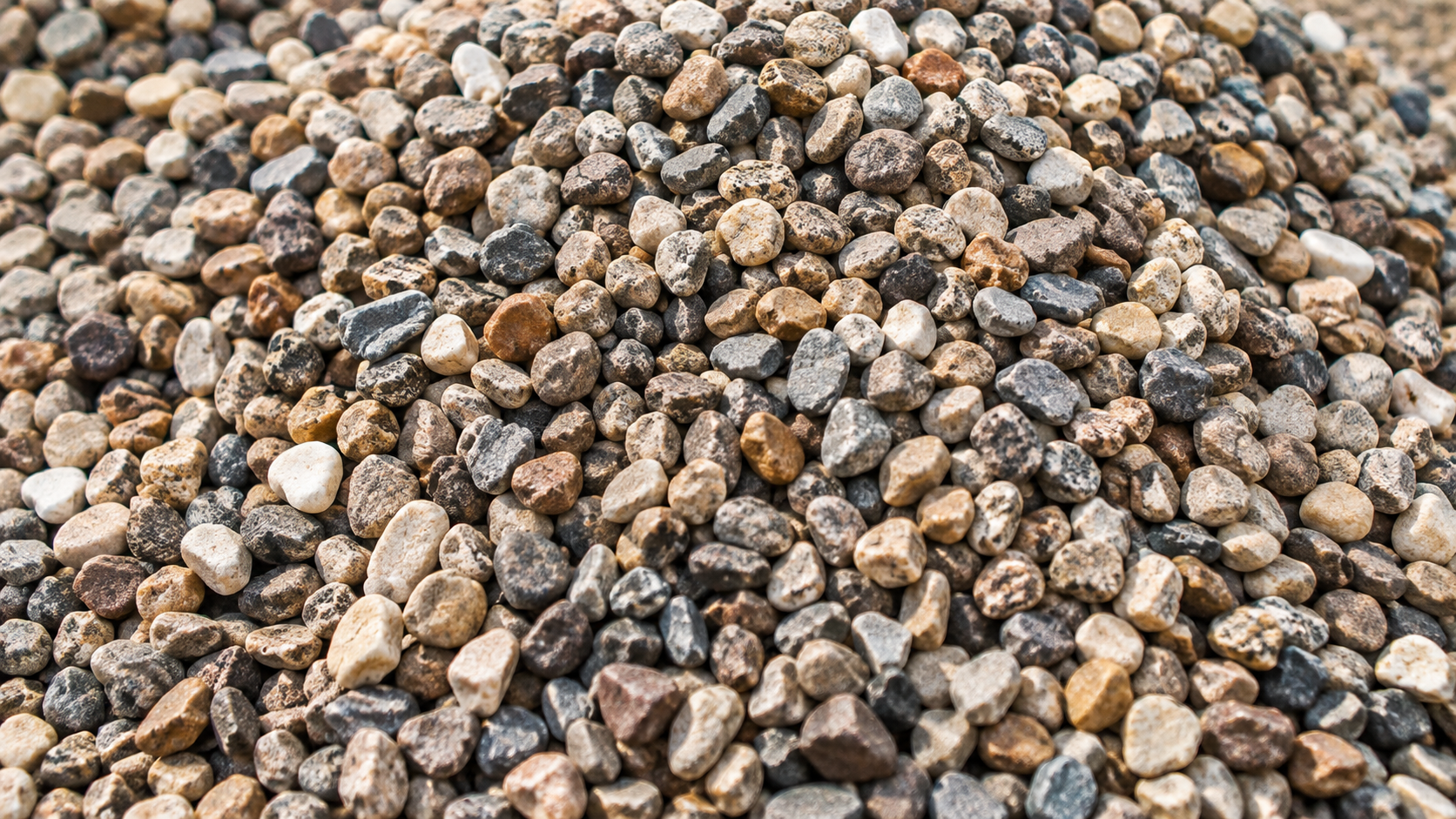
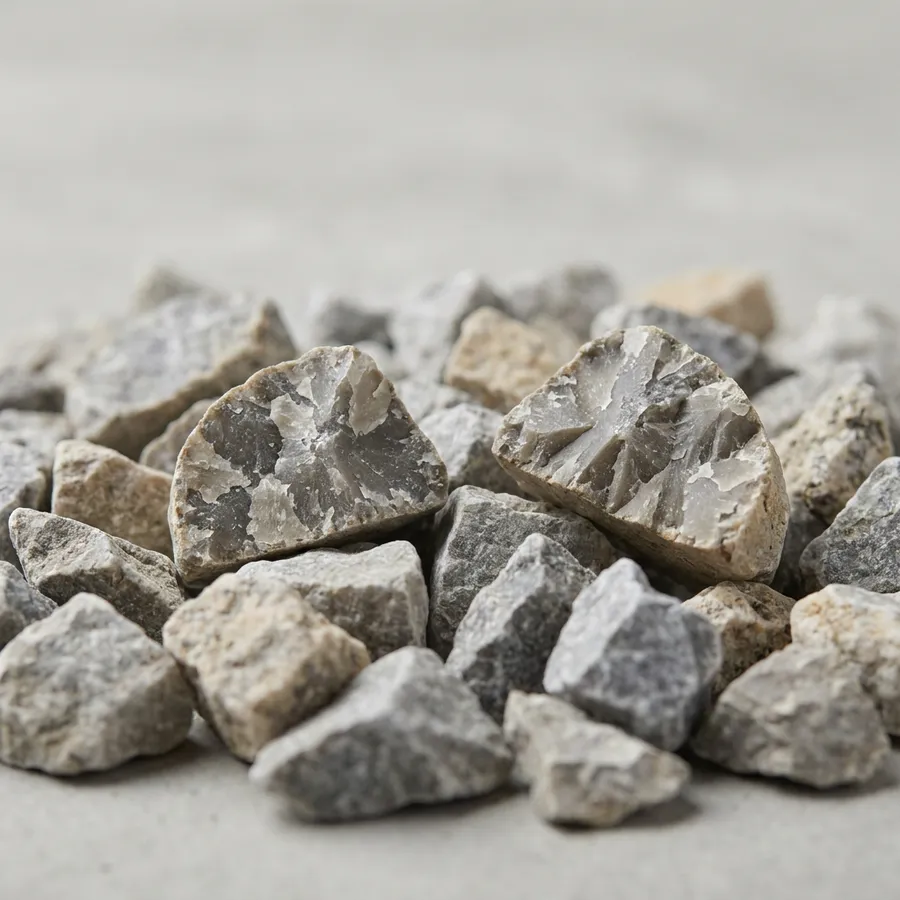
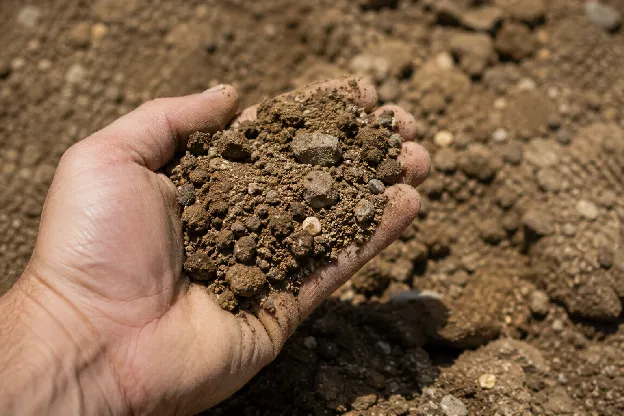
Close-up photo of crushed concrete showing porous texture and void spaces between angular pieces

Yes, crushed concrete drains exceptionally well due to its naturally porous structure and the void spaces created during the crushing process. This recycled concrete aggregate allows water to flow through easily, making it an excellent choice for drainage applications in construction and landscaping projects.

Crushed concrete, also known as recycled concrete aggregate (RCA), has become increasingly popular among contractors and homeowners seeking cost-effective drainage solutions. When concrete structures are demolished and processed, the resulting material maintains the drainage benefits of its original components while creating additional pathways for water flow.

Quick Fact: Crushed concrete’s drainage rate is comparable to natural gravel while costing up to 30% less, making it both economical and environmentally responsible.

Understanding why crushed concrete performs so well in drainage applications can help you make informed decisions for your next project. Let’s explore what makes this material so effective and how you can use it successfully.

Understanding crushed concrete’s drainage properties

The excellent drainage characteristics of crushed concrete stem from its unique composition and structure. When concrete is crushed, it breaks along natural fracture lines, creating angular pieces with irregular surfaces that don’t pack tightly together.

This crushing process creates two types of drainage pathways. First, the spaces between individual pieces allow water to flow horizontally and vertically through the material. Second, the concrete itself contains tiny pores from its original aggregate components like sand, gravel, and crushed stone.

The size of crushed concrete pieces significantly affects drainage performance. Larger pieces create bigger void spaces, allowing faster water movement, while smaller pieces pack more densely but still maintain good permeability. Most drainage applications use crushed concrete ranging from half-inch to two-inch pieces for optimal water flow. Understanding the different types of crushed concrete can help you select the right grade for your specific drainage needs.

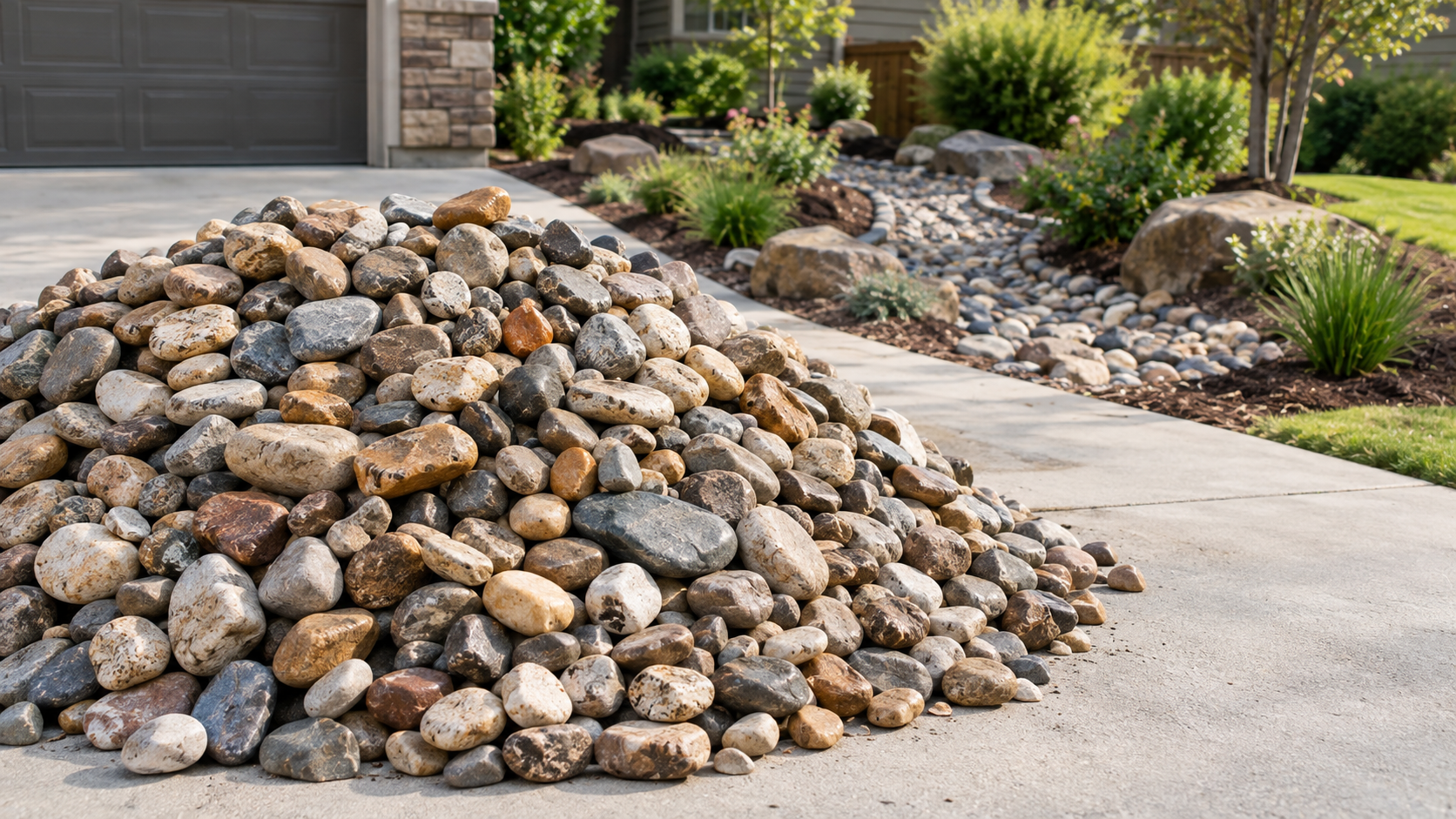
Side-by-side comparison showing water flowing through crushed concrete versus pooling on solid concrete surface

Impurities can impact drainage effectiveness, which is why sourcing from reputable suppliers matters. High-quality crushed concrete should be free from metal, wood, plastic, or excessive fine particles that could clog drainage pathways. Crushed concrete fines are sometimes used in specific applications, but for optimal drainage, larger aggregates are preferred.

Benefits of using crushed concrete for drainage

Crushed concrete offers several advantages that make it particularly attractive for drainage projects. The environmental benefits alone make it worth considering, as using recycled concrete reduces landfill waste and conserves natural resources that would otherwise be quarried.

Cost-effectiveness is another major advantage. When comparing crushed concrete vs gravel price, crushed concrete typically costs less than virgin materials like gravel or crushed stone, making it budget-friendly for large projects. This cost savings doesn’t come at the expense of performance, as properly processed crushed concrete performs comparably to traditional drainage materials.

The material’s versatility extends beyond just drainage applications. You can use the same crushed concrete for base layers, road construction, and landscaping projects, simplifying material ordering and reducing waste. This multi-purpose nature makes project planning more straightforward and cost-effective.

Environmental Impact: Using one ton of crushed concrete instead of virgin aggregate prevents approximately 1.3 tons of material from entering landfills while reducing the need for new quarrying operations.

Durability is another key benefit. Crushed concrete maintains its structure over time, resisting breakdown from freeze-thaw cycles better than some natural materials. This longevity means fewer replacements and lower long-term maintenance costs.

Comparing crushed concrete to other drainage materials

Understanding how crushed concrete performs against alternatives helps you choose the right material for your specific needs. The following comparison highlights key differences between common drainage materials:

Material Drainage Rate Cost Environmental Impact Durability
Crushed Concrete Excellent Low Very Positive High
Gravel Excellent Medium Neutral High
Crushed Stone Good High Negative Very High
Sand Poor Low Neutral Medium

Gravel provides similar drainage performance but costs more and lacks the environmental benefits of recycled content. When deciding between crushed concrete vs pea gravel, consider that crushed concrete’s angular shape provides better interlocking and stability.

Crushed stone offers excellent durability but comes with higher costs and environmental impact from quarrying operations. For those comparing crushed concrete vs limestone, both materials perform well, but crushed concrete offers superior environmental credentials.

Sand, while inexpensive, provides poor drainage due to its fine particle size and tendency to compact. It’s better suited as a leveling layer rather than a primary drainage medium.

The angular shape of crushed concrete pieces provides better interlocking than rounded gravel, creating more stable base layers while maintaining excellent drainage. This stability is particularly important for applications like driveway bases or foundation drainage systems.

How to use crushed concrete for drainage projects

Successful crushed concrete drainage installation starts with proper planning and site preparation. Begin by calculating the amount needed based on your project area and desired depth, typically 4-6 inches for most drainage applications. If you’re wondering how much crushed concrete do I need, use a calculator to determine the exact quantity for your project.

Site preparation involves removing existing materials, grading the area to proper slopes, and ensuring adequate compaction of the subgrade. The area should slope away from structures at a minimum grade of 2% to ensure proper water flow.

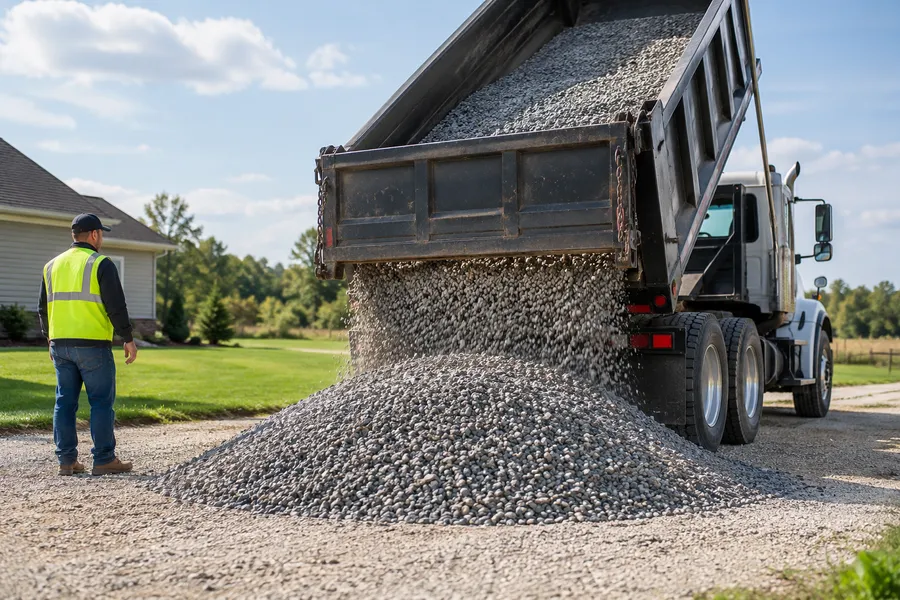
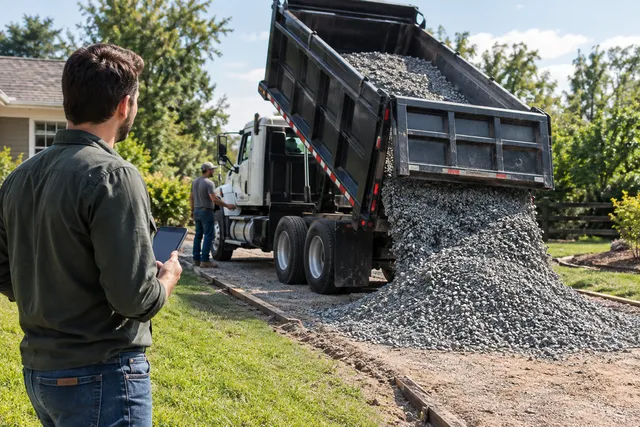
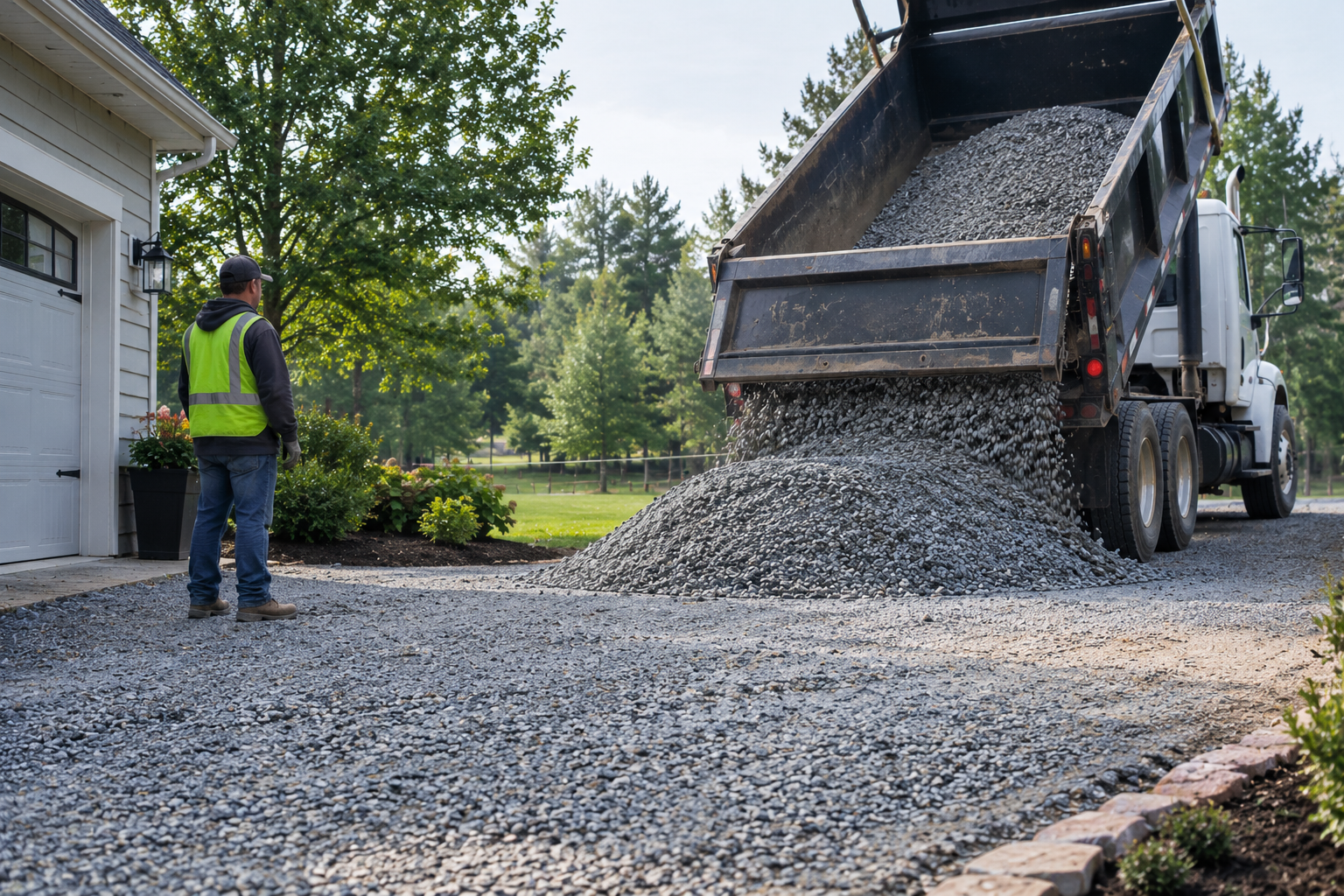
Step-by-step installation process showing crushed concrete being spread and compacted for a drainage system

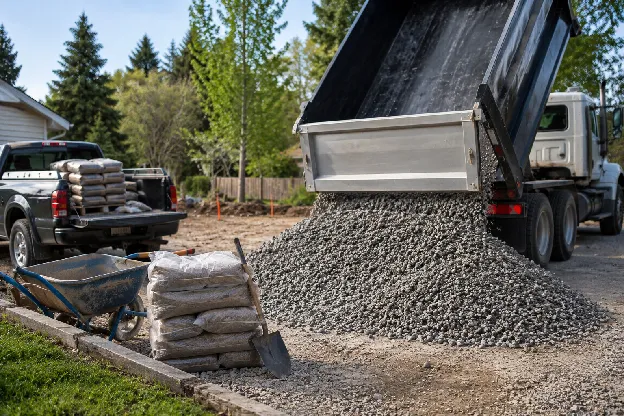
Installation follows a straightforward process. Spreading crushed concrete evenly using rakes or mechanical spreaders is the first step, then compact in lifts of 2-3 inches using a plate compactor or roller. This compaction creates stability while maintaining the void spaces necessary for drainage.

For French drain applications, crushed concrete for French drain systems works exceptionally well. Place perforated pipe within the crushed concrete layer, ensuring proper slope toward the outlet. Cover the pipe with additional crushed concrete, then wrap the entire system in geotextile fabric to prevent soil infiltration while allowing water passage.

Installation Tip: Always compact crushed concrete in thin lifts rather than trying to compact thick layers all at once. This approach ensures uniform density and optimal drainage performance.

Quality control during installation involves checking grades, ensuring proper crushed concrete compaction, and verifying that water flows in the intended direction. Test the system with water before final backfilling to confirm proper operation.

Proper installation of crushed concrete drainage systems provides long-lasting, effective water management that protects your property while supporting sustainable construction practices. The combination of excellent drainage properties, cost-effectiveness, and environmental benefits makes crushed concrete an ideal choice for most drainage applications.

Whether you’re installing a simple French drain or creating a comprehensive drainage system, crushed concrete delivers reliable performance that you can count on for years to come.

FAQ

Does crushed concrete drain well?

Yes, crushed concrete drains exceptionally well due to its naturally porous structure and the void spaces created during the crushing process. The angular pieces don’t pack tightly together, allowing water to flow through both horizontally and vertically. This makes it an excellent choice for drainage applications like French drains, driveway bases, and foundation drainage systems.

What factors affect crushed concrete’s drainage performance?

Several factors influence drainage effectiveness: particle size (larger pieces create bigger void spaces for faster water flow), quality of the material (impurities like metal, wood, or plastic can clog drainage pathways), proper compaction (over-compaction reduces void spaces), and sourcing from reputable suppliers. Most drainage applications use crushed concrete ranging from half-inch to two-inch pieces for optimal performance.

How does crushed concrete compare to gravel for drainage?

Both crushed concrete and gravel provide excellent drainage performance, but crushed concrete offers additional benefits. It typically costs 30% less than gravel while delivering comparable drainage rates. The angular shape of crushed concrete provides better interlocking and stability than rounded gravel. Additionally, crushed concrete is environmentally responsible as it’s made from recycled materials, reducing landfill waste and conserving natural resources.

How should crushed concrete be installed for optimal drainage?

Proper installation starts with site preparation, including grading to a minimum 2% slope away from structures. Spread crushed concrete evenly to a depth of 4-6 inches for most applications, then compact in thin lifts of 2-3 inches using a plate compactor. This maintains void spaces necessary for drainage while creating stability. For French drains, place perforated pipe within the crushed concrete layer and wrap the system in geotextile fabric to prevent soil infiltration.

Author: