Crushed concrete for French drains Complete installation and benefits guide

Published on: January 31, 2026

Get an estimate for your project in 60 seconds

This field is hidden when viewing the form
Security lock iconYour information is secure


French drain cross-section showing crushed concrete fill around perforated pipe with water flowing away from foundation

Dealing with water pooling around your foundation? French drains filled with crushed concrete offer an effective, budget-friendly solution that outperforms traditional gravel. This recycled material provides superior drainage while costing significantly less than other options.

Quick Answer: Crushed concrete is ideal for French drains because its angular shape creates excellent water flow, costs 30-50% less than gravel, and provides long-lasting durability. The material compacts well while maintaining drainage properties.

French drains redirect water away from foundations using a simple trench system. The key to success lies in choosing the right fill material, and crushed concrete has emerged as the top choice for both DIY homeowners and professional contractors.

What makes crushed concrete perfect for French drains

French drains work by creating an underground pathway for water to flow away from problem areas. The system consists of a sloped trench filled with permeable material, often containing a perforated pipe at the bottom.

Crushed concrete excels in this application because of its unique properties. The angular pieces lock together to create a stable base while leaving plenty of space for water movement. Unlike rounded gravel that can shift over time, crushed concrete maintains its structure.

The material comes from recycled concrete structures, making it an environmentally responsible choice. Instead of ending up in landfills, demolished concrete gets crushed into various sizes suitable for drainage applications.

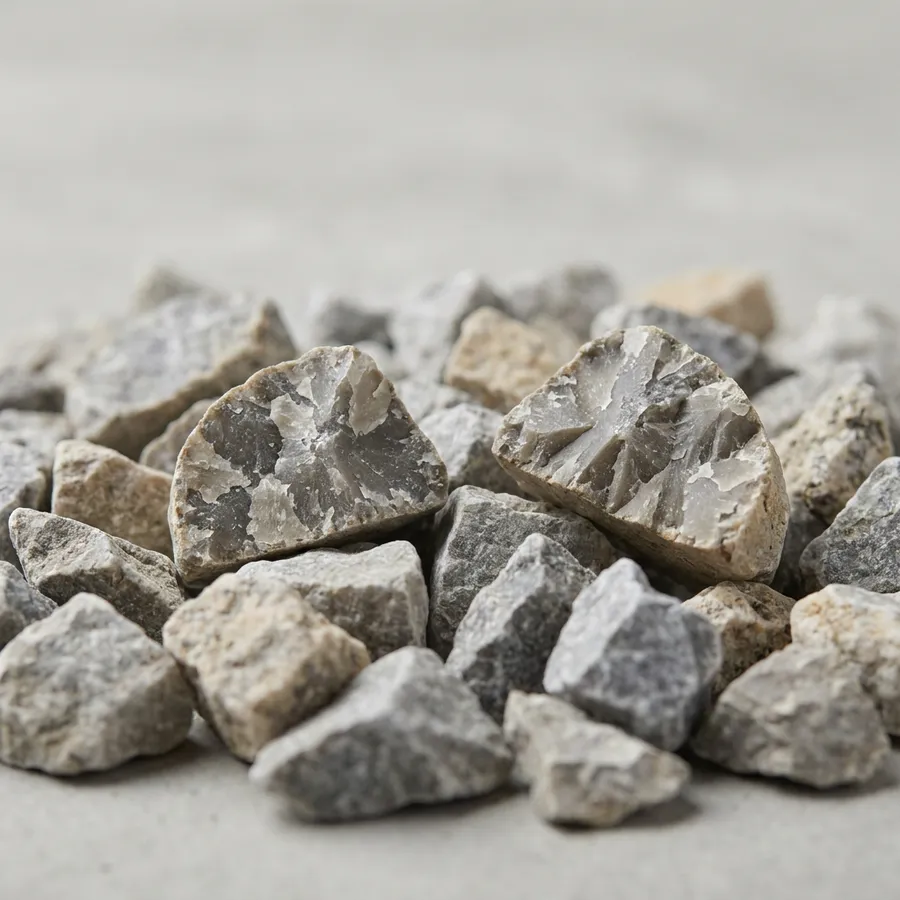
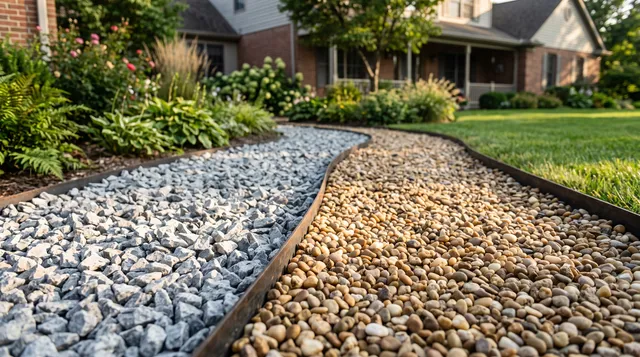
Close-up comparison showing angular crushed concrete pieces versus rounded gravel stones

Cost advantages and performance benefits

The financial benefits of choosing crushed concrete are substantial. Most suppliers offer it at 30-50% less than traditional drainage gravel, making it attractive for budget-conscious projects. For a detailed breakdown, check out our crushed concrete vs gravel price comparison.

Performance-wise, crushed concrete delivers exceptional drainage results. The material’s angular shape creates better interlocking than rounded stones, reducing settling and maintaining drainage capacity over time. Water flows freely through the spaces while the structure remains stable.

Material Cost per ton Drainage rate Longevity
Crushed concrete $15-25 Excellent 20+ years
Drainage gravel $25-40 Good 15-20 years
River rock $30-50 Fair 10-15 years

Pro Tip: Crushed concrete’s durability means fewer maintenance issues and longer system life compared to softer materials that can break down over time.

The environmental benefits add another layer of value. Using recycled concrete reduces demand for newly quarried materials and keeps waste out of landfills. Many eco-conscious homeowners appreciate this sustainable approach to drainage solutions.

Step-by-step installation process

Installing a French drain with crushed concrete follows a straightforward process that most homeowners can handle. Start by marking the drainage path and checking for underground utilities before digging.

Excavate a trench 6-12 inches wide and deep enough to achieve proper slope. The bottom should drop at least 1 inch for every 8 feet of length to ensure water flows correctly. Line the trench with landscape fabric to prevent soil infiltration.

Add 2-3 inches of crushed concrete as a base layer, then place your perforated pipe with holes facing down. Surround the pipe with more crushed concrete, filling to within 2 inches of ground level. Fold the landscape fabric over the top before adding soil. For more guidance on calculating exactly how much crushed concrete you need for your French drain, use our detailed calculator.

The angular nature of crushed concrete makes it easy to work with during installation. Understanding how to properly compact crushed concrete ensures it maintains the void spaces necessary for drainage. This balance between stability and permeability is what makes the material so effective.

Step-by-step installation diagram showing trench excavation, fabric lining, crushed concrete placement, and pipe installation

Sourcing quality crushed concrete

Finding reliable crushed concrete suppliers requires some research, but the effort pays off in project success. Look for suppliers who can provide material specifications and confirm the concrete source.

Quality crushed concrete should be free of contaminants like wood, metal, or excessive dust. The pieces should be relatively uniform in size, typically ranging from 3/4 inch to 1.5 inches for French drain applications. Learn more about the different types of crushed concrete available for various projects.

Important: Always request a sample before ordering large quantities. Good crushed concrete should have clean, angular edges and minimal fine particles that could clog your drainage system.

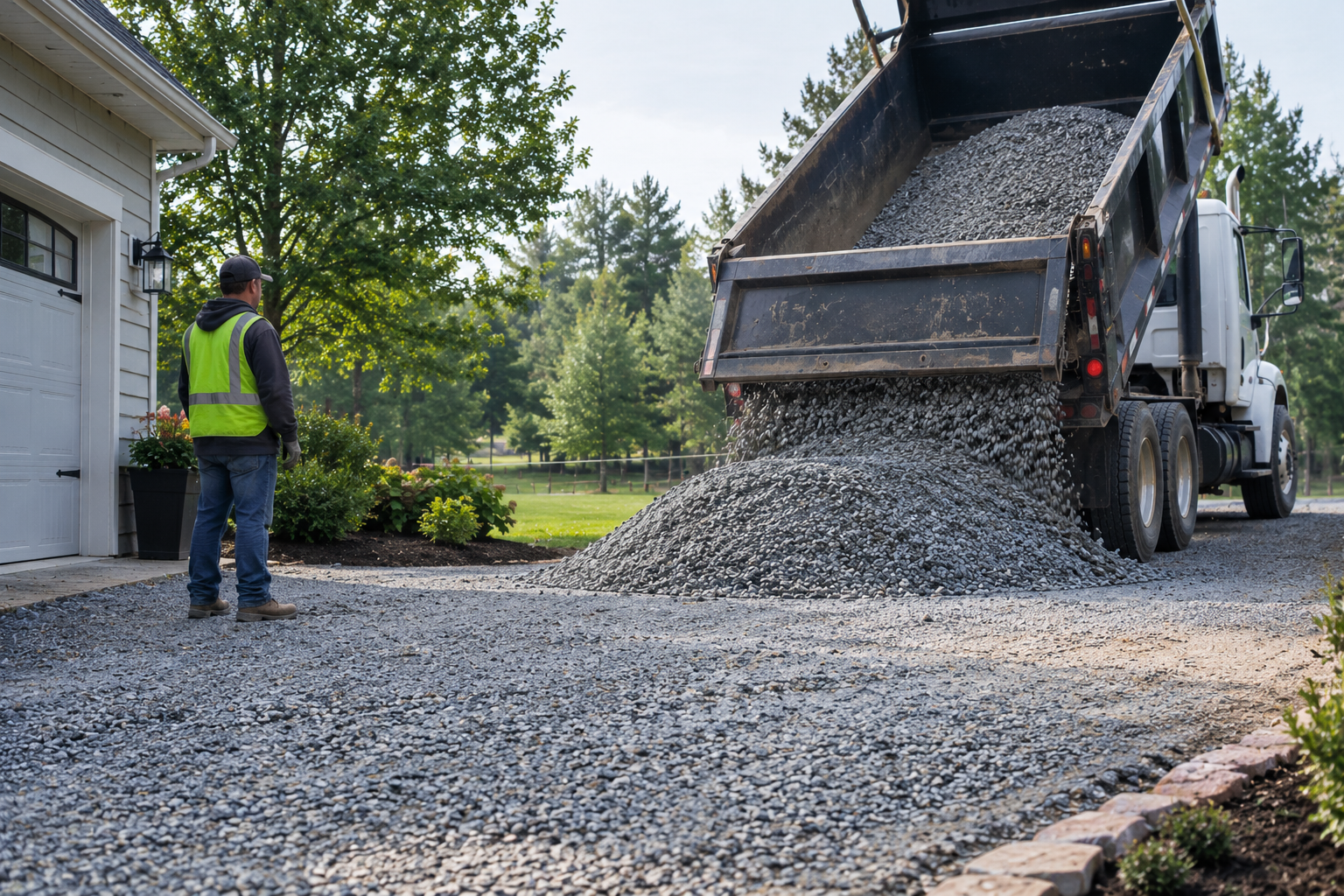
Hello Gravel offers high-quality crushed concrete specifically processed for drainage applications. Their material meets industry standards and comes with delivery options that make large projects more manageable.

When requesting quotes, provide details about your project size and location. Most suppliers offer volume discounts, and local sourcing can significantly reduce transportation costs. Compare not just prices but also delivery terms and material quality guarantees. If you’re comparing options, our guide on crushed concrete vs pea gravel can help you make an informed decision.

The investment in quality crushed concrete pays dividends through improved drainage performance and reduced maintenance needs. Your French drain system will function effectively for decades when built with the right materials and proper installation techniques.

Choosing crushed concrete for your French drain project combines practical benefits with environmental responsibility. The material’s superior performance, cost advantages, and sustainability make it the smart choice for effective foundation drainage.

FAQ

Is crushed concrete good for French drains?

Yes, crushed concrete is excellent for French drains due to its angular shape that creates superior water flow and interlocking stability. The material’s high porosity allows rapid drainage while preventing erosion around pipes. Field studies confirm that recycled concrete aggregate performs similarly to traditional limestone with no significant reduction in drainage performance, making it both effective and environmentally responsible.

What size crushed concrete should I use for a French drain?

Use 3/4-inch to 1.5-inch crushed concrete for optimal French drain performance. This size range provides the best balance between drainage capacity and structural stability. Avoid material with excessive fine particles or dust, as these can clog the system and reduce water flow. The angular pieces in this size range lock together effectively while maintaining adequate void space for water movement.

How much does crushed concrete cost compared to gravel for French drains?

Crushed concrete typically costs 30-50% less than traditional drainage gravel, ranging from $15-25 per ton compared to $25-40 per ton for gravel. This significant cost savings, combined with superior performance and environmental benefits, makes crushed concrete an economical choice for French drain projects. The material’s durability also means lower long-term maintenance costs.

Will crushed concrete clog my French drain over time?

No, properly sized crushed concrete will not clog French drains when installed correctly. The angular shape and appropriate void spaces maintain drainage capacity over time. To prevent clogging, use landscape fabric to separate the crushed concrete from surrounding soil, choose material with minimal fines, and ensure proper installation with adequate slope. Quality crushed concrete maintains its drainage properties for 20+ years.

Author: