Crushed Concrete Under Slab Guide for 2026

Published on: January 17, 2026

Get an estimate for your project in 60 seconds

This field is hidden when viewing the form
Security lock iconYour information is secure


Crushed Concrete Aggregate Material Construction Base

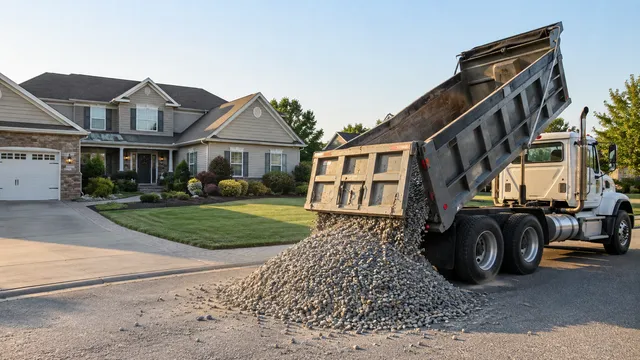
Crushed concrete under slab installations has become the go-to choice for contractors and homeowners seeking a cost-effective, sustainable foundation solution. This recycled concrete aggregate (RCA) offers exceptional load-bearing capacity while reducing project costs by up to 30% compared to virgin materials.

Quick Answer: Crushed concrete provides excellent drainage, superior compaction, and environmental benefits when used as a subbase under concrete slabs. It typically costs $15-25 per ton and requires 4-6 inches of thickness for most residential applications.

Whether you’re planning a driveway, patio, or commercial slab, understanding how to properly use crushed concrete as your foundation material can save you money while delivering long-lasting results. This guide covers everything from material selection to installation best practices.

What is crushed concrete and why use it under slabs

Crushed concrete, also known as recycled concrete aggregate, comes from demolished concrete structures that are processed into reusable aggregate material. Instead of sending old concrete to landfills, it gets crushed and screened to create various sizes suitable for construction applications.

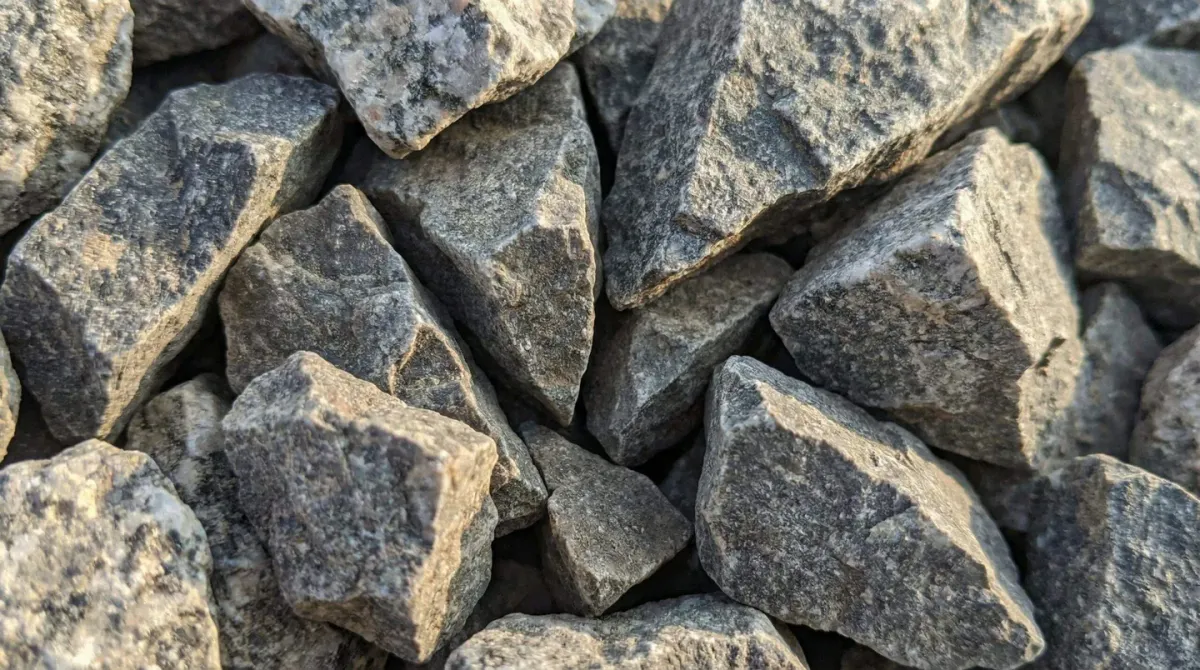
The material typically ranges from 3/4-inch down to fine particles, with the most common size being 3/4-inch crushed concrete for slab applications. This angular shape allows the particles to interlock when compacted, creating a stable foundation that distributes weight evenly across the subgrade.

Crushed Concrete Installation Under Concrete Slab

When used under slabs, crushed concrete serves as a subbase that prevents settling, improves drainage, and provides a level working surface for concrete placement. The recycled nature makes it an environmentally responsible choice that diverts waste from landfills while reducing the need for virgin aggregate materials.

Key benefits of using crushed concrete under slabs

The advantages of choosing crushed concrete extend beyond just cost savings. This material offers several performance benefits that make it ideal for slab foundations.

Cost effectiveness stands out as the primary advantage. Crushed concrete typically costs 20-40% less than virgin aggregate materials. Since it’s made from recycled content, production costs remain lower, and these savings get passed to consumers. The material also compacts easily, reducing labor time during installation. For a detailed cost comparison, check out our guide on crushed concrete vs gravel pricing.

Environmental impact makes crushed concrete an attractive option for sustainable construction. Using recycled concrete reduces landfill waste and decreases the demand for quarried materials. Each ton of crushed concrete used prevents approximately one ton of waste from entering landfills.

Environmental Fact: Using crushed concrete can reduce your project’s carbon footprint by up to 25% compared to using virgin aggregate materials.

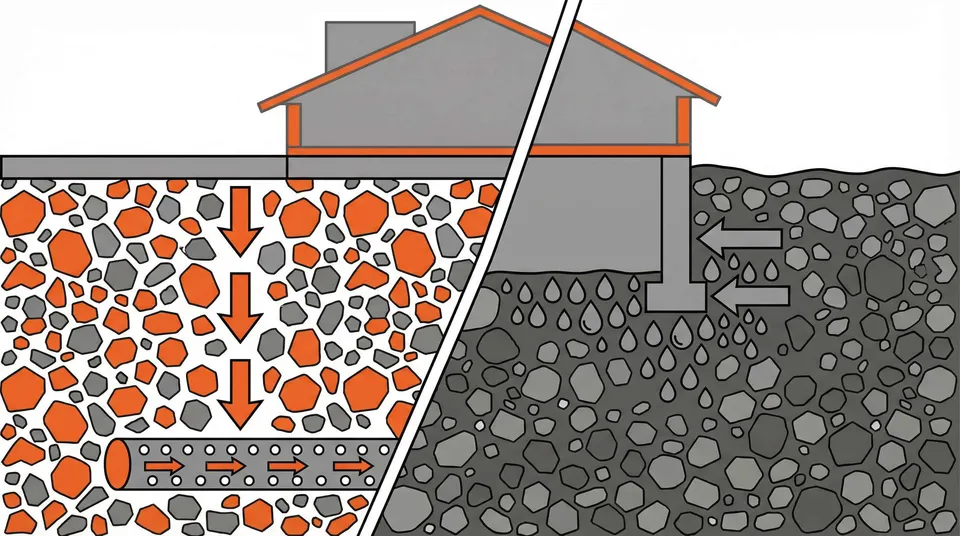
Durability and performance match or exceed traditional subbase materials. The angular particles create excellent interlocking properties when compacted, resulting in a stable foundation that resists settlement. The material also provides superior drainage compared to clay-based soils, preventing water accumulation that could compromise slab integrity.

Step-by-step installation process

Installing crushed concrete under a slab requires careful preparation and proper compaction techniques. Following these steps ensures optimal performance and longevity.

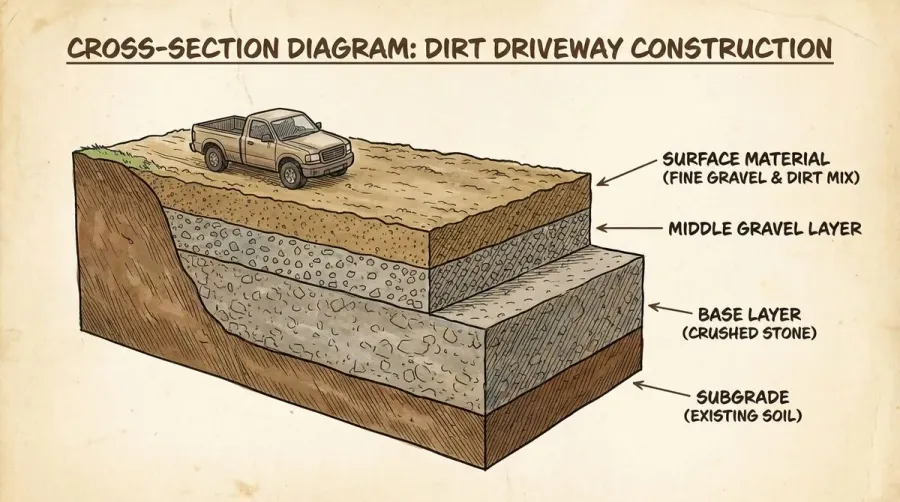
Site preparation begins with excavating the area to the required depth. Most residential slabs need 4-6 inches of crushed concrete subbase, while commercial applications may require 8-12 inches. Remove all organic material, debris, and loose soil from the excavation area.

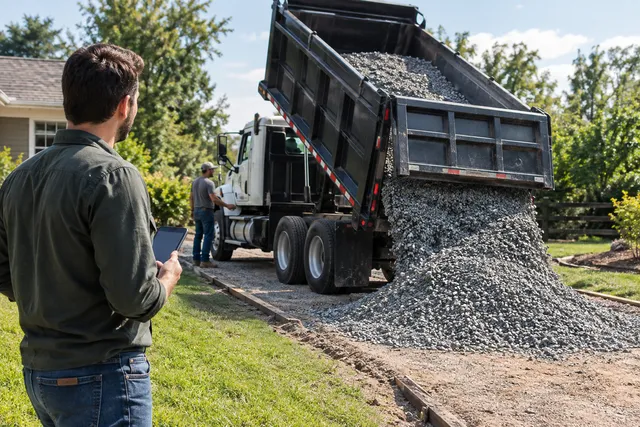
Material placement involves spreading the crushed concrete in lifts no thicker than 8 inches. Use a rake or grader to achieve uniform thickness across the entire area. For detailed guidance on distribution techniques, see our article on how to spread crushed concrete. Check for proper grade and slope to ensure water drains away from the structure.

Plate Compactor Crushed Concrete Installation

Compaction process requires multiple passes with a vibratory plate compactor. Understanding the crushed concrete compaction factor is essential for achieving optimal density. Compact each lift to 95% of maximum density, typically requiring 3-4 passes with the compactor. The surface should feel firm underfoot and show no rutting when walked on. Learn more about how to compact crushed concrete for best results.

Final preparation includes checking the surface for uniformity and proper elevation. The compacted crushed concrete should be within 1/2 inch of the specified grade. Any low spots should be filled and recompacted before concrete placement.

Comparing crushed concrete to other subbase materials

Understanding how crushed concrete performs against alternatives helps you make informed decisions for your project. Each material offers different benefits depending on your specific requirements.

Material Cost per Ton Drainage Compaction Environmental Impact
Crushed Concrete $15-25 Excellent Good High recycled content
Crushed Stone $20-35 Excellent Excellent Virgin material
Gravel $25-40 Good Fair Virgin material
Sand $20-30 Poor Good Virgin material

Crushed stone offers superior compaction properties due to its angular shape and consistent gradation. However, it costs more than crushed concrete and requires quarrying new materials. For heavy-duty applications, crushed stone might be worth the extra investment. Compare the differences in our crushed concrete vs 57 stone analysis.

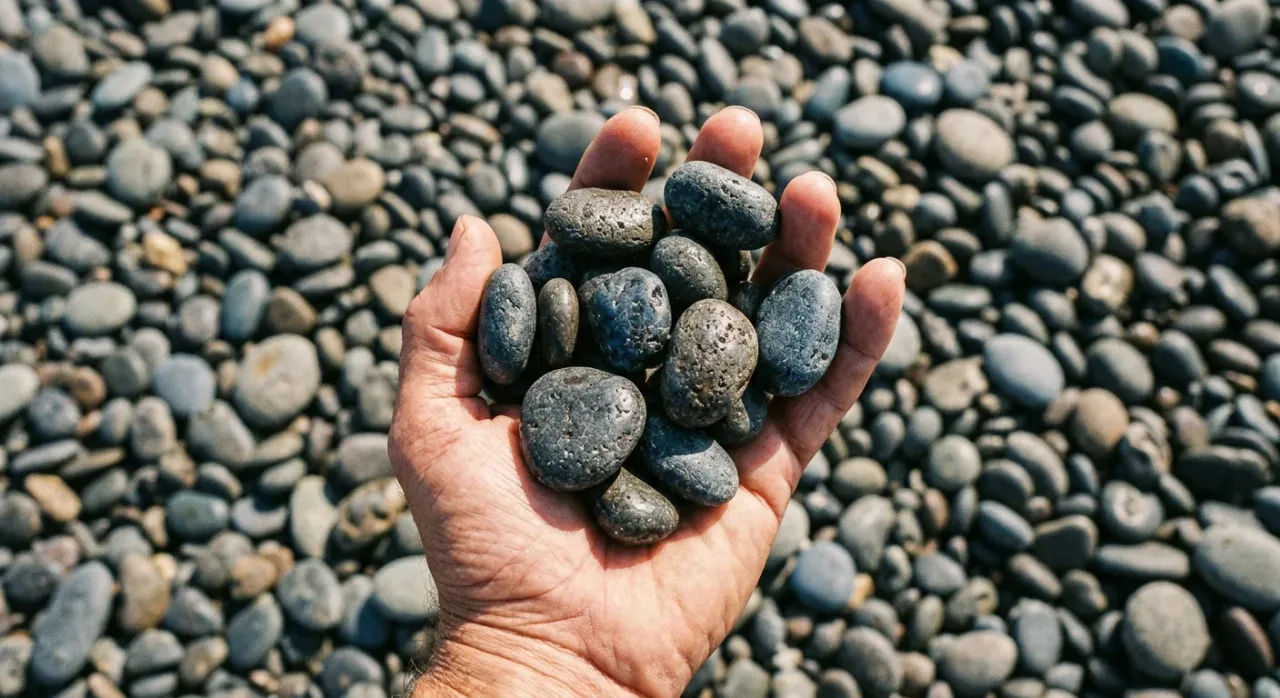
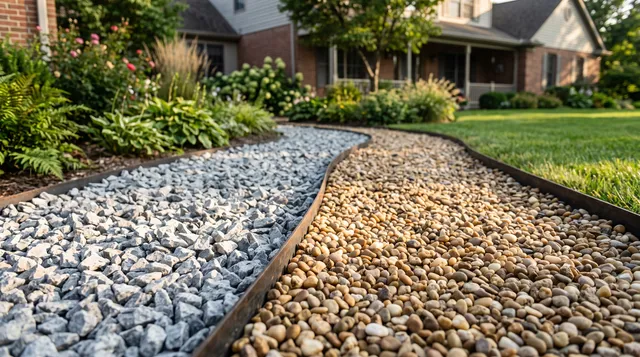
Natural gravel provides good drainage but doesn’t compact as well due to its rounded shape. The smooth particles can shift under load, making it less suitable for heavy slab applications. It also costs more than crushed concrete in most markets. See our comprehensive comparison of crushed concrete vs pea gravel for more details.

Pro Tip: For most residential slab applications, crushed concrete provides the best balance of performance, cost, and environmental benefits compared to virgin aggregate materials.

Sand compacts well but offers poor drainage characteristics. It can retain moisture, leading to potential frost heave issues in cold climates. Sand works better as a leveling course over other subbase materials rather than as the primary subbase itself.

Choosing the right supplier and specifications

Selecting quality crushed concrete and a reliable supplier ensures your project’s success. Not all recycled concrete aggregate meets the same standards, so knowing what to look for protects your investment.

Quality specifications should include gradation requirements, with most slab applications using 3/4-inch minus material. The aggregate should be free from contaminants like wood, metal, or excessive fines that could affect compaction. Ask suppliers for gradation reports and contamination testing results. Understanding the different grades of crushed concrete helps you select the right material for your project.

Supplier evaluation involves checking their processing methods and quality control procedures. Reputable suppliers screen their material multiple times to remove contaminants and achieve consistent gradation. They should also provide delivery options that work with your project timeline.

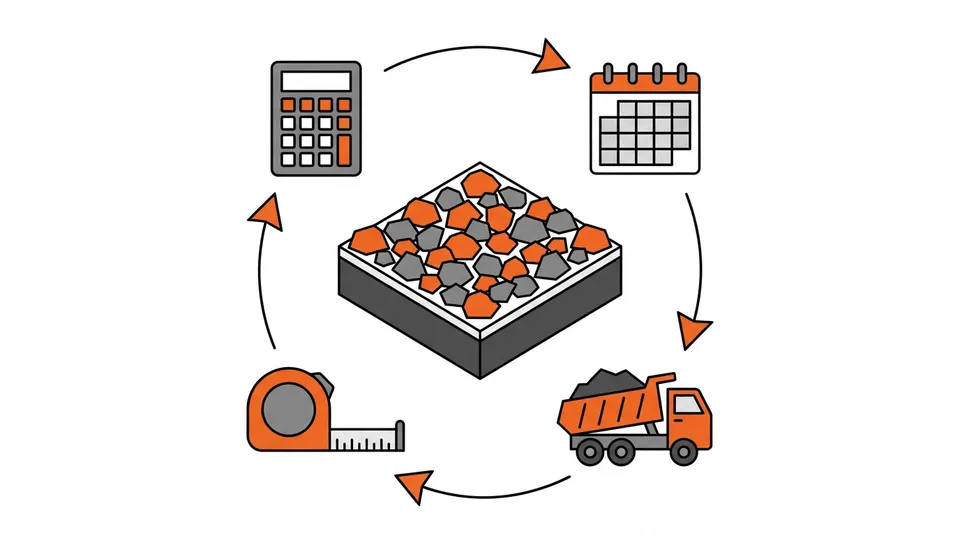
Quantity calculations depend on your project area and required thickness. For a 4-inch thick subbase, you’ll need approximately 1.2 tons of crushed concrete per 100 square feet. Always order 10-15% extra to account for compaction and minor grade adjustments. Use our crushed concrete calculator to determine exact quantities.

Hello Gravel offers high-quality crushed concrete with consistent gradation and minimal contamination. Their processing methods ensure the material meets specifications for slab subbase applications, and they provide reliable delivery throughout their service area.

Using crushed concrete under your slab provides an excellent foundation that combines cost savings with environmental responsibility. The material’s proven performance in countless applications makes it a smart choice for residential and commercial projects alike. With proper installation and quality material from a trusted supplier, your crushed concrete subbase will provide decades of reliable service while supporting your sustainability goals.

FAQ

What are the main benefits of using crushed concrete under slabs?

The primary benefits include significant cost savings (20-40% less than virgin materials), excellent drainage properties that prevent water accumulation, superior compaction that creates a stable foundation, and environmental sustainability by recycling demolished concrete instead of sending it to landfills. Crushed concrete also provides load-bearing capacity that distributes weight evenly across the subgrade.

How thick should the crushed concrete base be under a slab?

For most residential applications, 4-6 inches of crushed concrete is sufficient, while commercial applications may require 8-12 inches depending on the load requirements. The material should be placed in lifts no thicker than 8 inches and compacted to 95% of maximum density. Always check local building codes for specific requirements in your area.

What size crushed concrete is best for slab foundations?

The most common and effective size is 3/4-inch crushed concrete (also called 3/4-inch minus) for slab applications. This size provides optimal interlocking properties when compacted while still allowing for good drainage. The angular shape of the particles helps create a stable foundation that resists settlement better than rounded materials.

How does crushed concrete compare to other subbase materials?

Crushed concrete offers the best balance of cost, performance, and environmental benefits for most applications. While crushed stone may provide slightly better compaction, it costs 20-40% more. Natural gravel doesn’t compact as well due to its rounded shape, and sand offers poor drainage. Crushed concrete typically costs $15-25 per ton compared to $20-40 for alternatives, while providing excellent drainage and good compaction properties.

Author: